

South Carolina, with its incredible diversity of habitats spanning from the Blue Ridge Mountains to the Atlantic coastline, is an unsurpassed destination for bird enthusiasts. This variety, encompassing freshwater wetlands, maritime forests, longleaf pine ecosystems, and tidal marshes, serves as a vital stopover, wintering ground, and breeding haven for over 430 recorded bird species. Whether you're a lifelong birder seeking a new life list addition or a casual observer hoping for a splash of color, the Palmetto State offers an unparalleled experience.
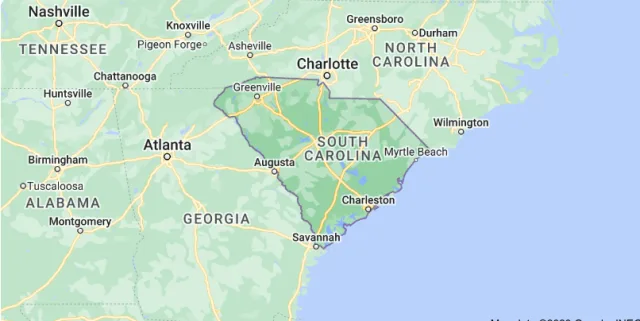
Among the state's premier birding locations are two sites along the famed Savannah River: the Savannah National Wildlife Refuge (NWR) and the Silver Bluff Audubon Center & Sanctuary. These conservation areas provide protected lands where spectacular sightings are not just possible, but often guaranteed. From observing the massive wintering waterfowl concentrations at Savannah NWR—a key link in the Atlantic Flyway—to witnessing the nesting Bald Eagles and the late-summer foraging of Wood Storks at Silver Bluff Audubon Center & Sanctuary, South Carolina delivers year-round opportunities to connect with avian life. Prepare your binoculars and field guide, as we explore the best times and places to enjoy the rich bird-watching opportunities awaiting you in this biologically rich corner of the Southeast.
Savannah NWR
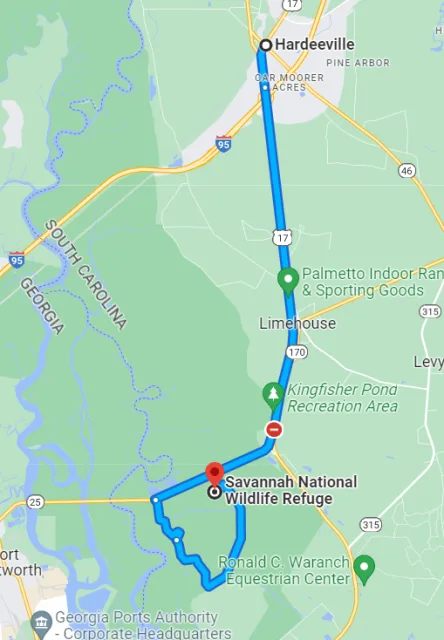
The Savannah National Wildlife Refuge (NWR) is a sprawling, 31,000-acre haven that straddles the border of Georgia and South Carolina, with a significant portion of its protected land lying in Jasper County, SC. This location, situated in the heart of the Lowcountry, is defined by the mighty Savannah River, which is the lifeblood of the refuge's geography.
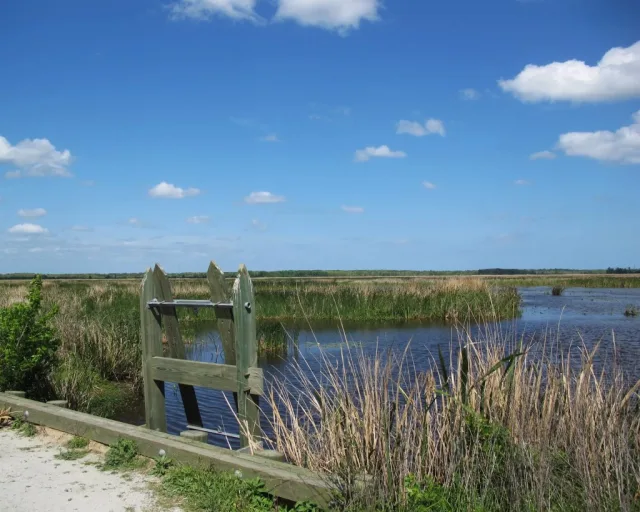
The terrain is notably flat and low-lying, dominated by a rich mosaic of tidal freshwater marsh, bottomland hardwood forests, and extensive managed freshwater impoundments. These impoundments, which are the reclaimed remnants of historic rice plantations dating back to the 18th and 19th centuries, are managed with earthen dikes and wooden "rice trunks" to control water levels, creating optimal conditions for migratory birds.
As a crucial stop along the Atlantic Flyway, the Savannah NWR offers world-class bird watching, with over 300 species documented within its bounds. The former rice fields, now maintained as diverse wetlands, are the primary attraction, especially during the non-breeding season.

Winter brings spectacular concentrations of migratory waterfowl, including Northern Pintails, various Teals, and Shovelers, all easily viewed from the 4.5-mile Laurel Hill Wildlife Drive—a one-way loop that meanders along the old dikes. Year-round, the refuge is a stronghold for wading birds like Wood Storks, Great Egrets, and White Ibis, while the swamp and forest habitats provide a home for nesting Bald Eagles, Anhingas, Purple Gallinules, and colorful neotropical migrants like Prothonotary Warblers during the warmer months.
Target Birds
Mississippi Kite
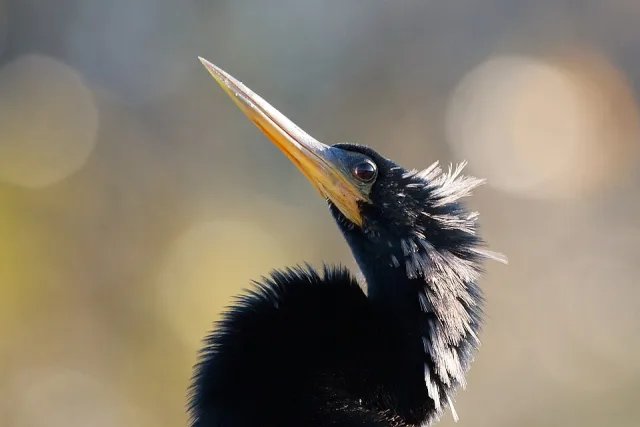
Anhinga
Caspian Tern
Least Bittern
Red-bellied Woodpecker
Prairie and Palm Warbler
Mottled Duck
The U.S. Fish and Wildlife Service has information about what birds and animals might be seen here in different seasons.
East Kiawah Island
The eastern end of Kiawah Island, a premier South Carolina barrier island, is characterized by a dynamic and highly diverse Lowcountry geography. This section is dominated by the intricate interplay between ocean, marsh, and forest ecosystems, including pristine beachfront, stabilized dunes, lush maritime forests, and expansive salt marshes that border the Kiawah River.
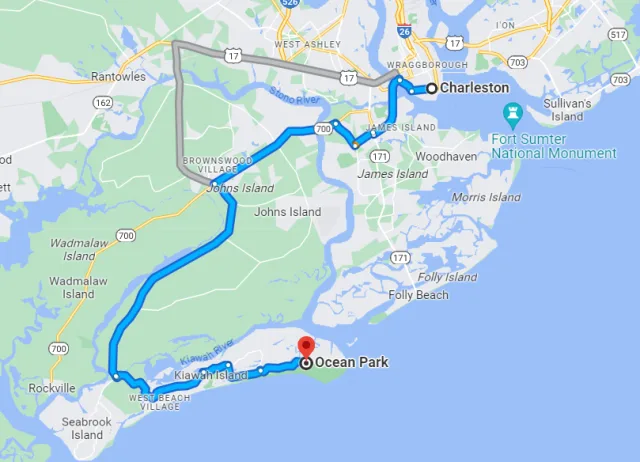
A significant feature is Little Bear Island on the far east end, a constantly changing spit of land vital to nesting birds, while the nearby Night Heron Park offers easy access to a network of walking paths and brackish lagoons within a dense forest canopy. The convergence of these habitats creates rich ecotones—transition zones between ecosystems—that are particularly attractive to a wide array of avian life, making this a highly concentrated and productive area for birdwatching.
The birdwatching opportunities on East Kiawah Island are exceptional, with over 200 species recorded annually, including both resident and migratory birds. The open beach and mudflats are crucial habitat for shorebirds, where birders can spot various plovers and sandpipers, including federally protected species like the Piping Plover in winter, and nesting American Oystercatchers in the warmer months.
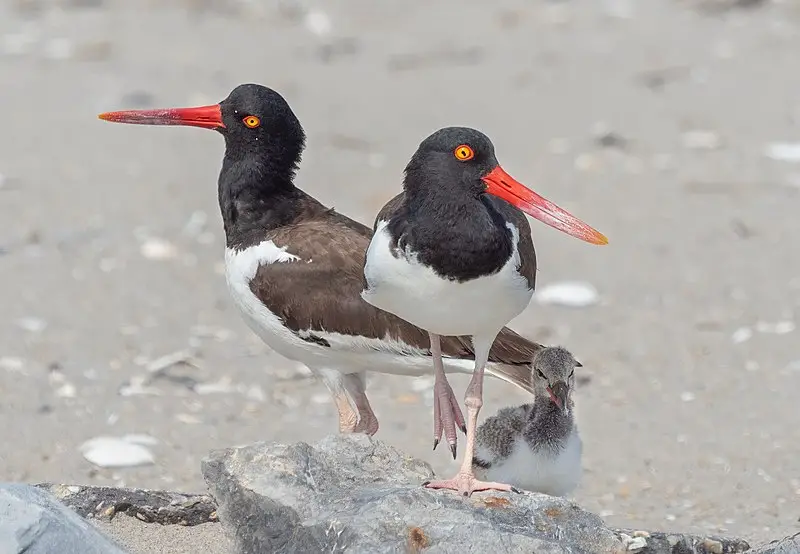
The tranquil, lagoon-filled areas around Night Heron Park are perfect for observing wading birds such as Great Blue Herons and Great Egrets, as well as the brilliantly colored, cavity-nesting Prothonotary Warbler in the cypress swamps. Furthermore, the eastern forests are key stopover sites during the spring and fall migration, with a banding station on Little Bear Island dedicated to studying the movements of neotropical songbirds and the elusive Painted Bunting.
Target Birds
Tricolored Heron
White Ibis
Painted Bunting
Semipalmated Plover
Dunlin
Least Tern
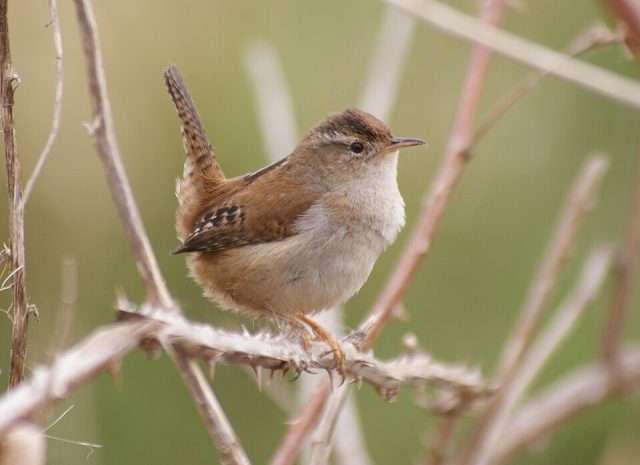
Marsh Wren
The South Carolina Audubon has a really nice article about the island and the fauna on it.
Huntington Beach SP
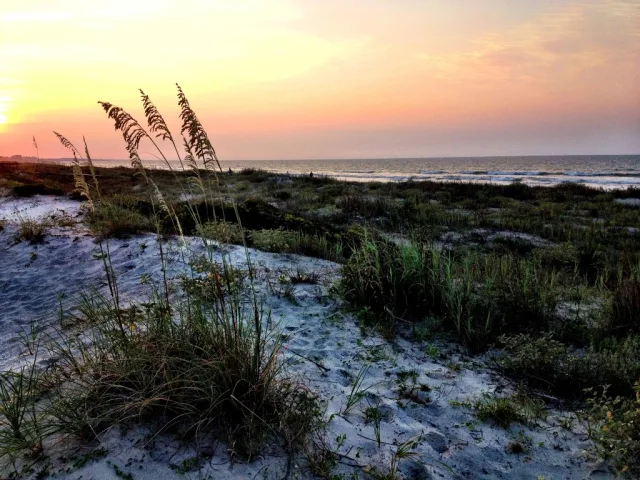
Huntington Beach State Park is arguably the premier birding destination in South Carolina, attracting both rare and abundant species due to its exceptional geographical variety. The park covers 2,500 acres in Murrells Inlet, presenting a captivating cross-section of coastal plain geography.
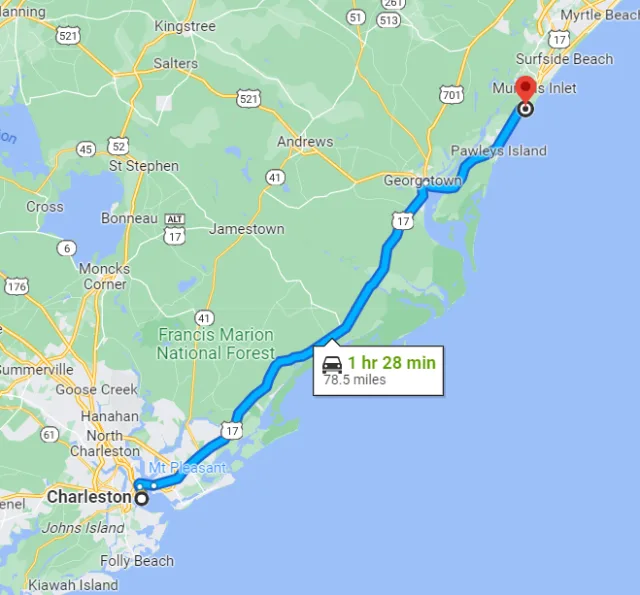
Its boundaries contain a vibrant mix of habitats, including three miles of undeveloped Atlantic beach and sand dunes, a contiguous maritime forest, and an expansive estuarine system. Crucially, the park's entrance causeway cleverly separates the tidal salt marshes of Murrells Inlet from Mullet Pond, a large, managed freshwater impoundment (an old rice field) offering two drastically different wetland environments side-by-side. This concentrated geographical diversity acts as a magnet for birds throughout the year.
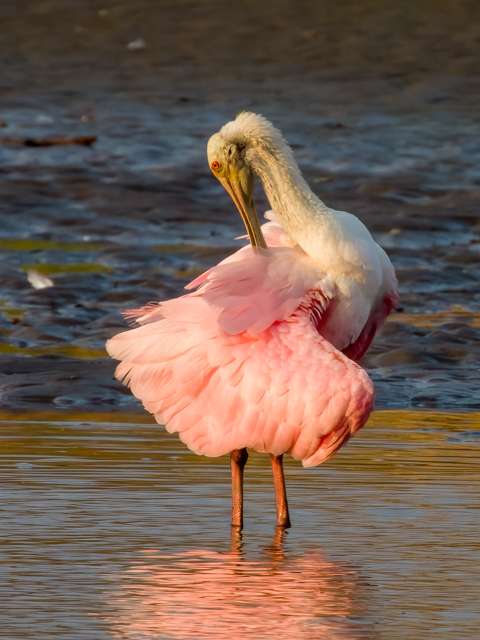
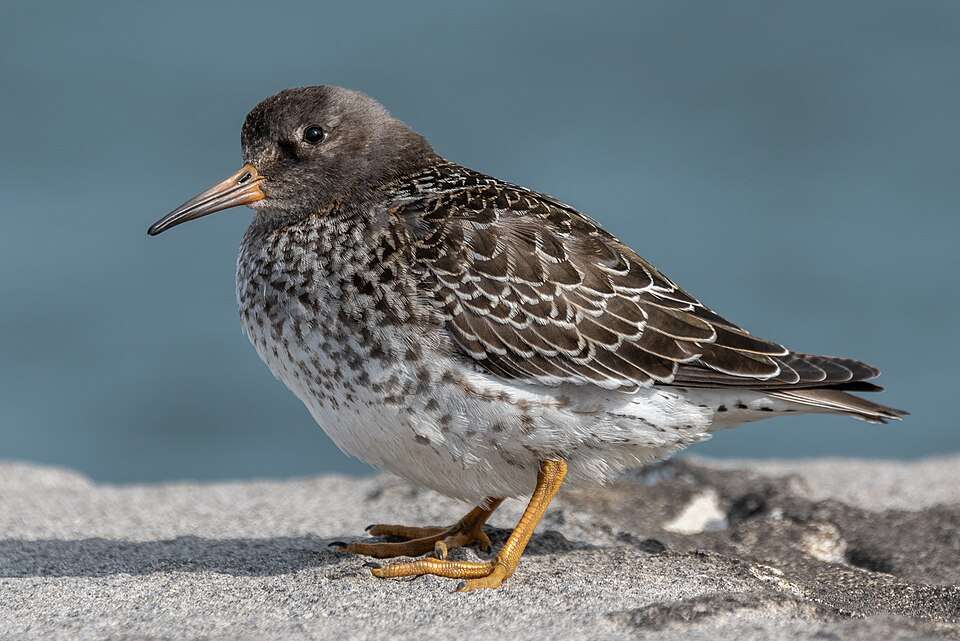
The resulting bird-watching opportunities are spectacular, with over 300 species documented within the park boundaries. During winter, the freshwater pond is a hot spot for waterfowl, drawing high numbers of Blue-winged and Green-winged Teal, Buffleheads, and various ducks, while the skies host magnificent Bald Eagles and Ospreys. The mudflats and spartina grass of the salt marsh are prime feeding areas for a plethora of wading birds—including Great Egrets, herons, and the brilliant Roseate Spoonbill—as well as rails and the elusive Marsh Wren. Along the beach and the Murrells Inlet jetty, birders can scan for shorebirds and seabirds, often spotting rarities like the federally endangered Piping Plover, and in winter, species like Purple Sandpipers, loons, and grebes. This rich, accessible environment makes Huntington Beach a must-visit for any serious birder traveling the Atlantic Flyway.
Target Birds
Eastern Whip-poor-will
Wood Stork
Roseate Spoonbill
Wilson's Plover
Green Heron
Greater Yellowlegs
Black-crowned and Yellow-crowned Night Heron
The Carolina Bird Club has some good advice about when and where to visit the area.
Cape Romain NWR
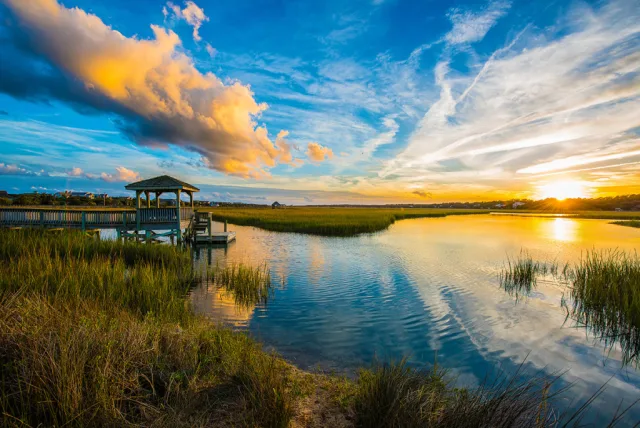
The Cape Romain National Wildlife Refuge (NWR) is a sprawling, 66,287-acre coastal sanctuary situated in Charleston County, South Carolina, near the fishing village of Awendaw. This pristine national treasure extends for 22 miles along the Atlantic coast, with its geography characterized by a dynamic, roadless complex of barrier islands—most notably Bulls Island—vast salt marshes, and intricate coastal waterways.
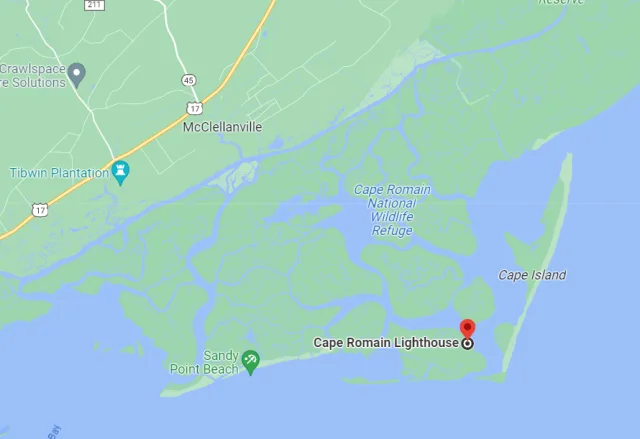
The refuge's mainland facilities, including the headquarters and the Sewee Visitor and Environmental Education Center, are located just off U.S. Highway 17. However, the majority of the refuge, including its core of water impoundments, tidal creeks, and the Class I Wilderness Area, is accessible only by boat, making it a truly wild and protected segment of the Lowcountry coastline.
Established in 1932 specifically as a haven for migratory birds, Cape Romain NWR is a bird-watcher's paradise, hosting over 293 recorded species. Its designation as a Western Hemisphere Shorebird Reserve Network (WHSRN) Site of International Importance highlights its critical role for shorebirds, as the refuge harbors the largest wintering population of American Oystercatchers on the Atlantic and Gulf coasts and provides essential habitat for the threatened Piping Plover and Wood Stork.
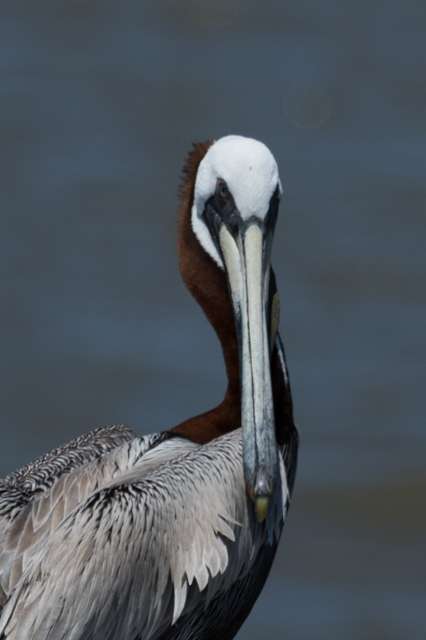
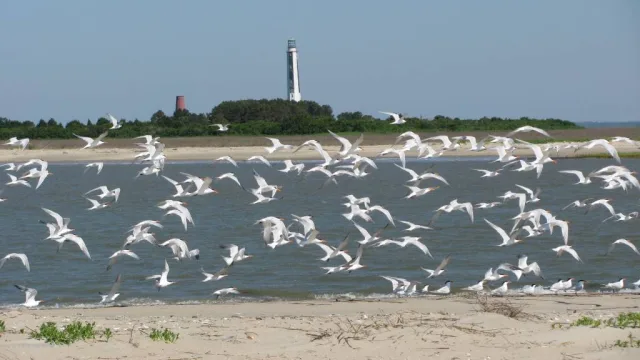
Birding opportunities are exceptional year-round, with visitors to Bulls Island's maritime forests and freshwater ponds spotting neotropical migrants like the Painted Bunting in summer, while the barrier islands host large nesting rookeries for Brown Pelicans, gulls, and terns. Winter brings massive concentrations of waterfowl, including various species of ducks and geese, ensuring a spectacular array of avian activity in every season.
Target Birds
Red Knot
Anhinga
Bald Eagle
Gray Plover
Whimbrel
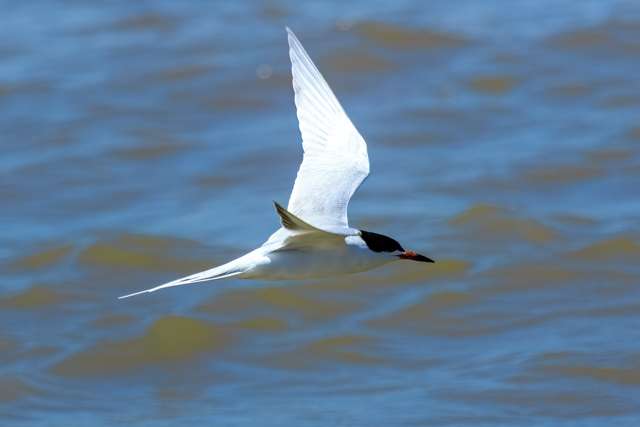
Black, Forster's and Royal Tern
American Bittern
The U.S. Fish and Wildlife Service has details about accessing the area and what you might see there.
Dreher Island SP
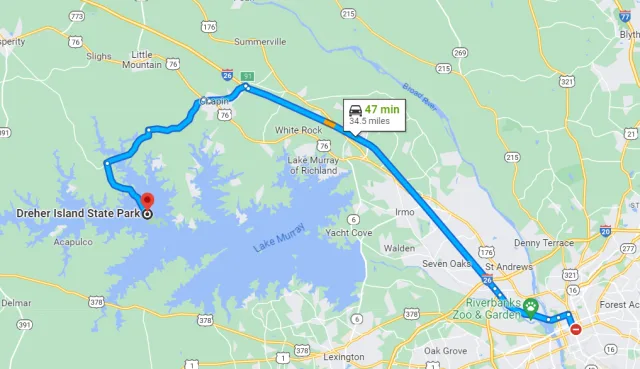
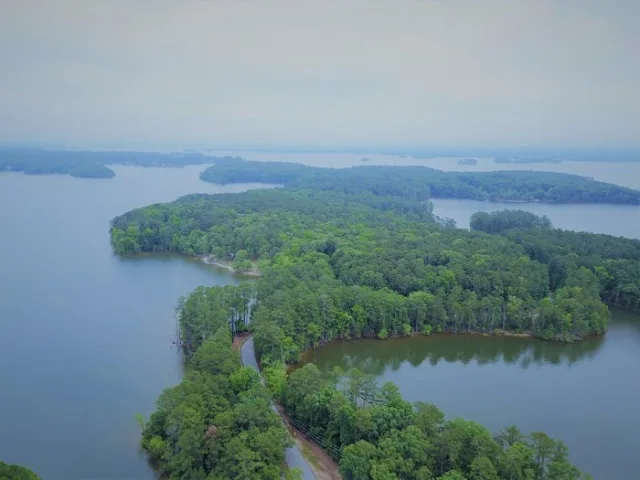
Dreher Island State Park is a unique geographic feature nestled in the central Midlands region of South Carolina, roughly 30 miles northwest of Columbia. The park's distinct location spans three interconnected islands totaling 348 acres that extend into the expansive 50,000-acre Lake Murray, a vast reservoir created by the impoundment of the Saluda River.
The park's terrain is characterized by second-growth mixed oak-pine woodlands and miles of lake shoreline, providing a varied landscape that offers habitat diversity. This protrusion into the center of the lake makes Dreher Island an exceptional observation point, as it provides sweeping, open views across the water and surrounding shoreline, an advantage for sighting both land and water-dwelling avian species.
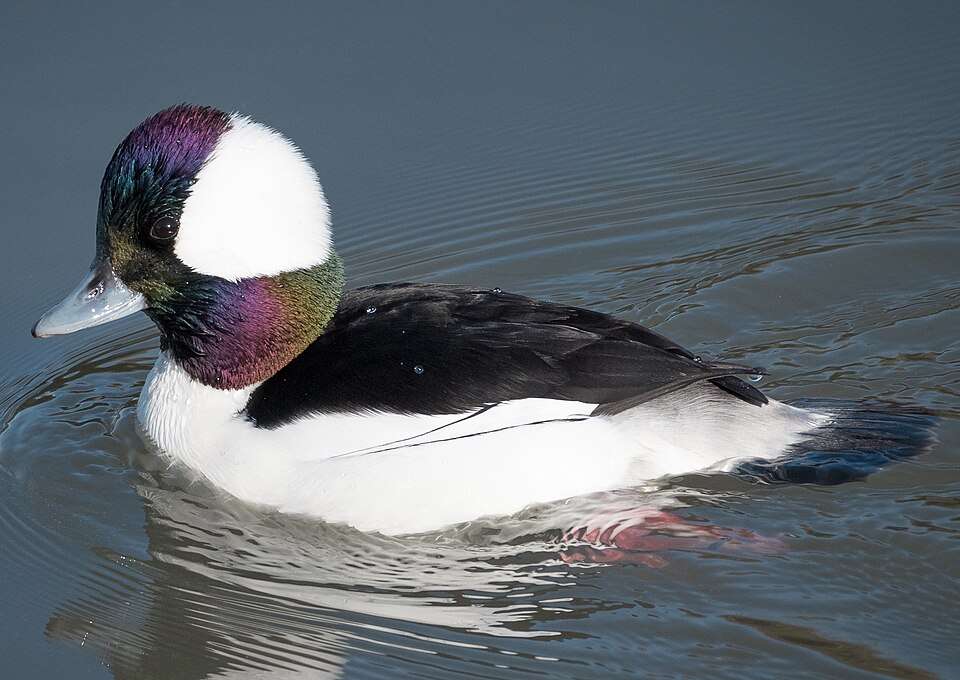
This confluence of land and water habitats makes Dreher Island one of the best birding locations on Lake Murray. The park's access to the lake's vast expanse allows birders to regularly spot a variety of waterbirds, including wintering species like Common Loons, Horned Grebes, and several duck species such as Buffleheads and Hooded Mergansers.
The park's woodland trails, like the Little Gap Trail, are excellent for observing common Piedmont birds and forest migrants. However, the most spectacular birding opportunity is the massive summer roost of Purple Martins on nearby Bomb Island (accessible by boat), which is the largest known martin roost in North America and a major draw from June through August. Additionally, year-round residents like Bald Eagles and Ospreys are often sighted soaring over the lake and nesting in the area.
Target Birds
Belted Kingfisher
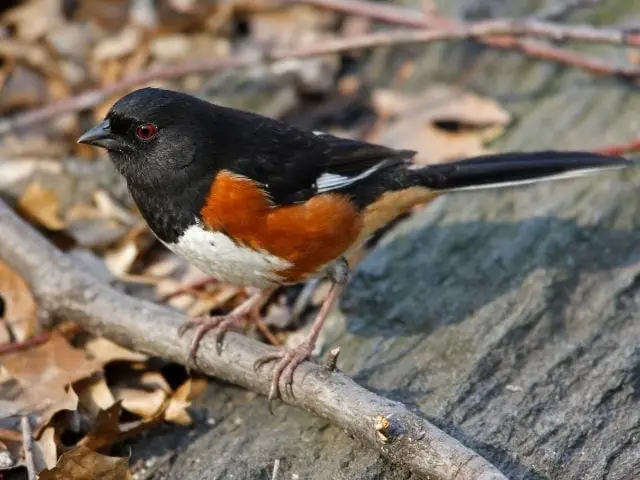
Eastern Towhee
Prothonotary Warbler
Northern Waterthrush
Spotted Sandpiper
Great Northern Diver
Slavonian Grebe
The South Carolina State Parks has really good details about what might be seen here.
Conestee Nature Preserve
Nestled just a few miles south of downtown Greenville in the Upstate region of South Carolina, Conestee Nature Preserve is an easily accessible urban oasis and a critical ecological hotspot. The preserve's geography is defined by the three-mile stretch of the Reedy River that flows through it, creating a vast 400-acre landscape primarily composed of extensive wetlands, bottomland hardwood forest, and evergreen forest.
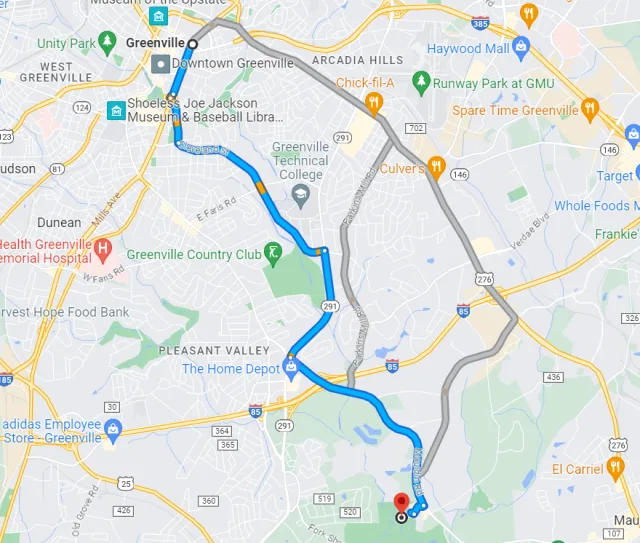
The area was historically the site of a mill pond, and the silted-in bed of the former Lake Conestee now contributes to the mosaic of habitats, including shallow sloughs and open-water bays that draw diverse wildlife. This blend of riparian and forested environments, combined with over 13 miles of well-maintained trails and boardwalks, allows for immersive exploration into a rich, easily navigable wilderness area.
For birdwatchers, Conestee Nature Preserve is nothing short of a spectacular find, evidenced by its designation as an Important Bird Area (IBA) of Global Significance by the National Audubon Society. The diverse habitats attract an astonishing variety of avian life, with a checklist of over 220 species recorded within its boundaries—more than any other location in Greenville County.
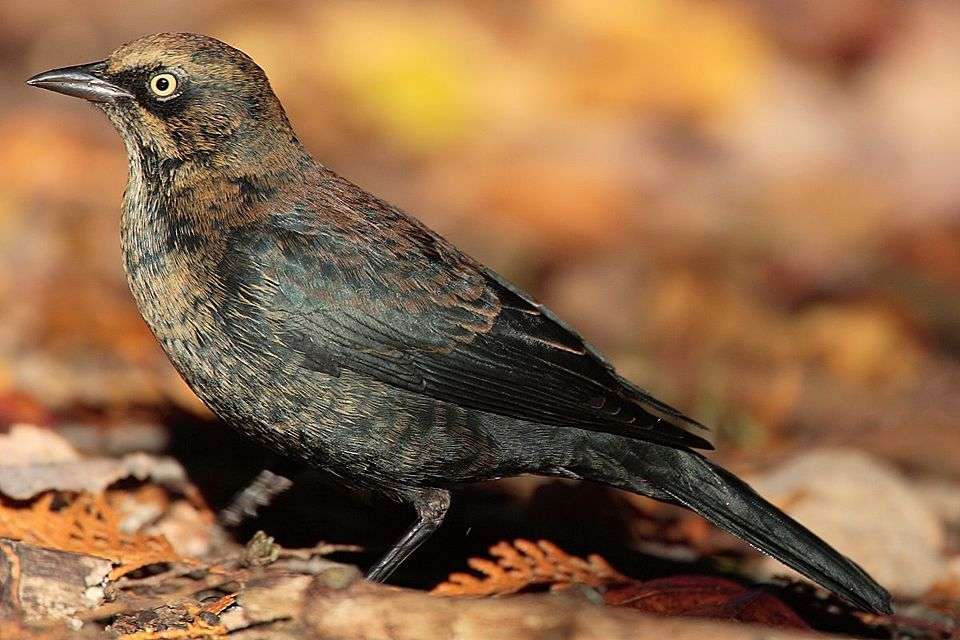
Birding opportunities are excellent year-round, with highlights including numerous waterfowl and migrating shorebirds like Wilson's Snipe and various sandpipers utilizing the wetlands. However, the preserve is particularly renowned as the wintering ground for a significant population of the Rusty Blackbird, a global species of conservation concern. Come spring and summer, the forests and cypress-tupelo swamps become a chorus of activity, offering reliable sightings of colorful breeding residents such as the Prothonotary Warbler.
Target Birds
Red-shouldered Hawk
Brown-headed Nuthatch
Red-headed Woodpecker
Summer Tanager
Northern Parula
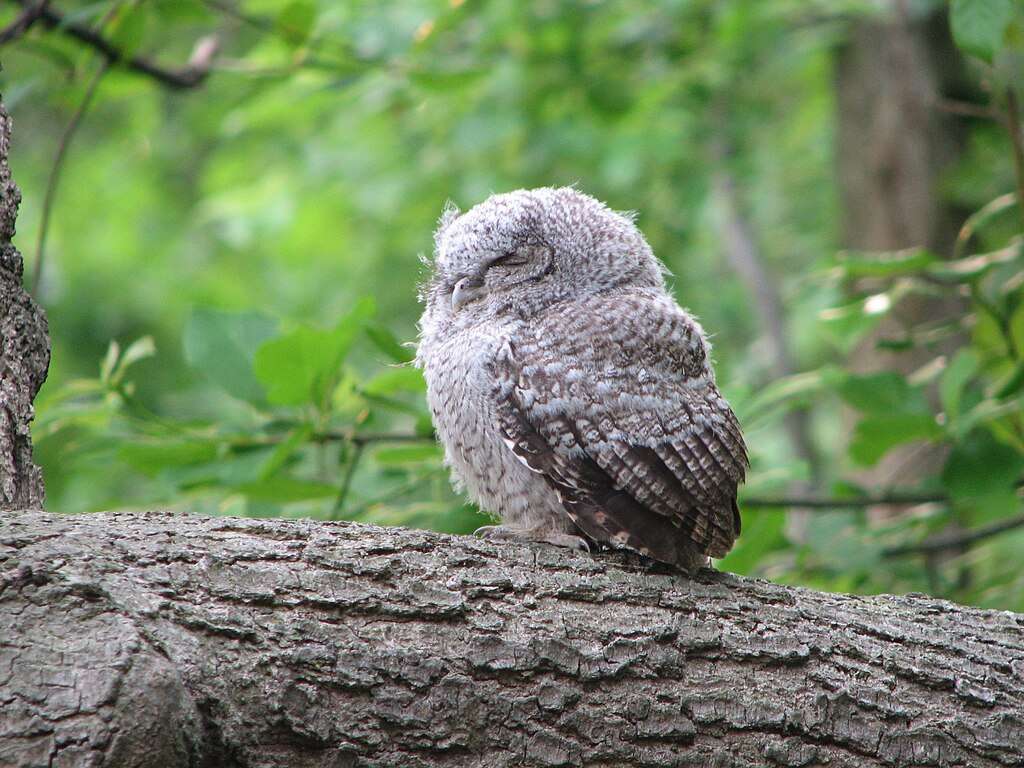
Eastern Screech-Owl
Grasshopper Sparrow
The Conestee Nature Preserve has really nice details about the area and their efforts to protect it.
Silver Bluff Audubon Center & Sanctuary
Tucked away on the South Carolina side of the Savannah River, the Silver Bluff Audubon Center & Sanctuary encompasses 3,400 acres in Jackson, Aiken County, making it a critical hub for bird life in the midlands region.
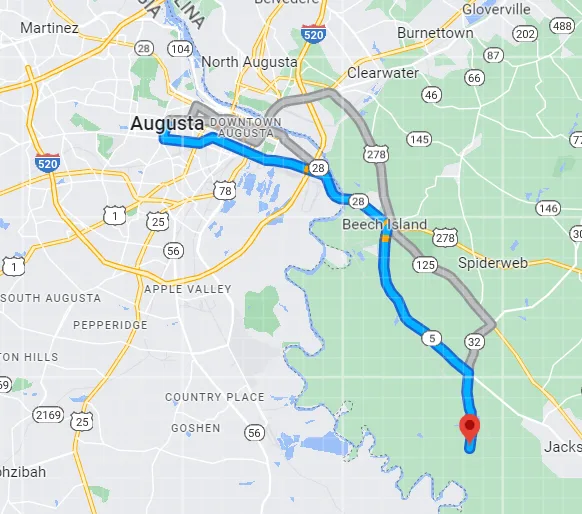
The sanctuary’s geography is a bird-watcher's dream, featuring a dynamic tapestry of habitats characteristic of the upper Coastal Plain, including upland pine forests (some managed as longleaf wiregrass savannah), bottomland hardwoods along 2.6 miles of river frontage, and vital wetland areas like Kathwood Ponds. This mix of forests, fields, lakes, and streams provides cover, food, and breeding sites for a remarkable number of species, with a bird list exceeding 220 different types.
Bird watching at Silver Bluff is a rewarding experience year-round due to its strategic location and diverse resources. In late summer and early fall, the managed Kathwood Ponds are the major draw, acting as a crucial feeding site for hundreds of Wood Storks and a variety of other wading birds, herons, and shorebirds.
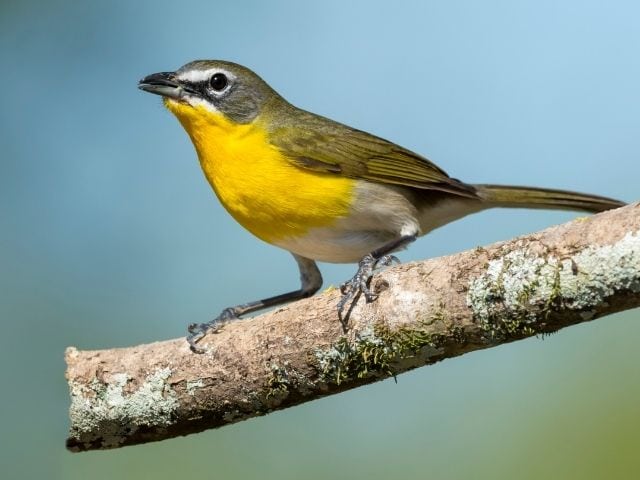
Beyond the waders, the sanctuary’s commitment to varied habitats supports species like the Bachman's Sparrow in the restored longleaf pine areas and a reliable resident population of Bald Eagles, whose nest is visible in winter. Migratory periods in spring and fall offer excellent opportunities to see numerous warbler species along the forested trails, while summer brings nesting songbirds like the Painted Bunting, Yellow-breasted Chat, and Prothonotary Warbler to the swampy edges.
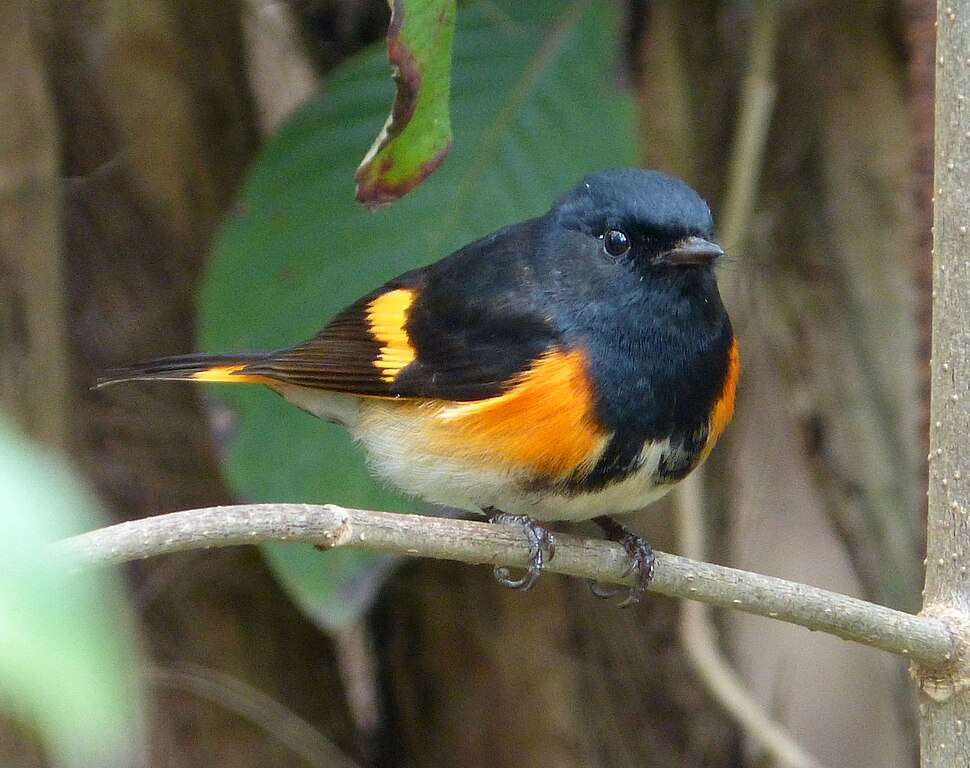
Target Birds
Northern Bobwhite
Indigo Bunting
American Redstart
Hooded and Swainson's Warbler
Loggerhead Shrike
Bachman's Sparrow
Golden-crowned Kinglet
The National Audubon Society has, of course, a webpage for the sanctuary with lots of relevant details on it.
Bluff Unit NWR
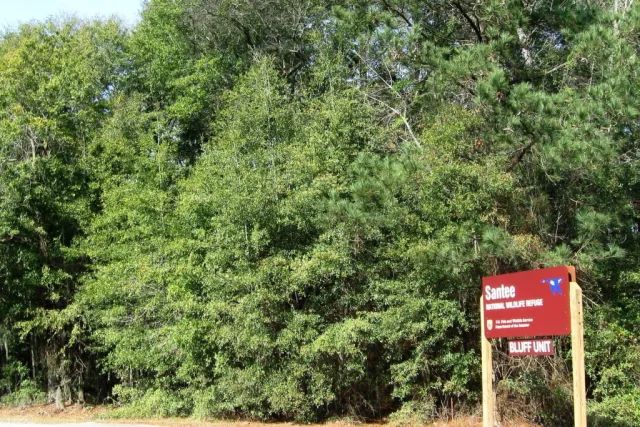
The Bluff Unit is one of the four distinct sections of the Santee National Wildlife Refuge (NWR), centrally located along the northern shore of Lake Marion in Clarendon County, South Carolina. Geographically, it sits within the Atlantic Coastal Plain province, characterized by a mix of upland forests, managed croplands, and shoreline wetlands bordering the lake, the state's largest.
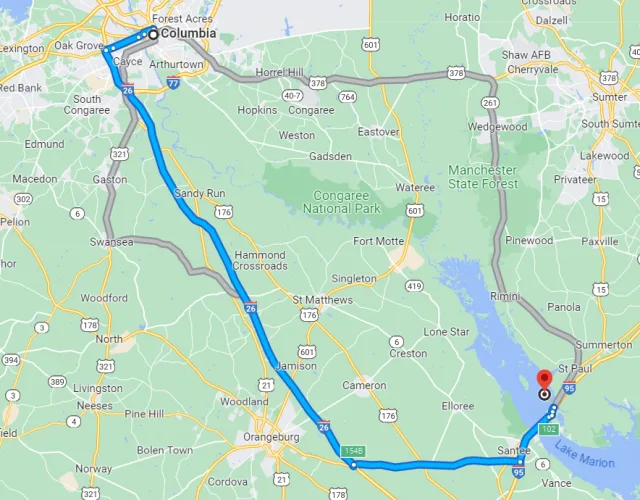
The unit is perhaps the most accessible for visitors, as it hosts the Santee NWR Visitor Center and the historical Santee Indian Mound/Fort Watson site. Its prominent location overlooking Cantey Bay and the extensive lake system provides crucial habitat diversity that drives its significant birdlife, making it an excellent starting point for any birding excursion in the region.
Birdwatching at the Bluff Unit is particularly rewarding, especially during the fall and winter months when the area becomes a major wintering ground for migratory waterfowl. Species like Canada Geese, various dabbling ducks (such as Wood Duck, Mallard, and Green-winged Teal), and diving ducks are commonly seen resting and feeding in Cantey Bay.
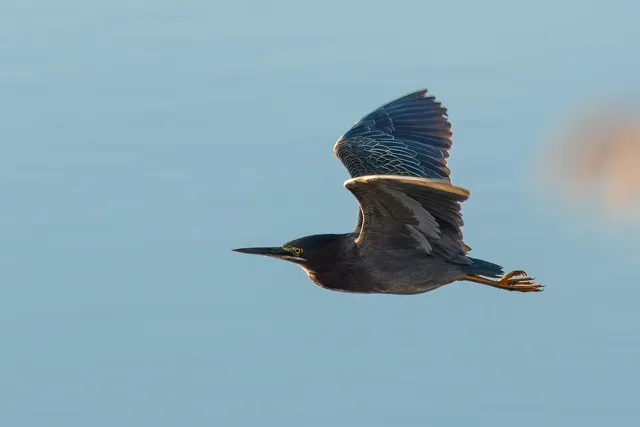
The unit's flagship trail, the Wright's Bluff Nature Trail, offers access to various observation points, including a goose observation tower that overlooks the managed fields. Along this trail, birders can spot numerous songbirds in the mixed pine and hardwood forests, and observe wading birds like Great Blue Herons and Great Egrets along the shoreline. With nearly 300 bird species recorded across the entire Santee NWR, the Bluff Unit provides a reliable introduction to the refuge's rich avian tapestry, including resident raptors like the Bald Eagle and various seasonal visitors.

Target Birds
Barred Owl
Ring-necked Duck
Green Heron
Acadian Flycatcher
Common Nighthawk
Black-bellied Whistling Duck
- King Rail
The Discover South Carolina has details about the area and the Visitor Center.
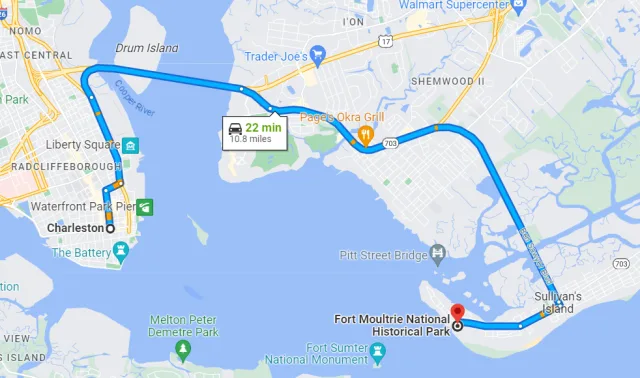
Ft. Moultrie National Monument
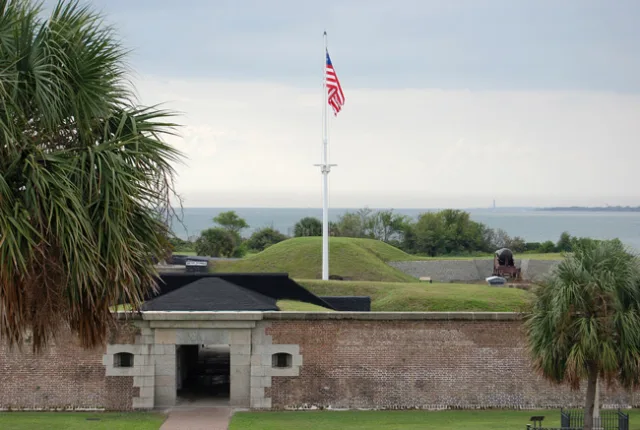
Located on the western tip of Sullivan's Island, Fort Moultrie National Monument—part of the larger Fort Sumter and Fort Moultrie National Historical Park—occupies a strategically and ecologically rich position guarding the entrance to Charleston Harbor. The fort's geography is defined by its coastal location, directly abutting the Atlantic Ocean and the mouth of the harbor.
The area encompasses not only the historic military structures but also adjacent park lands featuring a mix of habitats typical of the South Carolina Lowcountry barrier islands. This includes sandy beaches, protective dunes, salt marsh creeks, and maritime scrub/forest edges, which collectively create a haven for both resident and migratory birds.
Birdwatching at Fort Moultrie is an exceptional experience due to the confluence of coastal and mainland avian life, evidenced by its high ranking on eBird for total species observed. The juxtaposition of habitats makes it a prime location for diverse sightings throughout the year.
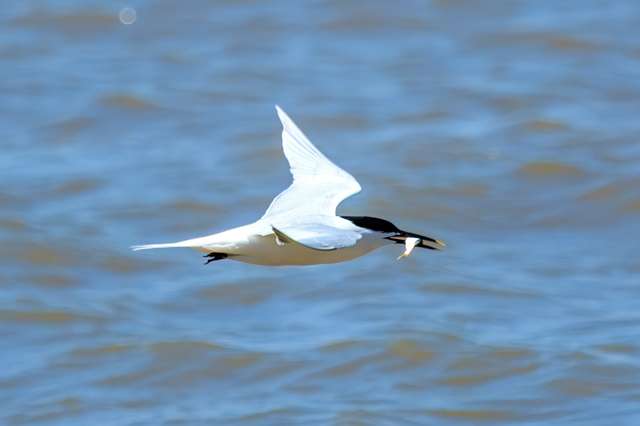
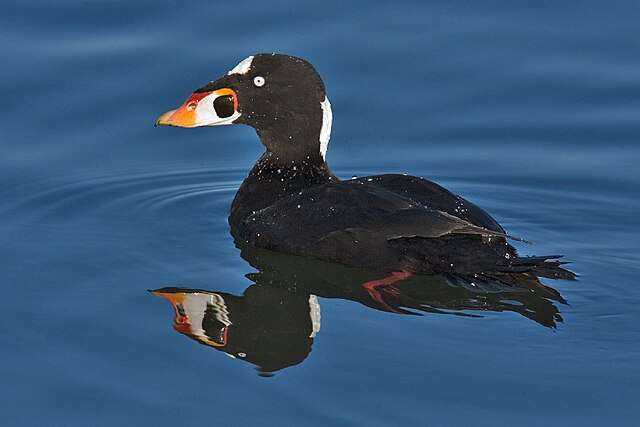
Along the beachfront and harbor entrance, birders can expect to see seabirds and shorebirds like various gulls, terns, and sandpipers, as well as wintering waterfowl such as scoters and loons. Inland, the scrubby thickets and fields offer critical stopover habitat during the spring and fall migrations, drawing in warblers, vireos, and thrushes. The adjacent salt marsh and the dock area are reliable spots to observe wading birds like herons and egrets, making the fort's grounds an excellent, easily accessible coastal birding hotspot.
Target Birds
Brown Pelican
Sandwich Tern
Cooper's Hawk
Sanderling
Wilson's Storm Petrel
Surf Scoter
Chuck-will's-widow
- Clapper Rail
The Carolina Bird Club has good information about the best spots here to see birds.
Wrapping Up
Ultimately, South Carolina presents a remarkably diverse birding landscape that extends far beyond its well-known coastal gems. The state offers varied and rich habitats, from the maritime ecosystems of the Lowcountry to the freshwater inland reservoirs and forests. Locations like Dreher Island State Park on Lake Murray provide excellent opportunities to observe large numbers of wintering loons and grebes, as well as the impressive late-summer roost of hundreds of thousands of Purple Martins—a spectacle unique to the state's lake systems.
Meanwhile, the Bluff Unit of Santee National Wildlife Refuge, with its managed impoundments, nature trails, and observation tower, stands out as a premier inland destination for viewing migratory waterfowl and a host of neo-tropical songbirds, including the brilliantly colored Painted Bunting. This habitat diversity ensures that regardless of the season or a birder's preference for coastal shorebirds or inland forest species, South Carolina is a comprehensive and rewarding destination for anyone seeking to connect with the avian world.
