
In the high-stakes world of avian conservation, few names carry as much weight as Sophie A. H. Osborn. While the history of birding often spotlights the naturalists of the 19th century, Osborn represents the modern vanguard—a scientist, field biologist, and gifted writer who has spent her career in the trenches of the American West, working to pull species back from the literal edge of disappearing forever.
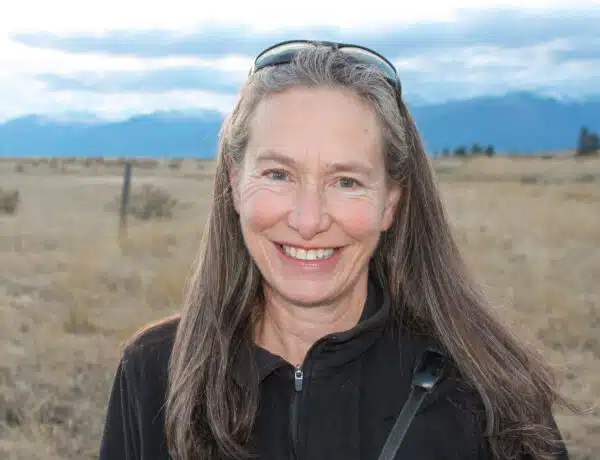
For those who follow the "comeback stories" of the bird world, Osborn is a central figure. Her work transcends simple observation; it is a testament to the grueling, hands-on labor required to keep our skies populated with some of the continent's most majestic and imperiled creatures.
The Condor’s Shadow: Restoring a Giant
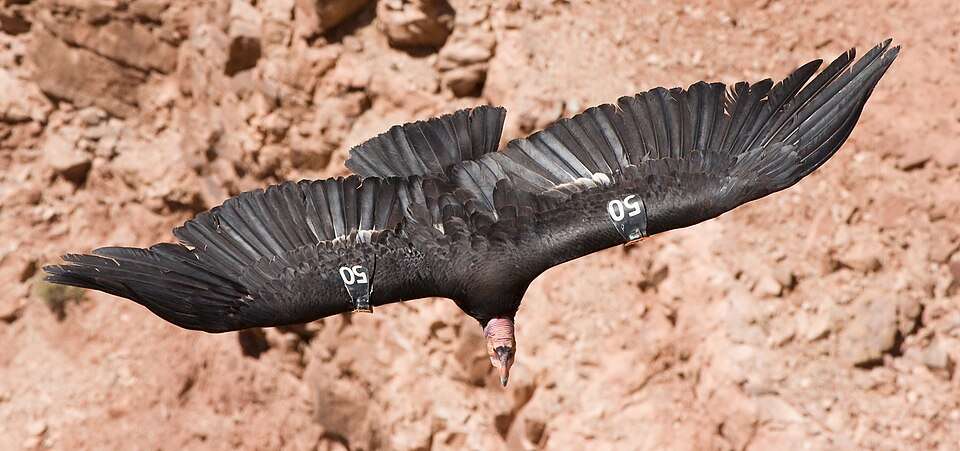
Osborn is perhaps best known for her pivotal role in the California Condor recovery program. During the late 1990s and early 2000s, she served as the field manager for the Peregrine Fund’s condor restoration effort in Arizona. This was a time when the species' survival was far from guaranteed.
In her acclaimed writing, Osborn describes the sheer scale of the condor—a bird with a nearly ten-foot wingspan—and the prehistoric aura they bring to the cliffs of the Grand Canyon. She wasn't just watching them through a scope; she was scaling cliffs to check nests, tracking birds via radio telemetry through brutal desert heat, and managing the heartbreaking reality of lead poisoning, which remains the primary threat to these scavengers. Through her eyes, the California Condor isn't just a biological curiosity; it is a resilient survivor that requires human intervention to navigate a modern world filled with toxic ammunition fragments and micro-trash.
The Mountain Bluebird and the "Bluebird Effect"

Before her work with the giants of the sky, Osborn’s heart belonged to a much smaller, though no less charismatic, species: the Mountain Bluebird. Her book, The Bluebird Effect: Uncommon Confessions of a Backyard Biologist, serves as a bridge between the rigorous world of field science and the emotional connection many birders feel toward their local species.
She spent years studying the social lives and breeding habits of bluebirds in the Rockies. She meticulously documented the challenges faced by the Western Bluebird and the Eastern Bluebird, but it was the sky-blue plumage of the Mountain Bluebird that captured her imagination. She wrote about their "hover-hunting" techniques—a unique behavior where they pause mid-air to scan for insects—and the fierce competition they face for nesting cavities from invasive species like the European Starling and the House Sparrow.
Advocacy for the Underdog

Osborn’s expertise extends to a wide array of species that often fly under the radar of the general public. She has done extensive work with the Hawaiian Crow (Alala), a species that is currently extinct in the wild and survives only in captive breeding facilities. Her efforts highlighted the complex social intelligence of these corvids and the tragic loss of cultural knowledge within bird populations when they are removed from their native forests.
Closer to home, she has been a vocal advocate for the Burrowing Owl. These tiny, ground-dwelling raptors are a symbol of the shrinking American prairie. Osborn has documented their unique habit of taking over abandoned prairie dog burrows and their peculiar "hissing" mimicry used to ward off predators. Her work reminds us that conservation isn't just about the "glamour" species like eagles; it’s about the Loggerhead Shrike and the Sage Thrasher—the birds that define the health of our western sagebrush seas.
The Intersection of Science and Storytelling
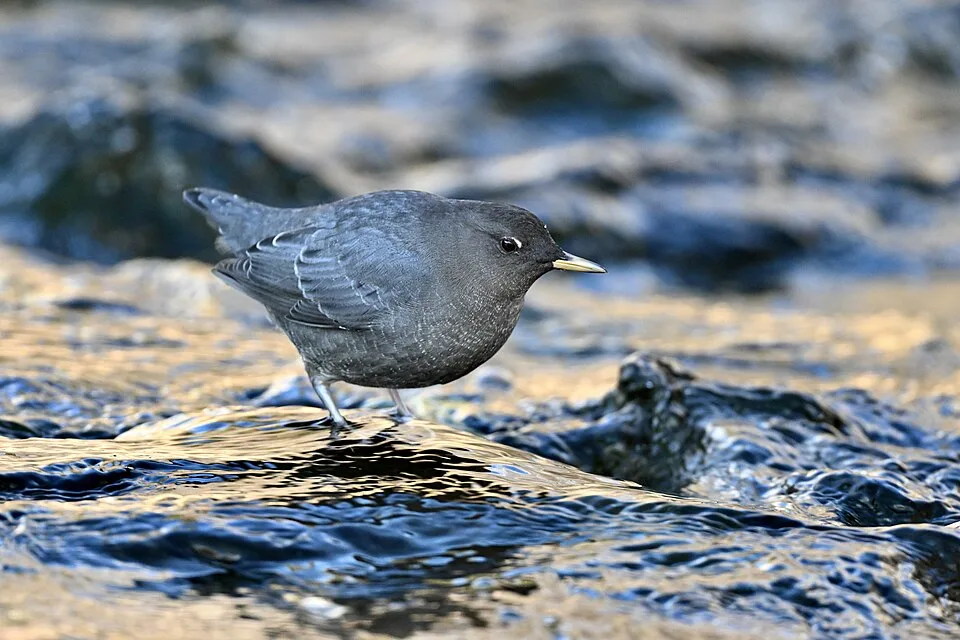
What makes Sophie Osborn a true hero in the birding community is her ability to translate data into empathy. In a world where scientific papers can feel cold and detached, Osborn writes with a sense of wonder. She describes the American Dipper—North America’s only truly aquatic songbird—not just as a specimen, but as a "water ouzel" that braves freezing mountain streams to hunt for larvae, its white eyelids blinking against the spray.
She brings the same level of detail to the Peregrine Falcon. Having worked in falcon recovery, she captures the visceral thrill of watching a Peregrine stoop at speeds exceeding 200 miles per hour. She connects the recovery of the falcon—once nearly wiped out by DDT—to the ongoing struggles of the Northern Goshawk and the Mexican Spotted Owl, creating a narrative of hope and caution.
A Legacy of Resilience

Today, Sophie Osborn continues to influence the next generation of biologists and birders. Her life’s work highlights several key species that serve as benchmarks for conservation success:
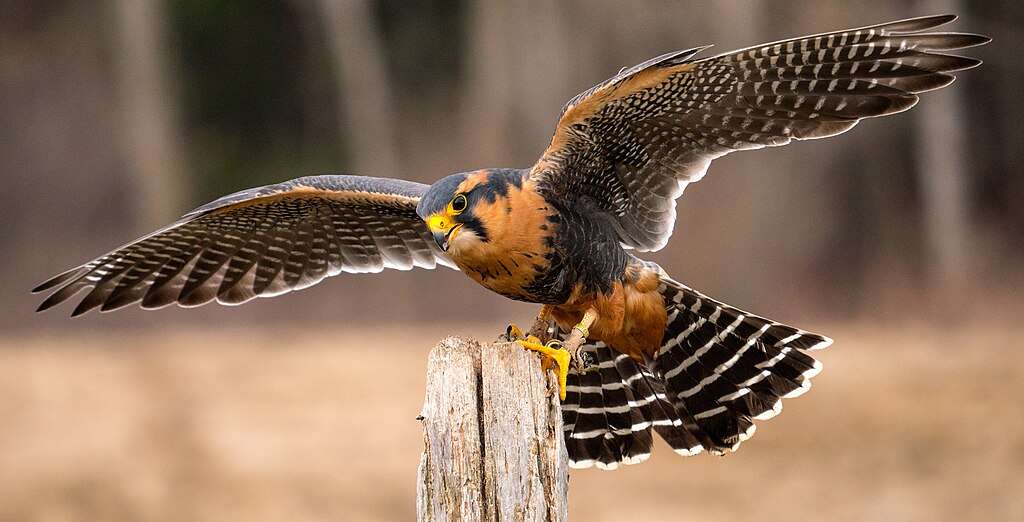
The Aplomado Falcon: A sleek, colorful raptor that Osborn helped reintroduce to the grasslands of South Texas.
The Willow Flycatcher: A bird whose survival is inextricably linked to the health of our riparian corridors, a habitat Osborn has fought to protect.
The Clark’s Nutcracker: A bird that plays a vital role in forest regeneration by caching whitebark pine seeds—a symbiotic relationship Osborn has highlighted as a marvel of evolution.
The Greater Sage-Grouse: A bird whose elaborate "lekking" displays are at risk due to habitat fragmentation, a cause Osborn champions through her advocacy.
Sophie A. H. Osborn reminds us that birding is more than a list of sightings; it is an act of witness. Whether she is discussing the plight of the Piping Plover on a crowded beach or the triumph of a condor chick fledging in the wild, she speaks for those who cannot. She is a hero because she understands that the survival of the Golden Eagle or the Lewis’s Woodpecker is not just about biology—it is about our own humanity and our willingness to make space for the wild.

The next time you see a Western Tanager flash like a flame through the pines, or hear the lonely cry of a Long-billed Curlew over the plains, remember the work of Sophie Osborn. She is one of the reasons those moments still exist.
