
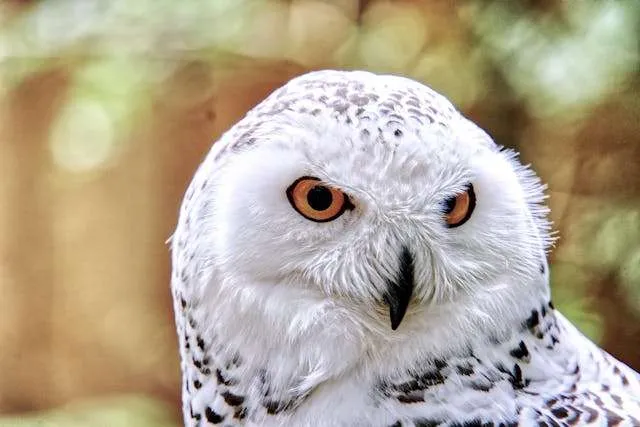
The Snowy Owl, a magnificent and powerful predator of the Arctic, is a bird that captures the imagination like few others. Its stark white plumage, piercing yellow eyes, and imposing presence make it a breathtaking sight against a winter landscape. While the Snowy Owl is a resident of the far north, its occasional southward journeys into the United States create a sense of wonder and excitement among birders and casual observers alike.
These southward movements, known as irruptions, are a fascinating ecological phenomenon that offers a unique window into the life cycle and survival strategies of this remarkable bird. The story of the Snowy Owl is one of adaptation to extreme environments, a relentless pursuit of prey, and a reminder of the intricate ecological connections that link the frozen tundra to the lower 48 states.
The Snowy Owl's Arctic Home and Characteristics
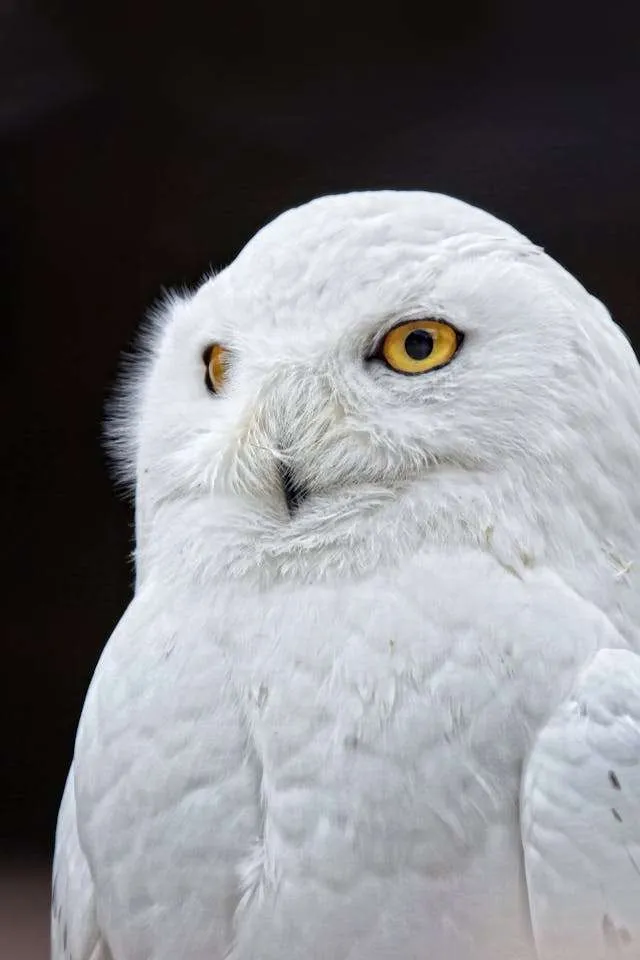
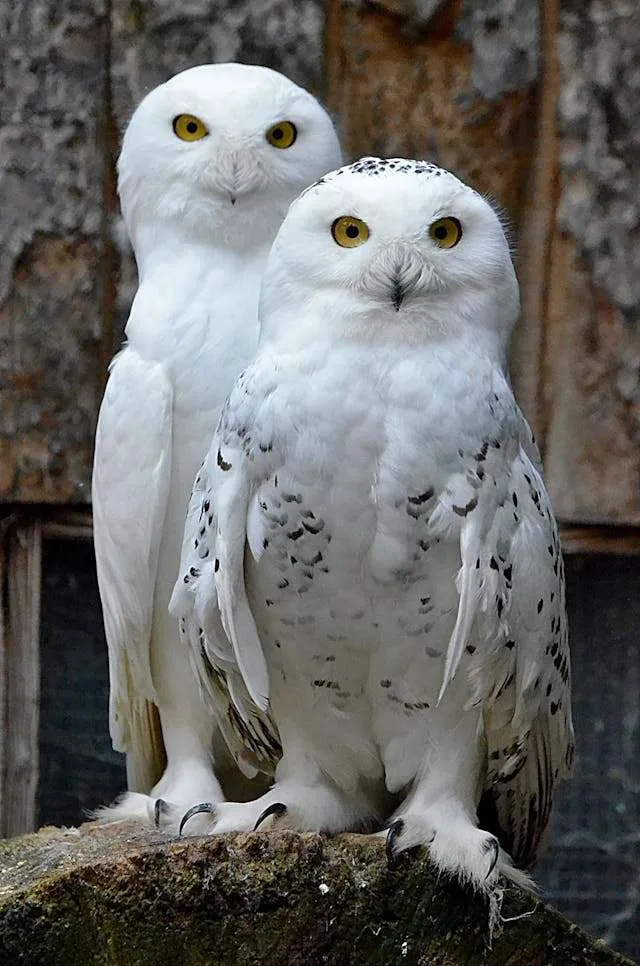
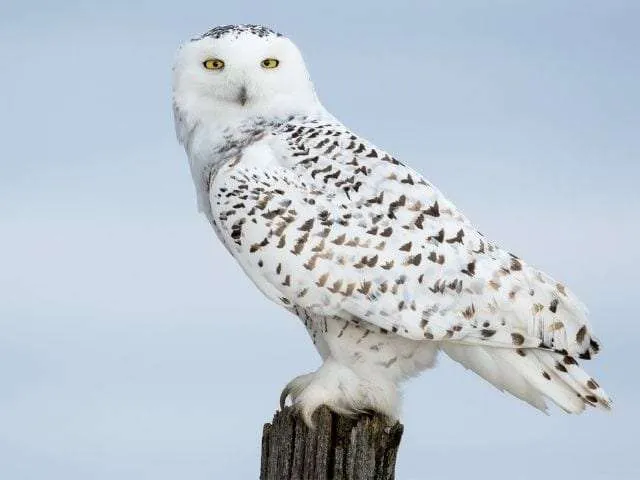
The Snowy Owl (Bubo scandiacus) is a circumpolar species, meaning it is found in the northernmost regions of the globe. Its breeding range extends across the Arctic tundras of North America, Europe, and Asia. Unlike most other owls, the Snowy Owl is diurnal, or active during the day, a necessary adaptation for hunting in a land where the sun can shine for 24 hours during the summer. Its physical characteristics are a testament to its adaptation to a cold, treeless environment. The dense, layered plumage not only provides insulation against frigid temperatures but also helps to camouflage the bird against snow-covered landscapes. Male Snowy Owls are almost pure white, while females and younger birds have more extensive dark barring, which helps them blend into the mottled Arctic tundra.
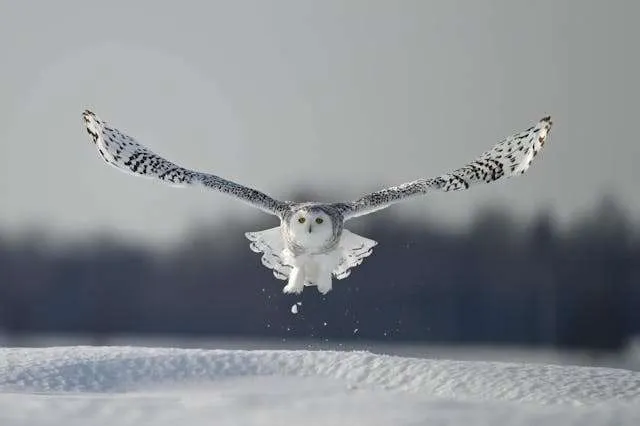
With a wingspan of up to five feet and a weight that can reach over six pounds, the Snowy Owl is one of the largest owl species in North America. Its large size and powerful talons are essential for hunting its primary prey: the lemming. The lemming, a small rodent, is the cornerstone of the Snowy Owl's diet and a critical factor in its population dynamics.
When lemming populations are high, Snowy Owls have a bountiful food supply, allowing them to successfully raise large broods of chicks. When lemming populations crash, however, the owls are forced to seek food elsewhere.
Range and the Mystery of Irruptions
The Snowy Owl's regular winter range typically extends into southern Canada, with some individuals making it as far south as the northern U.S. states. However, every few years, birders and researchers observe a dramatic and unpredictable phenomenon: a large-scale southward movement of Snowy Owls, a journey that can take them as far south as Florida and even Bermuda. This event is known as an irruption.
What causes these spectacular irruptions? The primary driver is a fluctuation in the Snowy Owl's food source, specifically the lemming population. In years when lemming populations boom in the Arctic, Snowy Owls experience a highly successful breeding season, producing a large number of young owls. This surge in population leads to an increased demand for food. The following winter, when the lemming population inevitably crashes, there simply isn't enough food to support the large number of young, inexperienced owls. These young birds, driven by hunger, are forced to disperse south in search of food.
They become the pioneers of the irruption, venturing far beyond their normal winter range in a desperate quest for survival. It's a natural, cyclical event, a dramatic example of how a population responds to the availability of its food supply.
These irruptions are not a sign of a struggling population; rather, they are a sign of a successful breeding season in the Arctic. The sheer number of young birds forces a dispersal that can bring them into contact with humans in unexpected places. In an irruption year, birders across the U.S. might find themselves in a local field, on a beach, or even at an airport, marveling at the sight of a Snowy Owl.
Feeding Habits and Behavior in the Lower 48
When Snowy Owls irrupt into the United States, they adapt their hunting strategies to the available prey and environment. While lemmings are their staple in the Arctic, they are not readily available in the lower 48. Here, the owls' diet becomes more diverse. They are opportunistic hunters, preying on a variety of small to medium-sized mammals and birds. Their diet can include voles, mice, rats, rabbits, and even ducks and gulls. The owls are particularly attracted to open, treeless habitats that mimic the Arctic tundra, such as coastal dunes, open fields, and airport runways. These locations not only provide good visibility for hunting but also offer ideal perches and a lack of disturbance from larger predators.
Snowy Owls are patient hunters. They often sit for hours on a low perch—a fence post, a hay bale, or a dune—surveying the landscape for any sign of movement. Once they spot prey, they launch into a silent, powerful flight, swooping down with incredible speed and accuracy. Their excellent hearing and eyesight, combined with their powerful talons, make them formidable predators.
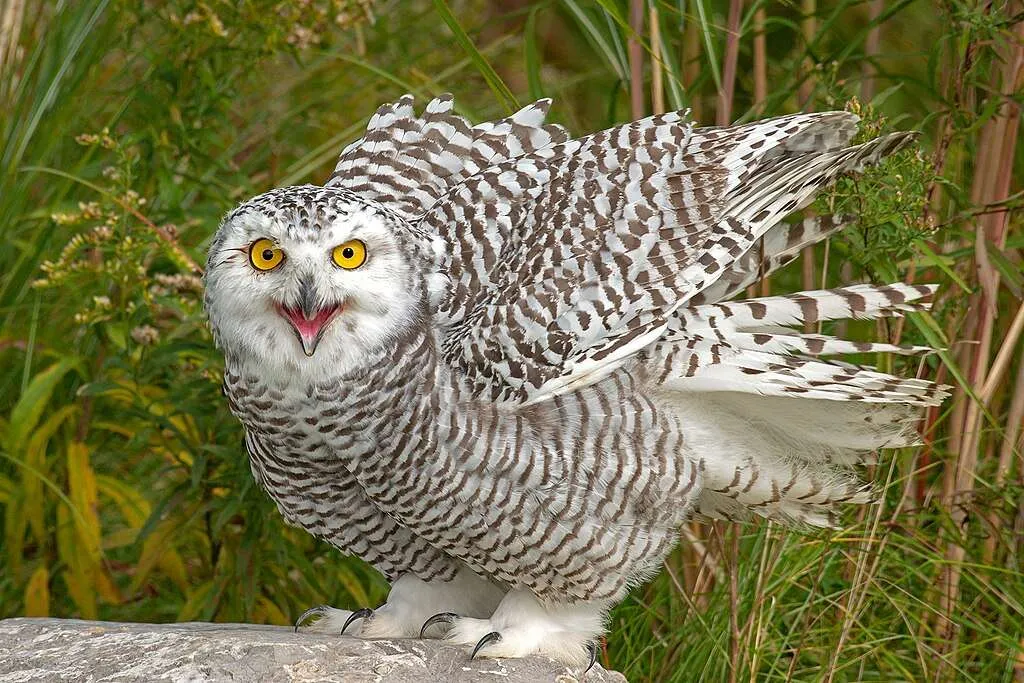
During an irruption, the behavior of these owls is a source of both fascination and concern. The owls, particularly the young birds, are often exhausted, stressed, and hungry from their long journey. They may be more tolerant of human presence than other owls, but this is a sign of their desperation, not tameness. As such, it is crucial for observers to maintain a respectful distance to avoid causing further stress to the birds. A disturbed owl will waste valuable energy that it needs to hunt and survive the winter.
The Significance of Irruptions for Conservation and Science
Snowy Owl irruptions are more than just a spectacle; they are a vital source of data for scientists and conservationists. Researchers use these irruptions to study the owls' movements, survival rates, and health. The data collected from banded birds and citizen science projects, like eBird, helps to provide a more comprehensive understanding of the species' population dynamics.
Irruptions also raise awareness about the species and its delicate Arctic ecosystem. The sudden appearance of a Snowy Owl in an urban park or a suburban field sparks a conversation about the natural world and the interconnectedness of global ecosystems. It serves as a reminder that the health of the Arctic, a region undergoing rapid climate change, has implications far beyond its frozen borders. The fate of the lemmings, the Snowy Owls, and countless other species are intertwined in a complex web of life.
Wrapping Up
The sight of a Snowy Owl in an irruption year is a rare and humbling experience. It is a fleeting glimpse of the wild, untamed Arctic, brought to our doorstep by a force of nature driven by the simple need for survival. As the owls eventually make their way back north in the spring, they leave behind a renewed appreciation for the resilience of nature and a deeper understanding of the ecological forces that shape our world. The story of the Snowy Owl is a powerful reminder that even in the most remote corners of the globe, life is a delicate balance, and its movements are a reflection of a larger, grander story.
Find out more about baby owls here.
