
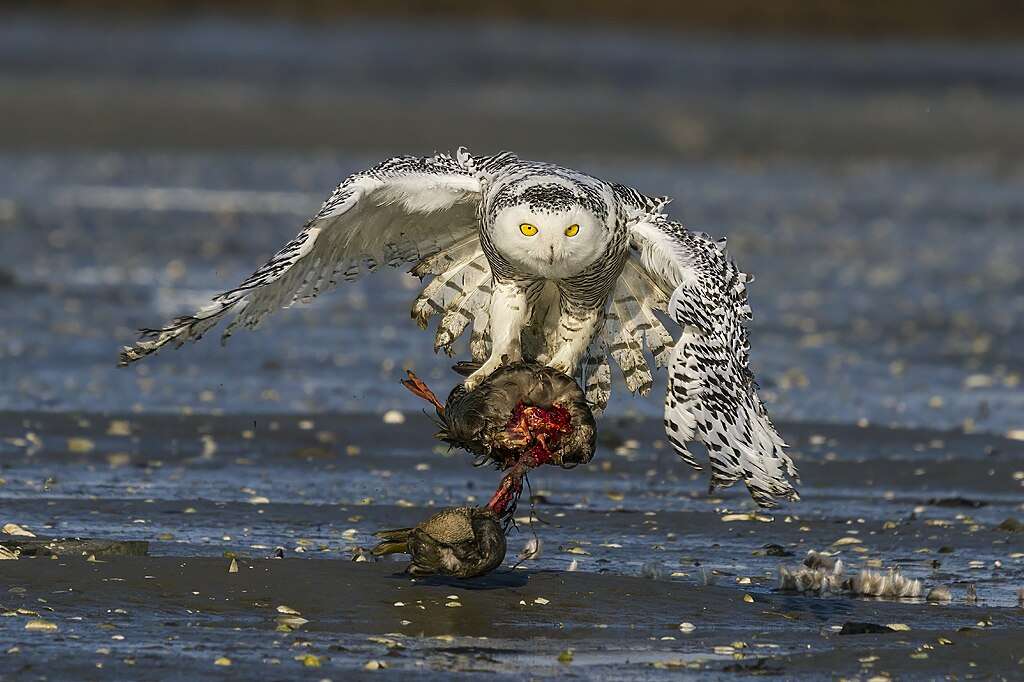
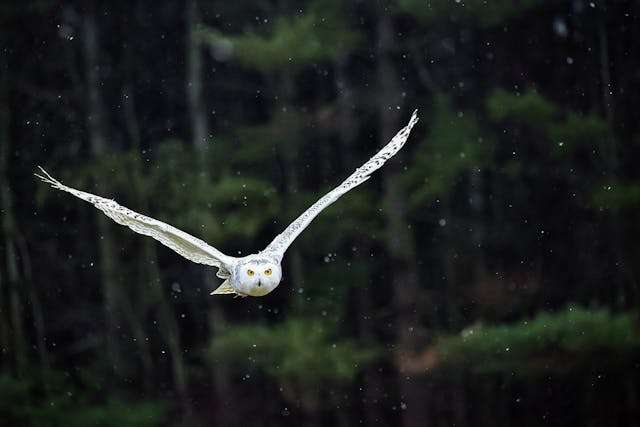
The arrival of the Snowy Owl (Bubo scandiacus) in the contiguous United States is one of the most anticipated events of the birding year. These magnificent creatures, instantly recognizable by their striking white plumage and intense yellow eyes, spend the majority of their lives hunting on the Arctic tundra. When they push south into the U.S.—an event known as an irruption—it offers a rare and thrilling opportunity for bird enthusiasts to witness a piece of the high Arctic wilderness.
These powerful owls, which are North America's heaviest owl species, don't migrate south every year. Their appearance is largely dictated by the availability of their primary prey, lemmings, on their breeding grounds. Following a particularly successful breeding season with an abundance of young owls and a subsequent crash in the lemming population, juvenile birds are forced to fly south in search of new hunting grounds. This makes locating them an unpredictable but deeply rewarding winter pursuit.
When they arrive, they seek out landscapes that mimic their treeless Arctic home: flat, open terrain with abundant low perches. This makes coastal dunes, agricultural fields, prairie grasslands, and airport perimeters their preferred winter haunts.
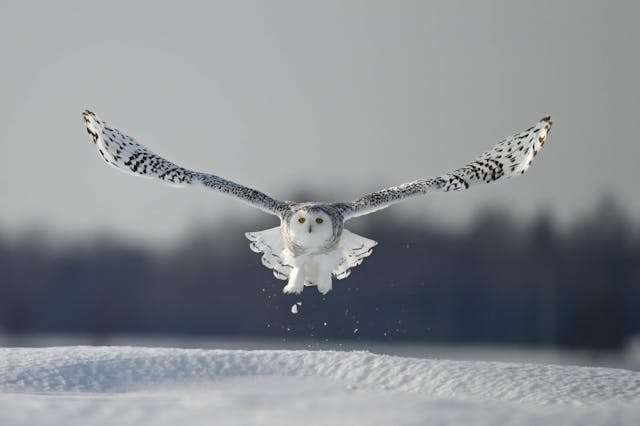
Understanding the Irruption: When and Why They Appear
The key to spotting a Snowy Owl is understanding the irruption cycle.
The Timing
Snowy Owls typically begin appearing in the northern tier of the U.S. (states bordering Canada) starting in late November and their presence usually peaks between January and February. They remain in the U.S. until the start of spring, generally departing back north in March, though some linger well into April.
The Dynamics of an Irruption
- Lekking and Lemmings: A large, widespread irruption—sometimes called a "mega-irruption"—is almost always preceded by a peak in the lemming population on the Arctic tundra. Abundant food means the owls can successfully raise large broods (sometimes 7 to 10 young).
- Juvenile Push: The following winter, the high population density and subsequent crash in lemming numbers force those young, inexperienced owls south to find food. Most of the birds seen in the U.S. during an irruption are these juvenile birds.
- Irregularity: While smaller numbers of Snowy Owls arrive every winter, large-scale, deep south movements happen only every four to seven years. Monitoring resources like eBird and dedicated owl tracking projects is essential for predicting a good viewing year.
Top U.S. Regions for Snowy Owl Sightings
While they can appear anywhere that offers treeless plains, certain regions are reliably better during irruption years.
1. The Great Lakes Region (The Heart of the Irruption)
The shores and open fields surrounding the Great Lakes are consistently the best place to find Snowy Owls. The vast, flat expanse of frozen lakes and bordering farmland perfectly mimics the tundra environment.
- Michigan and Wisconsin: Whitefish Point in Michigan and the agricultural lands near Horicon Marsh in Wisconsin are historically rich locations. The coastal fields along the western shore of Lake Michigan are reliable hunting grounds.
- New York and Ohio: The flat, agricultural fields bordering Lake Erie and Lake Ontario—especially the areas near Buffalo, NY, and the Lake Erie Islands—often host multiple birds. Look for them on telephone poles, silo tops, or even on the ground.
2. The Northeast Coast and Mid-Atlantic
The coastal plains and large, open wetlands of the Atlantic coast are prime hunting grounds for wintering Snowy Owls.
- Massachusetts (Plum Island/Salisbury Beach): The salt marshes, dunes, and barrier beaches in this area provide ideal, undisturbed habitat. Owls here often perch on fence posts or low dunes, watching for rodents and small shorebirds.
- New Jersey (Island Beach State Park): This long, undeveloped barrier island offers expansive dunes and beachfront, creating a perfect tundra analogue. Owls are frequently spotted perched right on the sand.
- Delaware and Virginia: Coastal areas like Bombay Hook National Wildlife Refuge (DE) and Back Bay National Wildlife Refuge (VA) occasionally report Snowy Owls, especially in years when the irruption pushes far south.
3. The Great Plains and Midwest
The vast, open prairies and agricultural lands of the central U.S. offer a perfect substitute for the Arctic steppe.
- The Dakotas and Minnesota: Large, flat cornfields, harvested prairie, and major airport areas (where security keeps the area treeless and open) are common spots. The wide-open space allows owls to hunt efficiently.
- Illinois and Indiana: Look for them in large, open grasslands, especially former strip-mine areas or airport peripheries like those near Chicago or Indianapolis, where they use high spots for surveillance.
How to Spot a Snowy Owl: Tips and Techniques
Locating a Snowy Owl requires patience, warm gear, and a specific search strategy.
1. Focus on the Landscape, Not Just the Bird
Think like the owl. They need:
- Flat, Treeless Areas: Beaches, breakwaters, jetties, airports, large fields, and open prairie.
- Low Perches: Telephone poles, fence posts, hay bales, utility boxes, or small rises in the ground (dune crests or snow drifts). Look for the white lump on the horizon.
2. Time of Day and Distance
Unlike most owls, the Snowy Owl is primarily diurnal (active during the day), though it hunts most intensely at dawn and dusk. Midday offers the best light for spotting their unmistakable white form against a contrasting winter backdrop.
- Scan Systematically: Use binoculars or a spotting scope to slowly scan every utility pole, fence post, and roofline in a flat field. Their coloration, while camouflaging them against the snow, makes them stand out against bare earth or a dark building.
- Distance is Key: Owls are often visible from hundreds of yards away. Do not rely on spotting them close up, as this is often too late.

3. The Sex and Age Clues
Once you spot one, you can determine its sex and approximate age:
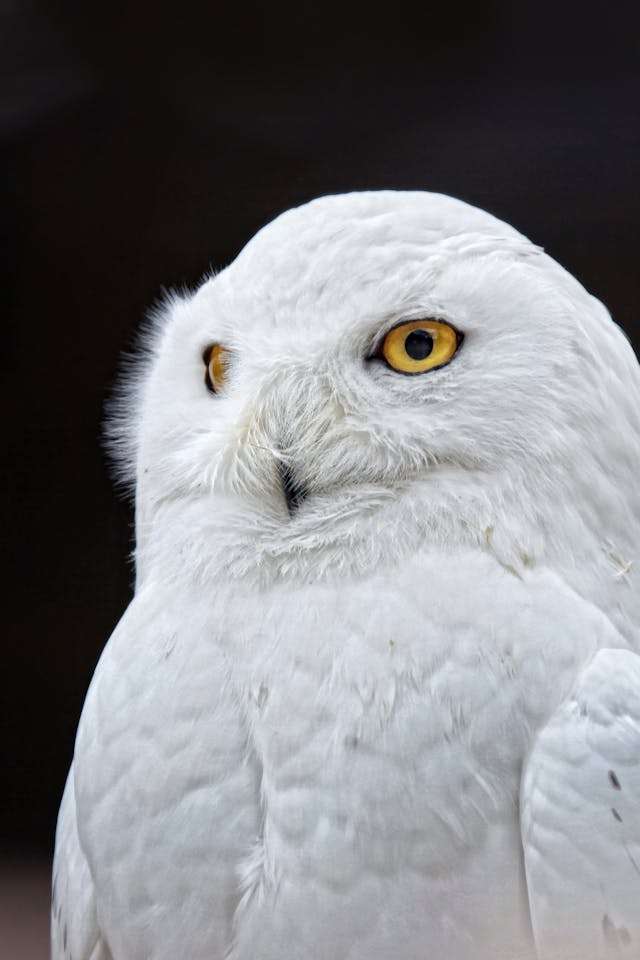
- White is Male/Older: Adult males are almost pure white.
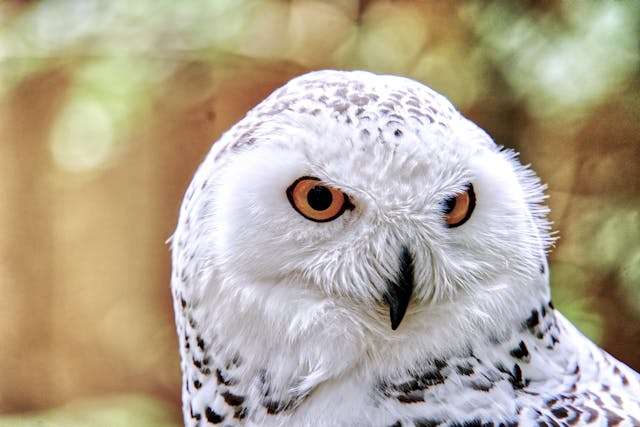
- Heavy Barring is Female/Younger: Females and juvenile owls are heavily barred and mottled with dark brown or black feathers. The younger the bird, the heavier the barring. Most birds seen in the U.S. will have some degree of dark barring.
Ethical Birding: Prioritizing the Owl's Survival
The intense desire to see a Snowy Owl must be tempered by a commitment to the bird's well-being. These are hungry, stressed animals that have traveled vast distances. Ethical viewing is paramount.
The Do Not Disturb Rule
The number one rule is do not cause the bird to fly or flush. Every unnecessary flight burns critical energy reserves that the owl needs to survive the winter.
- Maintain Distance: Stay in your car whenever possible (the car acts as a blind). Use a telephoto lens or scope from at least 100 yards (or meters) away. If the owl changes its posture, stares at you, or appears agitated, you are too close.
- No Feeding or Baiting: Never attempt to feed the owls or place bait (such as mice) to lure them closer. This is illegal in many areas and acclimates the bird to human presence, putting it at greater risk.

Snowy Owl - Respect Private Property: Never trespass onto fields or private land to get a better view. Observe from the roadside or designated public viewing areas.

By respecting their space and understanding their unique needs, birders can ensure that the Snowy Owls that visit the U.S. have the best chance of surviving the winter and returning to the Arctic to breed, keeping the magic of the irruption alive for years to come.
