
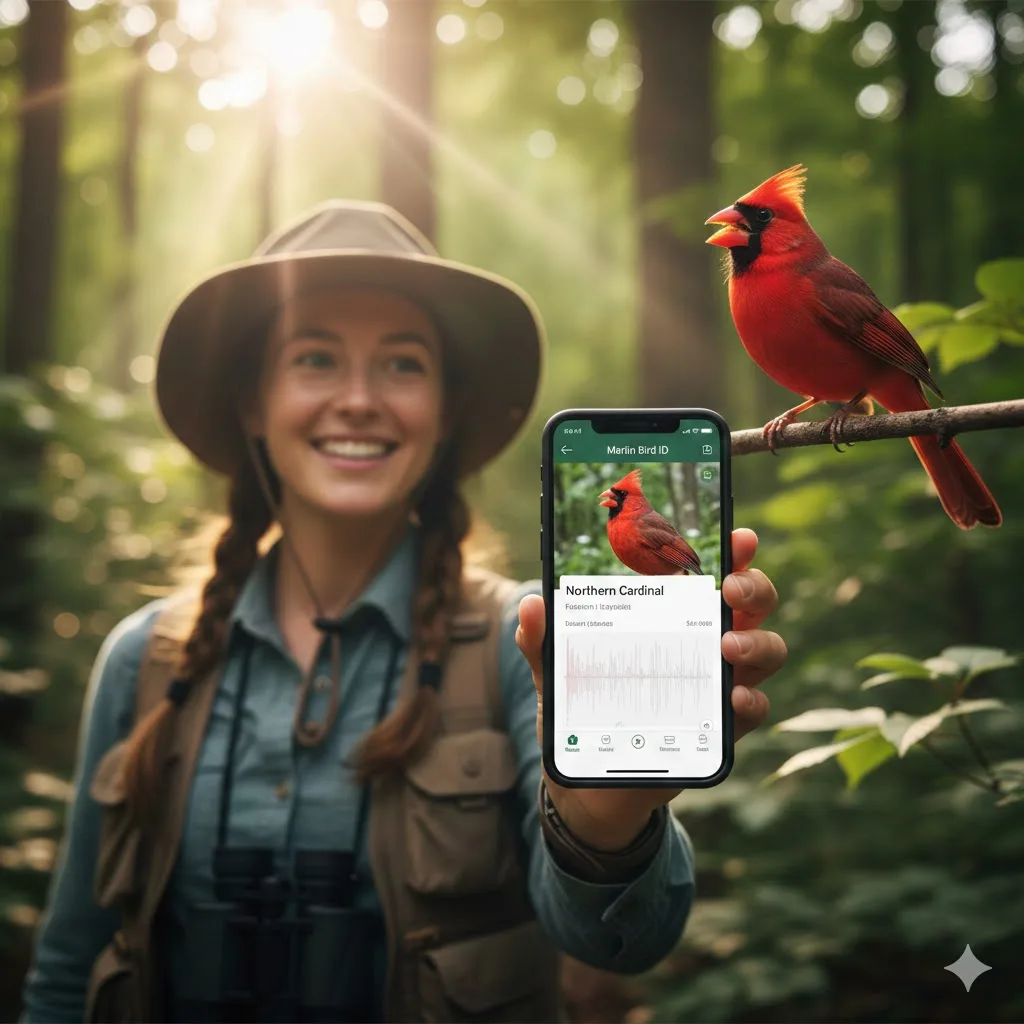
For centuries, birdwatching has been a pursuit of patience, keen observation, and often, hefty field guides filled with intricate illustrations and dense descriptions. The satisfying "aha!" moment of identifying a new species, however, was frequently preceded by head-scratching, frantic page-flipping, or the quiet frustration of a feathered friend vanishing before a positive ID could be made. Today, that entire paradigm is shifting, dramatically and rapidly, thanks to the quiet revolution happening in our pockets. Your smartphone, once a mere communication device, has become an indispensable birding guru, empowered by cutting-edge artificial intelligence.
The transformation isn't just incremental; it’s exponential. AI-powered bird identification apps are democratizing ornithology, making it accessible to seasoned pros and curious novices alike. They’re bridging the knowledge gap, turning fleeting glimpses and unfamiliar chirps into verifiable identifications with astonishing accuracy.
The Magic Behind the Algorithms: How AI Learns to Bird

At the heart of these revolutionary apps lies sophisticated AI, primarily in the form of machine learning algorithms. These algorithms are trained on vast datasets containing millions of images and thousands of hours of audio recordings of birds from across the globe.
Visual Recognition: For image-based identification, the AI analyzes various features:
Plumage Patterns: Color combinations, streaks, spots, and bars.
Body Shape and Size: Distinctive silhouettes, bill shapes, and tail lengths.
Behavioral Cues: Even subtle stances or actions can contribute to the identification process. The AI isn't simply matching a photo; it's learning the complex interplay of these features, much like an experienced birder does, but at an incredibly accelerated pace.
Auditory Recognition (Sound ID): This is perhaps the most impressive feat. AI processes sound clips by:
Spectrogram Analysis: Converting audio into visual representations (spectrograms) where frequency, amplitude, and time are plotted. This allows the AI to "see" the unique patterns of bird songs and calls.
Pattern Matching: Identifying specific melodies, trills, chirps, and unique vocal signatures associated with different species, even amidst background noise like wind, traffic, or other birds. This ability to decipher the intricate symphony of the natural world is a game-changer, allowing for identification when a bird is heard but not seen, or when multiple species are vocalizing simultaneously.
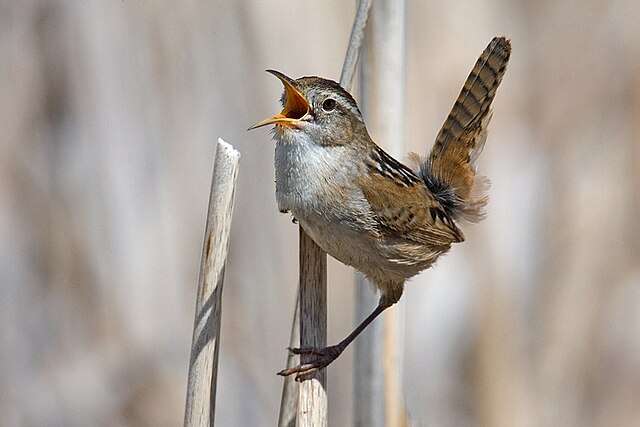
Leading the Flock: Key AI Birding Apps
Several apps have emerged as leaders in this field, each offering a unique set of features that cater to different user needs:
Merlin Bird ID by Cornell Lab of Ornithology: Perhaps the most widely acclaimed, Merlin offers a comprehensive suite of identification tools. Its "Sound ID" feature can listen in real-time and identify birds singing around you, displaying a running list of detected species. Its "Photo ID" function allows users to upload a photo and receive instant suggestions. Merlin also includes step-by-step identification questions for manual identification, making it incredibly versatile. Its integration with eBird data also provides valuable local birding information.
Picture Bird / BirdNET: While not directly from Cornell, apps like Picture Bird (and the underlying technology of BirdNET for sound) leverage similar AI principles. Picture Bird focuses heavily on photo recognition, often providing rapid results. BirdNET, another Cornell Lab project (though available as a separate app), is particularly robust for sound identification, capable of analyzing longer recordings and displaying identified species on a spectrogram.
Beyond Identification: Enhancing the Birding Experience
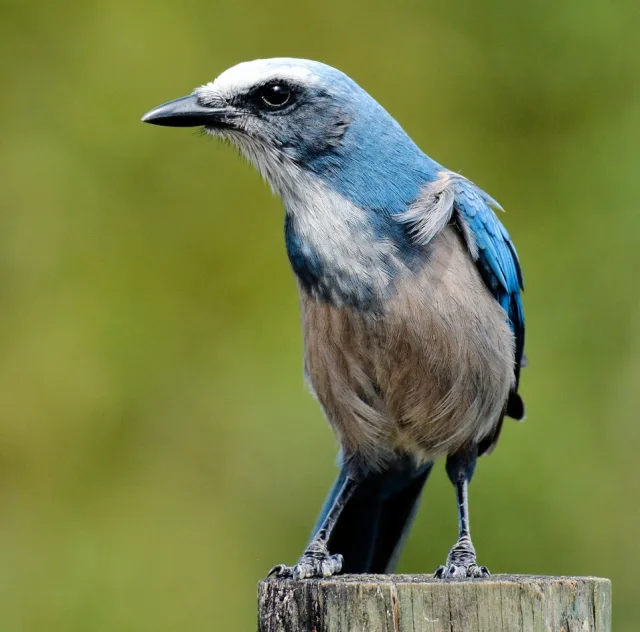
These apps do more than just put a name to a bird; they enrich the entire birding experience:
Real-time Learning: Imagine hearing an unknown call, holding up your phone, and instantly seeing the species name appear. This immediate feedback loop significantly accelerates learning for new birders.
Accessibility: For individuals with visual impairments, sound identification apps open up birding in an entirely new way. For those with limited mobility, listening to the birds in their backyard becomes a rich experience.
Citizen Science: Many of these apps integrate with platforms like eBird, allowing users to contribute their observations to massive databases used by scientists for conservation efforts, population tracking, and understanding migration patterns. Every identification made, every sound recorded, becomes a valuable data point.
Reduced Frustration, Increased Engagement: No longer will a bird's quick dart into the foliage leave you stumped. The ability to identify quickly reduces frustration and encourages more people to engage with nature.
Educational Tool: For educators, these apps are powerful teaching aids, bringing the complexities of ornithology to life in an interactive format.
The Future of Feathered Friends and Phones
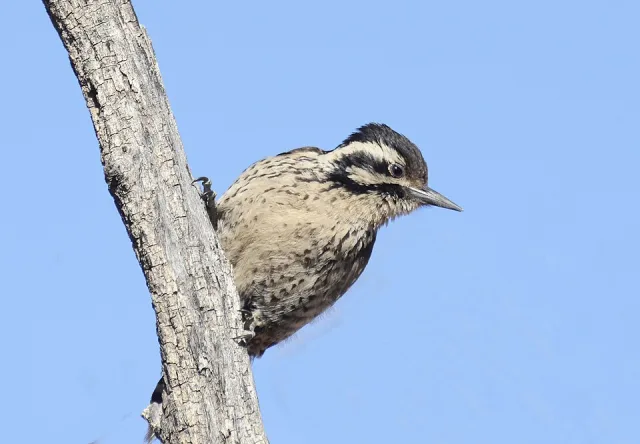
While current AI birding apps are remarkably powerful, the technology continues to evolve. We can anticipate even greater accuracy, the ability to identify birds in increasingly challenging environments (dense foliage, low light), and more nuanced behavioral analysis. Integration with augmented reality might allow us to point our phone at a tree and see an overlay identifying the bird within it.
The convergence of advanced AI and mobile technology has truly revolutionized bird identification. What once required years of dedicated study and extensive field experience can now be accessed by anyone with a smartphone and a curiosity for the natural world. So, the next time you step outside and hear an unfamiliar song or spot a flash of color, remember that your personal birding guru is right there in your pocket, ready to unlock the secrets of the sky.
