

When we think of birds, we often picture their feet—from the webbed feet of a duck to the grasping talons of an eagle. But in the vast and diverse world of avian anatomy, some birds have evolved to have remarkably small feet, seemingly out of proportion with their bodies. This isn't a random quirk of nature; these tiny feet are a perfect example of how evolution shapes a species for its specific lifestyle. For birds that spend most of their lives in the air, on a perch, or in a very specific habitat, large, strong feet would be a waste of energy and a hindrance. Instead, their bodies have prioritized other features, making their feet smaller and more specialized. This article explores the birds that have these tiny feet and the fascinating evolutionary reasons behind this unique adaptation, focusing on examples found in the United States.
The Evolutionary Advantage of Small Feet
The primary reason for tiny feet in birds is a trade-off. Evolution doesn't create "perfect" creatures but rather "perfectly adapted" ones. The energy and resources a bird's body uses to grow and maintain a physical feature, like a foot, are significant. If a bird's lifestyle doesn't require large, strong feet, that energy can be better spent on other features, such as powerful wings for flight, a more complex digestive system, or a larger brain.
Birds with small feet are often specialized in one of two ways: they are either aerial specialists that spend most of their lives flying, or they are perching specialists that require a very precise grip. In both cases, large, heavy feet would be a liability, adding unnecessary weight and drag. The smaller, more streamlined feet are a perfect example of a reductionist adaptation, where a feature becomes smaller over time because it is no longer the primary tool for the bird's survival.
Aerial Specialists: The Birds That Rarely Land
For birds that spend their days soaring or darting through the air, their feet are not a tool for walking or grabbing. They are essentially reduced to simple appendages used only for brief landings.
- Swifts (Family: Apodidae): The name Apodidae literally means "no feet," which perfectly describes these birds. Swifts have incredibly tiny feet with sharp claws that are positioned forward, making them excellent for clinging to vertical surfaces like cliffs, walls, and tree bark. They cannot walk or hop on the ground. Swifts spend almost their entire lives in the air, eating, drinking, and even sleeping on the wing. A well-known U.S. example is the Chimney Swift (Chaetura pelagica), which adapted from nesting in hollow trees to man-made chimneys, where its small feet are perfectly suited for gripping the rough brick.
- Hummingbirds (Family: Trochilidae): These iridescent jewels of the avian world are the masters of flight. Hummingbirds, such as the Ruby-throated Hummingbird (Archilochus colubris) found in the eastern U.S. and the Anna's Hummingbird (Calypte anna) on the West Coast, have tiny, delicate feet that are almost vestigial. They are only used for perching on a branch or a wire to rest; they cannot walk or hop. Their massive chest muscles for hovering flight and their specialized bills for sipping nectar are their primary evolutionary investments, making their feet a secondary concern.

Perching Specialists: The Masters of the Grip
Unlike aerial specialists, some birds with small feet are highly dependent on their feet for their lifestyle, but in a very specific way: they are designed for an incredibly precise and powerful grip.
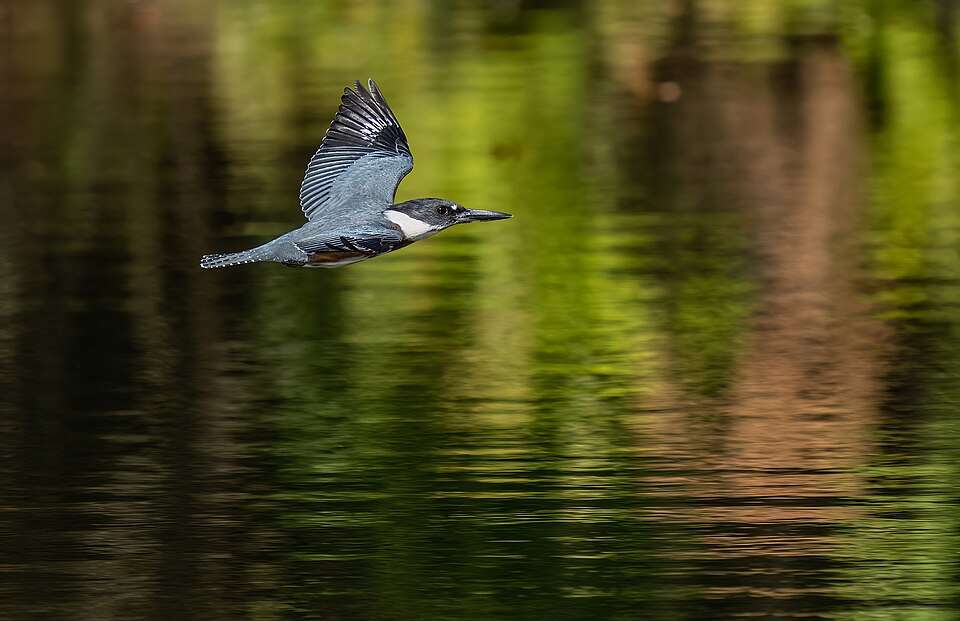
- Kingfishers (Family: Alcedinidae): While not all kingfishers have tiny feet, some species have fused toes that are disproportionately small. The Belted Kingfisher (Megaceryle alcyon), a common U.S. bird, has small feet that are perfectly adapted for clinging to a branch over water. It needs to remain perfectly still to spot fish before plunge-diving. The feet are not for walking, but for a stationary, precise grip.
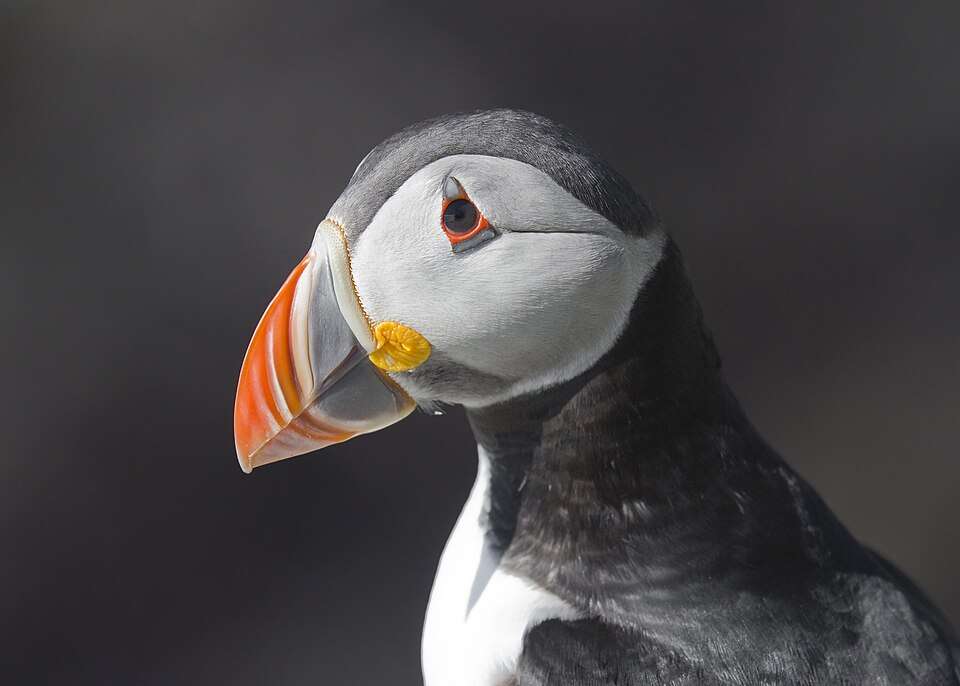
- Puffins (Genus: Fratercula): These charismatic seabirds, including the Atlantic Puffin (Fratercula arctica) found along the coast of Maine, spend much of their lives at sea. While their feet are not "tiny" in the same way as a swift's, they are much smaller than what would be expected for a bird of their size. They are perfectly adapted for walking on rocky cliffs and for swimming, but they are not used for powerful grasping or digging. The puffin's large, colorful bill is their primary tool for catching and holding fish, a task that would require large talons in a bird of prey.
- Nightjars (Family: Caprimulgidae): This family includes birds like the Common Nighthawk (Chordeiles minor) and Chuck-will's-widow (Antrostomus carolinensis). They have surprisingly small feet with a comb-like claw on their middle toe. They spend their days resting on tree branches, parallel to the branch, perfectly camouflaged. Their small feet are not built for walking or even a typical perching grip. Instead, they are designed to cling horizontally to a branch, allowing them to remain hidden from predators. The pectinate (comb-like) claw is believed to be used for preening their feathers.

The Broader Picture: Other Examples and Exceptions
While swifts and hummingbirds are the most extreme examples of tiny-footed birds, this adaptation can be seen in many other species to varying degrees.
- Horned Lark (Eremophila alpestris): This bird, a ground-dweller, has small feet relative to its body size. It spends its life walking and running on the ground, but its habitat is open fields, where it doesn't need to hop or climb. Its feet are slender and unspecialized, perfectly suited for its terrestrial, non-arboreal life.

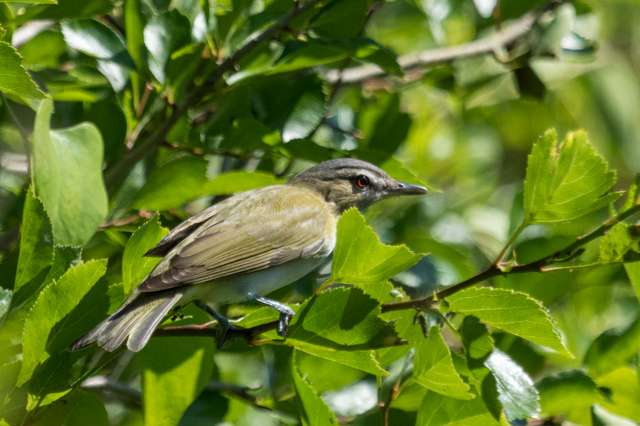
- Vireos (Family: Vireonidae): These small, arboreal songbirds, such as the Red-eyed Vireo (Vireo olivaceus), have small but strong feet. While they are not as tiny as a swift's, they are perfectly suited for their lifestyle of moving slowly through the canopy, meticulously searching for insects on leaves and branches. Their feet are a tool for a specific type of locomotion, a slow, deliberate walk, rather than a rapid hop or run.
Wrapping Up
The feet of a bird can tell us a great deal about its lifestyle. For birds that have evolved to fly almost non-stop, their feet have become a streamlined, reduced feature, a testament to the fact that form follows function. For birds that are perching specialists, their feet are not weak, but rather perfectly adapted for a single, critical purpose. From the aerial acrobats like swifts to the camouflage artists like nighthawks, the existence of tiny feet in birds is a beautiful and elegant example of how evolution prioritizes energy and resources, creating a vast and fascinating array of specialized adaptations across the avian world.
If you want more feet reading, find out why birds stand on one leg.
