
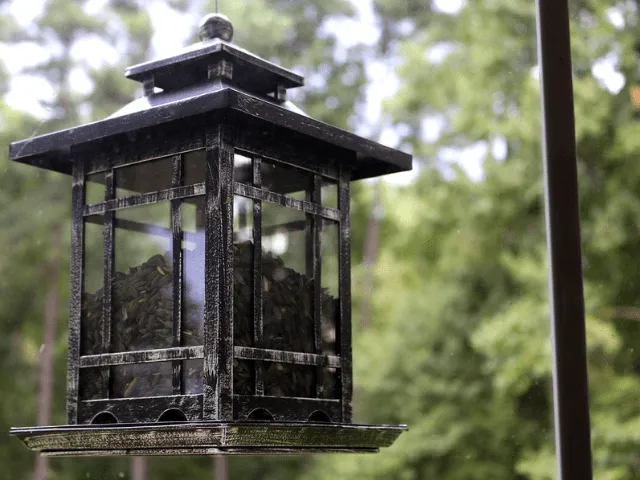
For decades, the backyard bird feeding aisle has been dominated by large, plastic bags of generic birdseed mix. These mixes often promise variety—sunflower, millet, cracked corn, and wheat—but they frequently deliver disappointment, waste, and, sometimes, even problems. Birders often find that their feeders end up half-full of uneaten grains scattered on the ground, creating a feast for rodents and a breeding ground for bacteria.
The truth is, if you want to attract the broadest, healthiest, and most vibrant array of North American songbirds—from chickadees and nuthatches to cardinals and finches—you should skip the mixed seeds entirely.
There is one single, superior food source that is universally loved, nutritionally dense, and minimizes waste: Black Oil Sunflower Seed (BOSS).
The Undisputed King: Black Oil Sunflower Seed
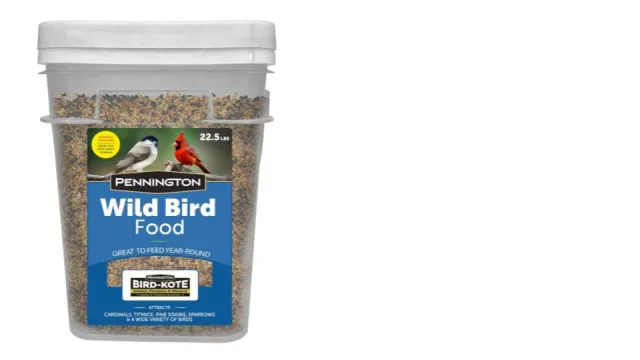
Black Oil Sunflower Seed, or BOSS, is the perfect bird food. It is not just one of the best foods; for most common feeder birds, it is the best. Its dominance comes down to a few key factors that make it nutritionally superior and practically efficient.
High Energy and Fat Content
Birds require enormous amounts of energy just to survive, especially during cold winters or demanding breeding seasons. Unlike grains like millet or cracked corn, BOSS is exceptionally high in oil and fat.
Oil Content: BOSS typically contains 40–50% oil, offering a significantly higher calorie-per-seed ratio compared to striped sunflower seeds or commercial mixes.
Fuel for Flight: This high-energy fuel is vital for smaller birds, which must eat constantly to maintain their high metabolic rates. A quick snack of BOSS provides the substantial energy boost needed for thermoregulation and daily activity.

Preferred by Almost Everyone
The true magic of BOSS is its broad appeal. It is the food of choice for nearly every seed-eating songbird across the continent. Putting out BOSS ensures you are catering to a vast and diverse audience, minimizing the chance of turning any potential visitor away.
| Common BOSS Feeders | Specialist Seed-Mix Feeders (Rarely Eat BOSS) |
| Finches (Goldfinches, Purple Finches) | Mourning Doves (eat fallen seeds) |
| Cardinals (Northern Cardinal) | Sparrows (various species, but still prefer BOSS over millet) |
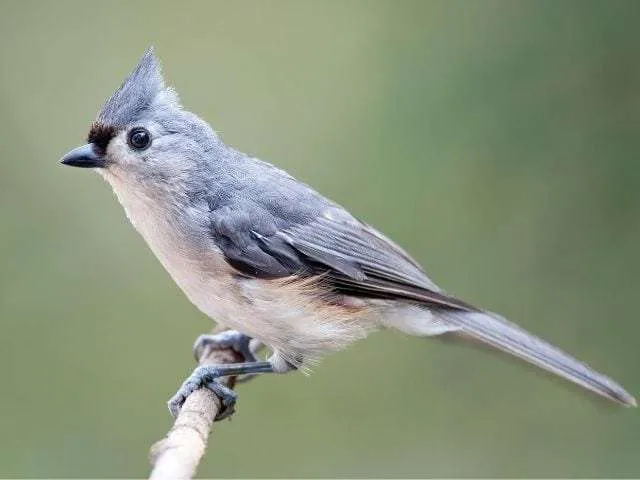
| Titmice & Chickadees (Black-capped, Carolina) | Quail (eat fallen seeds) |
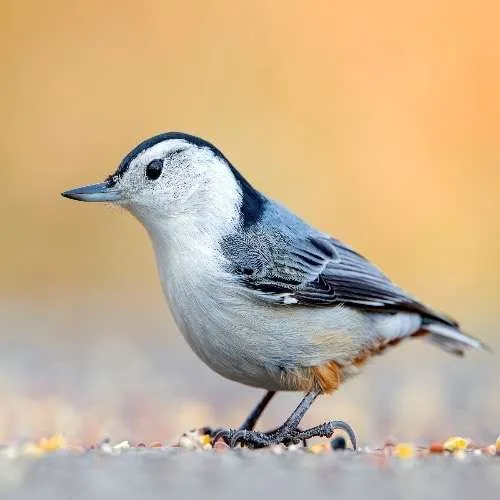
| Nuthatches (Red-breasted, White-breasted) | Crows/Ravens (often eat BOSS but are less desirable) |
| Woodpeckers (Downy, Hairy) | |
| Jays (Blue Jay, Scrub Jay) |
Easy to Crack, Less Waste
The husk of the Black Oil Sunflower Seed is thinner and lighter than the husks of striped sunflower seeds. This makes it easier for smaller birds like chickadees and finches to crack open and process. Less effort spent cracking means more energy conserved.
The resulting waste is also manageable. Unlike cheap seed mixes where large amounts of inedible corn or wheat are thrown out, the residual BOSS shells decompose relatively quickly or can be easily swept away.
Mastering the BOSS Feeding Strategy
Once you commit to BOSS, a few adjustments to your feeding setup can maximize its effectiveness and keep your feeding station healthy.
1. Consider Hulled Sunflower Seeds (No-Mess)
While BOSS is superior to mixes, even the thin shells can create a mess over time, potentially impacting lawn or garden health. The ultimate solution, particularly for deck or patio feeders, is shelled or hulled sunflower seeds (sunflower chips or hearts).
Zero Waste: Since there are no hulls, every bit of the food is consumed, eliminating mess and ground waste.
Ultimate Ease: Even the smallest birds don’t have to expend energy cracking the shell.
The Downside: Hulled seeds are significantly more expensive and, crucially, spoil much faster when wet. If you use hulled seeds, ensure your feeder keeps them dry and clean, and only put out small amounts at a time.
2. Choose the Right Feeder
BOSS is versatile and can be used in almost any feeder, but certain types work best:
Tube Feeders: Excellent for small, acrobatic birds like chickadees, titmice, and finches. Use tube feeders with large ports to accommodate cardinals, who struggle with small openings.
Hopper Feeders: Good general-purpose feeders that protect the seed from rain and snow.
Platform/Tray Feeders: Perfect for cardinals, jays, and doves, who prefer to stand flat while feeding. Ensure tray feeders have drainage holes to prevent the seed from getting soggy.
3. Keep It Clean and Fresh
Because BOSS is high in oil, it is susceptible to mold, especially when damp. The key to a healthy feeding station is vigilance.
Prevent Mold: Never let wet, compacted seed sit in your feeder for more than a few days. During rainy or snowy periods, clean out the feeders more frequently.
Minimize Bacteria: Regularly disinfect your feeders with a 10% bleach solution (or specialized bird feeder cleaner) to prevent the spread of bacteria and diseases like salmonella, which can decimate finch populations.

The Nutritional Verdict
By focusing your feeding efforts on Black Oil Sunflower Seed (or its hulled alternative), you are streamlining your birding success. You offer the most appealing, highest-octane fuel to the widest variety of backyard visitors, minimizing waste and maximizing the time you spend watching and identifying your local songbirds. Skip the cheap fillers and the complex mixes. When it comes to feeding North American songbirds, simplicity and quality reign supreme.
