
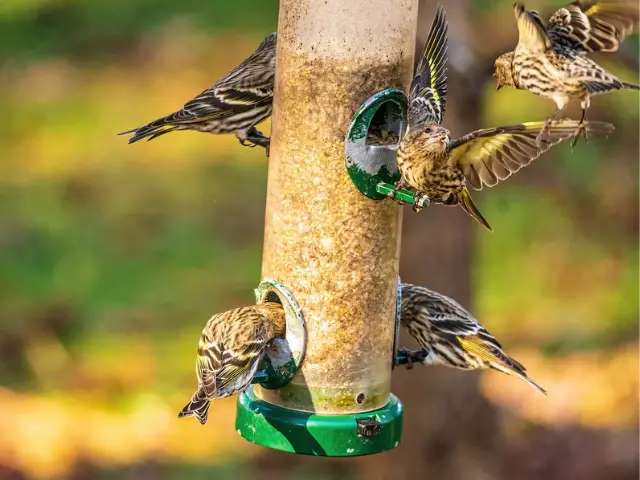
The suburban backyard has become a quiet battlefield. On one side stands the traditionalist, armed with a 20-pound bag of black-oil sunflower seeds and a belief that they are providing a vital lifeline to feathered friends. On the other stands the ecological purist, arguing that bird feeders are little more than "avian fast-food joints" that spread disease, alter migration, and favor aggressive species over the vulnerable.
In the United States, where all things bird is a multi-billion-dollar industry, the question of whether to hang a feeder has shifted from a simple act of kindness to a complex ethical dilemma. As we navigate a "bird crisis"—with North America having lost nearly three billion birds since 1970—the stakes have never been higher. Yet, a third perspective is emerging from the scientific community: one that suggests the primary beneficiary of the bird feeder isn't the bird at all, but the human watching from the window.
The Case Against: "Death by a Thousand Seeds"
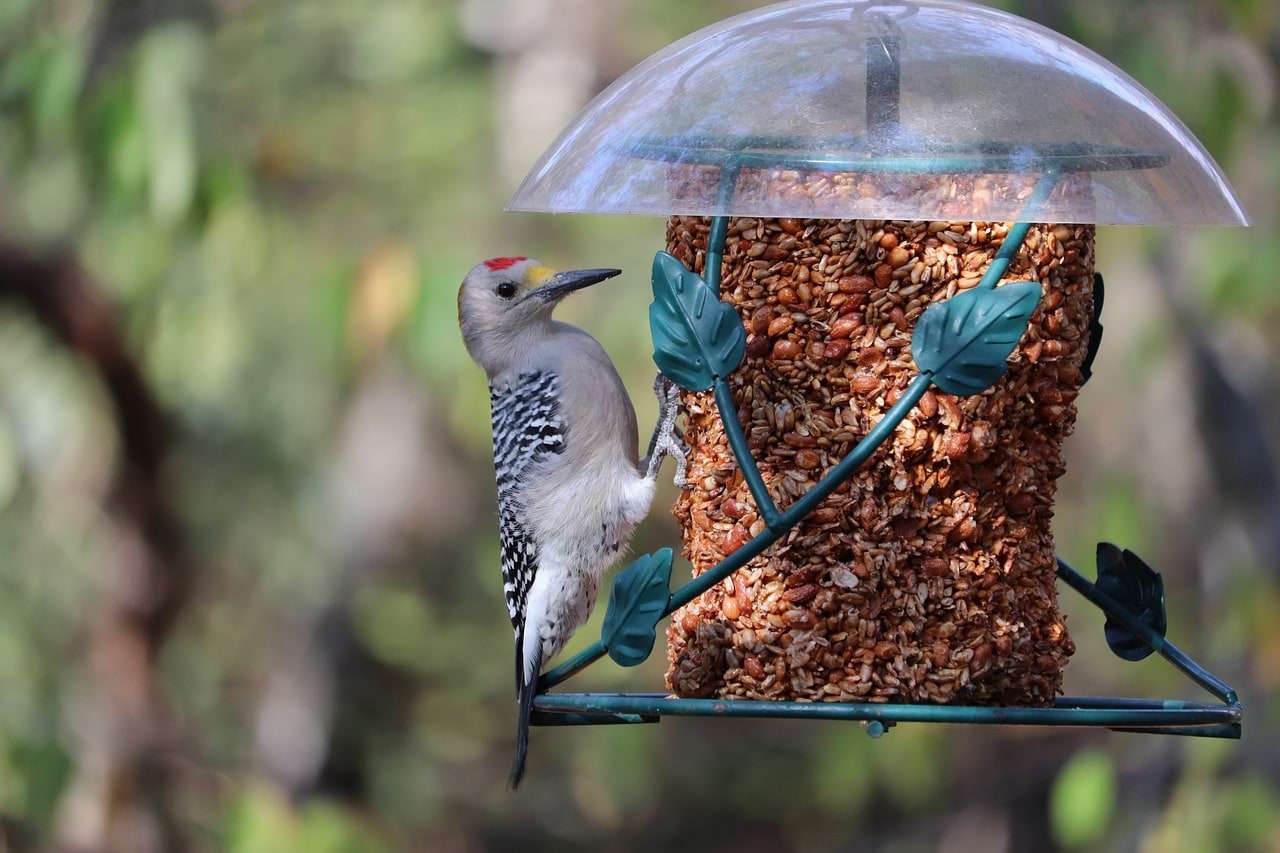
For decades, the "anti-feeding" camp was small, but it has gained significant traction due to high-profile disease outbreaks. The most pressing argument against bird feeding is pathogen transmission. When hundreds of birds from different flocks congregate in one small, wooden box, it becomes a petri dish.
Salmonellosis and Mycoplasma: These diseases spread rapidly through contaminated seed and droppings. In recent years, the CDC and various state wildlife agencies have actually requested that residents take down feeders to stop the spread of "house finch eye disease" or salmonella outbreaks that kill Pine Siskins by the thousands.
Predation Traps: By concentrating birds in one predictable spot, we create a "buffet" for outdoor cats and Cooper’s Hawks. A feeder placed too close to a window also increases the risk of fatal bird-window collisions, which claim up to one billion avian lives annually in the U.S.
Nutritional Dependency: Critics argue that "handouts" discourage birds from foraging for a diverse, natural diet of insects and native seeds, potentially leading to malnutrition or "Angel Wing" syndrome in waterfowl fed bread.
The Case For: A Vital Lifeline in a Concrete World
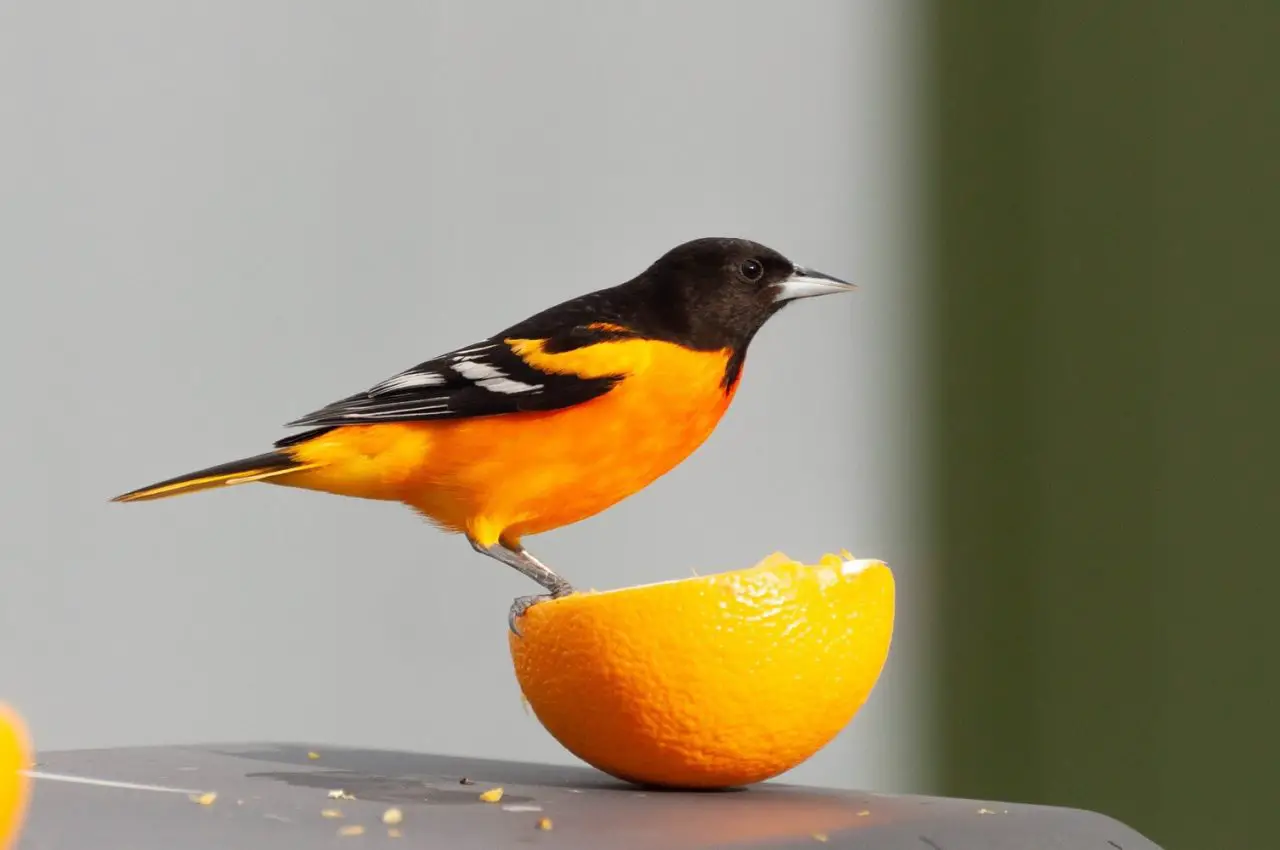
Proponents of bird feeding argue that the "dangers" are often overstated and manageable with proper hygiene. For them, the feeder is a form of supplementary conservation. As urbanization destroys natural habitats, birds are left with fewer places to find high-energy fats and proteins.
Winter Survival: During "polar vortex" events or heavy snow cover, a high-quality suet block can be the difference between life and death for a Carolina Wren or a Downy Woodpecker.
Nesting Success: Studies by the Cornell Lab of Ornithology have suggested that birds with access to supplemental food may start nesting earlier and produce healthier fledglings, as the parents don't have to spend as much energy foraging for their own maintenance.
Invasive Species Management: While feeders do attract "bully birds" like European Starlings or House Sparrows, many birders use specialized feeders (like weight-sensitive perches) to ensure that only native species, like Chickadees and Nuthatches, get the prize.
The "Human Benefit" Pivot: The Science of Mental Health
Perhaps the most radical shift in the debate is the move away from biology and toward psychology. A growing body of research suggests that the "benefit" of bird feeding should be measured in human heartbeats, not just avian ones.
In 2017, a study conducted by the University of Exeter, the British Trust for Ornithology, and the University of Queensland found that people living in neighborhoods with more birds and tree cover were less likely to suffer from depression, anxiety, and stress. Crucially, this wasn't just about the presence of birds; it was about the interaction with them.
"Feeding birds creates a sense of agency and connection to the natural world that is increasingly missing from modern life," says environmental psychologist Dr. Julianne Holt-Lunstad. "For an elderly person living alone or a child in a high-rise, that feeder is a portal to a larger, living world."
Some scientists now argue that even if bird feeding carries a small, localized risk to avian populations, the conservation will it generates in humans outweighs those risks. A person who feeds birds is a person who cares about bird habitat, climate change, and pesticide use. By feeding the birds, we are essentially "grooming" the next generation of environmental advocates.
The Middle Path: Responsible Stewardship
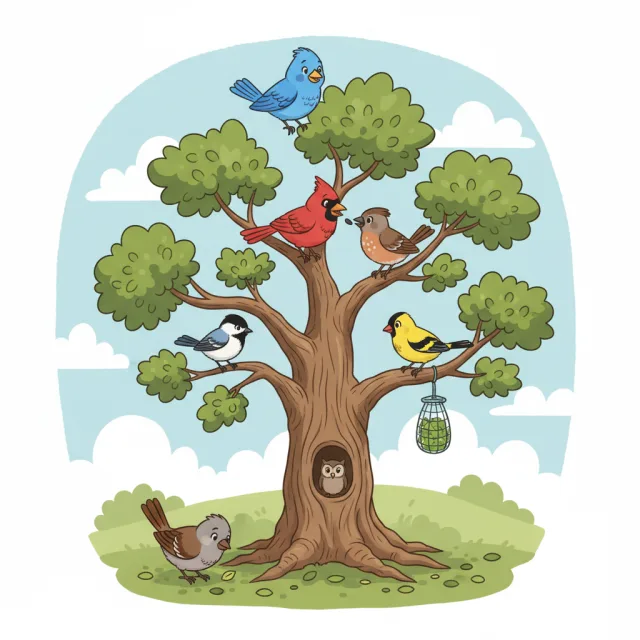
So, where does the average American homeowner land? The consensus is shifting toward "Managed Feeding." It is no longer enough to just throw seed on the ground. To balance the mental health benefits for humans with the safety of the birds, experts recommend several non-negotiable rules:
The Two-Week Scrub: Feeders must be disinfected with a 10% bleach solution every two weeks to prevent disease.
Placement is Everything: Feeders should be placed either within 3 feet of a window (so birds don't have enough speed for a fatal strike) or more than 30 feet away.
Native Planting First: The "gold standard" of feeding is moving away from plastic tubes and toward native plants. Planting an oak tree or a patch of coneflowers provides natural food and cover without the disease risks associated with crowded feeders.
The Verdict
The debate over bird feeding mirrors our larger struggle to coexist with nature. We want to help, but our help often comes with unintended consequences. However, in an era of "eco-anxiety" and increasing isolation, the sight of a Northern Cardinal against a backdrop of winter snow is more than just a hobby—it is a vital dose of Vitamin N (Nature).
As long as we approach the feeder with a sense of responsibility rather than just entertainment, we can continue this ancient pact. The birds may get a few extra calories, but we get the reminder that we are part of something wild, beautiful, and worth saving.
