
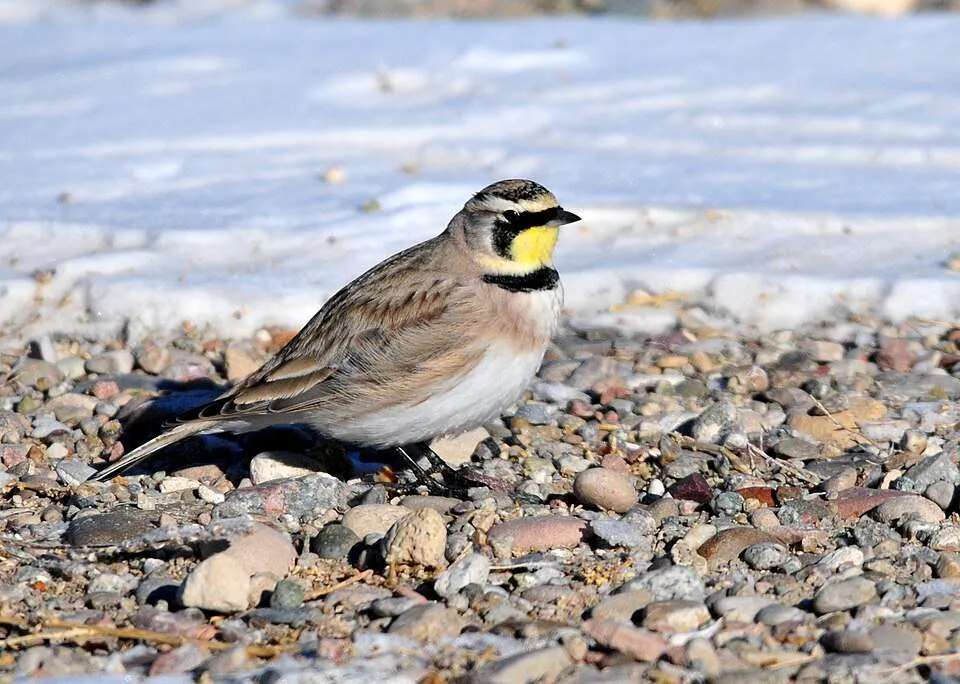
In January 2026, the American Birding Association (ABA) officially named the Horned Lark (Eremophila alpestris)—known to many as the Shore Lark—as the 2026 Bird of the Year. While the term "Shore Lark" is more commonly used in Europe and the UK to describe the winter visitors along their coastlines, in North America, this resilient songbird is celebrated as our only native "true lark."
The selection of the Horned Lark marks a shift toward celebrating the "quiet toughness" of birds that thrive in the wide-open, often overlooked spaces of the American landscape.
A Master of the Open Spaces

The Horned Lark is a bird of the ground. Unlike many songbirds that hide in the canopy of lush forests, the Horned Lark seeks out the most exposed environments imaginable: plowed fields, desert flats, alpine tundra, and airports. It is a "pioneer species," often the first to inhabit a landscape after a fire or the first to begin nesting in the early spring, sometimes while snow still clings to the ground.
Distinctive Features and the "Horns"
The most iconic feature of the Horned Lark—and the reason for its common American name—is the pair of tiny, black feather tufts on its head.6 These "horns" are most prominent in males during the breeding season.
Facial Mask: They possess a striking "dapper" appearance with a yellow or white face, a bold black mask through the eyes, and a black "crescent" or bib on the chest.
The Larkspur: Like other members of the Alaudidae family, they have a very long, straight claw on their hind toe, known as a "larkspur," which helps them walk across flat ground and uneven surfaces.
Subspecies Diversity: There are over 40 recognized subspecies of the Horned Lark globally. This diversity is a major reason for its 2026 celebration; the bird’s appearance varies significantly depending on the local environment, from the pale birds of the desert to the darker, more streaked populations of the Pacific Northwest.
Why 2026 is the "Year of the Lark"

The ABA’s Bird of the Year program, which began in 2011, is designed to build community and spark conservation conversations. Following the 2025 year of the Common Loon, the 2026 choice of the Horned Lark was made to highlight resilience and adaptability.
1. Artistic Celebration
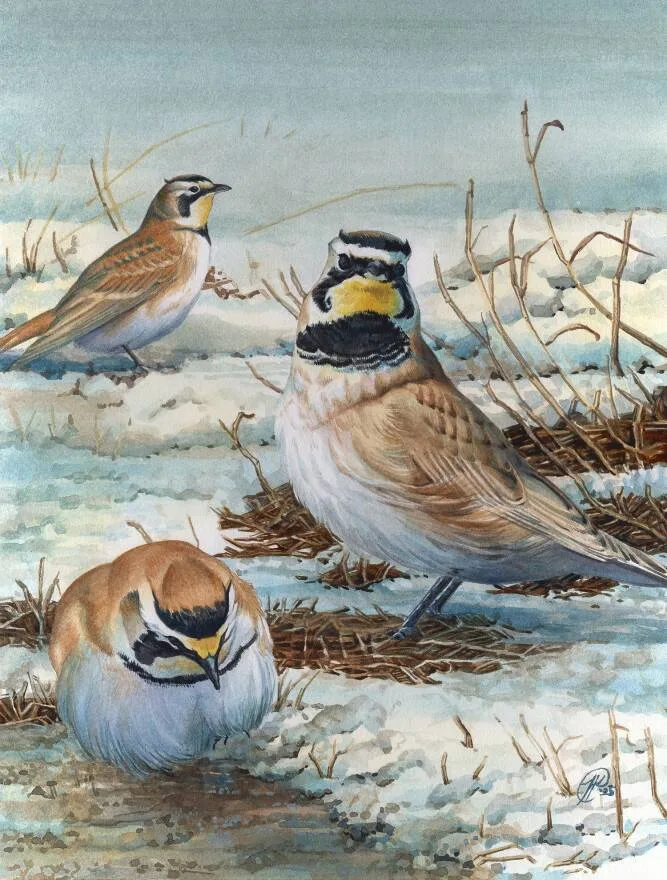
Central to the celebration is the 2026 Bird of the Year artist, Kristina Knowski. Her masterwork, “Horned Larks at Reynolds Creek in Winter,” graces the cover of the January 2026 issue of Birding magazine. Art plays a vital role in this program by helping birders see the "subtle beauty" of a bird that often blends into the brown dirt of a field.
2. A Symbol of Conservation
While the species as a whole is widespread, specific populations are in deep trouble. The Streaked Horned Lark (E. a. strigata) of the Pacific Northwest is currently listed as threatened. By naming the Horned Lark the Bird of the Year, the ABA is drawing national attention to the loss of native prairies and open grasslands.
"The Horned Lark is about to get the spotlight it has long deserved. It is a bird of wide open spaces, subtle beauty, and quiet toughness." — Mia McPherson, Wildlife Photographer.
3. Community Engagement
Throughout 2026, the birding community is engaging in "Lark-centric" activities:
Citizen Science: Encouraging birders to document different subspecies and winter flocking behavior.
Storytelling: Sharing the "intangible" experience of hearing the lark's high-pitched, tinkling song, which is often delivered during a spectacular high-altitude flight.
Education: Teaching new birders how to identify these "ground-dwellers" that don't frequent backyard feeders but are abundant in rural and agricultural lands.
Identification and Habitat Table
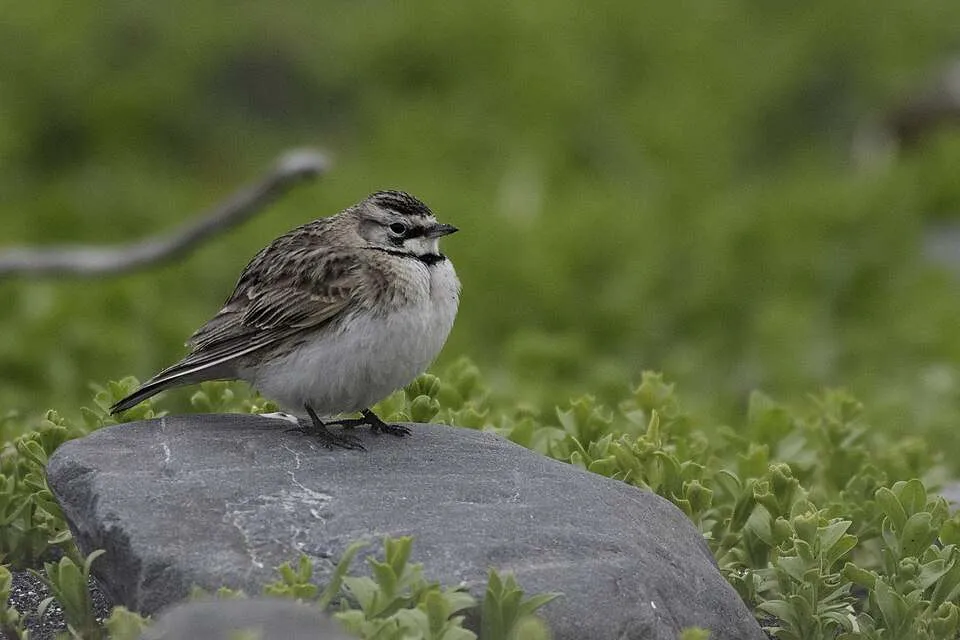
If you are looking to find the 2026 Bird of the Year, here is what you need to know:
| Feature | Description |
| Habitat | Short-grass prairies, deserts, tundra, beaches, and agricultural fields. |
| Diet | Seeds and insects; they are strictly ground foragers. |
| Behavior | They walk or run rather than hop. In winter, they form large, social flocks. |
| Voice | High-pitched, "tinkling" song often compared to the sound of light glass clinking. |
| Best Time to See | Late winter for large flocks; early spring for territorial displays. |
The "Shore Lark" Connection
The name "Shore Lark" remains a nostalgic and descriptive term, especially for those on the Atlantic coast. During the winter, these birds often congregate on sandy beaches and salt marshes—the "shores"—where they forage along the strandline. Whether you call it a Horned Lark or a Shore Lark, the bird represents a connection between the rugged interior of the continent and the windswept coasts.
The 2026 celebration is more than just a title; it is a year-long effort to ensure that the "tinkling" song of the lark continues to be heard across the American plains for generations to come.
