

The vast and vibrant tapestry of avian life is matched only by the diversity of their names. While many bird names are given to honor historical figures (like Wilson’s Warbler or Audubon’s Shearwater) or geographic locales (like the Carolina Wren or Baltimore Oriole), the most satisfying names in ornithology are often those that describe the bird, its behavior, or its unique sound with such precision that they become instantly and universally recognizable. These are the names that fit exactly, forming a perfect, concise summary of the species.
Onomatopoeia: When the Bird Says Its Name
Perhaps the most delightful category of perfect-fit names is the onomatopoeic group—birds whose common name is a direct mimicry of their call or song. These names are not just descriptive; they are an auditory shortcut to identification, known to birders worldwide.
Killdeer: A classic example, the Killdeer (a type of plover) does not, in fact, hunt deer. Its name is a perfect phonetic representation of its loud, repeated, and frantic alarm call: "Kill-dee! Kill-dee!" Hearing the name is virtually the same as hearing the bird.

Whip-poor-will: This nocturnal nightjar is known for its incredible ability to blend into the forest floor during the day. However, once twilight falls, its unmistakable, three-part song rings out, clearly vocalizing its own name: "Whip-poor-will!"
Chickadee: The beloved Black-capped Chickadee and its relatives offer their name as a mnemonic device. The familiar, buzzy call is an easy-to-remember repetition of "chick-a-dee-dee-dee."
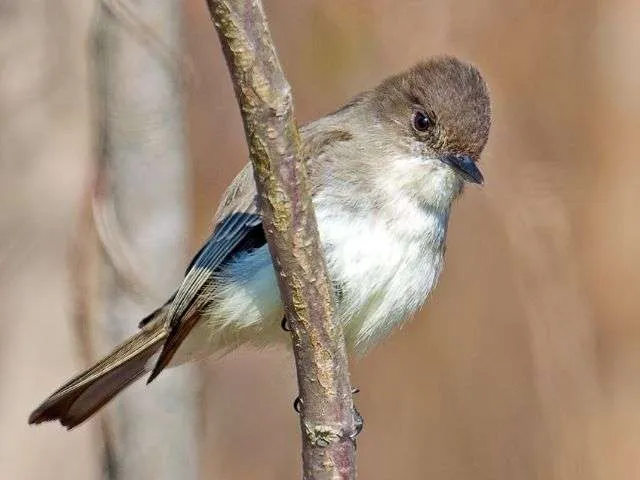
Phoebe: The gentle, plaintive song of the Eastern Phoebe, a flycatcher, is a simple, two-note, and slightly descending whistle that translates perfectly to “fee-bee” or "phoe-be."
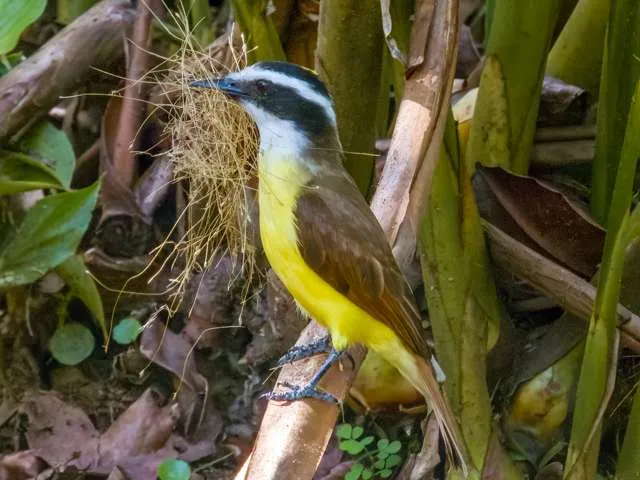
Great Kiskadee: Found across Central and South America, this bold tyrant flycatcher announces its presence with an incredibly loud, penetrating, and emphatic call that sounds exactly like "kis-ka-dee!"
Plumage and Features: A Perfect Description
Another broad category of perfectly fitting names describes the bird’s most striking visual feature—its color, size, or an unusual body part. These names function like a miniature field guide.
Color-Based Identity
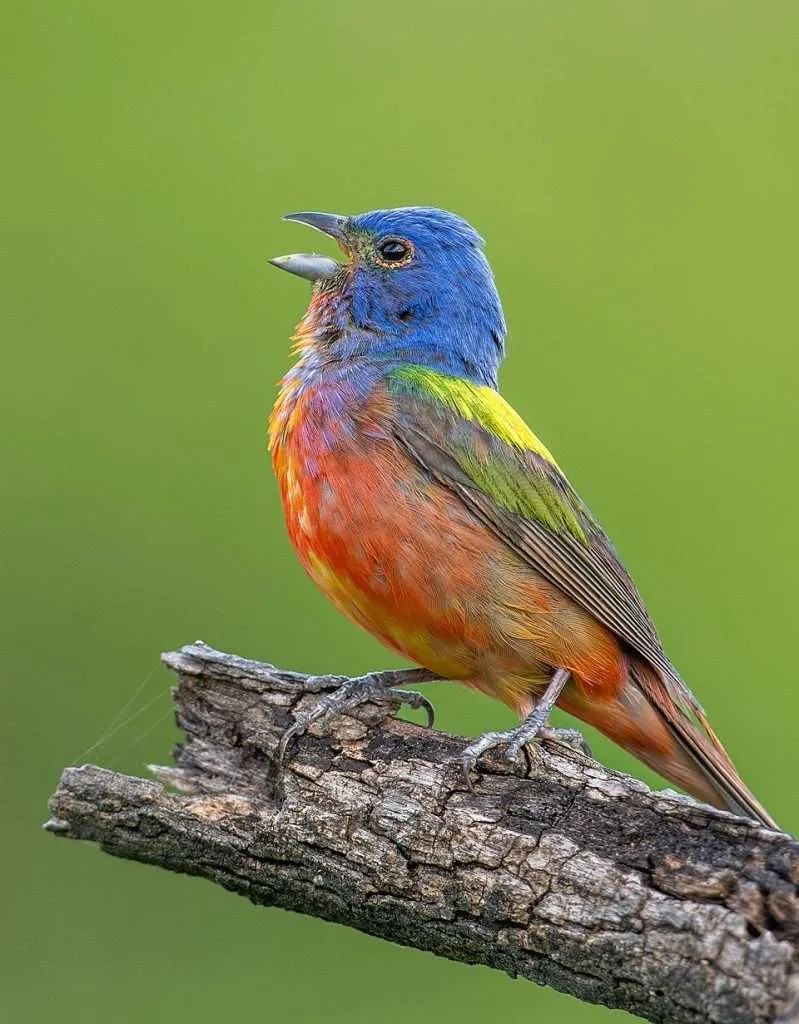
Painted Bunting: There is no need for subtlety here. The male Painted Bunting appears as if it has been dipped in a painter's palette, featuring a dazzling head of blue, a breast of red, and a back of green. It is, quite literally, a painted bunting.
Red-headed Woodpecker: Unlike some other woodpeckers that only have red caps or patches, the adult Red-headed Woodpecker boasts a completely crimson head and neck, contrasting starkly with its black and white body. Its name is completely and accurately descriptive.
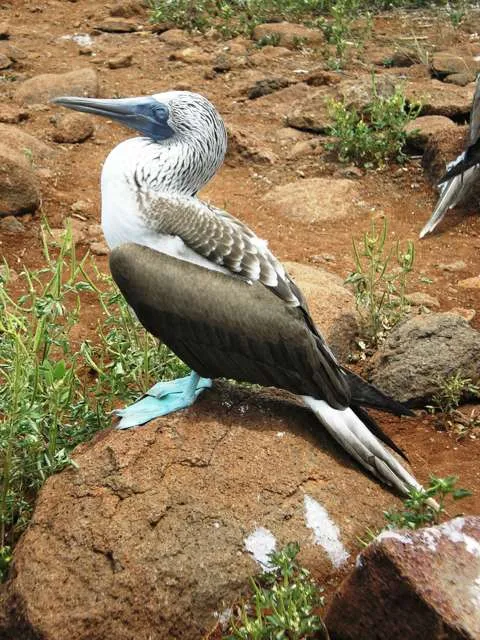
Blue-footed Booby: This seabird, famous for its comical courtship dance, is instantly identifiable by its brilliant, oversized blue feet. The name is both simple and humorously apt.
Mislabeled, Misleading, and Mistaken: The Most Confusing Bird Names
Scarlet Tanager: The male Scarlet Tanager in breeding plumage is a breathtaking sight: a stunning, velvety red body contrasted with jet-black wings and tail. The name simply states the obvious and striking truth.
Structural and Physical Traits
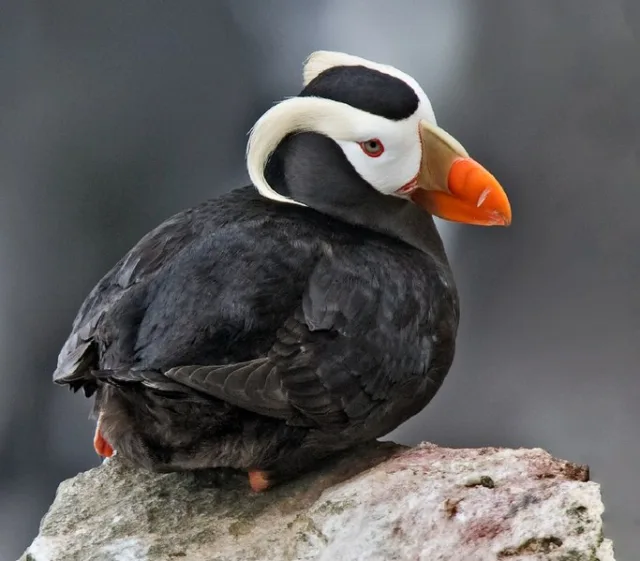
Tufted Puffin: The breeding adult Tufted Puffin is characterized by the long, golden-yellow feather tufts that stream back from behind its eyes. The name perfectly encapsulates this distinguishing feature.
Spoonbill: The genus Platalea (Spoonbills) has an instantly recognizable feature: a long, flattened, spoon-shaped bill used to sweep through shallow water to catch small aquatic prey. Roseate Spoonbills and African Spoonbills are named for their primary and most effective foraging tool.
Double-crested Cormorant: This seabird is named for the two small, backward-curving tufts of black feathers that appear on its head during the breeding season. The "double-crest" is its temporary, titular adornment.
Behavior and Foraging: An Action-Packed Name
Some of the most engaging and descriptive names come from the bird’s unique behavior or its method of feeding. These names capture the bird in action.
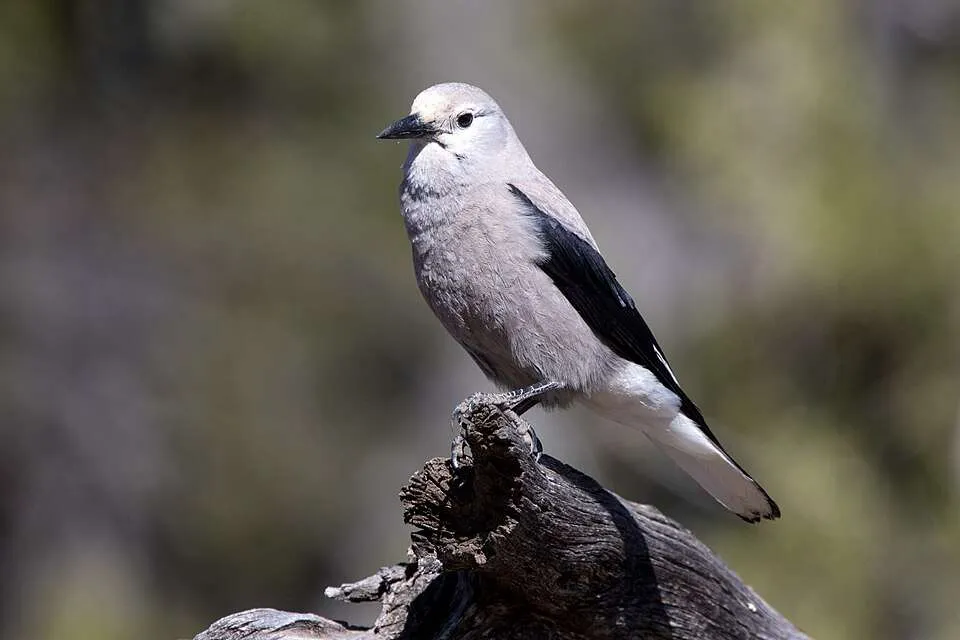
Nutcracker: The Clark’s Nutcracker is a member of the crow family known for harvesting and storing thousands of seeds, particularly those from pine cones, which it cleverly “cracks” open.
Snail Kite: A raptor with an incredibly specialized diet, the Snail Kite feeds almost exclusively on large freshwater apple snails. Its long, slender, hooked bill is perfectly adapted for extracting the snail from its shell. No ambiguity here—it is a kite that eats snails.
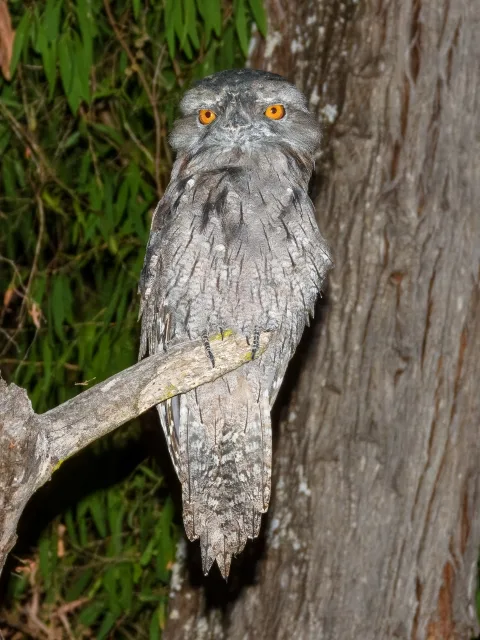
Tawny Frogmouth: This Australian bird is a master of camouflage, but its name is a nod to its appearance and habits: "tawny" refers to its mottled brown and gray plumage, and "frogmouth" describes its unusually wide mouth, which is essential for catching insects and frogs.
Willet: An onomatopoeic name that also describes a visible action, the Willet is a large, gray shorebird that, when taking flight, flashes a striking, contrasting black-and-white wing pattern while calling a loud, emphatic "will-LET!"
When Names Are Misleading: The Exception
The brilliance of these perfectly fitting names is highlighted by the few instances where common names are famously misleading. For example, the Worm-eating Warbler primarily eats caterpillars and insects gleaned from foliage, rarely if ever consuming earthworms. Similarly, the Bald Eagle is not truly bald; its head is covered in white feathers, a name that comes from an older definition of "bald" meaning "white-headed" (as reflected in its scientific name, Haliaeetus leucocephalus, which means "white-headed sea-eagle").
These exceptions only serve to make the accurate, self-descriptive names like Killdeer, Blue Jay, Tufted Puffin, and Painted Bunting stand out as masterstrokes of ornithological nomenclature—names that effortlessly convey the bird's very essence.
The Power of the Right Name
The practice of giving birds common names that perfectly capture their defining traits is a testament to the sharp observational skills of the naturalists and birders who first recorded them. These names do more than just label a species; they provide a mnemonic key to instant identification and foster a deeper, immediate connection with the bird's biology, behavior, or sound. They are, for the birder and the casual observer alike, the ideal marriage of language and nature, where the word is the bird.
