

For a bird watcher, few things are as captivating as the vibrant hues that adorn our feathered friends. The brilliant scarlet of a male Northern Cardinal, the iridescent green of a Ruby-throated Hummingbird, the dazzling blue of a Steller's Jay—these colors are a source of endless fascination.
We might assume that a bird's entire body is colored by a single mechanism, but the truth is far more complex and fascinating. A bird's appearance is a tapestry woven from a variety of biological processes, each responsible for coloring different parts of its anatomy, from its skin to its bill and, most famously, its feathers.
In the diverse avifauna of the United States, we can find perfect examples of each of these unique coloring methods.
The Feathered Canvas: Pigments vs. Structural Color
The colors in a bird's feathers are derived from two primary sources: pigments and structural color. Understanding the difference is key to appreciating the avian palette.
1. Pigments: The Chemical Colors
Pigments are chemical compounds that absorb certain wavelengths of light and reflect others. The color we see is the wavelength that is reflected back to our eyes. Birds produce some of their own pigments, while others are obtained from their diet.
Carotenoids: These are perhaps the most famous pigments in the bird world. Birds cannot produce carotenoids themselves; they must get them from their food, such as fruits, seeds, and insects. Carotenoids are responsible for the vibrant reds, oranges, and yellows we see in many of our most beloved birds.
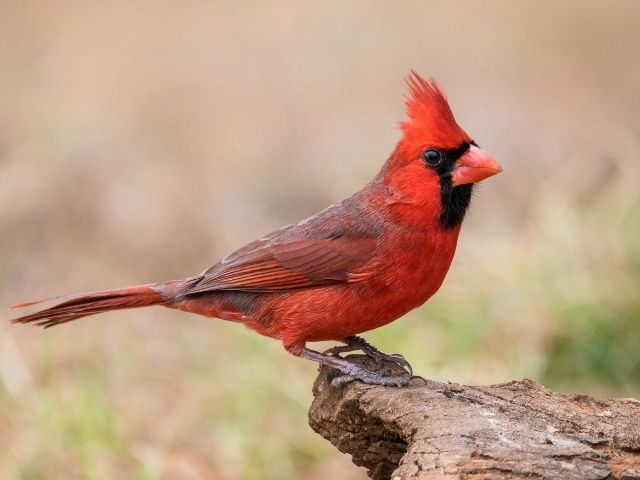
The Northern Cardinal (Cardinalis cardinalis), the unofficial mascot of many U.S. backyards, gets its stunning red color from carotenoids. A cardinal that isn't getting enough carotenoid-rich food will appear duller, more orange or pale.
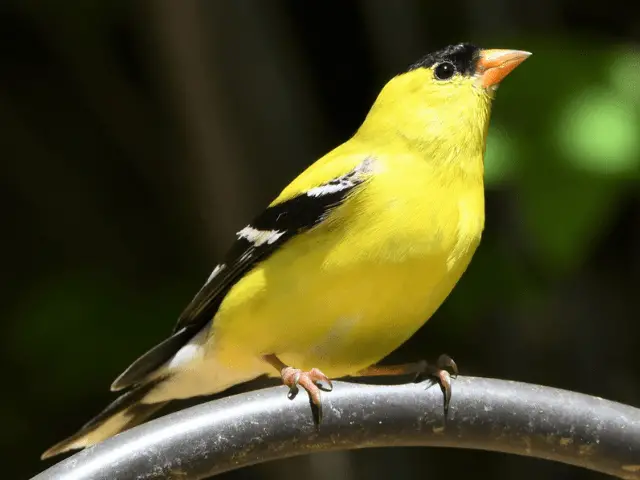
The American Goldfinch (Spinus tristis) is a brilliant example of a bird whose color is entirely tied to its diet. Males acquire their bright yellow plumage by feasting on seeds rich in carotenoids. As they molt in the fall and their diet changes, their bright summer yellow fades to a dull olive-green.

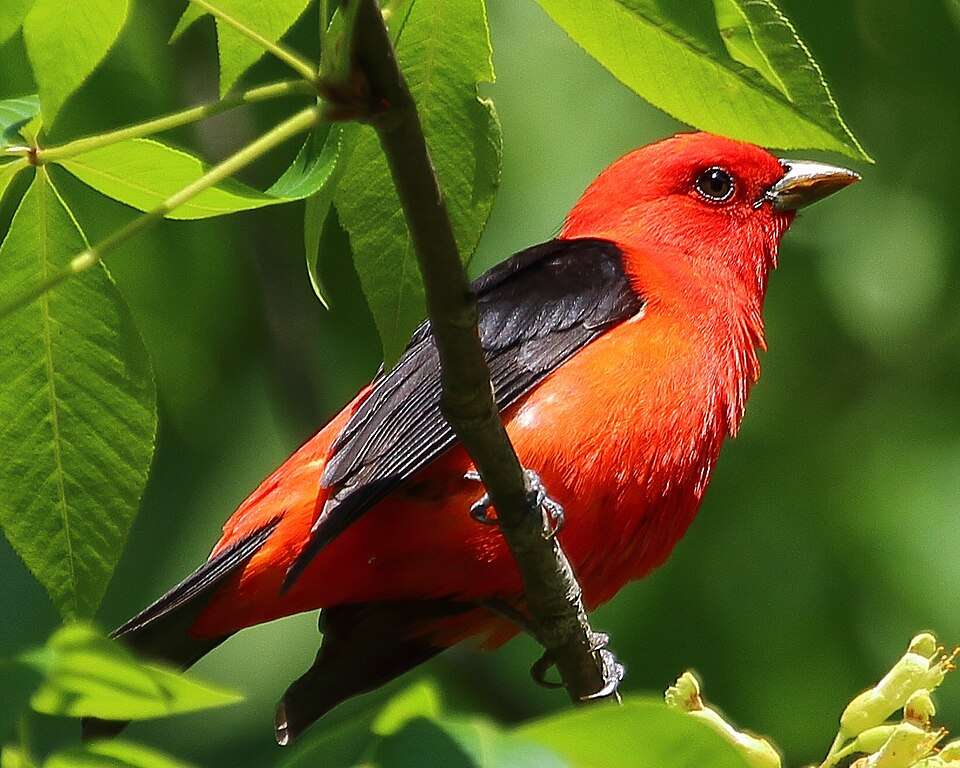
The Baltimore Oriole (Icterus galbula) and the Scarlet Tanager (Piranga olivacea) are also colored by these dietary pigments, their vibrant orange and red a testament to the carotenoid-rich insects and fruits they consume.
Melanins
These pigments are produced naturally by a bird's body and are responsible for the shades of black, gray, brown, and buff. Melanins are not just for color; they also provide strength and durability to feathers.
The American Crow (Corvus brachyrhynchos), with its uniform black plumage, is colored entirely by melanin. The black color also helps the crow absorb more solar radiation, which can be an advantage in colder climates.

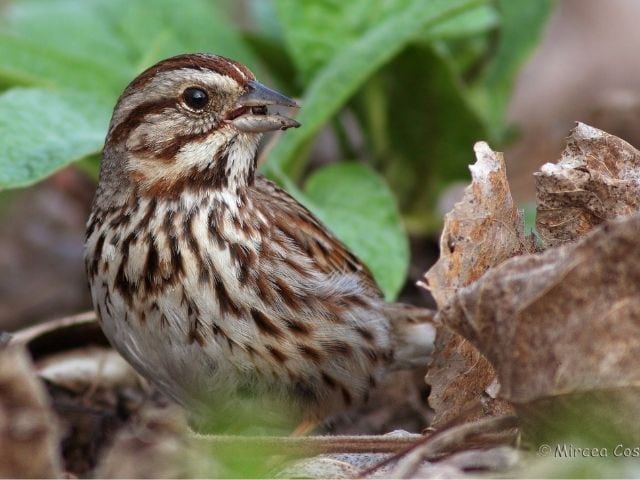
The streaks and spots on many sparrow species, like the Song Sparrow (Melospiza melodia), are created by the strategic placement of melanin. The varying shades of brown and gray provide excellent camouflage, a crucial adaptation for ground-dwelling birds.
2. Structural Color: The Optical Illusion
Structural color is a mesmerizing phenomenon where the color we see is not due to a pigment but to the physical structure of the feathers themselves. The micro-structure of the feathers scatters light in such a way that it creates dazzling, iridescent colors that seem to shift and change depending on the viewing angle.
The Ruby-throated Hummingbird (Archilochus colubris), a common sight throughout the Eastern U.S., is a perfect example of this. The "ruby throat" of the male is not red pigment; it's a structural color created by layers of keratin and melanin that cause the light to interfere and create a brilliant flash of red. When viewed from a different angle, the throat can appear black.
The Mallard Duck (Anas platyrhynchos) and its shimmering green head is another classic example. This iridescent green is a structural color that only appears when light hits the feathers at a specific angle, a stunning optical illusion.
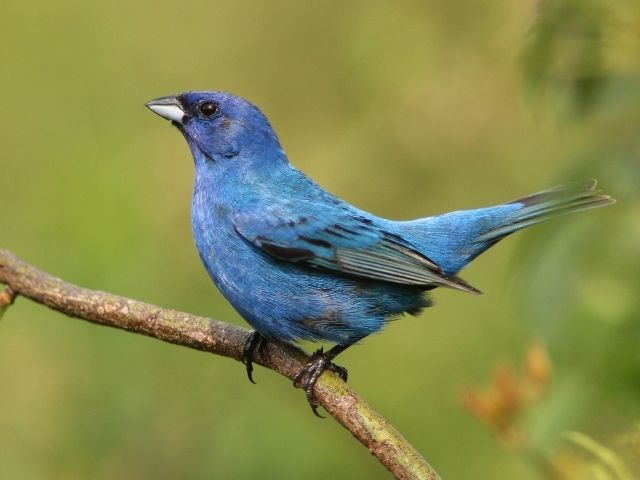
The Indigo Bunting (Passerina cyanea) appears a deep, beautiful blue. But if you were to crush a feather from an Indigo Bunting, the "blue" dust would actually be gray. The blue color is a structural color created by the way light scatters off the microscopic air pockets and keratin structures within the feather's barbs.

Beyond the Feathers: Skin, Bills, and Legs
The avian palette extends beyond the feathers to other parts of a bird's anatomy. The color of a bird's bare skin, bill, and feet is often as striking and significant as its plumage.
Facial and Skin Colors
Many birds have brightly colored skin on their faces and legs, often for signaling. The color is usually derived from carotenoids in their diet.
The Northern Mockingbird (Mimus polyglottos), while known for its gray plumage, has a dark bill and legs.
The American Flamingo (Phoenicopterus ruber), while not a common sight in the U.S. outside of its Florida habitat, is a perfect example of this. The flamingo’s famous pink plumage and skin color come from carotenoids in the algae and crustaceans it eats.
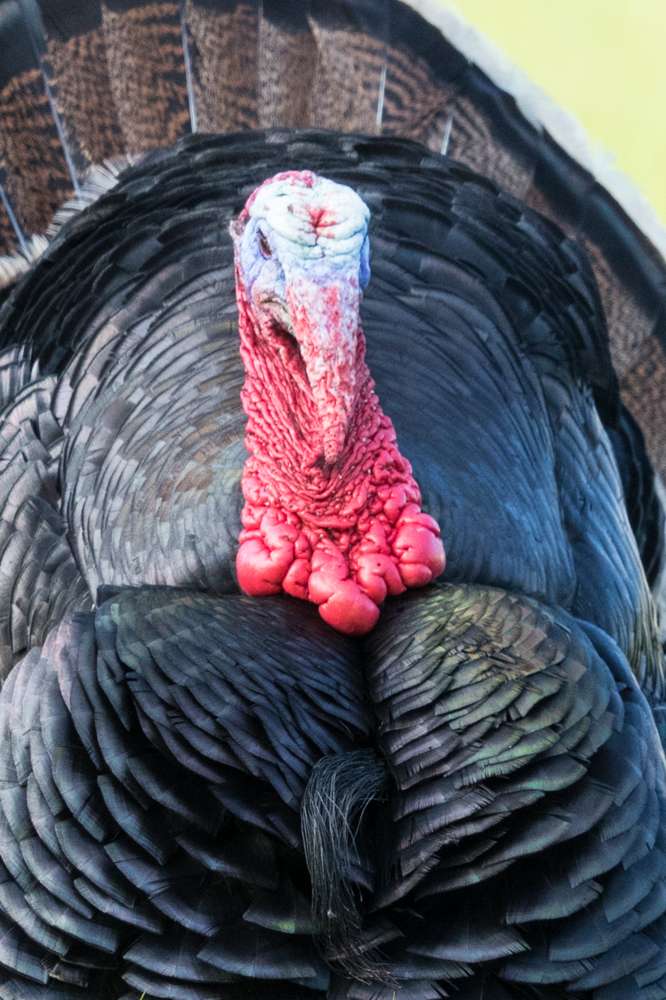
The striking red facial skin of the Wild Turkey (Meleagris gallopavo) is another example. The color is a signaling mechanism, with males showing a brighter red during courtship displays to signal their health and vigor.
Bill and Leg Colors
The color of a bird's bill and legs can be an important indicator of its health, age, or breeding condition. These colors are often produced by pigments, sometimes in combination with other biological mechanisms.
The American Goldfinch, whose plumage color changes with the seasons, also has a bill color that changes. During the winter, the bill is a dull gray, but in the summer, it turns a bright orange. This is a clear signal of its readiness to breed.
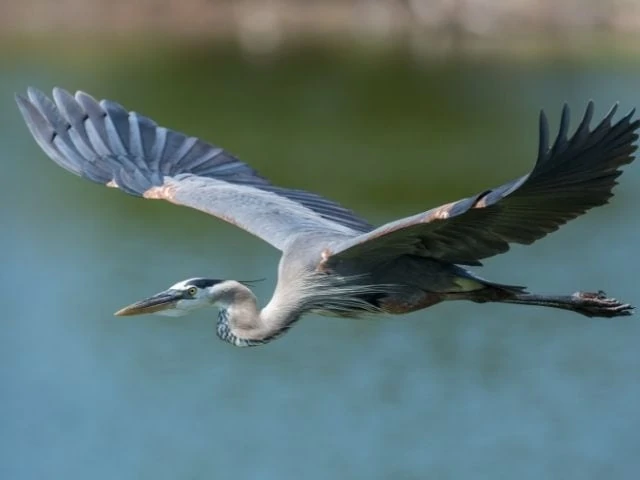
The bright yellow legs of a Great Egret (Ardea alba) and the dark bill of a Great Blue Heron (Ardea herodias) are both features that help identify them but also serve as important signals in their social interactions.
Wrapping Up
The dazzling array of colors we see in U.S. birds is a testament to the incredible complexity of nature. From the simple, structural color of a blue jay’s feather to the diet-dependent hues of a cardinal, each splash of color tells a story of adaptation, survival, and communication. A bird's appearance is not a simple coat of paint; it is a masterpiece of biological engineering, a fusion of chemistry and optics that reminds us of the endless wonders waiting to be discovered, right in our own backyards.
Read more about different regional bird colors.
