
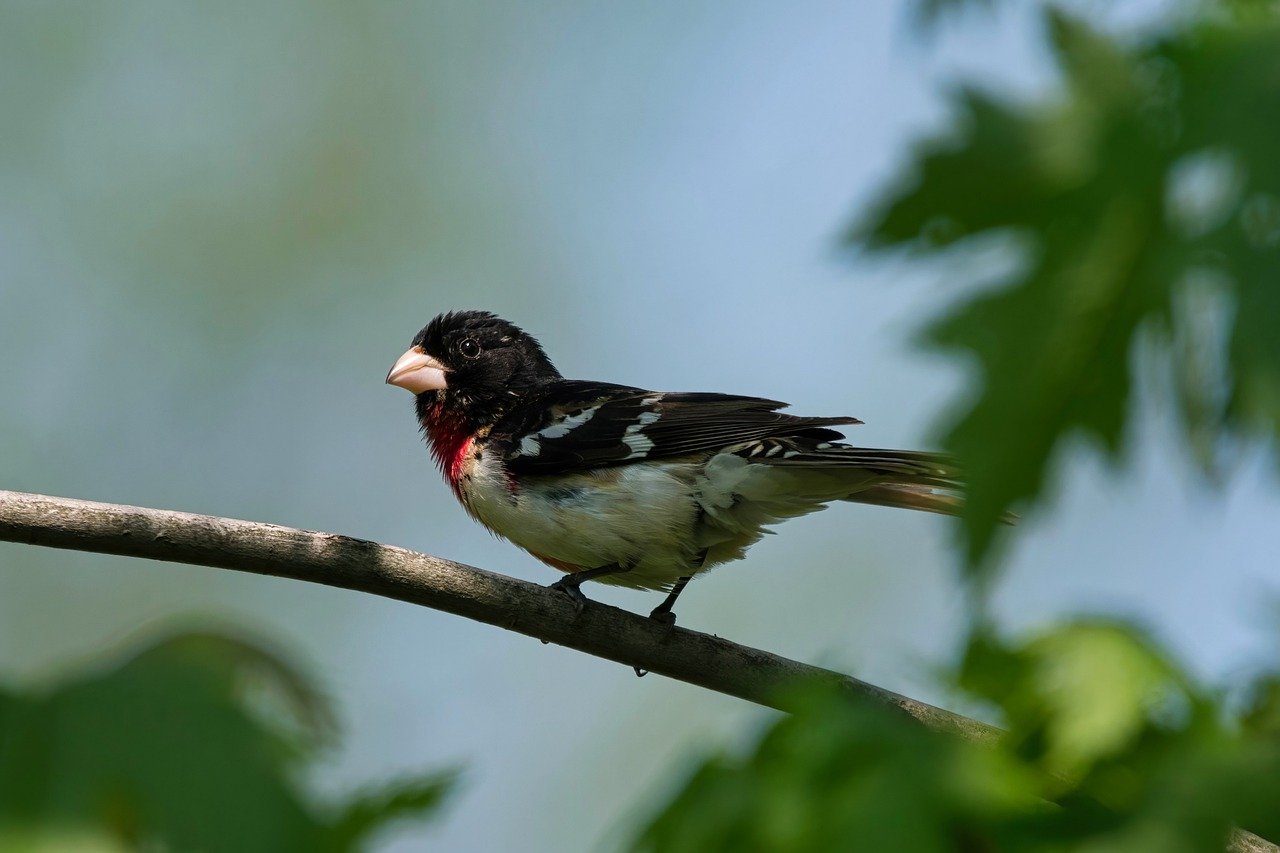
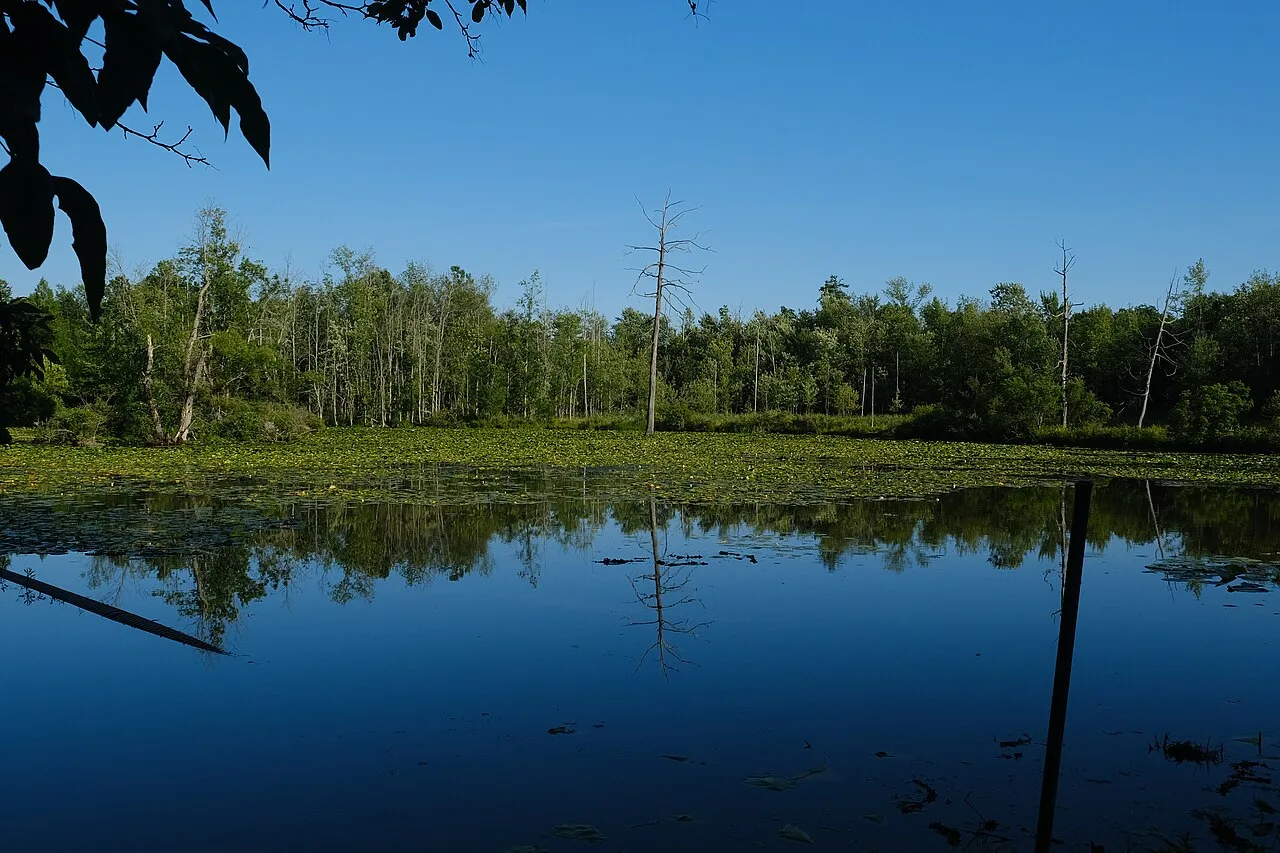
Located in Ithaca, New York, Sapsucker Woods Sanctuary surrounds the world-famous Cornell Lab of Ornithology. Spanning 230 acres of sanctuary grounds, this haven encompasses vibrant swamp forest, hardwood stands, open ponds, and marshland. As an international hub for avian science and conservation, Sapsucker Woods integrates state-of-the-art accessibility features into both its natural trails and its visitor infrastructure, ensuring that mobility-impaired birders can enjoy world-class birding in complete comfort.
Accessible Infrastructure & Sanctuary Features
Sapsucker Woods was engineered with universal design principles at its core, creating an exceptionally welcoming environment for visitors using wheelchairs, mobility scooters, rollators, or strollers.
The Visitor Center Glass Observatory: The Imogene Powers Johnson Center for Birds and Biodiversity features a vast, climate-controlled indoor viewing gallery. Outfitted with floor-to-ceiling glass windows, comfortable seated viewing stations, stereo sound feeds from external microphones, and high-end spotting optics mounted at accessible heights, it offers an unmatched indoor birding experience directly overlooking Sapsucker Pond.
Wide, Step-Free Trail Network: Outside, the sanctuary features flat, wide trails that wind around the pond and through the forest. Smooth, hard-packed crushed stone paths connect seamlessly to engineered wooden boardwalks that cross wet forest habitat without steps, root obstacles, or steep gradients.
Low-Profile Edge Guards: Boardwalk sections feature sturdy, low-profile safety kick-rails, giving seated observers an unobstructed view into the understory and across the water without visual obstructions.
Shade Ramadas & Seating Bays: Resting benches and covered viewing platforms with dedicated wheelchair spaces are placed at regular intervals along the main loop trails, allowing visitors to rest or set up camera equipment out of the main flow of traffic.
Dedicated Parking & Facilities: Paved, van-accessible parking spaces are located right outside the visitor center entrance. The building offers step-free automated doors, wide corridors, low-profile information counters, and fully ADA-compliant restrooms.
Target Birds at Sapsucker Woods
The combination of forest canopy, swamp floor, brushy edges, and open pond habitat attracts a rich variety of breeding and migratory species throughout the year.
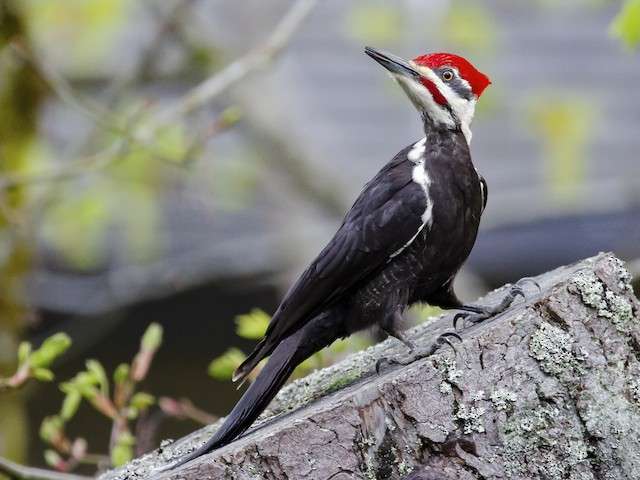
Woodpeckers & Tree Caretakers: Pileated Woodpecker (a sanctuary staple often seen foraging on large snags), Yellow-bellied Sapsucker, Red-bellied Woodpecker, Hairy Woodpecker, Downy Woodpecker, and Northern Flicker.
Waterfowl & Wetland Birds: Wood Duck (frequently nesting and feeding near the visitor center pond), Hooded Merganser, Mallard, Ring-necked Duck, Great Blue Heron, Green Heron, and Belted Kingfisher.
Raptors & Owls: Barred Owl (frequently heard roosting or calling in the swamp forest), Cooper’s Hawk, Broad-winged Hawk, and Red-tailed Hawk.
Forest & Feeder Songbirds: Red-breasted Nuthatch, White-breasted Nuthatch, Black-capped Chickadee, Tufted Titmouse, Rose-breasted Grosbeak, Scarlet Tanager, Wood Thrush, and various migrating warblers during spring and autumn.

Visiting Tips for Accessible Birding
Indoor & Outdoor Flexibility: If weather turns chilly or rainy, move inside to the Visitor Center observatory for birding through the glass overlooking active feeding stations and the pond.
Optimal Seasonal Timing: Spring (May) offers peak songbird migration through the hardwoods, while autumn brings colorful foliage and arriving winter waterfowl.
Interactive eBird Kiosks: While visiting, explore the indoor digital touchscreens and live eBird displays inside the lab to check real-time local sightings and map out target species across the sanctuary.
