

Nestled along the Atlantic Flyway, Rhode Island offers some of the Northeast's most compelling and diverse bird watching experiences. Despite its small size, the Ocean State boasts an impressive variety of habitats—from coastal dunes and salt marshes to dense inland forests—that attract over 400 species of birds throughout the year.
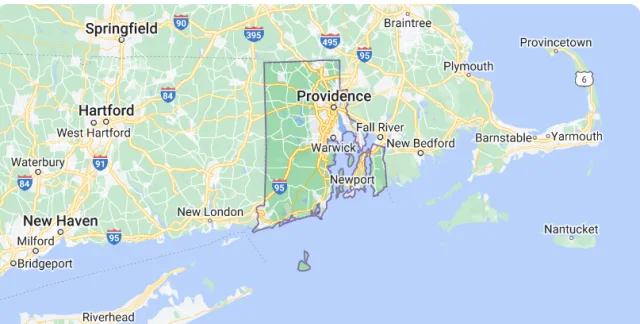
Whether you're a seasoned birder chasing rare migrants or a casual nature lover hoping to spot a new species, Rhode Island provides countless opportunities. Key locations like the legendary migrant trap of Block Island, the tranquil woodlands of Snake Den State Park, and the dramatically beautiful coastal refuge of Sachuest Point National Wildlife Refuge (NWR) stand out as essential destinations, promising memorable sightings across all four seasons. Get ready to explore a birder's paradise where every trail and shoreline offers a chance to connect with the state’s abundant and beautiful avian life.
Block Island
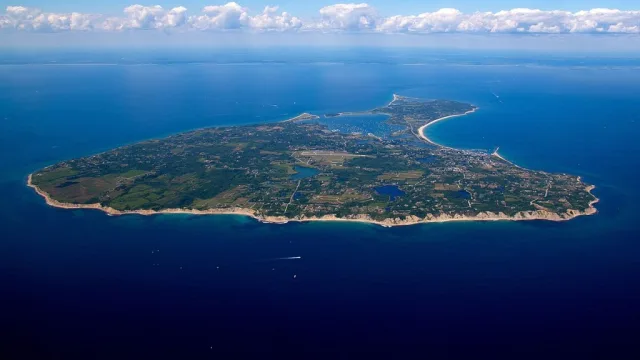
The location and unique glacial geography of Block Island make it an internationally renowned birding hotspot. Situated approximately 12 miles south of mainland Rhode Island in the Atlantic Flyway, this small, pear-shaped island acts as a critical stopover point for migratory birds traveling along the East Coast. Formed by receding glaciers, the island’s terrain features a distinctive mix of habitats in a compact area: rolling coastal dunes, sandy beaches, the impressive 200-foot-high clay cliffs of the Mohegan Bluffs, dense shrub thickets, and over 300 freshwater ponds.
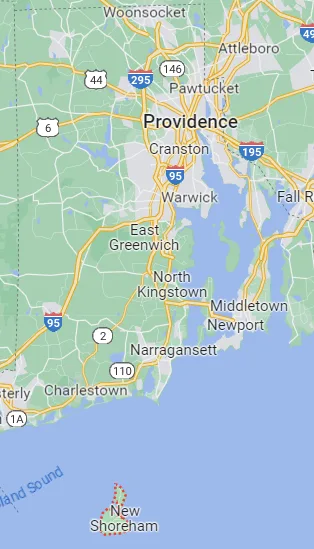
This combination of rugged coastline and isolated maritime habitats, with nearly half the island preserved for conservation, provides a perfect—and often life-saving—resting and refueling station for species making long ocean crossings.
Block Island’s fame among birders stems from its consistent ability to host a spectacular influx of migratory birds, particularly during the fall. The island’s position puts it in the path of numerous songbirds and raptors, including rare "vagrants" that are blown off course and use the island as the first patch of land they encounter.
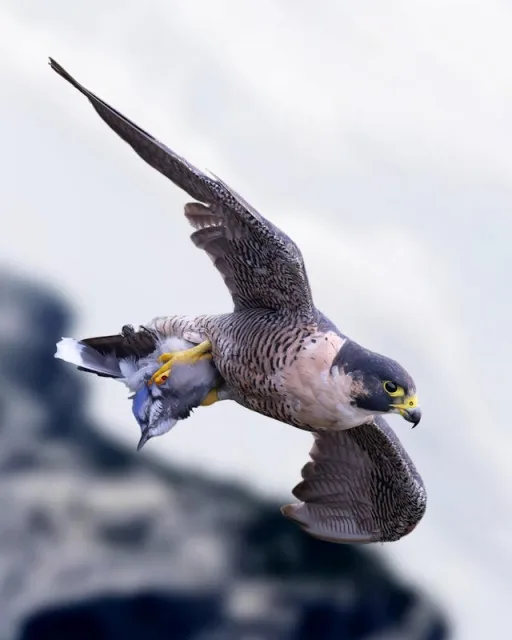
Prime birding spots include the Block Island National Wildlife Refuge on the northern tip, which is a magnet for warblers, sparrows, and other small songbirds, as well as the coastal meadows of Rodman’s Hollow, which are excellent for spotting raptors like Peregrine Falcons and Northern Harriers. Enthusiasts regularly record over 250 species here annually, making the short ferry ride an essential pilgrimage for anyone looking to witness the spectacle of the Atlantic Flyway.
Target Birds
American Oystercatcher
Wilson's Storm Petrel
Least Sandpiper
Northern Harrier
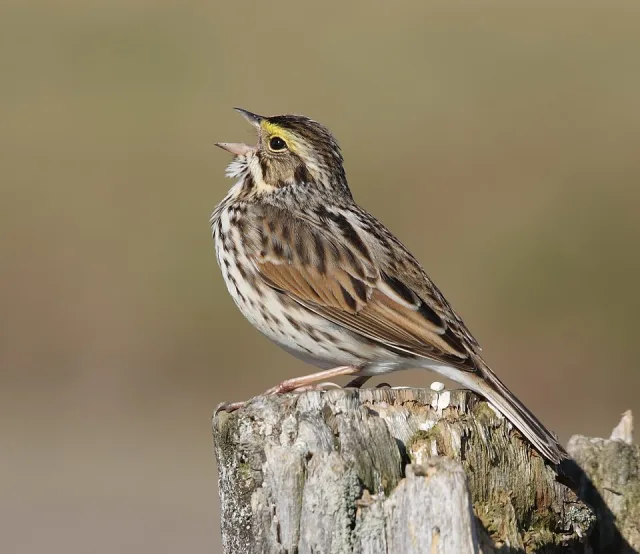
Savannah Sparrow
Rose-breasted Grosbeak
Great Northern Diver
The U.S. Fish and Wildlife Service has background information about the island as well as access details
Norman Bird Sanctuary
The Norman Bird Sanctuary is a vital 325-acre non-profit wildlife refuge situated on Aquidneck Island in Middletown, Rhode Island, just a few miles from Newport. Established in 1949, it represents the largest area of preserved open space in Newport County. Its geography is remarkably varied, encompassing a coastal mosaic of hay fields, rolling woodlands, freshwater ponds, and dramatic rocky bluffs that provide spectacular views of the Atlantic Ocean and Sachuest Bay, particularly from the iconic Hanging Rock overlook.
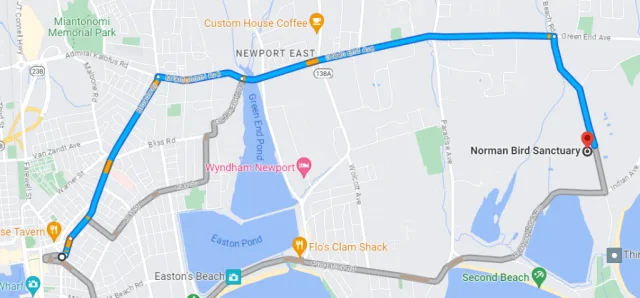
This diverse topography, coupled with its strategic position near the coast, makes the Sanctuary an ecological crossroads that supports a wide range of resident and migratory species.
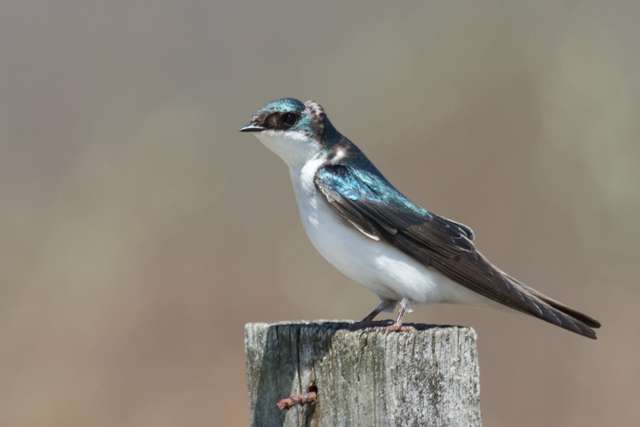
The Sanctuary's varied habitats provide exceptional bird watching throughout the year, with over 230 species recorded on the property. Birders can traverse seven miles of well-maintained trails to seek out specific species: the open grasslands are critical for nesting birds like Bobolinks and Tree Swallows, while the dense woodlands shelter songbirds such as Downy Woodpeckers and Gray Catbirds.
The freshwater ponds attract aquatic birds, including Great Egrets, Green Herons, and various waterfowl. Crucially, the Sanctuary’s location directly on the Atlantic Flyway makes it a hotspot during the spring and fall migrations, drawing in a rich assortment of raptors, shorebirds, and colorful neo-tropical songbirds as they stop to rest and refuel.
Target Birds
Belted Kingfisher
Bobolink
Black-crowned Night Heron
Scarlet Tanager
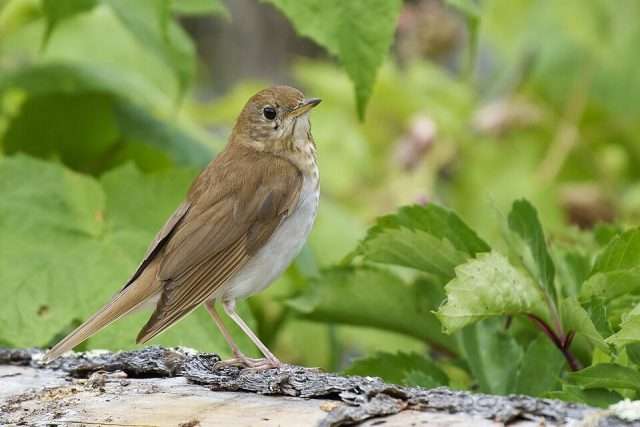
Veery
Kentucky and Blackpoll Warbler
Virginia Rail
- Scarlet Tanager
The Norman Bird Sanctuary has a website and has access information as well as specific details for birders.
Beavertail State Park
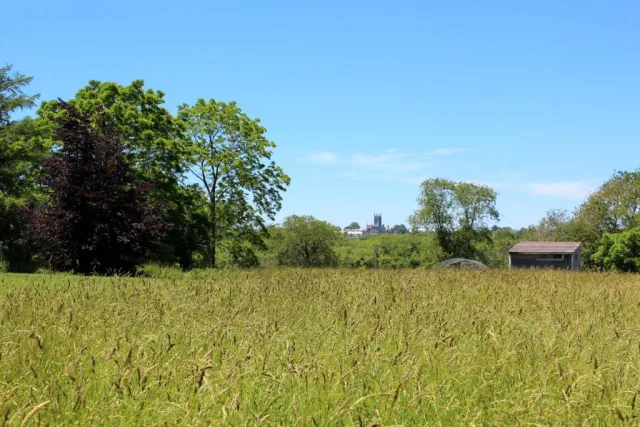
Beavertail State Park occupies the rugged, dramatic southernmost tip of Conanicut Island in Narragansett Bay, placing it in a premier location for coastal observation. Geographically, the park is characterized by its starkly beautiful rocky shoreline, natural coves, and grassy fields, all leading to the historic Beavertail Lighthouse—the third oldest lighthouse site in North America.
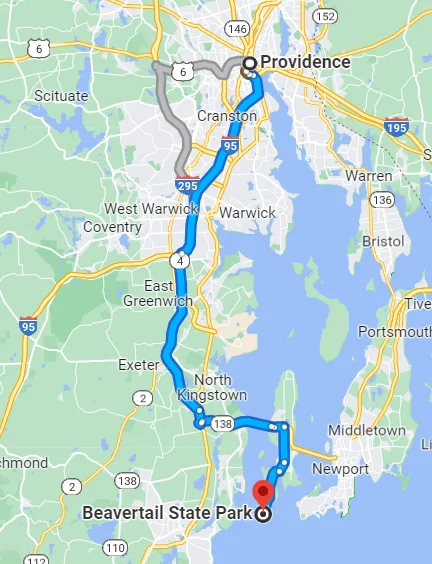
This exposed peninsula juts directly into the Atlantic Ocean, marking the entrance to Narragansett Bay. This unique, uninterrupted coastal exposure makes its geography a magnet for both resident and migratory marine life, contrasting sharply with the more sheltered areas of the Bay. The 153-acre park's combination of open ocean views and limited upland shrubbery creates distinct habitats for different avian species.
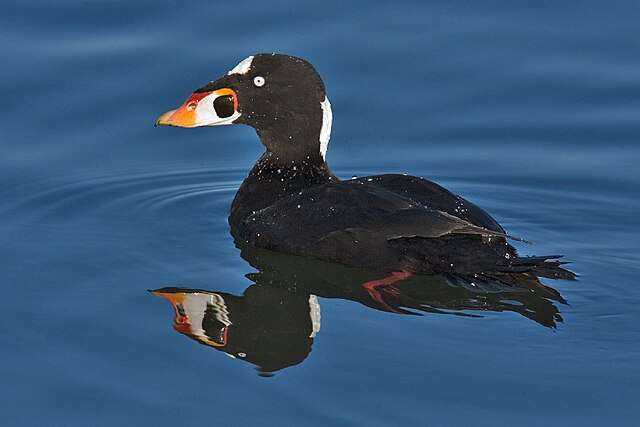
For birdwatchers, the park's key geographical position makes it a phenomenal spot for sea duck and pelagic birding, particularly during the late fall and winter seasons. The offshore waters are a critical wintering area where observers can spot rafts of Common Eider, various scoters (such as Black and Surf Scoters), and, most notably, the beautiful and highly sought-after Harlequin Duck, which the park is one of the most reliable places to see in the state.
Birders can also look for loons and grebes closer to the rocks, while the grassy fields and shrublands serve as important cover for migrating songbirds, like sparrows and warblers, stopping to rest during their spring and fall journeys along the Atlantic Flyway. Beavertail's accessibility and panoramic overlooks make it a highly rewarding spot for all levels of birding enthusiasts.
Target Birds
Osprey
Common Eider
Great Black-backed Gull
Black Scoter
Great Horned Owl
Razorbill
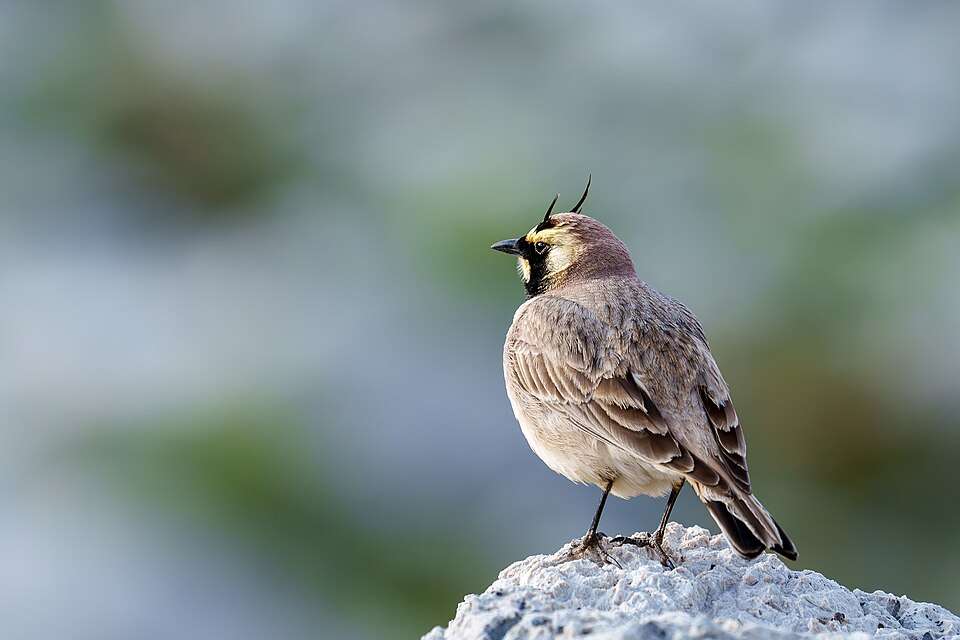
Shore Lark
The Rhode Island State Parks website has visitor information for those wishing to sightsee, bird or take part in recreational activities.

Trustom Pond NWR
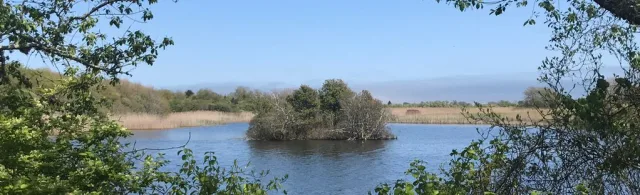
Trustom Pond National Wildlife Refuge (NWR) is a crucial 787-acre coastal sanctuary located in South Kingstown, along the southern shore of Rhode Island. The refuge is geographically centered on Trustom Pond itself—the state's only undeveloped coastal salt pond, a beautiful, non-tidal lagoon separated from the Block Island Sound by a fragile barrier beach and dune system. The terrain is a dynamic mix of habitats, transitioning from sandy shorelines and coastal scrub to rolling grass fields, shrublands, dense woodlands, and red maple swamps.
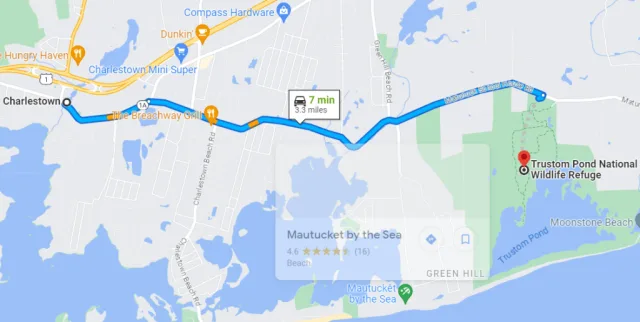
This unique blend of ecosystems, shaped by glacial activity, creates an essential stopover point for migratory species on the Atlantic Flyway, ensuring that Trustom Pond NWR is an important and diverse habitat year-round. The accessibility of the refuge is enhanced by approximately three miles of gently sloping trails, including the popular Otter Point and Osprey Point trails, which lead to elevated viewing platforms overlooking the pond.
With nearly 300 species of birds recorded, the opportunities for bird watching at Trustom Pond NWR are exceptional and varied across the seasons. The main attraction is the coastal wetland, which hosts large numbers of waterfowl, including various species of ducks and mergansers, during the fall and winter. The pristine barrier beach is a critical nesting site for threatened species such as the Piping Plover and Least Tern, making it a vital location for shorebird enthusiasts in the spring and summer.

Meanwhile, the inland habitats of fields, scrub, and woodland offer excellent birding for passerines; birders frequently spot a variety of warblers, sparrows, flycatchers, and raptors like the Osprey and Northern Harrier. Whether observing the seasonal migration from an observation deck or patiently searching the shrublands for a secretive songbird, Trustom Pond NWR provides one of Rhode Island’s most tranquil and rewarding birding experiences.

Target Birds
Least Bittern
Blue-winged Warbler
Brown Thrasher
Black-billed Cuckoo
Green Heron
Bald Eagle
Spotted Sandpiper
The U.S. Fish and Wildlife Service gives up to date access information about the area.
Quonochontaug Breachway
The Quonochontaug Breachway is a vital geographical feature located on Rhode Island's southwestern coast, separating the deep, saline Quonochontaug Pond from the turbulent waters of Block Island Sound and the Atlantic Ocean. Situated primarily in the town of Charlestown, with the pond itself split between Charlestown and Westerly (where the western end meets the Weekapaug community), the breachway is a stabilized, rocky channel constructed in the 1950s.
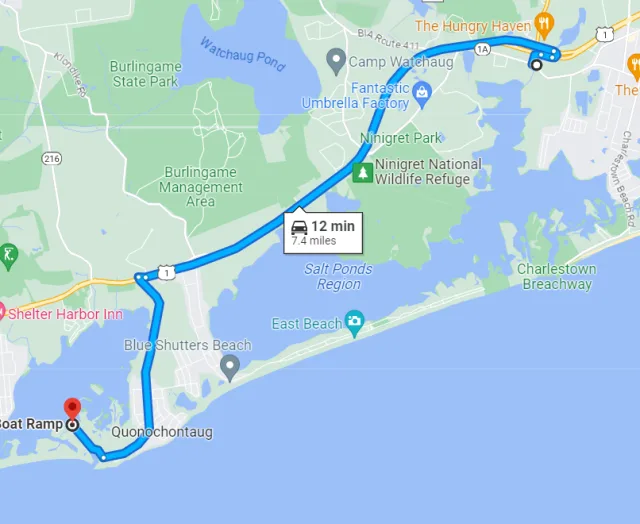
It cuts through a relatively undeveloped coastal barrier beach, creating a dynamic transition zone where ocean currents meet the calm lagoon. This unique convergence of habitats—rocky jetties, tidal flats, salt marsh, open pond, and barrier beach—makes the Quonochontaug area an ecologically rich environment, often referred to by locals as "Quonnie."
This mosaic of geography translates directly into outstanding bird watching opportunities. The tidal flats and surrounding salt marshes, particularly on the pond side, serve as critical feeding and roosting grounds for shorebirds during the spring and fall migrations, with species like plovers, sandpipers, and godwits being common sights. The jetties themselves attract seabirds and waterfowl, offering excellent views of loons, various scoters, and eiders, especially in the cooler months.

Moreover, the extensive salt marshes ringing the pond provide essential nesting habitat for secretive birds like the Saltmarsh Sparrow and Marsh Wren. For birders, the breachway area is a productive, year-round hotspot that offers a classic New England coastal birding experience, contrasting the open ocean species with the marsh-dwelling and estuarine birds.
Target Birds
Willet
Fish Crow
Least Tern
Piping Plover
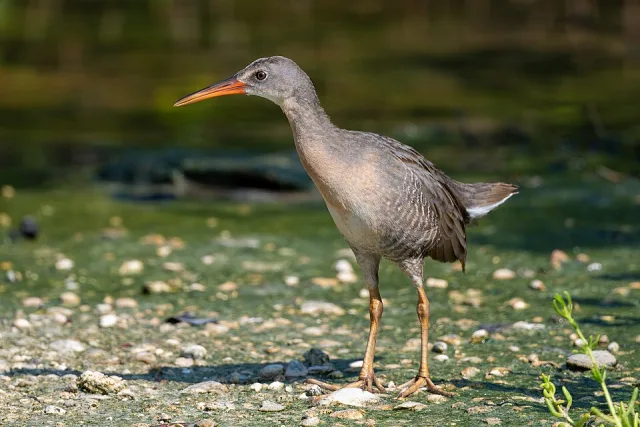
Clapper Rail
White-rumped Sandpiper
Baltimore and Orchard Oriole
The AllTrails website has some details about access to the area and the potential activities there.
Napatree Point
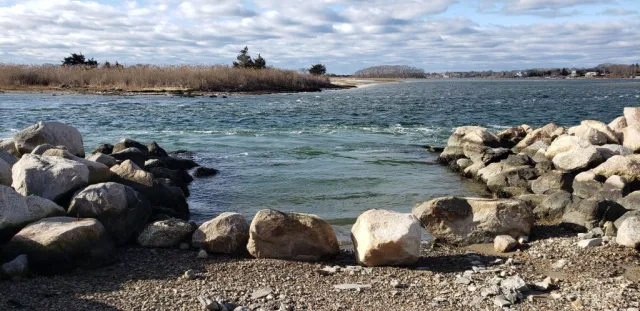
Napatree Point Conservation Area is a slender, 1.5-mile-long sandy peninsula in Westerly, Rhode Island, that extends westward into Block Island Sound, effectively separating the ocean from Little Narragansett Bay. Its unique geography as a barrier beach, formed by longshore drift and remnants of a glacial moraine, creates a pristine and diverse coastal ecosystem. The peninsula is a mix of dynamic dunes, salt marsh, beach strand, and a crucial tidal lagoon, making it the southernmost and westernmost point of mainland Rhode Island.
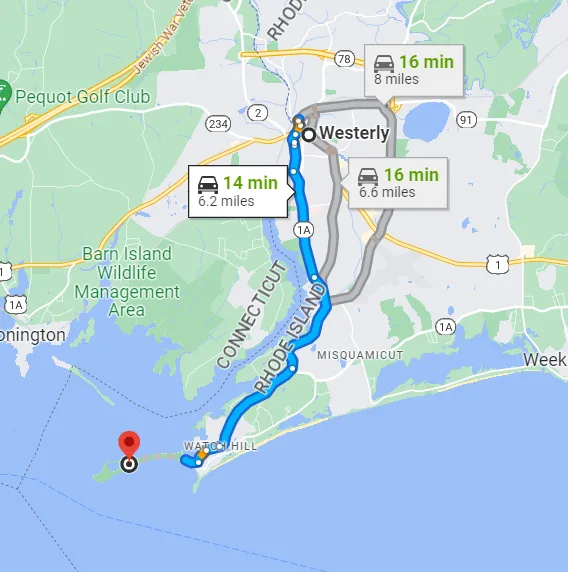
This isolated location and array of habitats are the primary reasons Napatree Point has been formally designated a "Globally Important Bird Area" by the National Audubon Society, serving as an irreplaceable stopover for migratory species.
The Conservation Area offers spectacular bird watching year-round, but it is particularly famous during the spring and fall migrations. As a prominent land-mass jutting out into the Atlantic Flyway, it funnels thousands of migratory birds, from songbirds and raptors to shorebirds and seabirds, seeking rest and forage.
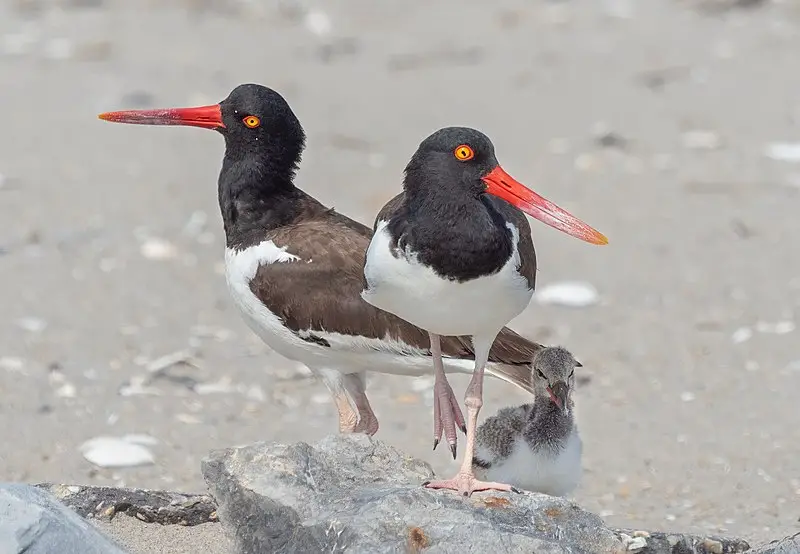
The mudflats and lagoon are vital feeding grounds for state and federally listed species such as Piping Plovers, American Oystercatchers, and Least Terns, which also nest on the protected beaches. Birders flock here to observe the dramatic hawk migration in the fall, spotting Merlins, Peregrine Falcons, and Ospreys, in addition to an impressive variety of rarities that occasionally drop in, a testament to the site's critical ecological role.
Target Birds
Gray Plover
White-rumped and Semipalmated Sandpiper
Roseate Tern
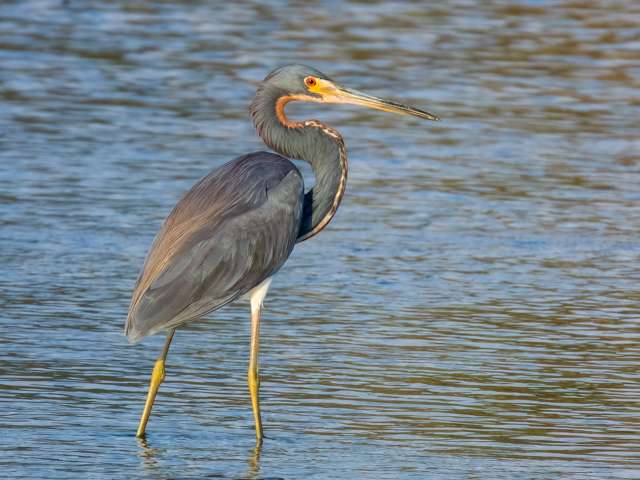
Tricolored Heron
Red-necked Phalarope
Long-tailed Duck
Swamp Sparrow
- Shore Lark
The Watch Hill Conservancy has information on regular walks through the area, as well as specific birding details.
Sachuest Point NWR
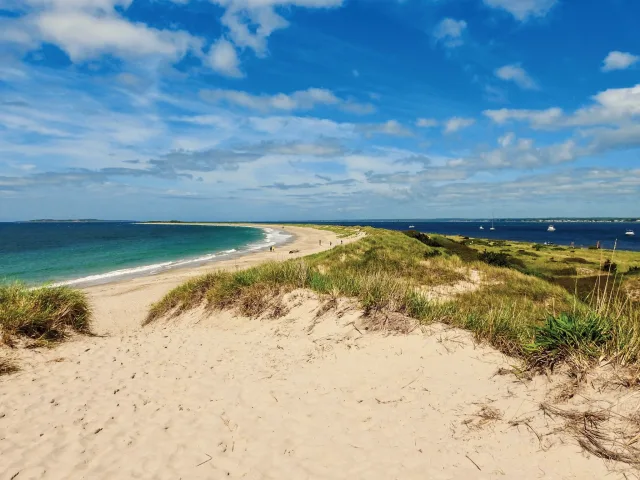
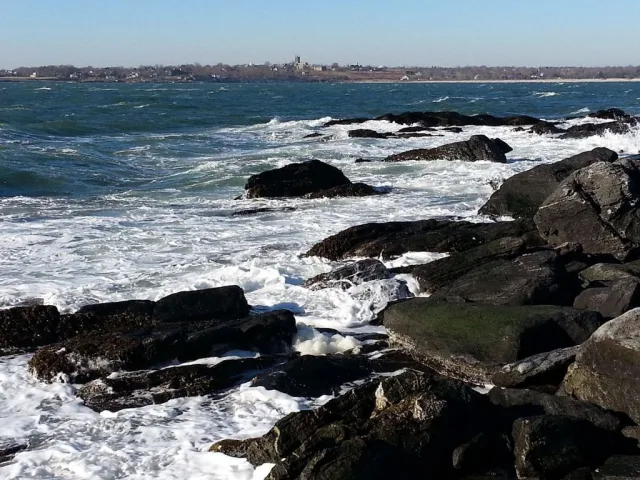
Sachuest Point National Wildlife Refuge (NWR) is a small, 242-acre coastal sanctuary situated on a peninsula in Middletown, Rhode Island. Its distinctive geography is defined by its exposed location between the Sakonnet River and the Atlantic Ocean, resulting in a dramatic, windswept landscape of rocky shoreline, upland shrubland, and a significant salt marsh.
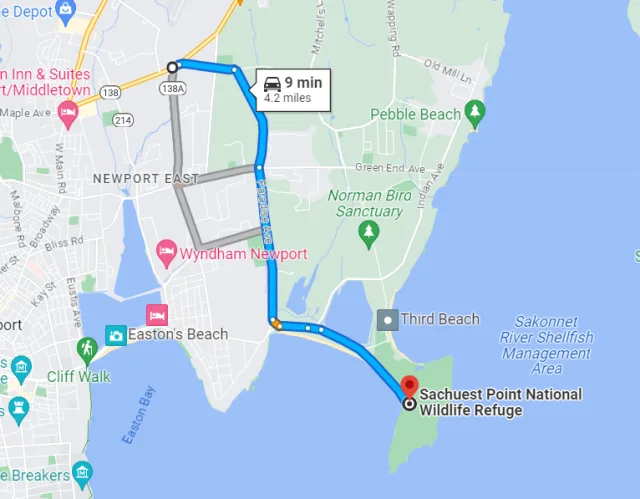
The refuge's three miles of easily accessible trails and viewing platforms loop around the perimeter, providing spectacular, unobstructed vistas of the sea and varied habitats. This unique combination of environments makes Sachuest Point an exceptionally vital stopover and wintering area along the Atlantic Flyway, attracting both resident and migratory species.
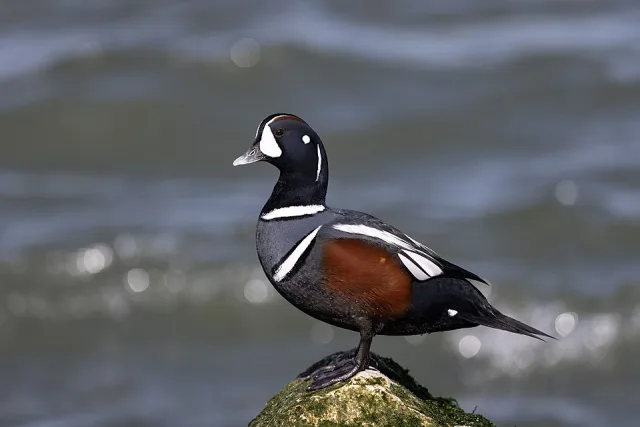
The refuge is particularly renowned for its spectacular winter birding opportunities, hosting one of the East Coast's largest wintering populations of the vividly colored Harlequin Duck, which can be seen foraging among the rocky intertidal zones from November through March. In colder months, birders also scan the ocean for other wintering sea ducks like all three species of Scoter, as well as Common Loons and Northern Gannets.
The upland fields and shrublands are patrolled by raptors such as Northern Harriers and occasional Snowy Owls, while the salt marshes provide critical habitat for species like the Saltmarsh Sparrow and are crucial nesting grounds for threatened Piping Plovers in the summer, solidifying Sachuest Point's reputation as a premier bird watching destination year-round.

Target Birds
Common Tern
American Redstart
Greater Scaup
Surf Scoter
Ruddy Turnstone
Red Knot
Slavonian Grebe
The USFWS has important information about closures and access. When planning a trip, start here.
Succotash Marsh
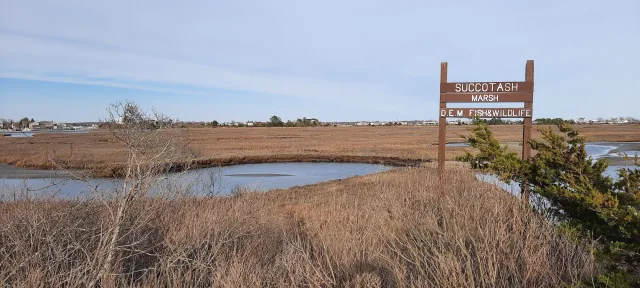
Succotash Marsh is a crucial coastal wetland located in South Kingstown, Rhode Island, and is part of the larger Succotash Marsh Wildlife Management Area. Geographically, it forms an extensive salt marsh complex situated near Point Judith Pond and the Atlantic Ocean, including the marsh unit often studied at Potter Pond. This low-lying, estuarine environment is dominated by salt-tolerant grasses like Spartina alterniflora and Spartina patens, a habitat profile that is increasingly rare and vital along the New England coastline.
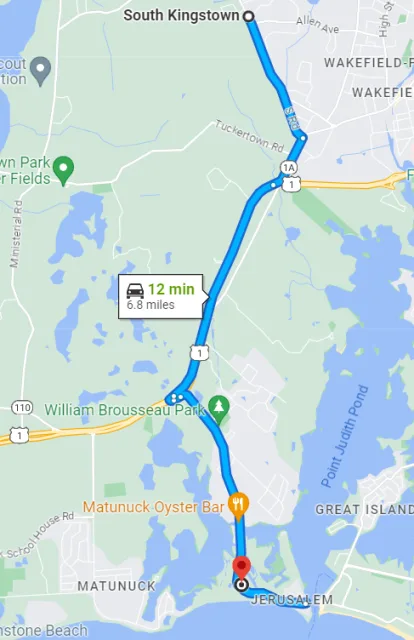
The area is a key feature of the region's coastal barrier ecosystem, acting as a natural buffer and a highly productive nursery for marine life. The marsh's proximity to the shore and its connection to larger coastal ponds make it a dynamic landscape susceptible to tidal fluctuations and storm events, which have also made it a classic site for geological research into ancient hurricane deposits.
The rich, intertidal geography of Succotash Marsh makes it an excellent and reliable spot for bird watching, especially for species that rely on coastal wetland habitats. The marsh is recognized for its ornithological significance, primarily as an important breeding ground and stopover for the Saltmarsh Sparrow, an at-risk species dependent on this specific high-marsh habitat.
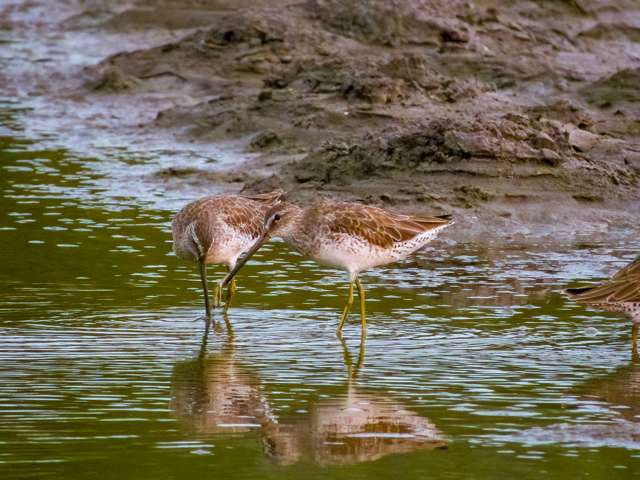
Birders can also reliably spot a variety of wading birds and waterfowl, including different species of egrets and herons hunting in the shallow tidal creeks and mudflats. In addition to these resident and summering marsh birds, the area attracts numerous migratory shorebirds during the spring and fall migrations, offering opportunities to observe a diverse list of species that use the Atlantic Flyway.

Target Birds
Short-billed Dowitcher
Sanderling
Red-bellied Woodpecker
Wilson's Snipe
White-winged Scoter
Goosander
American Avocet
The Audubon website has a 2023 report about the area and its development.
Snake Den State Park
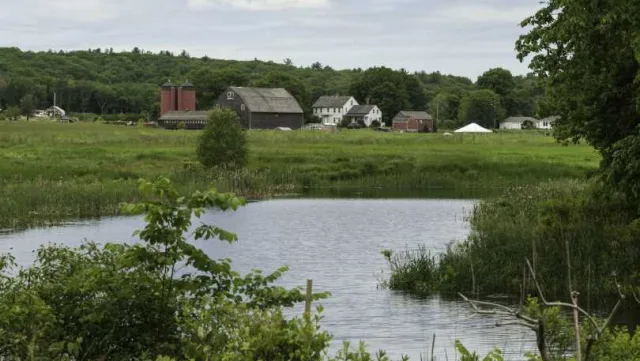
Snake Den State Park is a significant inland sanctuary located in the town of Johnston, a short distance west of Providence in central Rhode Island. Spanning approximately 1,000 acres, the park's geography is characterized by a blend of valuable habitats typical of the state's interior.
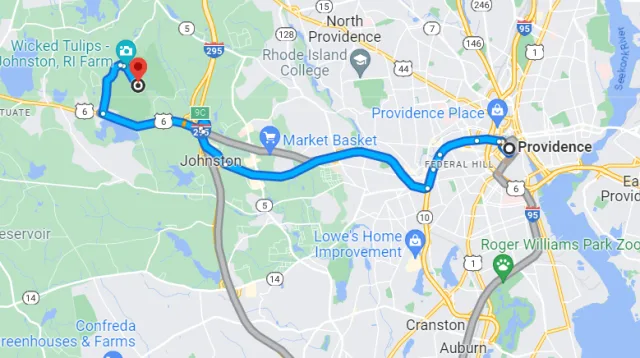
It features undeveloped woodlands, established open fields, pastureland associated with the historic Dame Farm—which continues to operate—and distinct geological features, including the eponymous canyon-like fissure, or "den." This mix of habitats, including forested areas, wetlands, and open agricultural fields, creates a diverse and crucial ecological interface, providing an essential green space within the greater Providence metropolitan area.
For birdwatchers, the park's varied landscape makes it an excellent location to observe a wide array of non-coastal species. The wooded areas and brushy thickets along the walking trails are particularly productive during spring and fall, serving as a stopover for migratory songbirds like warblers, vireos, and thrushes.
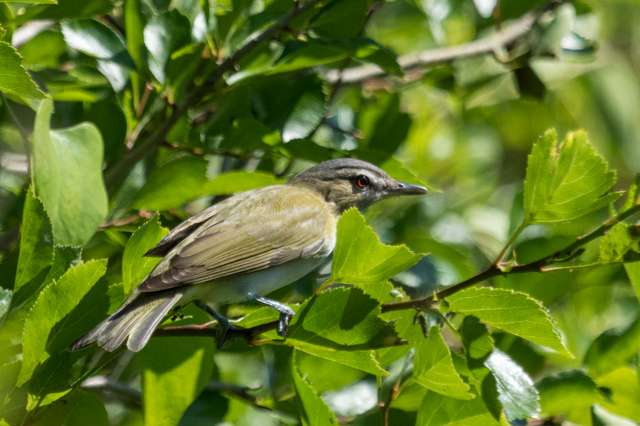
The open fields and former farmlands—managed in part to preserve agricultural heritage—attract raptors, various field sparrows, and other open-country birds, offering sightings of species less common along the coast. With over 100 bird species recorded, including resident hawks and nesting songbirds, Snake Den State Park provides a vital opportunity for inland birding, making it a compelling complement to Rhode Island's more famous coastal hotspots.
Target Birds
Red-shouldered Hawk
Warbling and Red-eyed Vireo
Brown Creeper
Ovenbird
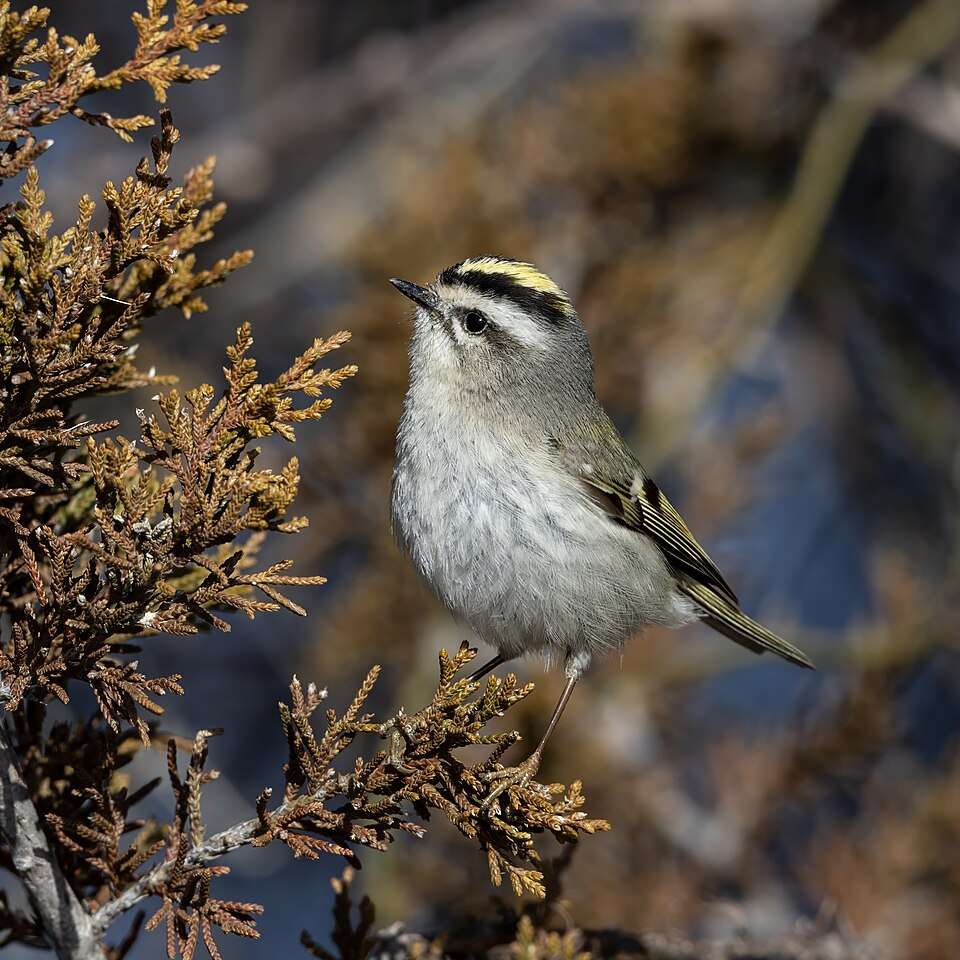
Golden-crowned Kinglet
Dickcissel
Rusty Blackbird
- Vesper Sparrow
The Rhode Island Government has general information an a history of the park.
Wrapping Up
The variety of habitats across Rhode Island ensures that birdwatching opportunities extend far beyond the rich, yet localized, inland landscape of Snake Den State Park. While Snake Den offers an essential look at woodland and grassland species of the interior, a complete picture of the state’s avian diversity must include its coastal gems. For migratory shorebirds and other saltmarsh specialties like the Saltmarsh Sparrow, locations such as the Galilee Bird Sanctuary/Succotash Marsh Management Area provide critical tidal flats and marsh grass habitat.
Meanwhile, on Aquidneck Island, the Norman Bird Sanctuary complements both by offering a diverse 325-acre coastal refuge featuring woodlands, fields, and rocky ridges overlooking the Atlantic, acting as a vital stop along the Atlantic Flyway for over 230 recorded species. Together, these locations underscore Rhode Island's remarkable ecological complexity, confirming its reputation as a premier destination for bird enthusiasts seeking both inland and coastal avian encounters.
