

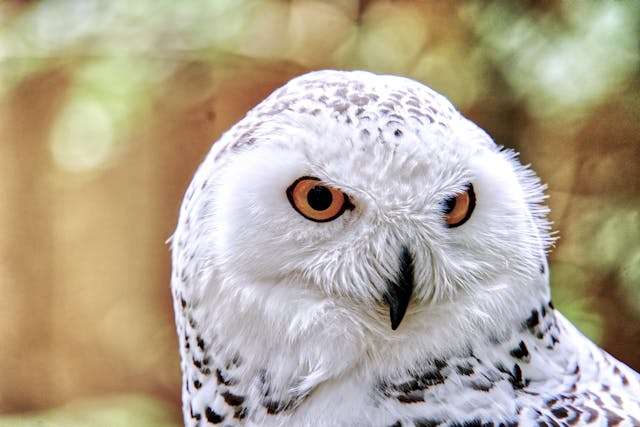
In the world of birding, there is a distinct shot of adrenaline that comes with spotting something that shouldn't be there—a Fork-tailed Flycatcher in a New Jersey meadow or a Snowy Owl resting on a Florida beach. These vagrants or rare visitors are more than just exciting ticks for a life list; they are vital data points that help scientists understand the changing rhythms of our planet.
However, a rare bird sighting only truly exists in the scientific record if it is properly documented and reported. Whether you are a backyard enthusiast or a seasoned trekker, knowing how to validate and share your discovery is a fundamental skill in modern ornithology.
Why Reporting Matters
Every year, thousands of birds veer off course due to storms, genetic mis-orientation, or shifts in food sources. Reporting these sightings serves three critical purposes:
Tracking Climate Change: Rare sightings often signal shifting ranges. If a southern species begins appearing consistently further north, it provides tangible evidence of how warming temperatures are altering avian habitats.
Conservation Action: If a rare or endangered species is found breeding in a new area, local authorities can move to protect that specific habitat from development or disturbance.
Scientific Peer Review: Citizen science platforms like eBird have revolutionized biology. By submitting a report, you contribute to a global database used by researchers to map migration corridors and population health.
Making Sure: The Art of Identification
Before you hit submit, you must be certain of what you saw. Rare bird committees have a high bar for evidence because a single false report can skew years of data.
1. The "Sesame Street" Method
The best way to spot a rarity is to be an expert on the common birds. When you know every nuance of your local Song Sparrows and House Finches, a rarity will stand out because 'one of these things is not like the others'. Don't look for what the bird is first; look for what it isn't.
2. Note-Taking in the Moment
The human brain is notoriously good at filling in the blanks after we look at a field guide. To avoid this bias, write down or record voice notes of the bird’s physical characteristics before opening your birding app or book. Focus on:
Size and Shape: Is it chunky like a starling or sleek like a swallow?
Bill Morphology: Is the bill crossed, hooked, thin, or bulbous?
Soft Parts: Note the color of the legs, the iris of the eye, and the gape.
Behavior: Was it bobbing its tail? Did it catch insects mid-air or forage on the ground?
"Your Smartphone is Now a Birding Guru: The AI Apps Transforming Bird ID"
3. Documentation is King
In the digital age, a naked eye sighting of a mega-rarity is rarely accepted without physical proof.
Photos: Even a blurry, distant photo can be enough to confirm field marks. If you don't have a long lens, try digiscoping—holding your smartphone camera up to your binoculars or spotting scope.
Audio: If the bird is singing but hidden, use your phone’s voice memo app. Sound signatures are often more diagnostic than plumage.
Where to Report Your Sighting
Once you have your evidence, there are several channels to notify the community and the scientific world.
| Platform | Purpose |
| eBird | The gold standard. Submitting a checklist here alerts local reviewers and adds the bird to the Cornell Lab of Ornithology’s database. |
| State Records Committees | Each state has a committee of experts (e.g., the California Bird Records Committee). For "mega-rarities," you should fill out a formal Rare Bird Report form on their specific website. |
| ABA Rare Bird Alert | The American Birding Association (ABA) tracks rarities across the continent. Tagging posts with #ABArare on social media helps spread the word to the community. |
| Local Listservs/Groups | Many regions use Discord, WhatsApp, or email listservs to alert local birders in real-time so others can see the bird. |
The Ethics of the Chase
If you find a rare bird, you have a responsibility to the bird’s safety. Before sharing the exact coordinates, consider the location. Is it on private property? Is the bird exhausted or near a sensitive nesting site?
If the bird is a sensitive species (like an owl), many platforms will automatically hide the location to prevent crowds from stressing the animal. Always follow the ABA Code of Birding Ethics: the bird’s well-being must always come before your desire to share the find.
Reporting a rare bird is your chance to transition from a spectator of nature to a contributor to its protection. By taking careful notes, capturing what evidence you can, and sharing it through the proper channels, you help ensure that your once-in-a-lifetime find leaves a lasting legacy for science.
The Most Famous of Rarities
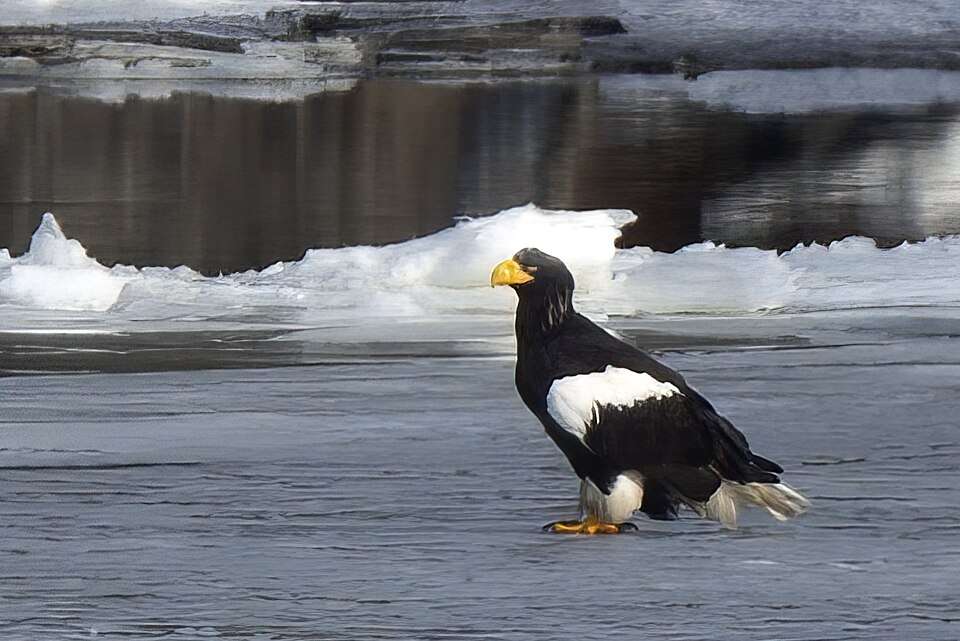
1. Steller’s Sea-Eagle (The Great Wanderer)
In 2021 and 2022, a single Steller’s Sea-Eagle—a massive raptor native to Eastern Russia and Japan—became a celebrity in North America. It was spotted in Texas, then New Brunswick, and eventually spent months in Maine and Massachusetts. It was thousands of miles from home, yet it managed to survive and thrill thousands of onlookers.
2. Ivory-billed Woodpecker (The 'Grail' Bird)
Historically found in the swamp forests of the Southeast, this bird was long thought extinct until a series of controversial sightings in Arkansas in 2004. While no smoking gun photo has been accepted by all, it remains the most sought-after bird in the U.S., representing the thin line between extinction and hope.
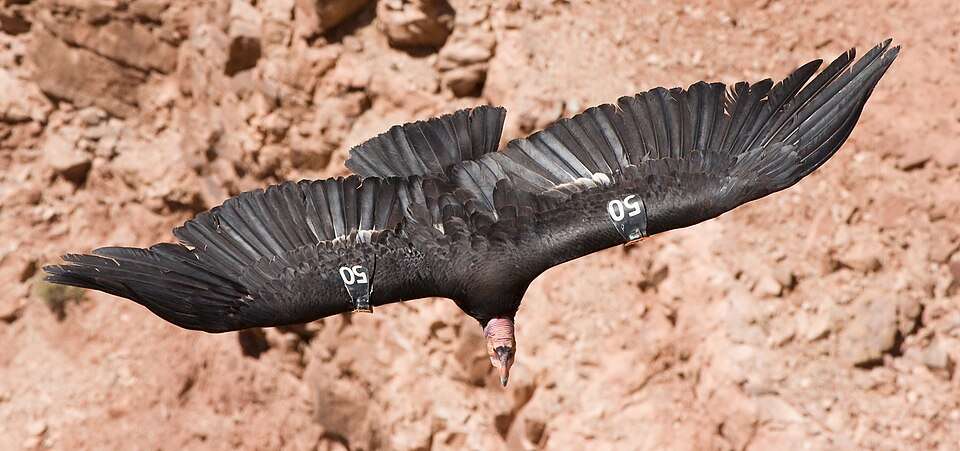
3. California Condor (The Comeback King)
In 1987, only 22 individuals remained on Earth. In a desperate move, all were captured for breeding. Today, thanks to one of the most intensive conservation efforts in history, hundreds soar over the Grand Canyon and California’s pinnacles. Seeing one—with a 9.5-foot wingspan—is like seeing a living fossil.
4. Stresemann's Bristlefront (The Loneliest Bird)
Deep in the Atlantic Forest of Brazil lives perhaps the rarest bird in the world. For years, only one single female was known to exist. It is a 'bristlefront' (named for the stiff feathers on its forehead), and its survival is so precarious that its exact location is often kept a closely guarded secret.
5. Northern Lapwing (The Trans-Atlantic Traveler)
Occasionally, powerful winter storms overshoot European birds across the Atlantic. In late 2012 and 2024, dozens of these crested, iridescent green plovers appeared along the U.S. East Coast. Seeing a bird that belongs in a London pasture standing in a Massachusetts parking lot is a quintessential"mega-rarity moment.
6. Spoon-billed Sandpiper (The Unique Migrant)
This tiny shorebird has a bill shaped like a perfect spatula. Breeding in the Russian Arctic and wintering in Southeast Asia, its numbers have plummeted to a few hundred pairs. Birders travel across the globe just to catch a glimpse of this specialized feeder during its migration.
7. Swallow-tailed Gull (The Galápagos Guest)
In 2024, a Swallow-tailed Gull—the world's only nocturnal gull, native to the Galápagos Islands—was recorded on Southeast Farallon Island off California. It was an incredible Code 5 (accidental) sighting, as these birds almost never venture into the Northern Hemisphere.
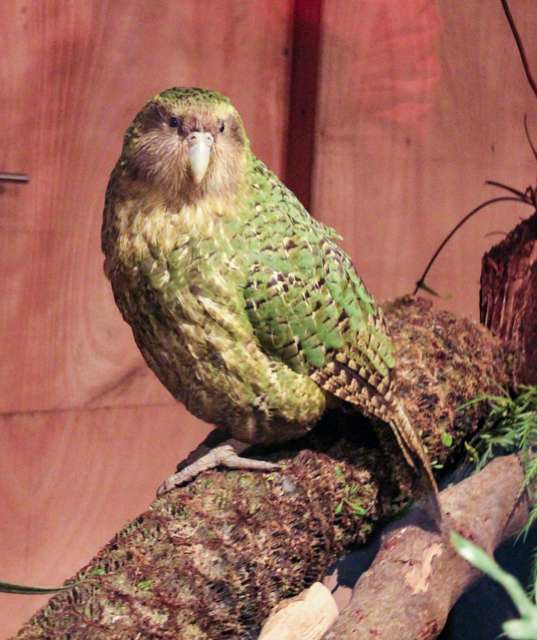
8. Kākāpō (The Flightless Parrot)
Native to New Zealand, the Kākāpō is the world’s only flightless, nocturnal parrot. It looks like a green-feathered owl and can live for 90 years. Once nearly wiped out by predators, the entire population (around 250 birds) is now individually named and heavily managed on predator-free islands.
9. Blue Rock-Thrush (The Asian Accidental)
In early 2024, a Blue Rock-Thrush appeared on the Oregon coast and later in California. This was a first-ever record for North America. Native to Europe and Asia, this stunning cobalt-blue bird likely hitched a ride on a ship or was pushed by extreme weather across the Pacific.
10. Whooping Crane (The Five-Foot Giant)
Standing nearly 5 feet tall, this is the tallest bird in North America. Their population dropped to just 15 birds in 1941. Today, after decades of humans in crane suits teaching captive-bred chicks how to migrate using ultralight planes, they have returned to the wetlands of Texas and Wisconsin.
The Visibility Bias: Why the Most Reported Birds Are Not the Most Abundant
