
The world of ornithology is currently undergoing a significant shift, focused on addressing the historical legacy of racism and colonialism embedded within the common names of North American birds. This effort is being driven by the American Ornithological Society (AOS), the principal scientific organization for the study of birds in the Western Hemisphere, as a step toward making birding and the biological sciences more inclusive and accessible.
The Rationale for Change: Honoring the Bird, Not the Person
The focus of the AOS's renaming effort is on species whose English common names are eponyms—meaning they were named after a person—and whose namesake is associated with a history of racism, slavery, or other significant human rights abuses.
For decades, many beloved North American species have been known by names like:
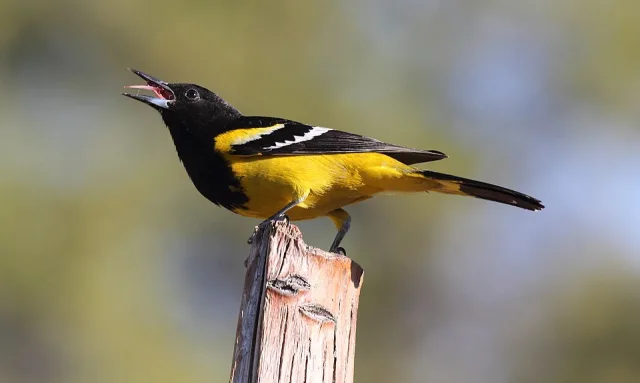
- Scott's Oriole
- Townsend's Warbler
- Cooper's Hawk
- Audubon’s Shearwater
The problem lies not with the birds themselves, but with the individuals being honored. For example, some names honor figures who actively participated in the forced removal of Native American tribes or held racist views that directly contradict modern scientific values of diversity and inclusion. The AOS recognizes that maintaining these names creates a hostile environment for many people, particularly Black, Indigenous, and other people of color, who find these names a constant, painful reminder of historical injustices.
The core principle guiding the change is to shift from names that honor people to those that are descriptive of the bird's appearance, geographic location, or unique characteristics. The goal is to ensure the name celebrates the bird, not a person whose history conflicts with ethical principles.
The Process: Prioritizing Birds with the Most Problematic Ties
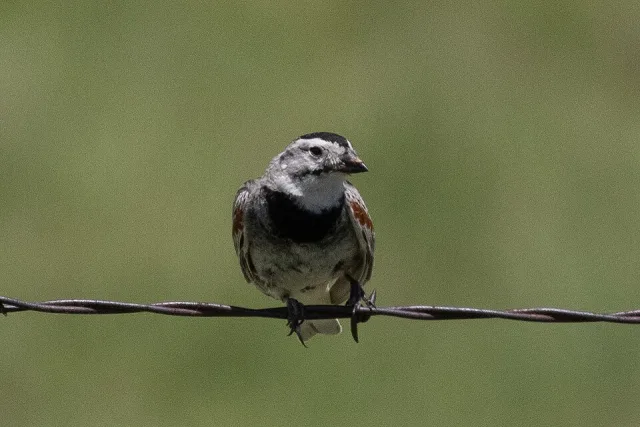
The initial momentum for change was galvanized by the naming issue surrounding the McCown’s Longspur (Rhynchophanes mccownii). The bird was named after Captain John P. McCown, a Confederate Army general who fought to uphold slavery. In 2020, in response to growing pressure, the AOS Council officially voted to change the bird's common name, rebranding it as the Thick-billed Longspur, a name that accurately describes its field mark. This successful change marked a critical turning point and demonstrated the feasibility of a broader initiative.
Building on this, in 2023, the AOS announced its formal, multi-year initiative to rename approximately 70 to 80 bird species within its jurisdiction (the U.S. and Canada) whose names are eponymous and linked to problematic histories.
The Renaming Strategy
The AOS is not simply changing names based on historical controversy alone. The comprehensive initiative involves:
- Prioritization: Focusing on North American species first and identifying those eponyms with the most egregious historical connections.
- Community-Driven Input: The process involves forming community-based working groups composed of ornithologists, social scientists, community members, and birding enthusiasts. These groups are tasked with gathering input and suggesting new, appropriate, and descriptive names.
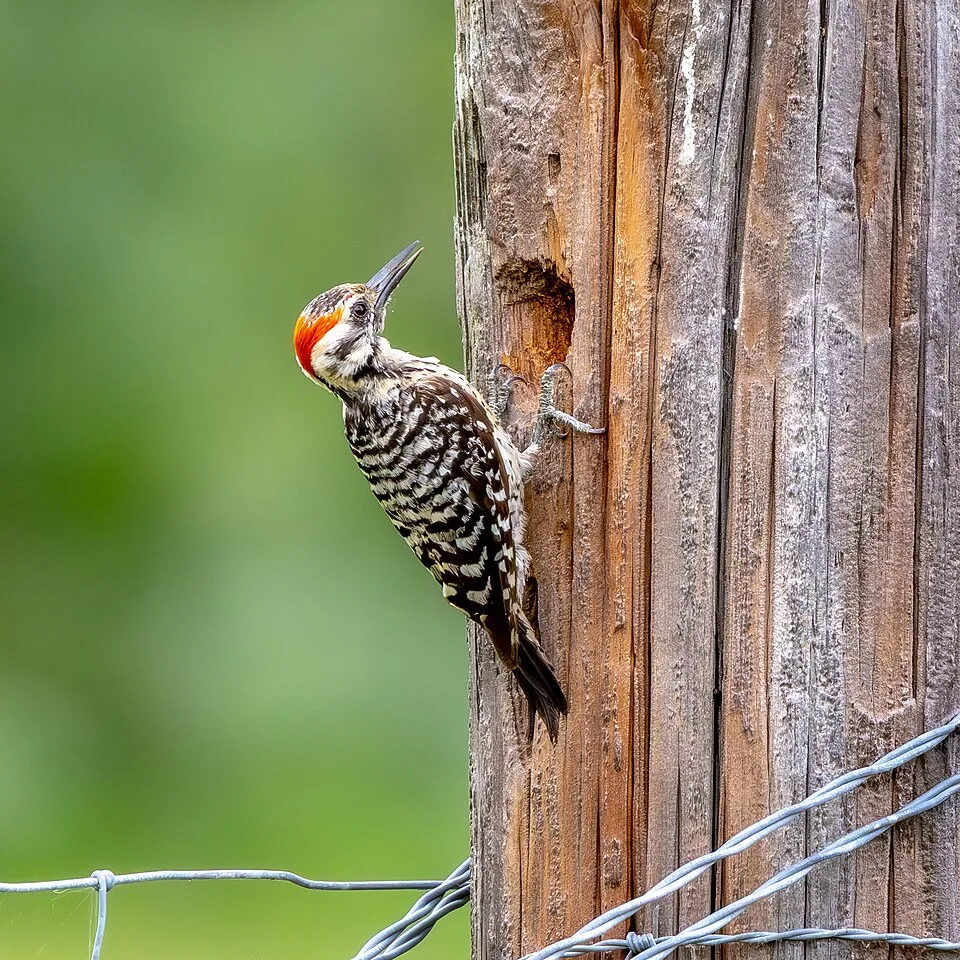
- Adoption of Descriptive Names: The new names will generally follow established ornithological conventions, emphasizing descriptive characteristics like habitat (Sage Thrasher), color (Golden-cheeked Warbler), or unique features (Ladder-backed Woodpecker).
Impact and Future Implications
The initiative has drawn significant praise from conservation groups, birding organizations, and diversity advocates, who see it as a necessary step towards correcting historical wrongs and expanding access to the hobby. As Dr. Erica Nowlis, President-elect of the AOS, noted, "Science is for everyone, and the best science results from diverse perspectives."
This renaming effort is viewed as more than just a nomenclature change; it is a vital part of the conservation movement's efforts to decolonize science. By making the language of birding more welcoming, the AOS hopes to attract a broader, more diverse group of researchers, conservationists, and birders.
The first birds to be renamed under this official broad initiative are expected to be announced in 2024, marking the beginning of a major shift in how we talk about, teach, and conserve the avian life of North America. It is a transition that acknowledges that a bird's name can no longer just be a historical footnote; it must be an invitation.
Birds Set for a Name Change: The List of Eponyms Under Review
The AOS is intentionally moving away from a case-by-case review of the person's character to avoid endless debate, choosing instead to eliminate the practice of naming birds after people entirely. However, the initial focus often includes birds whose namesakes had particularly egregious histories of racism, slavery, or violence against Indigenous peoples.
I. The Already Renamed Precedent
The movement gained critical momentum with this successful change:
| Old Eponymous Name | New Descriptive Name (Since 2020) | Named After | Reason for Change |
| McCown's Longspur | Thick-billed Longspur | John P. McCown | Confederate General who fought to preserve slavery. |
II. Well-Known Birds Headed for Renaming (Eponyms)
The following birds are among the most famous North American species whose names honor individuals and are confirmed or strongly anticipated to be on the AOS's list for replacement in the coming years.
| Current Eponymous Name | Named After (Person/Group) | Historical Issue / Problematic Legacy | Potential New Name Basis |
| Audubon's Shearwater | John James Audubon | Famous naturalist but was an enslaver and spoke out against abolition. | Descriptive of appearance or marine habitat. |
| Townsend's Warbler | John Kirk Townsend | Naturalist known to have robbed Indigenous graves for human remains. | Descriptive of markings or western habitat (e.g., "Black-faced Warbler"). |
| Cooper's Hawk | William Cooper | A founder of the New York Lyceum of Natural History; while not as overtly problematic as others, he is part of the move to eliminate all eponyms. | Descriptive of flight pattern or size (e.g., "Forest Hawk"). |
| Wilson's Warbler | Alexander Wilson | Often called the "Father of American Ornithology," but also part of the general sweep of non-descriptive eponyms. | Descriptive of its unique head color (e.g., "Black-capped Warbler"). |
| Anna's Hummingbird | Anna Masséna, Duchess of Rivoli | A wealthy French noblewoman whose husband was a patron of ornithology. | Descriptive of its iridescent crown/gorget color. |
| Bachman's Sparrow | John Bachman | Collaborator with Audubon and a slave owner. | Descriptive of its song or habitat (e.g., "Pine-woods Sparrow"). |
| Steller's Jay | Georg Wilhelm Steller | German naturalist and physician; part of the sweep of non-descriptive eponyms. | Descriptive of its striking blue color or prominent crest. |
| Harris's Sparrow | Edward Harris | Friend and financial patron of John James Audubon. | Descriptive of its black-hooded appearance or winter range. |
| Brewer's Blackbird | Thomas Mayo Brewer | Ornithologist who was an outspoken opponent of Darwin's theory of natural selection and a proponent of states' rights (Confederate sympathy). | Descriptive of its iridescent plumage or prairie habitat. |
| Barrow's Goldeneye | Sir John Barrow | British statesman and explorer who was a prominent colonial figure. | Descriptive of its distinctive head shape or breeding location (e.g., "Mountain Goldeneye"). |
| Scott's Oriole | General Winfield Scott | U.S. Army General who commanded the forced removal of Cherokee people during the "Trail of Tears." | Descriptive of its striking yellow-and-black pattern. |
| Lewis's Woodpecker | Meriwether Lewis | Explorer and leader of the Lewis and Clark expedition. | Descriptive of its unique color pattern or western habitat. |
III. The Principle: A New, Descriptive Standard
The key takeaway from this historic initiative is the pivot to descriptive names that are helpful to all people in the field:
- Habitat Names: Naming a bird after the habitat where it is most often found (e.g., Pinyon Jay, Grasshopper Sparrow).
- Feature Names: Naming a bird after a striking or distinguishing physical feature (e.g., White-throated Sparrow, Yellow-bellied Sapsucker).
- Vocalization Names: Naming a bird after its song or call (e.g., Whip-poor-will, Killdeer).
By eliminating eponyms, the AOS aims to create a nomenclature system that is both scientifically informative and socially inclusive, removing barriers to entry and ensuring that the language of ornithology focuses on the birds themselves. The new names will be rolled out gradually, starting in 2024, with public engagement being a key part of the new naming committee's process.
