
There are numerous rare bird species around the world, and identifying the absolute rarest is subjective and difficult due to factors such as population size, habitat, and the specific criteria used for rarity.
Here are some examples of birds that are considered rare on the basis of low numbers and difficulty in locating.
Spix's Macaw - Cyanopsitta spixii

Spix's Macaw is one of the rarest birds in the world and is critically endangered. It is native to Brazil and is also known as the Little Blue Macaw. The plumage of this attractive parrot ranges from vivid blue to pale gray.
This macaw is specialized in its diet, eating seeds and nuts of plants only found in small areas of Brazil. Consequently, habitat loss along with capture for the illegal pet trade have contributed to its decline. There are captive breeding programs to try to save the species and some ornithologists consider it extinct in the wild.
The Spix's Macaw, famously known as the inspiration for the movie "Rio," was officially declared "extinct in the wild" in 2019. However, thanks to a dedicated and intensive captive breeding program, a small population of these macaws has been successfully reintroduced into their native habitat in Brazil, offering a second chance for the species.
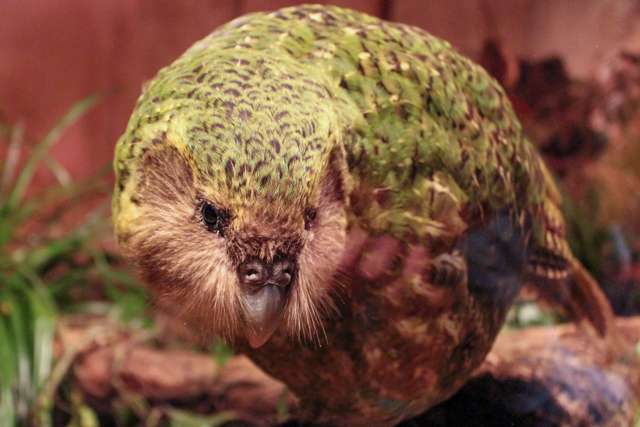
Kākāpō (Strigops habroptilus)
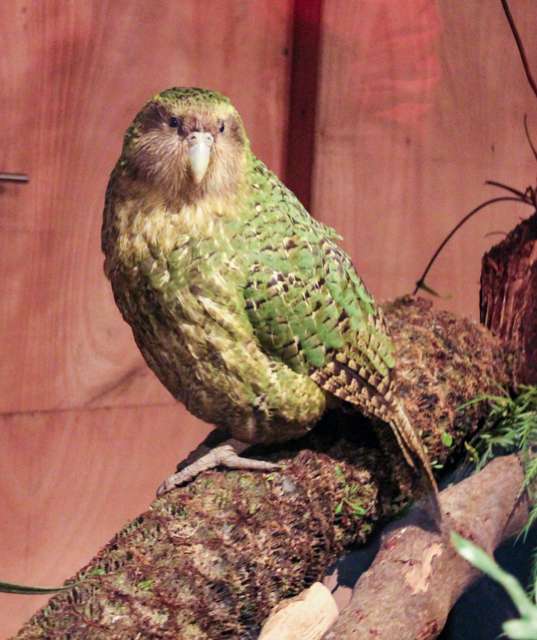
The Kākāpō is a flightless parrot species from New Zealand and is also critically endangered. It is known for being the heaviest parrot in the world and its nocturnal behavior. Conservation efforts consist of breeding programs on predator free islands. While they have been successful in stabilizing their population, they remain extremely rare with only around 300 birds left. This is complicated due to their odd and lazy breeding habits.
Because it evolved without ground predators, it has a unique defense mechanism: when threatened, it freezes in place, hoping to blend in with its surroundings. This strategy was effective against its only natural predators—large, now-extinct birds of prey—but is ineffective against introduced mammalian predators like cats and stoats, which hunt by smell.
The Kākāpō was made an internet sensation when a British celebratory reported on the species only to encounter an amorous male.
California Condor (Gymnogyps californianus)
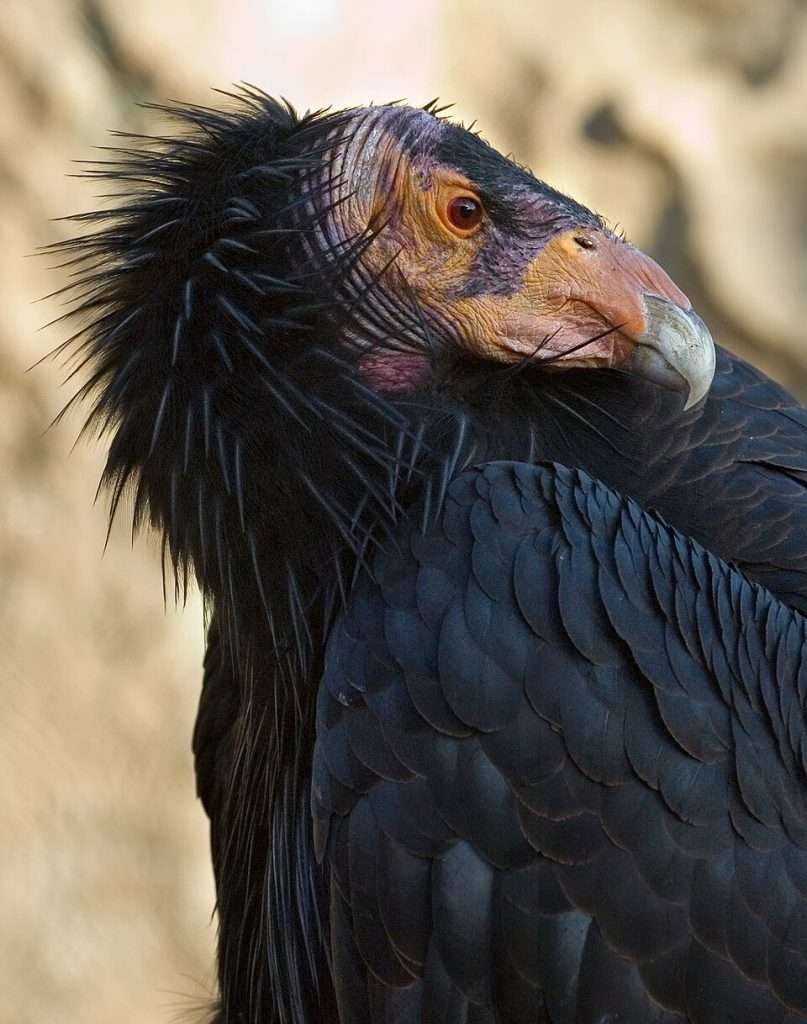
The California Condor is a vulture species that was on the brink of extinction in the 1980s, with only a handful of individuals remaining. Thanks to intensive captive breeding programs, their numbers have increased, but they are still considered critically endangered.
An interesting fact about the California Condor is that they can "double clutch." This means if their single egg is lost or taken by researchers, the parents will often lay a replacement egg to continue the nesting cycle. This behavior has been used by conservationists to their advantage, allowing them to take the first egg for puppet-rearing and induce the condor pair to lay a second egg, effectively doubling their reproductive rate and significantly aiding the species' recovery from the brink of extinction.
These huge birds (the largest in contiguous U.S.) can now be found in the wild after they were reintroduced to parts of Utah, California, Arizona and Mexico. However, it is estimated that there are still less than 400 birds in the wild.
Spoon-billed Sandpiper (Eurynorhynchus pygmeus)

The Spoon-billed Sandpiper is a small wading bird is found in eastern Russia and parts of Asia. The species has a distinct spoon-shaped bill. It is critically endangered due to habitat loss and hunting along its migration route. It is not established why this wader has suffered more dramatically than others using the Flyway but it is now estimated that there are less than 500 of this very interesting little bird left in the wild.
Instead of using its spoon-shaped bill to sweep through the water like a true spoonbill, it uses a side-to-side "sewing machine" motion, often with its head down, to find small invertebrates in the shallow mudflats. This specialized bill is equipped with a high density of nerve endings (known as Herbst corpuscles) that allow the bird to feel for its prey, acting like a sensitive microphone to detect pressure changes in the sediment caused by hidden prey.
Madagascar Serpent Eagle (Eutriorchis astur)

The Madagascar Serpent Eagle is endemic to Madagascar and is classified as critically endangered. Found in tropical and subtropical rainforests, it has suffered habitat loss and fragmentation due to deforestation. This species is a perching raptor. It sits and waits very quietly for prey to appear lower down in the forest. Then it swoops to catch the animal. It eats lemur, snakes and other amphibians.
This distinctive raptor was considered extinct for decades and was only rediscovered in the 1990s. It is unknown how birds there are as the habitat makes it difficult to survey. Sightings are very few.
Alagoas Curassow (Mitu mitu)

The Alagoas Curassow is native to northeastern Brazil. While there are captive and domestic hybrid populations, it is considered critically endangered and probably extinct in the wild.
This distinctive curassow is a pheasant-like bird with stunning glossy black/purple plumage and a rather odd circular red bill. It has faced extensive habitat loss, hunting, and capture for the illegal pet trade. There are captive breeding programs but problems of where to reintroduce them in the wild means they are likely to remain captive.
Frequently Asked Questions
What is the rarest bird in America?
The California Condor remains the rarest species in the U.S. with less than 400 birds in the wild.
What is the rarest eagle?
The Philippine Eagle is a very odd looking raptor and has suffered from habitat loss and predation. It is estimated that there are less than 500 birds in the wild.

What is the rarest owl?
The Pernambuco Pygmy Owl is only found in small pockets of northeastern Brazil. It is so rare that very little is even known about it or how many there are.
Wrapping Up
These are just a few examples of rare bird species, and there are many more that are endangered or have limited population sizes. The love for spotting rare birds is a fascinating mix of psychology, human nature, and the specific dynamics of the birdwatching hobby. It's a passion that drives people to travel great distances, spend hours in remote locations, and invest in expensive equipment.
For me, seeing a rare bird is usually a very humbling experience. It gives a sense of awe and makes me feel more connected to nature.
Let us know of other rare birds you have seen.
Check this post about the most common birds.
