
Birders in the Northeast are currently in a state of high alert. As of May 2026, a Common Cuckoo (Cuculus canorus) has been reported on eBird right here in Pennsylvania.
For those outside the birding bubble, this might sound like a simple "cool bird" sighting. But in the world of North American ornithology, this is a Mega-Rarity. This is the bird that inspired the "Cuckoo Clock," yet it is a species that almost never sets foot (or wing) in the Lower 48 states.
How Did It Get Here? (The Transatlantic Mystery)

The Common Cuckoo is a legendary long-distance migrant. Its "normal" life involves breeding in Europe or Asia and flying thousands of miles to spend the winter in sub-Saharan Africa. So, how did one end up in the Keystone State?
There are two primary ways a Cuckoo reaches the U.S.:
The "Reverse Migration" Glitch: Young birds sometimes have a "glitch" in their internal GPS. Instead of flying south to Africa, they fly west or northwest. If they hit a strong weather system—like a fast-moving Nor’easter or Atlantic gale—they can be swept across the ocean.
The Alaskan Shortcut: Some Asian populations of Common Cuckoos regularly stray into the Aleutian Islands of Alaska. However, for one to reach Pennsylvania, it would have to cross the entire North American continent—a much rarer feat.
Most experts believe the Pennsylvania bird likely followed the "East Coast Corridor," possibly crossing from Europe via Iceland and Greenland before moving down the Atlantic coast.
Why Do They Come to the U.S.?
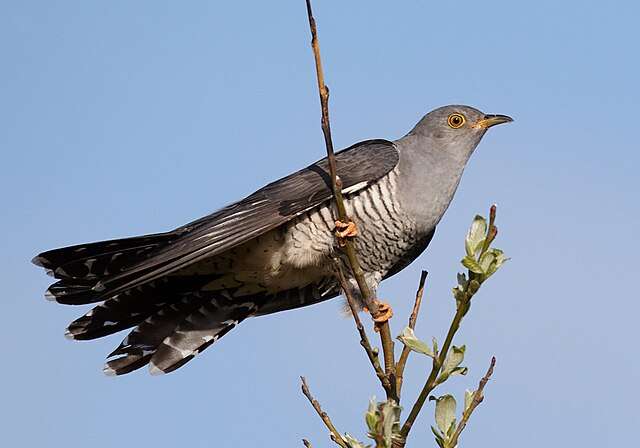
To be clear: They don’t mean to.
The Common Cuckoo is what birders call a "vagrant." They aren't expanding their range or looking for new territory; they are usually "lost" individuals.
Vagrancy: These birds are often victims of extreme weather or genetic navigation errors.
The Caterpillar Connection: Once they land in the U.S., they stay because our forests are surprisingly hospitable. Common Cuckoos specialize in eating hairy caterpillars (like gypsy moth larvae), which many of our native birds avoid. Pennsylvania's lush May forests are essentially an all-you-can-eat buffet for a hungry Cuckoo.
Where Are They Usually Seen?
If you want to see a Common Cuckoo in North America, your odds are usually best in:
Western Alaska: During late May and June, they are occasional visitors to the remote islands of the Bering Sea.
The Atlantic Coast: Previous "legendary" sightings have occurred in places like Rhode Island, Massachusetts, and famously on Long Island, NY in 2025.
The Pennsylvania sighting is particularly special because it is an inland record. It suggests the bird may be moving through river valleys or Appalachian ridges, following the same paths as our native Yellow-billed and Black-billed Cuckoos.
How to Identify the "Clock Bird"
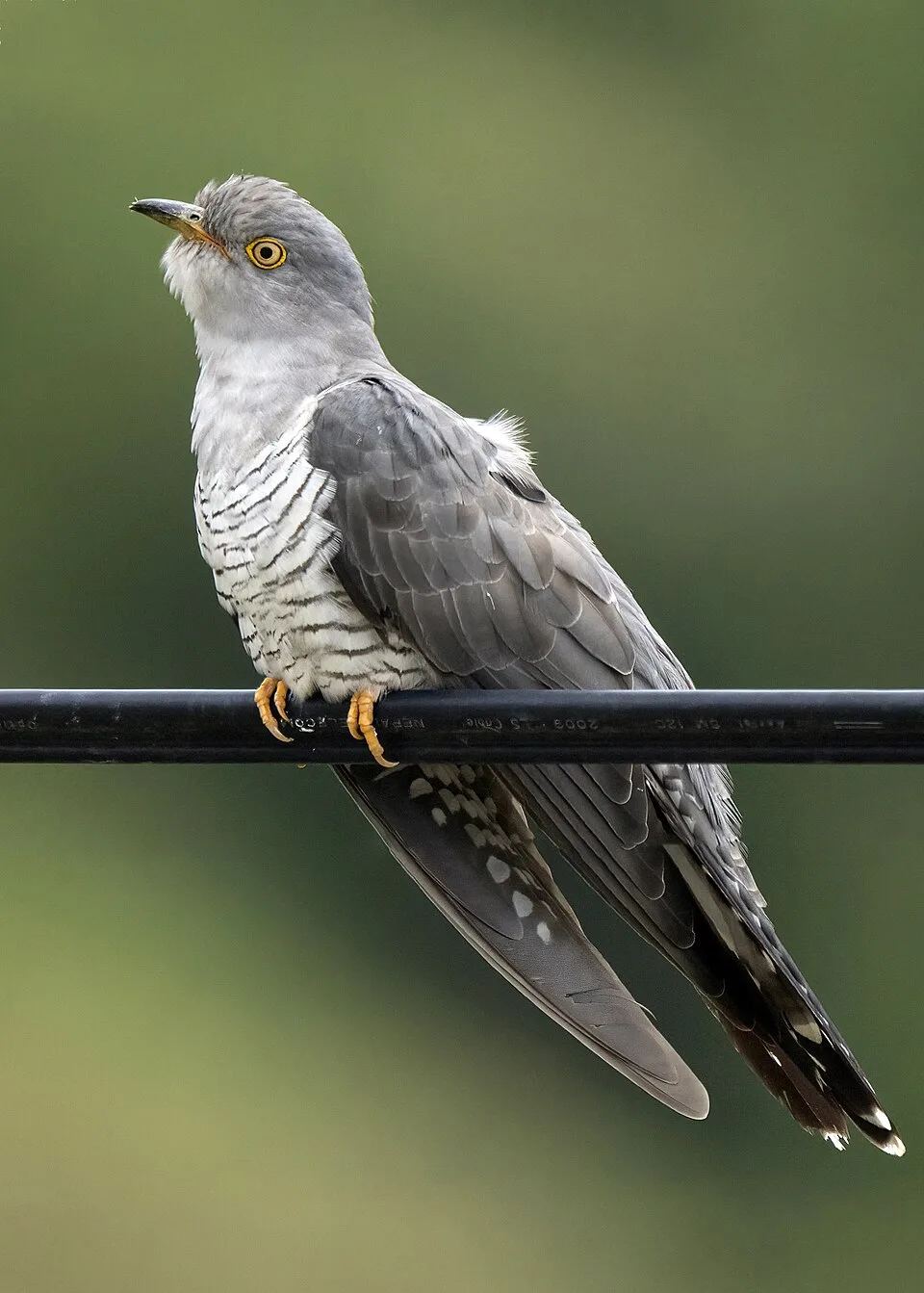
If you’re out in the woods this week, keep your eyes peeled for a bird that looks like a "Hawk-Dove" hybrid:
The Look: They have long, pointed wings and a long, rounded tail. Their underparts are white with crisp, dark horizontal bars (making them look a bit like a Cooper’s Hawk).
The Song: Only the males give the iconic "COO-koo" call. Females have a distinct, bubbling "laughing" call.
The Behavior: They tend to sit still on high branches, scanning for caterpillars, before flying with a direct, steady wingbeat.
A Once-in-a-Lifetime Opportunity
A Common Cuckoo in Pennsylvania is a "Stop Everything and Drive" bird. If the report holds steady, this bird will likely be the highlight of the 2026 spring migration season.
