
In the dynamic world of birding, yesterday's rarity can become today's local celebrity. Driven by a combination of range expansion due to climate change, successful conservation efforts, and the exponential growth of citizen science platforms like eBird, some species once considered almost mythical are now being reliably sighted across new areas of the United States.
For the dedicated birder, these species represent the cutting edge of distribution and the thrill of witnessing real-time ecological change. They are the exciting new "ticks" that are suddenly within reach. Here are seven rare birds that Americans are spotting more often than ever before, and where you stand the best chance of finding them.
The Range Expanders: Heading North and East
Climate change is fundamentally altering the distribution maps of many species, pushing southern birds further north and western birds east into new territories.
1. Black-Bellied Whistling-Duck (Dendrocygna autumnalis)

A decade ago, seeing a Black-bellied Whistling-Duck outside of deep South Texas or Florida was cause for immediate celebration. With its bright pink bill, chestnut back, and stark black belly, this goose-like duck is unmistakable.
The Trend: This duck is now nesting reliably and spending winters in states far beyond its historical range, including Louisiana, South Carolina, and even Arizona and Southern California. The continued warming of winters is allowing them to survive further north.
Where to Find Them: Look for them in shallow freshwater ponds, flooded fields, and golf course water features. They often perch conspicuously on fences, dead trees, or utility poles near water. Central Florida and the Texas coastal plain offer the most reliable large flocks.
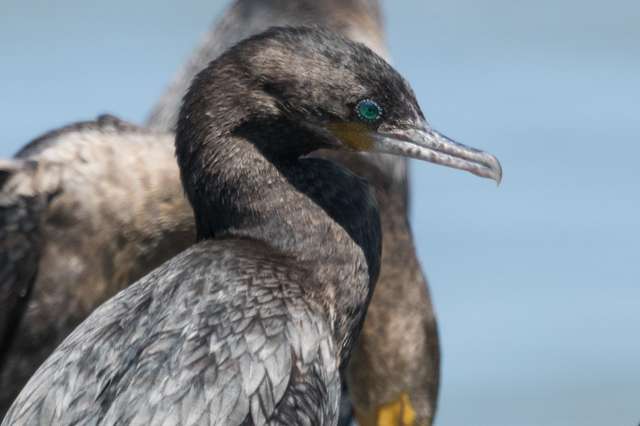
2. Neotropic Cormorant (Phalacrocorax brasilianus)
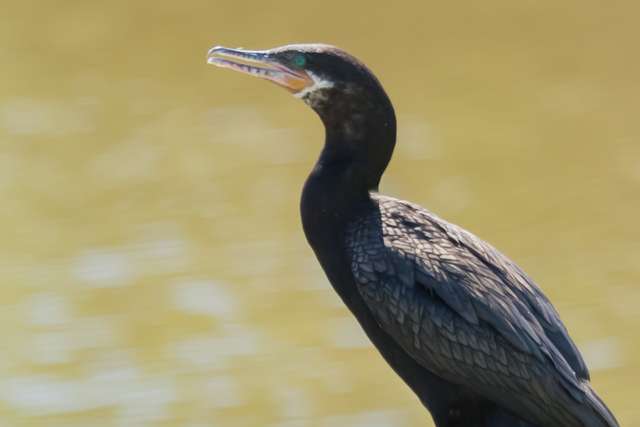
Historically confined to Central America and the extreme southern tip of Texas, this sleek, smaller cormorant is rapidly moving north along major waterways.
The Trend: Their presence is now routine in states along the Gulf Coast and up the Mississippi River Valley, with breeding colonies established as far north as Oklahoma and Arkansas. Vagrants are even reported regularly in the Great Lakes region.
Where to Find Them: Check reservoirs, city park lakes, and slow-moving rivers. Look for a cormorant that is slightly smaller and thinner than the familiar Double-crested Cormorant, often perching lower to the water and diving frequently.
The Conservation Success Stories: Bouncing Back
For these birds, increased sightings are a victory for decades of dedicated land management and regulation.
3. Snail Kite (Rostrhamus sociabilis)
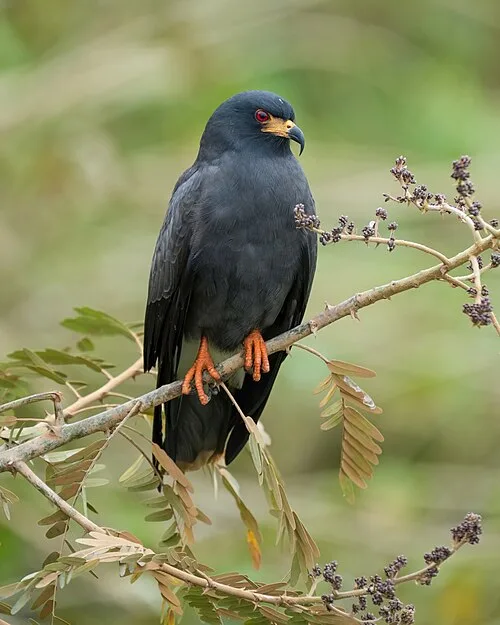
The Snail Kite is a highly specialized raptor, subsisting almost entirely on the apple snail (Pomacea paludosa). Due to habitat loss in the Florida Everglades and fluctuating snail populations, this bird was once critically endangered and extremely difficult to find.
The Trend: Conservation efforts focused on water flow management and habitat restoration in Central and South Florida have stabilized the population. Sightings are now more consistent and widespread throughout its remaining range.
Where to Find Them: Central and South Florida wetlands, particularly the areas around Lake Okeechobee and major water conservation areas. They are usually seen hovering low over marsh vegetation, searching for snails, and are identified by their striking gray plumage and large, hooked bill.
4. Whooping Crane (Grus americana)

The Whooping Crane represents one of the most intense and successful conservation efforts in North American history. While still critically endangered, the total population is slowly rising.
The Trend: There are two main populations: the large, wild flock wintering in Texas and the smaller, non-migratory population in Florida. Thanks to reintroduction programs, the highly monitored migratory flock has been increasing, making sightings across the Central Flyway (especially Kansas, Nebraska, and Oklahoma) more likely during migration.
Where to Find Them: The Aransas National Wildlife Refuge, Texas, in winter is the best location. During spring and fall, look for them feeding in harvested fields or marshy wetlands in the Central Plains states, often accompanied by the much more numerous Sandhill Cranes.
The Western Specialties: Seeking New Ground
These birds are expanding their range from the West, pushing into new mountain and coastal territories.
5. Common Black Hawk (Buteogallus anthracinus)

A large, striking raptor of riparian areas, the Common Black Hawk traditionally bred only in the American Southwest (Arizona, New Mexico).
The Trend: They are now moving northward along river systems, with established breeding pairs and regular sightings in Utah, Colorado, and even Nevada. Their northward spread is a key indicator of rising regional temperatures.
Where to Find Them: Focus on riparian areas with large cottonwood trees, as these provide ideal nesting and perching sites. The best chance remains in Arizona's low-elevation canyons and river valleys.
6. Brown-capped Rosy-Finch (Leucosticte australis)
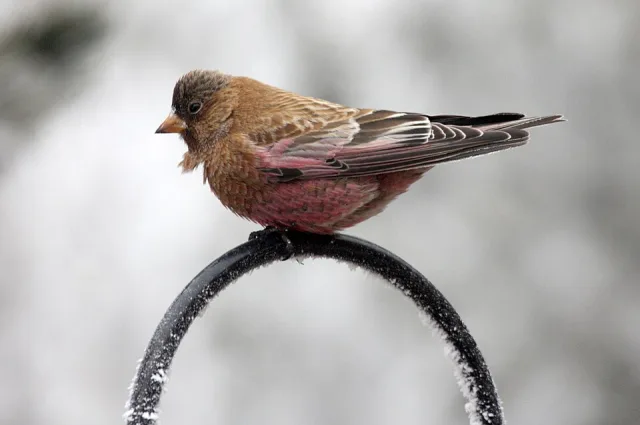
The subject of a recent article, this is a true Rocky Mountain endemic. While not exactly "expanding" their overall range, reports of this bird are increasing significantly during the winter months.
The Trend: Thanks to better birder coverage, particularly the reporting of high-elevation feeding stations on platforms like eBird, winter flocks are being reliably located in mountain towns across Colorado, Utah, and Northern New Mexico. Birder effort is making this formerly elusive bird accessible.
Where to Find Them: In summer, you must hike above the tree line in the Colorado Rockies. In winter, check backyard feeders in towns like Leadville, CO, and other high-elevation communities.
7. Eurasian Collared-Dove (Streptopelia decaocto)

The most dramatic expansion on this list, this dove is a non-native species that colonized the U.S. from the Bahamas in the 1980s and has since experienced an unparalleled continental takeover.
The Trend: It went from being a few vagrants in Florida to having breeding populations established in all 48 continental states in just a few decades. While no longer "rare," its rapid spread and takeover of urban and suburban territories remain a critical story.
Where to Find Them: They are now ubiquitous. Look for them in agricultural areas, around grain silos, and often at backyard feeders, where they are noticeably larger and paler than the native Mourning Dove, with a distinctive black collar on the back of the neck.
The accessibility of these seven birds serves as a constant reminder that the maps in your field guide are not static documents. By staying informed on current sightings and supporting conservation efforts, birders today have the unique opportunity to witness ecological history being made.
