

We’ve covered the "primary" bird colors, but nature isn't limited to a basic crayon box. For the more exotic hues like fiery orange, royal purple, and even the "boring" brown, birds use a sophisticated blend of everything we’ve discussed—mixing diet, physics, and complex internal chemistry.
Orange: The "Bridge" Color

Orange is the middle ground of the bird world. Like red and yellow, it is primarily powered by carotenoids.
The Diet Mix: A bird becomes orange by eating a specific balance of yellow and red pigments. Sometimes, it’s a single pigment called canthaxanthin.
The "Mistake" Orange: Have you ever seen a Cedar Waxwing with an orange tail tip instead of the usual yellow? That happens when the bird eats berries from an invasive honeysuckle species while its feathers are growing. The "unnatural" red pigment in the berries mixes with the bird’s natural yellow to create an accidental orange.
American Example: The Baltimore Oriole is the undisputed king of orange. Its vibrant "flame" hue comes from a high-quality diet of dark fruits and nectar.
Purple: The Deep Mystery
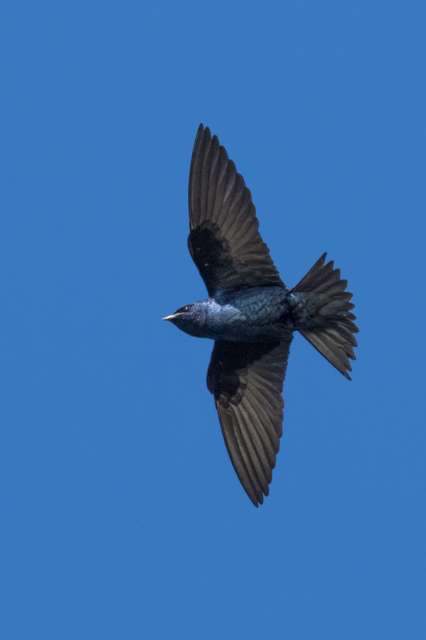
True purple is incredibly rare in birds because it is almost always structural. There is no "purple pigment" in avian biology.
The Blue-Red Blend: In some species, purple is created by layering blue-reflecting keratin structures over red or pink pigments.
The Iridescent Purple: Most "purple" birds in the U.S. (like the Purple Martin or the Common Grackle) aren't actually purple. Their feathers are packed with black melanin, but the microscopic structure of the feather barbs is tuned to reflect purple and violet wavelengths of light.
American Example: The Costa’s Hummingbird has a gorget (throat patch) that glows a deep, royal amethyst when the light hits it just right.
Pink: The Flamingo Effect
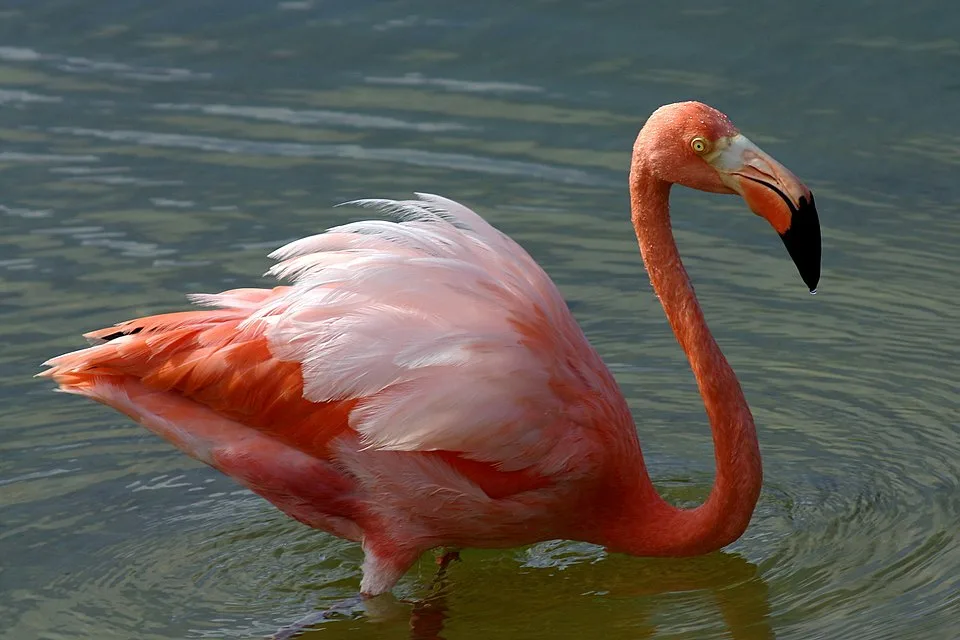
Pink is essentially "diluted red," but it is surprisingly rare in North American birds.
Shrimp and Algae: Pink is almost always derived from astaxanthin, a carotenoid found in aquatic crustaceans and algae.
The Roseate Spoonbill: This is the most famous pink bird in the U.S. (often mistaken for a flamingo in Florida and Texas). It gets its "Pepto-Bismol" pink from the tiny shrimp and water-boatmen it sifts out of the muck.
American Example: The Rose-breasted Grosbeak features a startling triangle of pinkish-red on its chest, looking like a white shirt with a juice stain.
Brown: The Most Important Color

We often call them "LBBs" (Little Brown Birds), but brown is the most complex and useful color a bird can have. Brown is created by Phaeomelanin.
Durability and Camouflage: Brown feathers are incredibly tough (thanks to the melanin) and provide the best camouflage for birds that live on the ground or in the forest understory.
The "Art" of Brown: Brown isn't just one shade. By mixing phaeomelanin (reddish-brown) with eumelanin (black), birds can create everything from the warm buff of a Wood Thrush to the deep chocolate of a Brown Thrasher.
American Example: The Great Horned Owl uses a "digital" camouflage pattern of browns, tans, and blacks to disappear completely against the bark of a tree.
Does Skin Color Affect These Shades?
By now, you know the drill: No. Whether it’s the orange of an Oriole or the brown of a Sparrow, the "paint" is in the feather. However, interesting things happen with pink birds—species like the Roseate Spoonbill often have pale or colorful skin on their heads because they lack feathers there, allowing the blood vessels and skin pigments to show through directly!
The UV Secret of "Mixed" Colors
To us, a "brown" bird looks plain. But to another bird, that brown might be shot through with Ultraviolet highlights. Because melanin structures can reflect UV light differently depending on how they are stacked, "boring" brown birds likely see each other as having complex, shimmering patterns that we can’t even imagine.
