
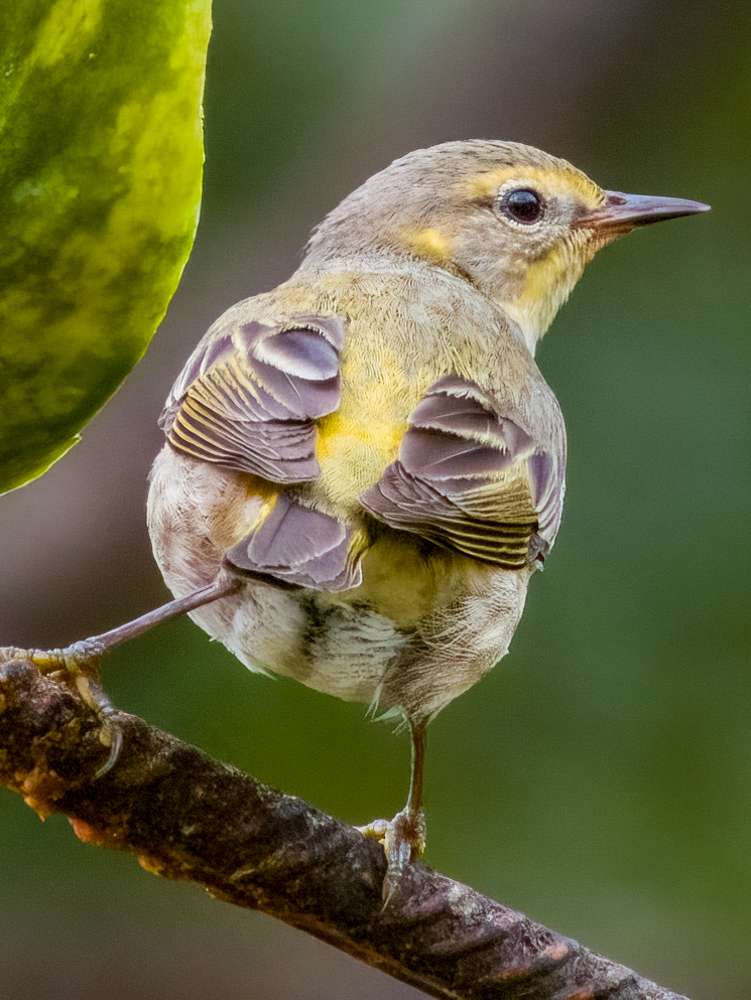
For the devoted birder, the richest data isn't always visual; often, it's acoustic. The clarity of a Wood Thrush's flute-like song, the intricate whisper-singing of a Northern Mockingbird, or the precise zee-zoo-zee of a high-flying warbler can unlock identifications and reveal population dynamics hidden in the canopy. Yet, the ability to discern these subtle sounds is increasingly challenged by noise pollution—the constant, growing intrusion of human-made sounds that masks natural audio signals.
A 2017 study found that man-made noise is diminishing the acoustic quality of U.S. parks and protected areas, often reducing the distance over which a song can be heard by up to 90%. This means that the quest for great birding now includes a hunt for natural quiet. These places—true acoustic refuges—offer not just a break from urban stress, but a crucial opportunity to hear the avian world as it was meant to be heard.
Here are five of the best places in the U.S. to experience the majesty of birdsong uninterrupted by the clamor of modern life.
1. The Hoh Rainforest, Olympic National Park, Washington
The lush, temperate Hoh Rainforest in Olympic National Park is famous for its colossal trees and moss-draped landscape, but it is equally renowned for its exceptional quietude. It is often cited as one of the quietest places in the continental U.S.
Why It’s Acoustically Perfect
The dense vegetation acts as a powerful natural sound buffer, absorbing sound waves from the outside world (like distant aircraft or machinery). Furthermore, the frequent, soft rainfall minimizes ground-level noise. This pristine acoustic environment allows birders to hear calls and songs that would be inaudible elsewhere.
The Soundscape
Here, the dominant sound is the gentle drip of moisture, the flow of the Hoh River, and the calls of the resident birds:
- Varied Thrush: Its metallic, single-pitch whistle resonates through the silent forest, sounding almost otherworldly.
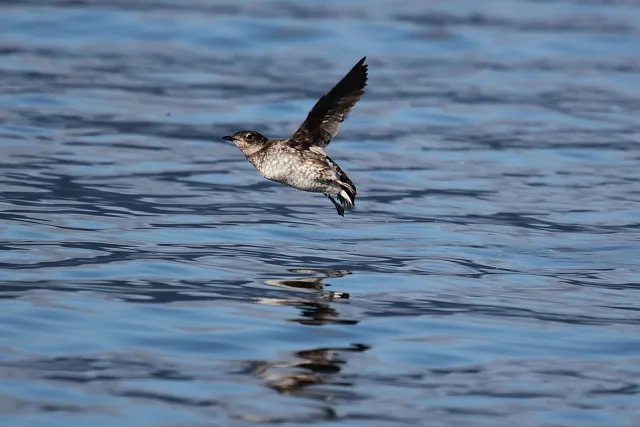
- Marbled Murrelet: Though challenging to spot high in the old-growth canopy, their calls become clearly audible in the morning quiet.
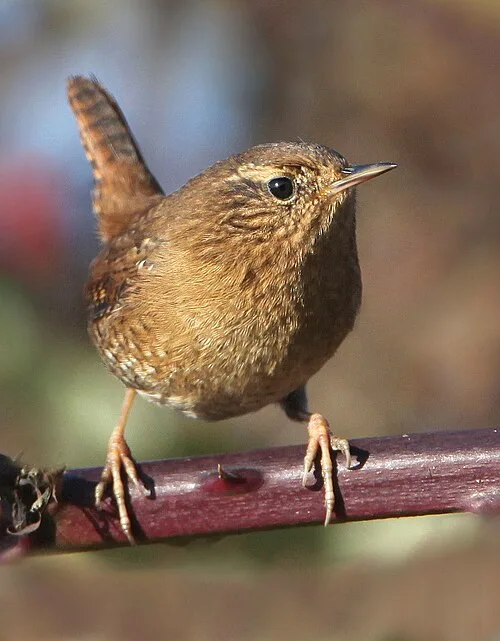
- Pacific Wren: This tiny bird's immensely powerful and complex song seems amplified by the surrounding stillness, allowing birders to appreciate its full intricacy.
Tip for Birding: Seek out the remote side trails, and go just after a light rain when the forest floor is wet and quiet. The damp air also helps sound travel farther.
2. Big Bend National Park, Texas
Stretching across the vast and rugged Chihuahuan Desert, Big Bend National Park is defined by its massive scale and profound remoteness. Its distance from major cities makes it a powerhouse of natural quiet, particularly in the high-elevation zones.
Birding While Black: Stories, Barriers & Community in U.S. Birdwatching
Why It’s Acoustically Perfect
Sheer distance and low population density are the keys here. The desert air, especially in the early morning, is often incredibly still. The silence is broken only by the natural sounds of the desert—the wind, the movement of animals, and the songs of its unique avian residents.
The Soundscape
Big Bend is a key destination for unique species that stray north from Mexico, making every distinct call an important find.
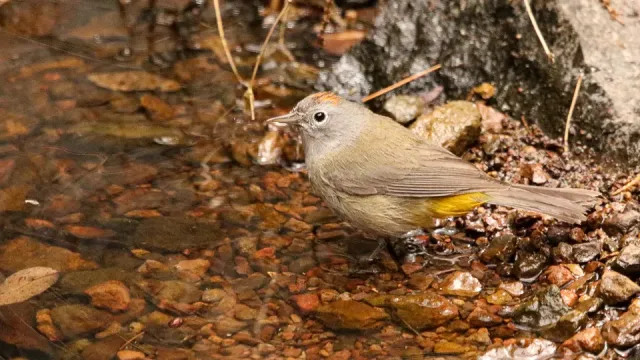
- Colima Warbler: One of the most sought-after U.S. specialty birds, the Colima Warbler can only be reliably found in the high Chisos Mountains. The quiet allows birders to track its subtle, trilling song through the scrub oak.
- Lucifer Hummingbird: The subtle whir of its wings and its delicate chip notes are detectable amidst the silence of the dry canyons.
- Scaled Quail: The soft, cooing calls of this desert ground-dweller are clearly audible across the flats.
Tip for Birding: Focus on the early morning hours (before 9 a.m.) near the Chisos Basin campground and the Sam Nail Ranch area, and listen carefully for the echoes of calls bouncing off the canyon walls.

3. Boundary Waters Canoe Area Wilderness (BWCAW), Minnesota
The Boundary Waters is a massive, protected area of lakes, forests, and rivers spanning over a million acres along the U.S.-Canadian border. Access is almost exclusively by canoe, making it inherently free from vehicular traffic and motorized noise.
Why It’s Acoustically Perfect
The absence of roads and the water-based travel requirement ensure that the core wilderness remains acoustically pristine. The vast expanse of coniferous and mixed forest acts as a superb sound absorber, leaving the soundscape dominated by nature.
The Soundscape
This is the place to hear the haunting, iconic sounds of the northern wilderness with unmatched clarity.
- Common Loon: The unmistakable, melancholy wails and tremolos of the loon carry across the glassy lakes, often sounding much closer than they are.
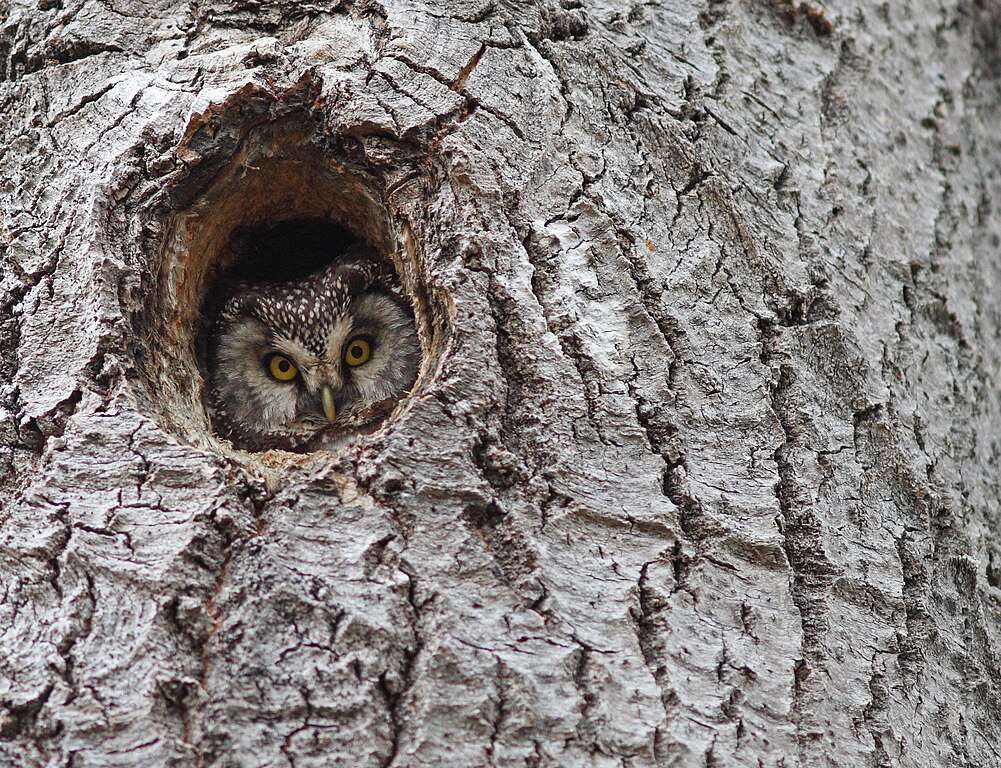
- Boreal Owls and Hawk-Owls: For the nocturnal birder, the stillness of the deep woods is perfect for picking up the subtle toots and calls of these elusive boreal species.
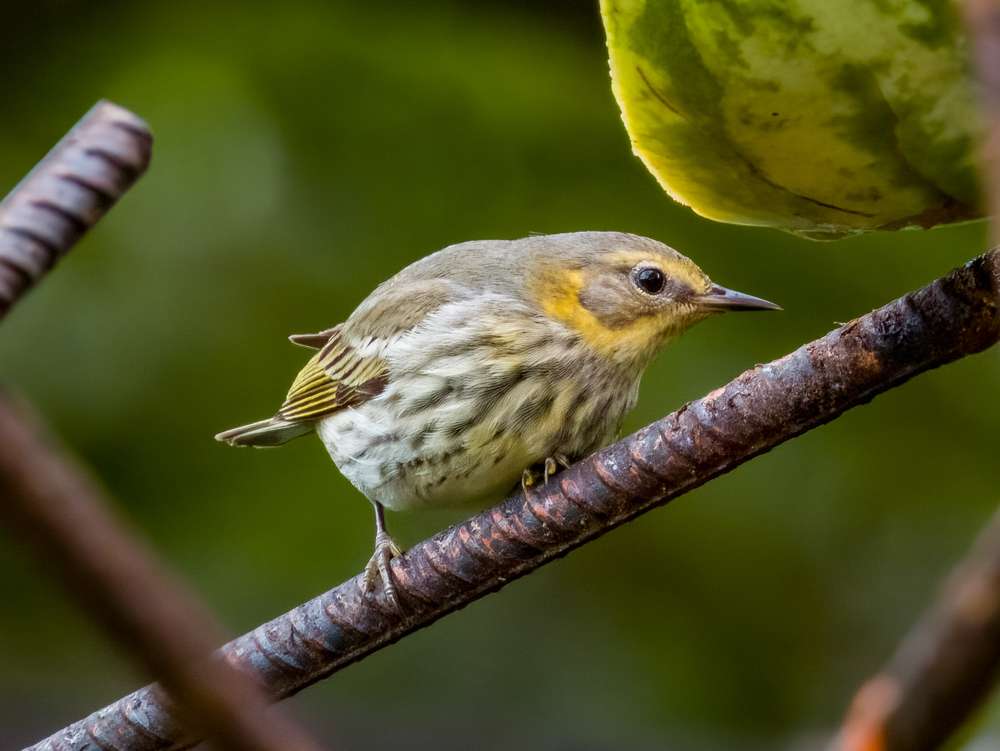
- Warblers: Numerous Boreal-nesting warblers, including the Blackburnian Warbler and Cape May Warbler, can be identified by their high-pitched, insect-like songs, which are often masked by noise in less quiet areas.
Tip for Birding: Spend a night or two on a remote campsite. The evening and pre-dawn hours are the best time to hear the loons and the boreal owl chorus.
4. Big Cypress National Preserve, Florida
Adjacent to the Everglades, Big Cypress protects a critical portion of the vast, slow-moving swamp system. Its deep sloughs, cypress domes, and hardwood hammocks provide acoustic isolation unique to the subtropics.
Why It’s Acoustically Perfect
The thick, humid air and dense forest canopy of the swamp act as a powerful sound dampener, trapping outside noises. The remoteness of the central and western sections of the Preserve ensures a very low background noise level.
The Soundscape
Big Cypress offers the best opportunity to hear the sounds of southern specialties and wading birds without the roar of airboats or highway traffic (which often plagues parts of the Everglades).
- Barred Owl: Its classic Who cooks for you? call is the quintessential sound of the deep swamp and is clearly audible.
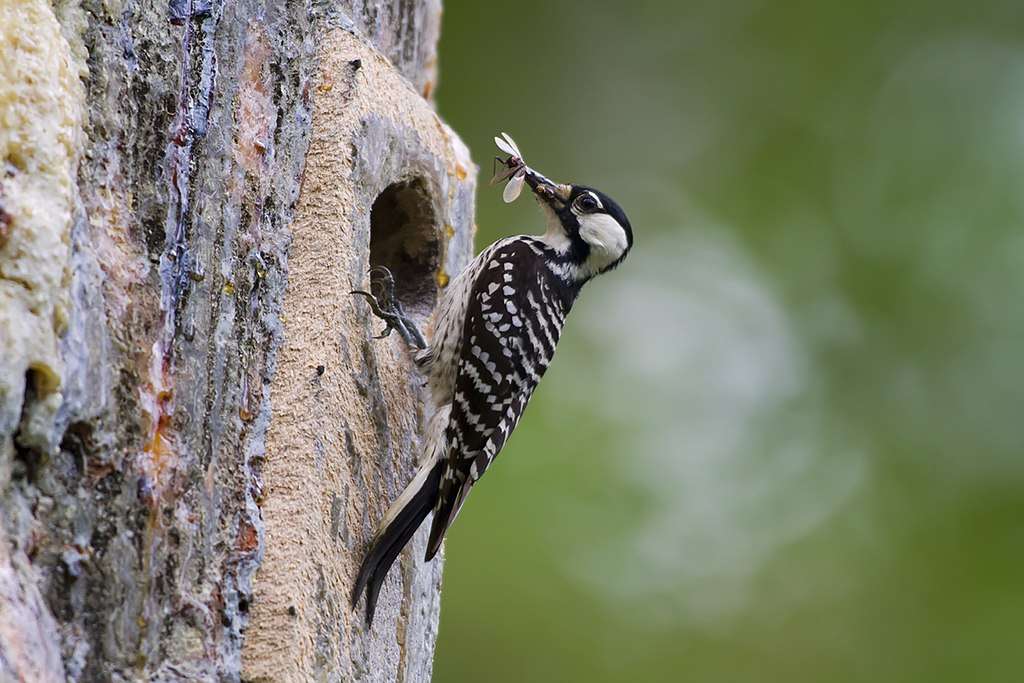
- Red-cockaded Woodpecker: The subtle, nasal calls of this endangered, cooperative breeder are much easier to locate in the quiet pine flatwoods of the preserve.
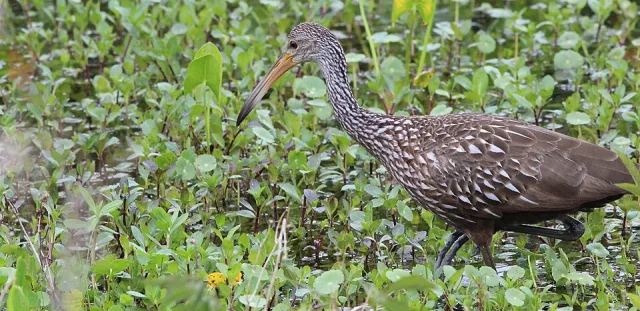
- Limpkin: The dramatic, piercing wails and screams of the Limpkin, often heard near water, echo dramatically through the cypress trees.
Tip for Birding: Use the designated foot trails off Loop Road (the less-traveled western section) and go during the early spring before the intense summer rains begin.
5. Mono Lake Tufa State Natural Reserve, California
Mono Lake, on the eastern side of the Sierra Nevada mountains, is a spectacular hypersaline lake that acts as a vital stopover for millions of migratory birds. The surrounding environment is high-altitude, arid, and remarkably quiet.
Why It’s Acoustically Perfect
The lake itself is far from any major urban center, and the surrounding dry, high-desert sagebrush lacks the dense foliage that generates significant wind noise. The silence is stark, drawing the ear to the vocalizations of the waterbirds.
The Soundscape
The focus here is less on dense forest songs and more on the sounds of the shore and the open air.
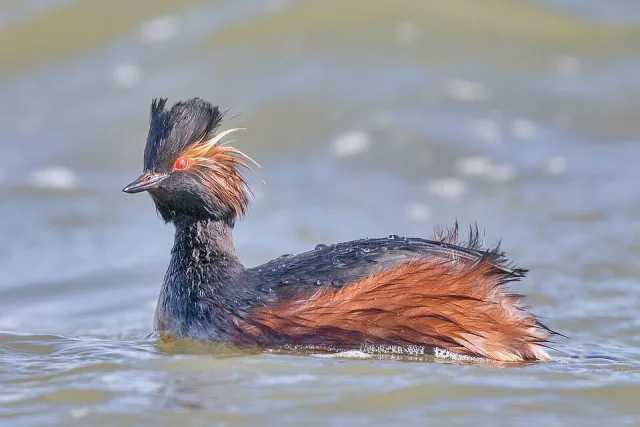
- Eared Grebe: Mono Lake is a critical staging area for millions of Eared Grebes, whose unique, fluttering calls and chattering are the dominant natural sound in the fall.
- Wilson's Phalarope: The distinct, loud quacking calls of the female Phalaropes—the brighter, territory-defending sex—are a constant presence during the migratory season.
- California Gull: The constant calling of the massive California Gull colony on the lake's islands is a cacophony that, in the absence of human noise, defines the natural soundscape.
Tip for Birding: Visit the lake during the shoulder seasons (spring or fall). The quiet, clear air allows for excellent observation of the large flocks and their communication calls.

The Conservation of Silence
For the modern birder, seeking out these acoustic refuges is an active form of conservation. When we value and seek out natural quiet, we advocate for the preservation of habitats free from the intrusion of modern sound pollution. These are the places where the subtlest notes of a bird's song can still inform and inspire, proving that sometimes, the richest reward in birding is the sound of absolute stillness.
