

Feral birds—species that were introduced to the United States from other continents and have established self-sustaining, wild populations—represent a significant and growing ecological, economic, and public health challenge across the country. Unlike native species, these birds lack natural predators and face few limiting factors in their new environments, allowing their populations to explode in urban, suburban, and agricultural areas. While they may seem harmless or even charming, the most successful feral species—primarily the European Starling, the House Sparrow, and the Rock Pigeon—wreak havoc on native wildlife, infrastructure, and human well-being.
The Ecological Toll: Competition and Displacement
The most profound impact of feral birds is the damage they inflict on native avian populations through intense competition for resources. Feral birds are often aggressive, highly adaptable, and incredibly prolific breeders, giving them a decisive advantage over less aggressive native species.
The European Starling (Sturnus vulgaris)

The European Starling is perhaps the single most ecologically destructive feral bird in the U.S. Introduced to New York City’s Central Park in 1890-1891 by a group aiming to establish all the birds mentioned in Shakespeare's plays, the starling population now numbers over 200 million across the continent.
Cavity Competition: Starlings are obligate cavity nesters, meaning they require holes in trees or structures for nesting. They aggressively usurp the nest sites of native cavity nesters, including the beloved Eastern Bluebird, the Great Crested Flycatcher, and several species of native woodpeckers and swallows. Starlings are known to destroy the eggs, kill the nestlings, or even kill adult native birds to secure a nesting cavity. This direct competition is a major factor contributing to the decline of native cavity-nesting populations.
The House Sparrow (Passer domesticus)
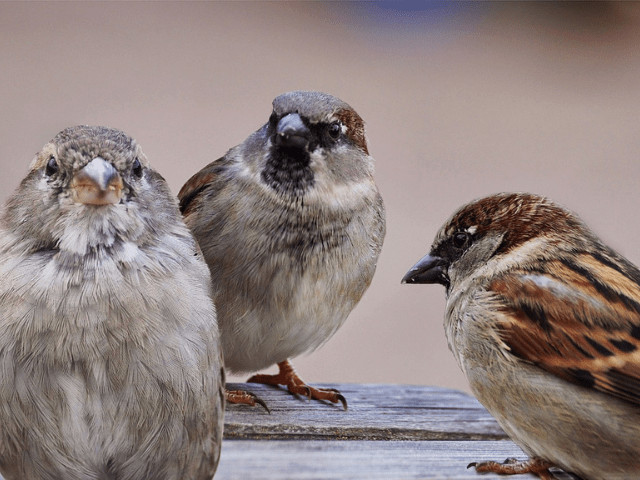
Introduced from England in the 1850s, the House Sparrow quickly spread and became established throughout nearly every urban and agricultural landscape in the U.S.
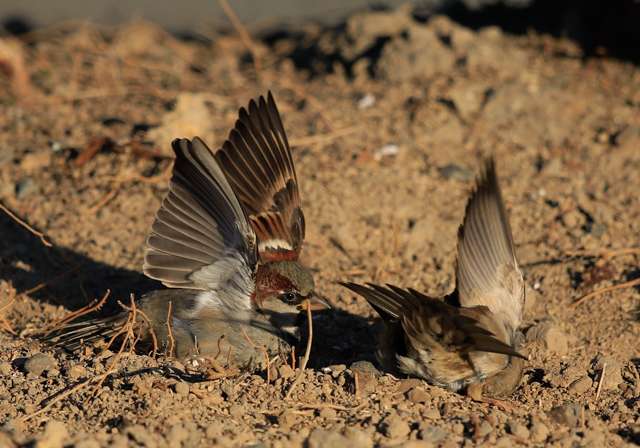
Nest Site Takeover: Like starlings, House Sparrows are aggressive competitors for small nesting cavities and boxes. They are notorious for taking over the nest boxes intended for the native Purple Martin and various chickadees and wrens. They often fill the nesting box entirely with coarse material, suffocating or burying the eggs and young of the native occupants.
Disease Transmission: House Sparrows are known to transmit various diseases, including salmonellosis and pox viruses, which can then spread to native bird populations.
https://lovethebirds.com/bufflehead/
Economic and Infrastructure Damage
The enormous flock sizes and urban dependence of feral birds translate directly into massive economic and infrastructure costs for municipalities, airports, and agricultural industries.
Rock Pigeon (Columba livia)
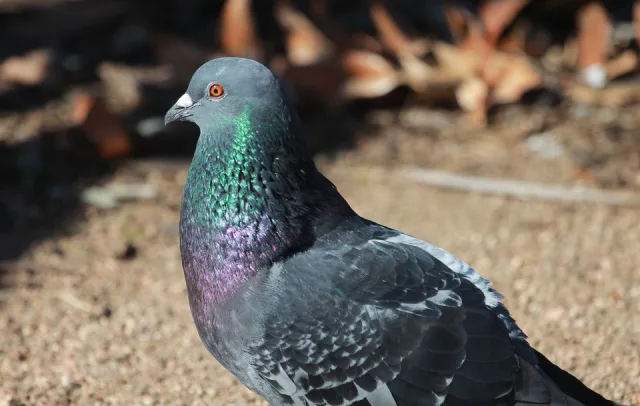
The Rock Pigeon (often simply called a street pigeon) is a descendant of birds brought to North America by early European settlers for food and communication. While they are a fixture of city life, their presence comes at a high price:
Corrosion and Damage: Pigeon droppings, or guano, are highly acidic. In large quantities, guano actively degrades and corrodes building materials, including limestone, sandstone, metal supports, and roofing materials. Cleaning and repairing this damage costs cities and private businesses millions of dollars annually.
Infrastructure Blockages: Nesting materials (often sticks, feathers, and trash) and guano can clog ventilation systems, drainage pipes, and gutters, leading to water damage and costly repairs.
Agricultural Losses
Both the European Starling and the Rock Pigeon cause significant damage to U.S. agriculture:
Crop Destruction: Starlings cause massive damage to high-value fruit crops, particularly grapes, cherries, olives, and citrus, especially when they descend in flocks of thousands. They also consume and contaminate feed at livestock and dairy operations, which leads to huge financial losses.
Feed Contamination: Pigeons and starlings contaminate livestock feed with their feces, which can transmit diseases like Salmonella and E. coli to farm animals, posing health risks and economic losses for the meat and dairy industries.
Public Health and Safety Concerns
The close proximity of large feral bird populations to human infrastructure poses tangible public health risks and safety hazards.
Disease Vectors
Feral bird droppings are reservoirs for several human pathogens:
Histoplasmosis: A respiratory disease caused by a fungus (Histoplasma capsulatum) that grows in soil contaminated by large amounts of bird or bat droppings. Inhalation of airborne spores can lead to infection.
Cryptococcosis: Caused by a yeast (Cryptococcus neoformans) found in droppings, particularly those of pigeons. It can cause serious illness in people with compromised immune systems.
Psittacosis (Parrot Fever): A bacterial disease spread through aerosolized feces or dust from feathers, which can cause severe respiratory illness in humans.
Aviation Safety (Starlings)
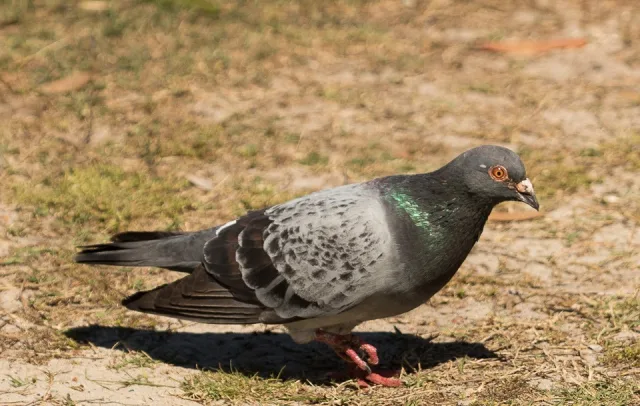
European Starlings are notorious for posing significant risks to aviation. Their tendency to form massive, dense flocks makes them extremely dangerous when near airports. A famous and tragic example occurred in 1960 when a flock of starlings was ingested into the engines of an airplane immediately after takeoff from Logan International Airport in Boston, leading to a fatal crash. Managing starling populations around airports remains a critical, ongoing safety concern.
Management and Control
The control of feral bird populations is a complicated and often controversial issue. Management efforts often fall under the jurisdiction of the USDA's Wildlife Services and state agencies, and they focus on an integrated approach:
Exclusion: Using physical barriers like netting, wire mesh, and bird spikes to prevent birds from roosting or nesting on buildings and infrastructure.
Habitat Modification: Removing food sources (e.g., covering dumpsters, securing pet food) and eliminating attractive nesting sites.
Harassment/Dispersal: Employing non-lethal methods like auditory (sirens, distress calls) and visual (lasers, scarecrows) deterrents, particularly at airports and industrial sites.
Lethal Control: In specific situations where public health or aviation safety is at severe risk, highly targeted removal methods may be employed, though these are typically a last resort and often require specific permits.
The problem of feral birds in the U.S. is a persistent, expensive, and ecologically damaging consequence of past introductions. While eradicating these widespread species is practically impossible, ongoing, targeted management is essential to protect native biodiversity, safeguard public health, and maintain critical human infrastructure across the country.
