
The winter of 2024–2025 across the Canadian Prairie Provinces (Alberta, Saskatchewan, and Manitoba) was marked by a distinct lack of the traditional winter finch spectacle but was punctuated by an exciting, large-scale irruption of boreal owls. The season was generally characterized by milder temperatures and low snowfall across the southern regions, broken by a severe cold snap in February, conditions that contributed to a mix of lingering summer species and unusual scarcity in the nomadic winter birds. According to the American Birding Association (ABA) report, the winter was relatively "uneventful" save for the highly anticipated movements from the Boreal Forest.
The Owl Irruption: Highlight of the Season
The most defining feature of the Winter 2024–2025 birding season was the major southerly push of owls from the boreal regions, likely triggered by a crash in their primary prey populations (voles and mice) to the north.

Great Gray Owls: This irruption was the star attraction. Great Gray Owls moved south in high numbers, providing exceptional viewing opportunities for birders across Alberta and Manitoba. Reports of 20 to 30 individuals in a single day were not uncommon, with a high count of 38 birds documented in southern Alberta. Many were seen wandering into agricultural areas in Manitoba.
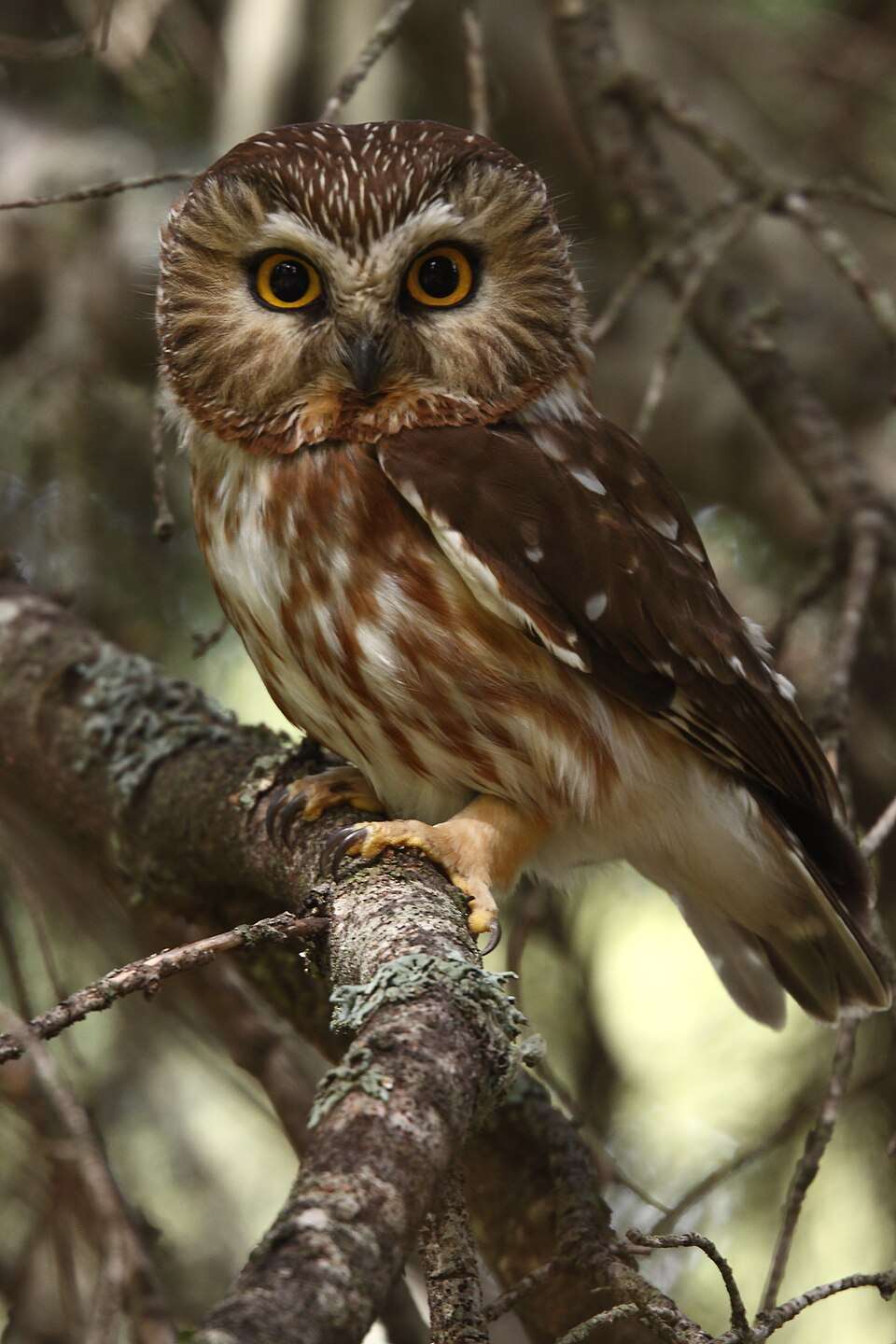
Boreal and Northern Saw-whet Owls: These smaller owl species were also particularly prominent across the southern parts of the region. Unfortunately, many of the Boreal and Northern Saw-whet Owls seen were likely starving, forcing them to hunt during the daytime and leading to multiple reports of birds being found deceased or admitted to rehab centres in higher-than-usual numbers.

Boreal Owl Snowy Owls: Despite the movement of other species, Snowy Owls were present in only average numbers, and the Northern Hawk-Owl was virtually absent, highlighting the specific nature of the food scarcity affecting different boreal species.

Waterfowl and Lingering Summer Guests
The milder early winter conditions facilitated the presence of several species well past their typical departure dates, particularly in areas with open water like Wascana in Saskatchewan.
Late Ducks and Geese: Uncommon waterfowl sightings included single Cackling Geese in both Saskatoon and Wascana, SK, and a Wood Duck at Regina, SK, in late December. Up to two Northern Shovelers also lingered through the entire season at Wascana.

Northern Shoveler Swans: Trumpeter Swans were reported at Crooked Lake, SK, and Pinawa, MB, with Tundra Swans also present at Crooked Lake until mid-January.
Uncommon Gulls: Several uncommon gull species stayed later than expected, with reports of Iceland (Thayer’s), Lesser Black-backed, and Glaucous Gulls in the first week of December, and a California Gull lingering until late December in Saskatchewan.

Scarcity of Winter Finches and Rarities
In contrast to the owl spectacle, the season was disappointing for finch enthusiasts.
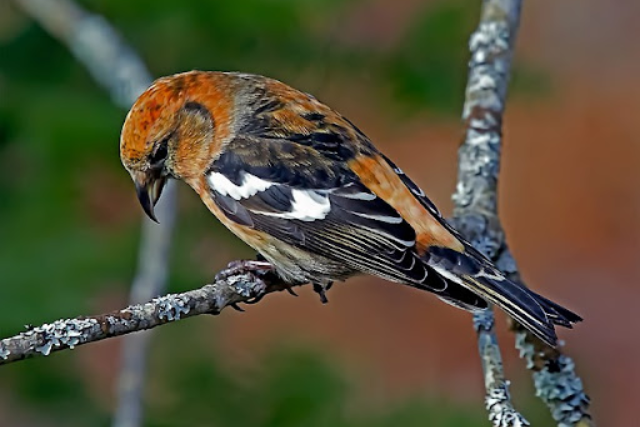
Poor Finch Numbers: With the notable exception of White-winged Crossbill, numbers for most other winter finches, such as Pine Grosbeak and Redpolls, were poor, suggesting a good cone crop in the far northern Boreal Forest held them there.

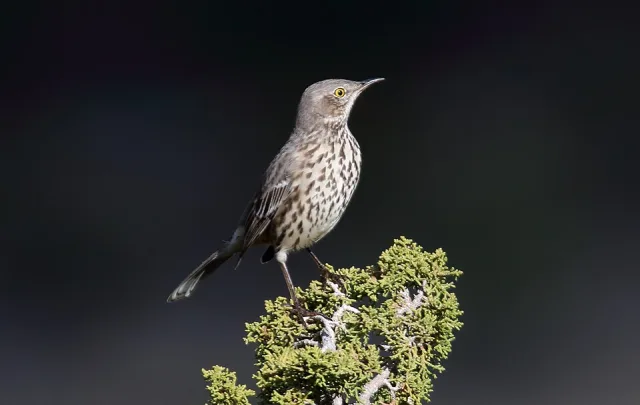
White-winged Crossbill Unexpected Passerine: The only major passerine rarity reported was an ultra-rare wintering Sage Thrasher in Saskatchewan. This is a very significant out-of-range find for the winter season.

Sage Thrasher Other Notables: A Eurasian Tree Sparrow was sighted at Wascana, SK, in late January, and birders documented a hybrid Black-capped Chickadee x Mountain Chickadee in Calgary, AB, in late December.
The Winter 2024–2025 season in the Prairie Provinces ultimately proved that while mild winters can facilitate rare late-stays, the true excitement of northern birding still hinges on the unpredictable irruptive movements of boreal species like the Great Gray Owl, turning an otherwise quiet winter into a memorable chase for magnificent raptors.
The Other Blackbirds: Profiling North America's Unique Icterids
