
For centuries, the concept of a poisonous bird existed only in folklore or as an unsubstantiated rumor. When considering toxicity in the animal kingdom, attention typically turns to the striking colors of a poison dart frog, the segmented body of a scorpion, or the patterned scales of a venomous snake. Birds, with their image of flight and freedom, were largely considered immune to this chemical defense strategy.
That perception was decisively shattered in the late 20th century, revealing that a select, fascinating few members of the avian world are, in fact, chemically armed. The discovery of birds carrying potent neurotoxins in their skin and feathers stands as one of the most remarkable ornithological findings in recent history, rewriting the rules of chemical defense and co-evolution.
It is essential to start with a scientific distinction: there are no known venomous birds—that is, birds that actively inject a toxin via a bite, sting, or spur. However, a small, yet growing, list of species are poisonous, meaning they carry toxins in their tissues, making them foul-tasting, sickening, or even lethal if touched or consumed.
The Groundbreaking Discovery in New Guinea
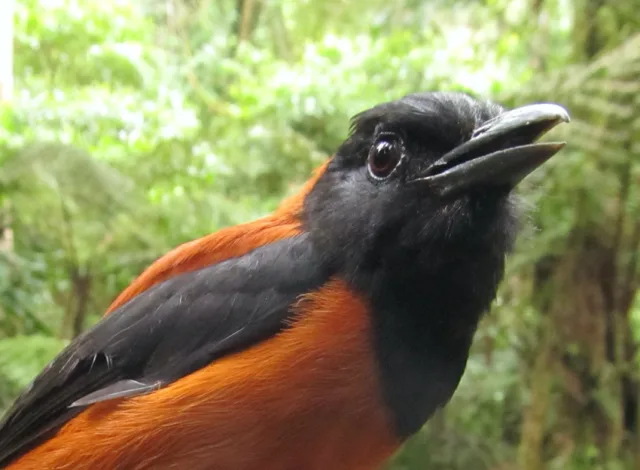
The story of the poisonous bird begins in the remote rainforests of Papua New Guinea in 1989. Ornithologist Dr. Jack Dumbacher was studying Birds-of-Paradise when he netted several specimens of a striking, black-and-orange passerine bird known locally as the Hooded Pitohui (Pitohui dichrous).
While extracting the tangled birds from his mist nets, Dumbacher suffered scratches to his hands. Instinctively, he put his injured fingers to his mouth, expecting to soothe the pain. Instead, he experienced a searing, intense burning and numbness of the lips and tongue that lasted for hours. The local villagers knew the cause immediately: they warned him that the Pitohui was a “rubbish bird,” a species they had known for generations to be inedible and unpleasant to handle.
Dumbacher’s curiosity was piqued. He sent feather and tissue samples back to the United States for chemical analysis, where they were examined by Dr. John Daly, a world-renowned chemist who specialized in natural toxins. The discovery shocked the scientific community: the Pitohui was carrying batrachotoxins (BTXs), an extremely potent group of neurotoxic alkaloids. Until that moment, these toxins were known only from the skin secretions of the deadly Phyllobates genus of poison dart frogs in Central and South America.
The Nature of the Toxin: Batrachotoxins
Batrachotoxins are among the most powerful non-peptide toxins known to science. They are cardiotoxic and neurotoxic, meaning they affect both the heart and the nervous system. BTXs work by permanently forcing voltage-gated sodium channels in nerve and muscle cell membranes to remain open. This uncontrolled flow of sodium ions causes continuous depolarization, leading to intense pain, numbness, violent muscle contractions, and potentially heart failure.
In the Pitohui, the toxin is concentrated most heavily in the skin and feathers, with lower concentrations in the muscle tissue. This strategic localization suggests a defensive function: the toxin makes the bird taste terrible and gives a warning sting upon contact, deterring any predator—be it a snake, raptor, or arboreal mammal—from making a second attempt.
A Case of Chemical Kleptoparasitism
The discovery of batrachotoxins in New Guinea immediately raised a fascinating question: how did these birds acquire the poison? Like the poison dart frogs, the Pitohuis and other toxic birds do not synthesize the toxin themselves. They obtain it from their diet in a process known as secondary toxicity or sequestration.

Follow-up research, aided by the knowledge of local people, identified the source: small beetles of the genus Choresine (family Melyridae), which the Pitohuis and other toxic birds feed upon. The birds consume these beetles, and their bodies are uniquely adapted to resist the neurotoxic effects, allowing them to safely store the BTXs in their tissues. It is a remarkable evolutionary parallel with the New World poison frogs, which also obtain batrachotoxins from small insects, though their specific dietary sources are different.
The Expanding Roster of Toxic Avian Species
Since the initial discovery of the Pitohui, further research in the remote Indonesian and Papua New Guinean rainforests has unveiled more species that share this defensive trait:
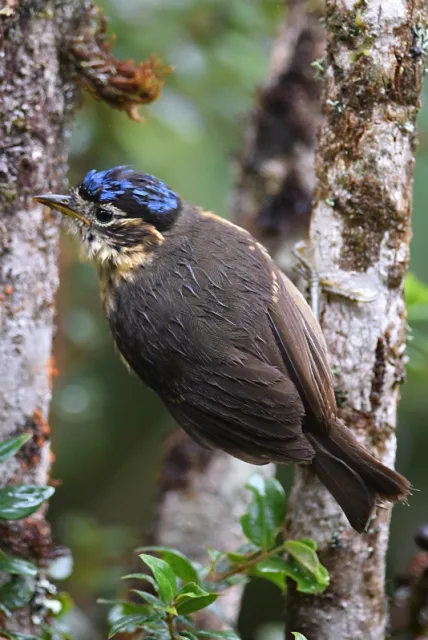
- Blue-capped Ifrita (Ifrita kowaldi): This small, insectivorous songbird, found in the mountain forests of New Guinea, also carries batrachotoxins in its skin and feathers.

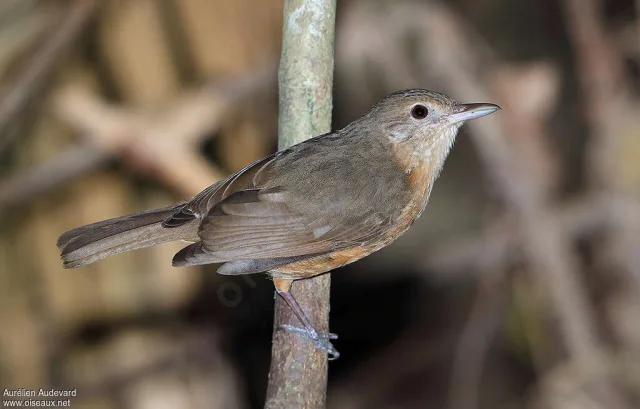
Blue-capped Ifrita - Arafura Shrikethrush (Colluricincla megarhyncha) and other Pitohui Species: Several close relatives of the Hooded Pitohui have also been found to be toxic, though with varying levels of BTX.

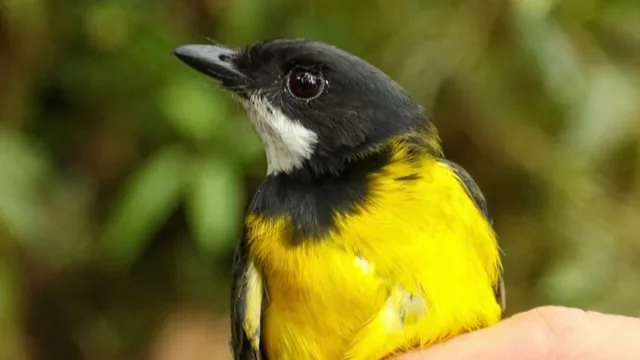
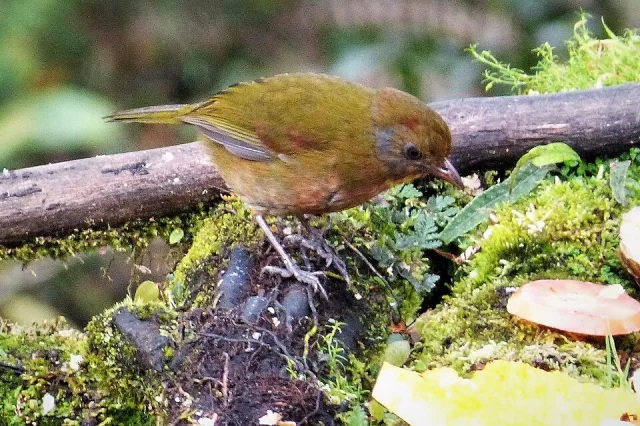
Arafura Shrikethrush - Regent Whistler (Pachycephala schlegelii) and Rufous-naped Bellbird (Aleadryas rufinucha): These two species were recently added to the list, confirming that chemical defense via sequestration is a successful, albeit rare, evolutionary strategy in multiple avian lineages.

Regent Whistler
Toxicity by Diet and Migration
Beyond the neurotoxin specialists of New Guinea, other birds can become temporarily toxic due to specific, unusual dietary choices, creating a different class of danger for potential consumers, including humans.
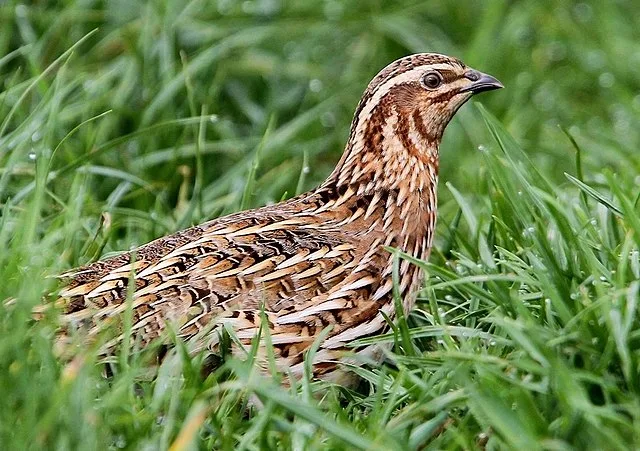
- European Quail (Coturnix coturnix): The Common Quail, a migratory species, is famously known to cause a rare, severe illness called coturnism. This condition occurs when the quail consumes the seeds of hemlock—a highly poisonous plant containing the neurotoxin coniine—during its migratory stopovers. The quail is resistant to the poison, but humans who consume the contaminated bird suffer severe muscle breakdown, cramps, and paralysis.

European Quail - Spur-winged Goose (Plectropterus gambensis): This African waterfowl is not inherently poisonous, but its tissues can become laden with the potent toxin cantharidin if it feeds extensively on blister beetles. Cantharidin is an irritant that causes blistering and severe internal damage to the digestive and urinary tracts of mammals.

Spur-winged Goose

Evolutionary Significance and Research
The existence of poisonous birds provides a powerful example of convergent evolution—two vastly different groups of animals (frogs and birds) independently developing the same strategy using the same class of toxins acquired from the environment.
The function of the toxins is hypothesized to be twofold:
- Predator Deterrence: The primary role is a chemical warning sign. The aposematic (warning) coloration of the Hooded Pitohui—bright orange and black—may signal its toxicity.
- Ectoparasite Defense: The concentration of toxins in the feathers and skin may also serve to repel feather lice, mites, and other external parasites that negatively impact the bird’s health and reproductive success.
The study of poisonous birds remains a growing field. Researchers are still trying to understand the precise molecular mechanisms that allow these birds to safely tolerate the potent toxins in their own bodies. The adaptations that grant Pitohuis and Ifritas protection from batrachotoxin offer invaluable insight into the evolution of chemical resistance, proving that even in the world of flight and song, a quiet, effective chemical defense can evolve. The poisonous bird is a living testament to the endless, surprising ingenuity of natural selection.
