
The avian world is full of wonders, and one of the most captivating is the dramatic transformation many bird species undergo between their non-breeding (basic) and breeding (alternate) plumages. These changes are not merely aesthetic; they are driven by the profound biological imperative of reproduction, designed to attract mates, defend territories, and signal fitness.
In the United States, numerous species exhibit spectacular plumage shifts, turning drab winter birds into vibrant harbingers of spring and summer. This 1000-plus word article will delve into some of the most striking examples of these U.S. birds, showcasing their remarkable transformations with illustrative photographs.
The Purpose of Plumage Transformation
Before we dive into specific examples, it's important to understand why these changes occur.
- Mate Attraction: Bright, elaborate breeding plumage serves as an honest signal of an individual's health, vigor, and genetic quality to potential mates. Only the fittest individuals can afford the energy and resources to grow and maintain such striking feathers.
- Territorial Defense: Bold colors and patterns can also act as visual displays to ward off rivals, signaling ownership of a territory or access to resources.
- Camouflage for Non-Breeding Seasons: During the non-breeding season, when the primary goals are survival and energy conservation, a duller, more cryptic plumage provides better camouflage against predators. This allows birds to blend into their surroundings more effectively, especially during migration and winter foraging.
- Seasonal Adaptations: Growing new feathers is energetically costly, so birds typically undergo a complete molt once or twice a year. The breeding molt is strategically timed to ensure they are in peak condition for the reproductive season.
Now, let's explore some of the most stunning transformations found in U.S. birds.
American Goldfinch (Spinus tristis)
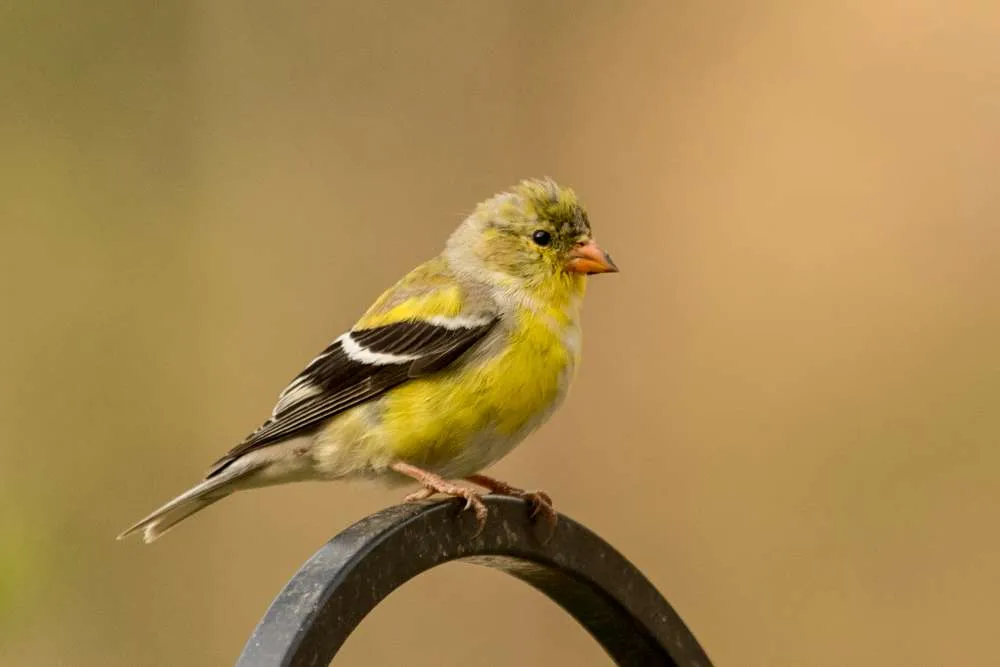
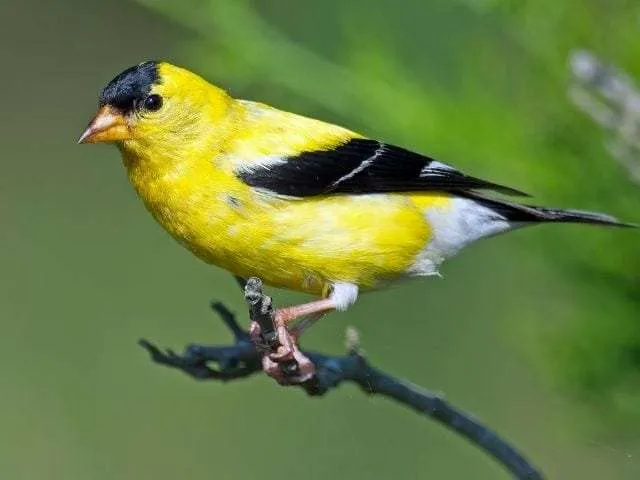
The American Goldfinch is perhaps the quintessential example of a dramatic plumage shift that delights backyard birders across the country.
- Non-breeding Plumage: In winter, both sexes are a muted olive-brown or dull yellowish, often blending seamlessly with the dried seeds and bare branches they forage on. The males retain only a hint of yellow, sometimes leading to confusion with females or juveniles. Their wings are dusky with two noticeable white wing bars.
- Breeding Plumage: As spring approaches, the males undergo a complete metamorphosis. Their bodies erupt in a brilliant, almost fluorescent lemon-yellow. This vibrant color is contrasted by jet-black wings with prominent white wing bars and a distinct black cap on their head. Females also brighten, though less intensely, becoming a duller yellow. The transformation is so stark that casual observers might mistake the winter birds for an entirely different species.

American Goldfinch
Common Yellowthroat (Geothlypis trichas)
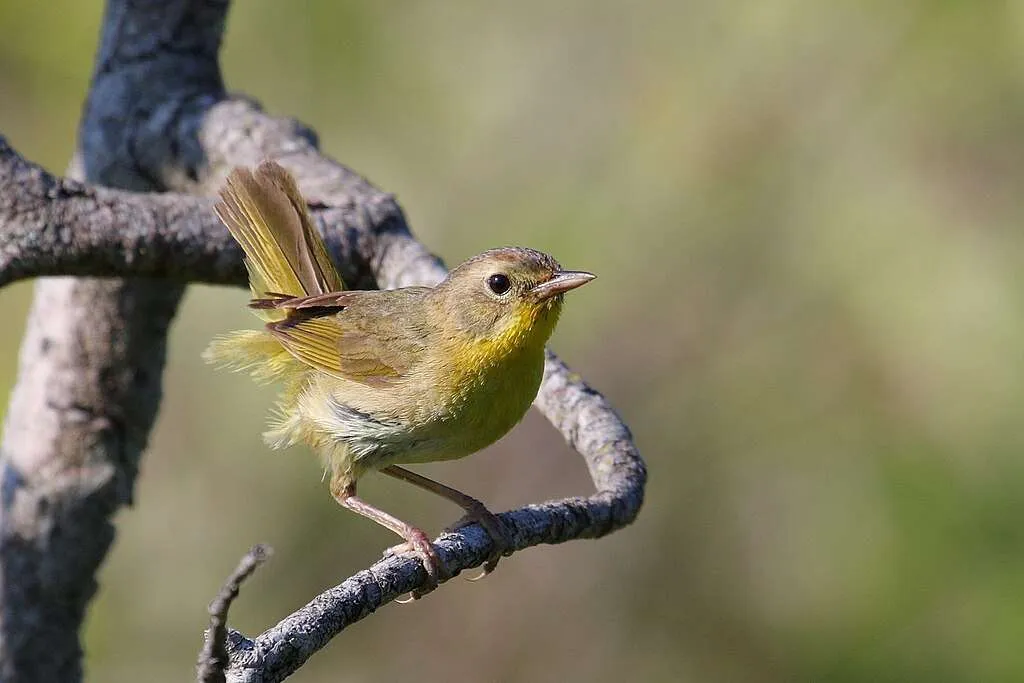
This small warbler provides another excellent illustration of seasonal plumage changes, particularly in the male.
- Non-breeding Plumage: In winter, the male Common Yellowthroat is a rather unassuming bird. While it retains some yellowish tones on its throat and belly, the distinctive black "mask" is often obscured or reduced, and its upperparts are a dull olive-brown. It becomes much harder to pick out amongst the reeds and dense vegetation it favors.
- Breeding Plumage: With the arrival of spring, the male Common Yellowthroat undergoes a striking transformation. Its entire throat and breast become a vivid, bright yellow. Most notably, a broad, jet-black mask emerges, bordered by a crisp white line above, giving it a distinctive and charismatic appearance. Its olive upperparts become richer, and its song, "wichity-wichity-wichity," fills the air of marshes and dense thickets.

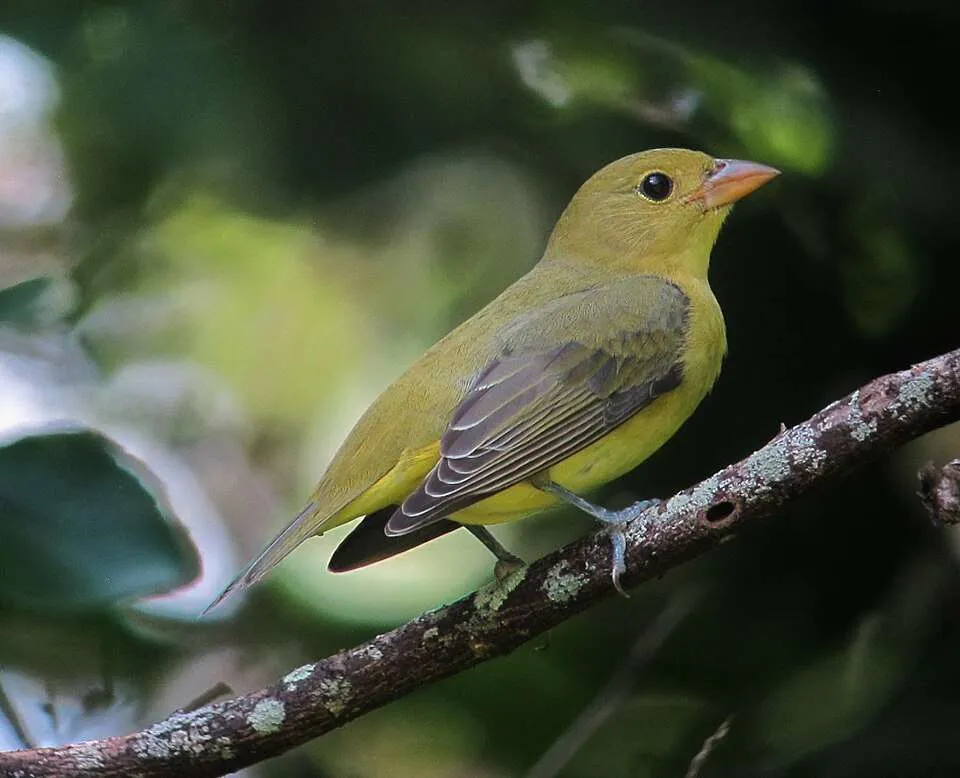
Scarlet Tanager (Piranga olivacea)
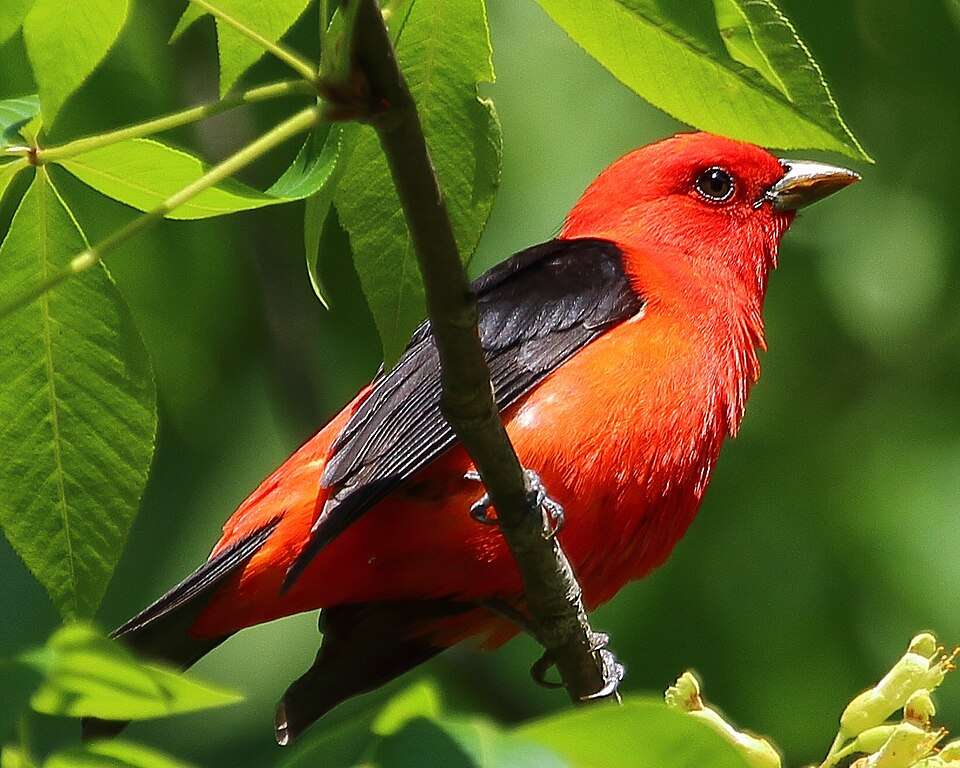
The Scarlet Tanager undergoes one of the most stunning transformations.
- Breeding Plumage: In its brilliant breeding plumage, the male is an unmistakable sight, with a body of intense Scarlet Red that contrasts sharply with its jet black wings and tail. This fiery ensemble is essential for attracting a mate and defending territory in the forest canopy.
- Non-breeding Plumage: However, following the breeding season, the male molts into a non-breeding plumage that closely resembles the female. The body feathers become a cryptic Yellowish-Olive Green, though the wings and tail retain their signature Black color, offering necessary camouflage during its long migration to South America.
Bobolink (Dolichonyx oryzivorus)
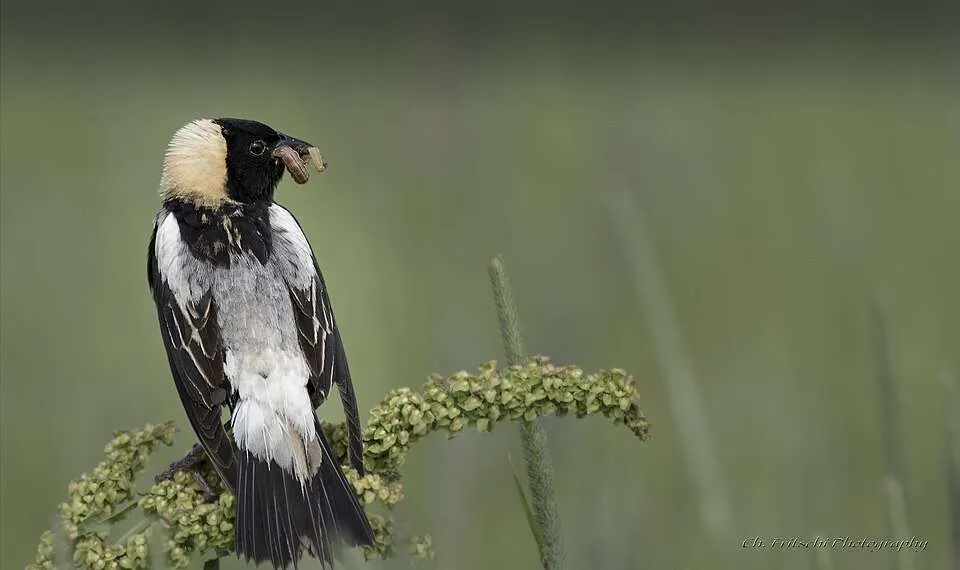
- Breeding Plumage: The male Bobolink exhibits a completely unique and striking pattern in its breeding plumage, often described as a "tuxedo worn backward." Its entire underside, including the face, chest, and belly, is Solid Black, while the back of its neck (nape) is a creamy Buff Yellow, and its back is a bold mix of Black and White stripes and patches. This conspicuous look is vital for its aerial song displays over grasslands.
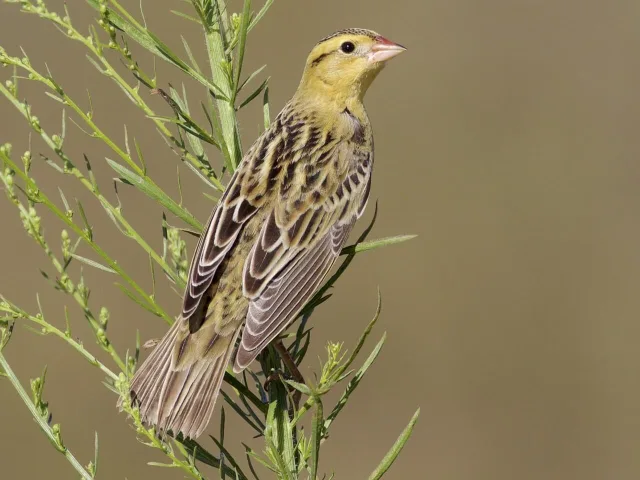
- Non-breeding Plumage: Once the nesting season ends, this dramatic pattern vanishes. The male molts into a non-breeding plumage that is entirely drab and sparrow-like, dominated by warm Buff-Brown tones and heavy dark streaking, losing all the bright black, white, and yellow for a cryptic appearance suitable for migration.
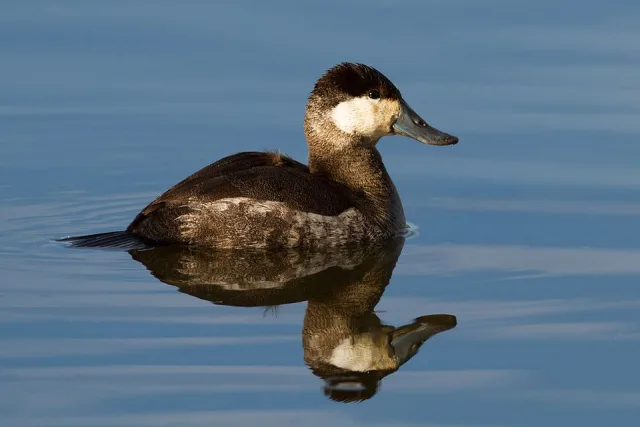
Ruddy Duck (Oxyura jamaicensis)
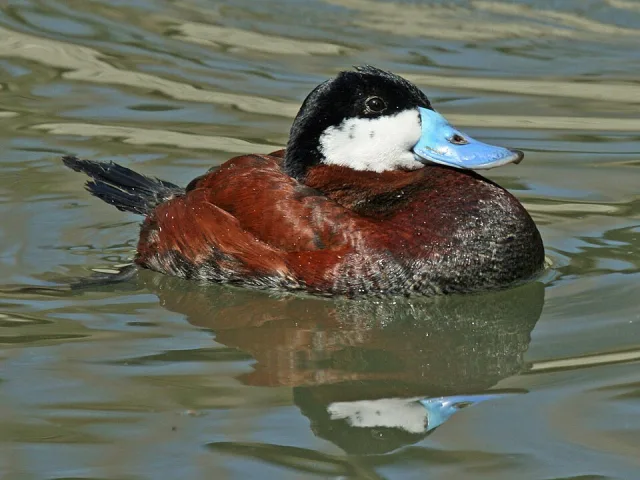
The Ruddy Duck exhibits a striking change, especially in the male. This small, stiff-tailed duck essentially goes from drab and unremarkable to one of the most distinctly colorful waterfowl.
- Breeding Plumage: The head features an unmistakable snow-white cheek patch contrasting with a solid black cap and nape. The body is a rich, deep ruddy chestnut red on the sides and back. Perhaps the most remarkable feature is the large, swollen bill, which turns a brilliant sky blue, serving as a key visual signal during courtship displays.
- Non-Breeding Plumage: The entire head, including the cheek patch, becomes a dull, uniform brownish-gray, effectively camouflaging the bird. The ruddy colors fade to a more subdued, mottled gray-brown. The bright blue bill also dulls significantly, reverting to a somber gray or grayish-black.
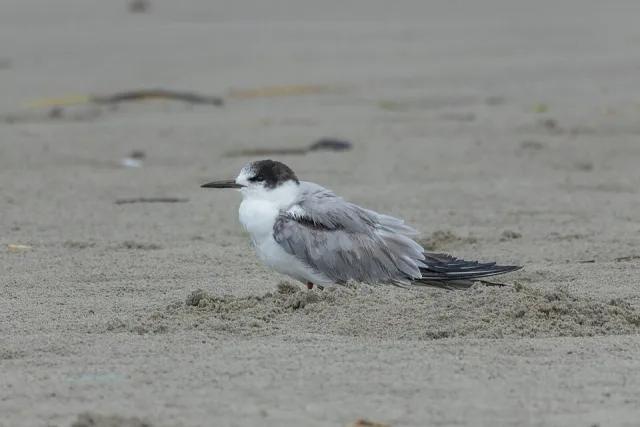
Common Tern (Sterna hirundo)
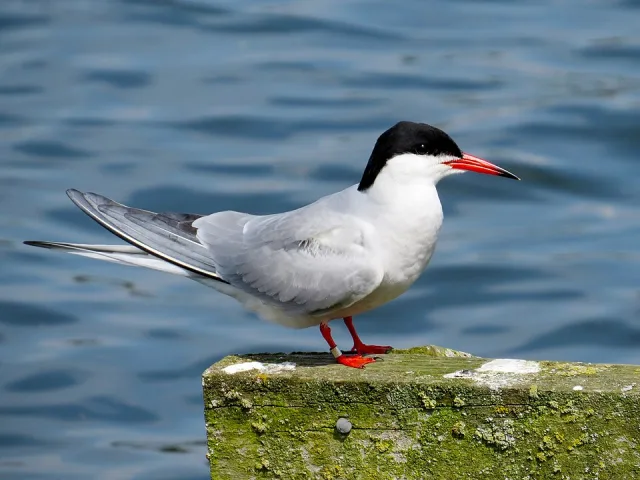
The Common Tern is an example of a dramatic head pattern change in a coastal bird, essential for its nesting colonies.
- Breeding Plumage: The head develops a sharp, complete jet black cap that extends from the bill down to the nape of the neck. The bill is bright, slender, and pointed, often appearing orange-red with a noticeable black tip. The body has clean white underparts and pale gray wings.
- Non-Breeding Plumage: The sharp black cap recedes dramatically. Only a small, dark black patch remains behind the eye, giving the bird a "half-mask" or "headphone" look. The forehead and crown become white. The bill loses its vibrant color, becoming entirely black or dark grayish. The body remains mostly white and gray, but the change in the head makes it look like an entirely different bird from the breeding season.
Wrapping Up
The change in plumage from non-breeding (Basic) to breeding (Alternate) in birds is a critical, seasonal transformation that serves a primarily reproductive purpose. Non-breeding plumage is typically drab, mottled, or earth-toned (browns, grays, olives). This cryptic coloration provides camouflage, which is vital for survival and energy conservation during the non-breeding season, migration, and winter. Breeding plumage, conversely, features bright, contrasting colors (reds, yellows, blues, glossy blacks, pure whites) that are highly conspicuous and aid in display.
The transformation is triggered by hormonal changes linked to increasing daylight (photoperiod). In many species, the change is achieved through a pre-alternate molt (a partial molt of body feathers in late winter/early spring). In a few species, the bright colors are simply hidden by dull feather tips in the winter; these tips then wear off to reveal the bright colors underneath (like in the European Starling).
In essence, the shift is a trade-off: from prioritizing survival (camouflage) to prioritizing reproduction (display).
The Masterpiece of Nature: The Intricate Construction of a Feather
