
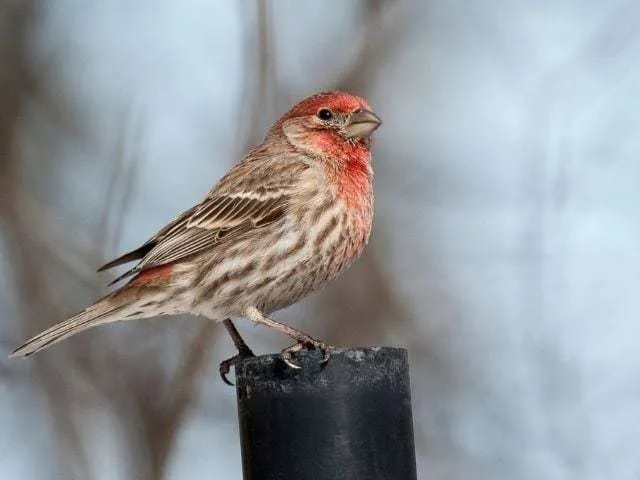
Bird feeders are a source of immense joy throughout the long, cold winter. They offer a front-row seat to the natural world, transforming a quiet backyard into a vibrant hub of activity. However, in our eagerness to help our feathered friends, we can inadvertently create conditions that put them at risk, specifically for a devastating illness known as Mycoplasmal Conjunctivitis, or "House Finch Eye Disease."
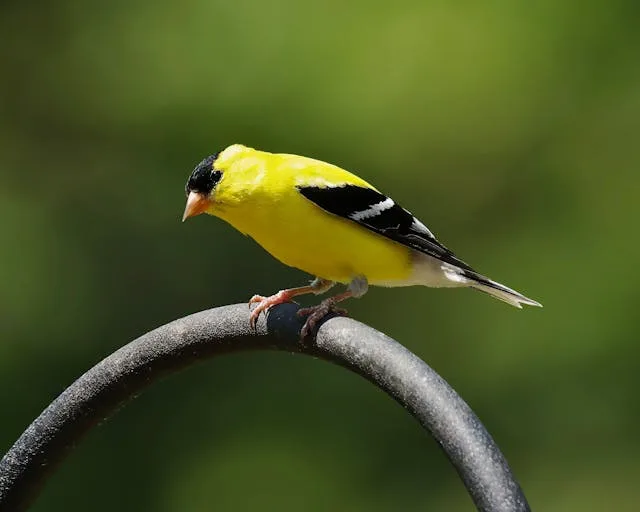
This bacterial infection, often manifesting as swollen, crusty, and weepy eyes—the avian equivalent of severe pink eye—primarily affects finches (especially House Finches, Goldfinches, and Grosbeaks). The disease is highly contagious and, because it can lead to blindness, often results in a slow, tragic death by starvation or predation.
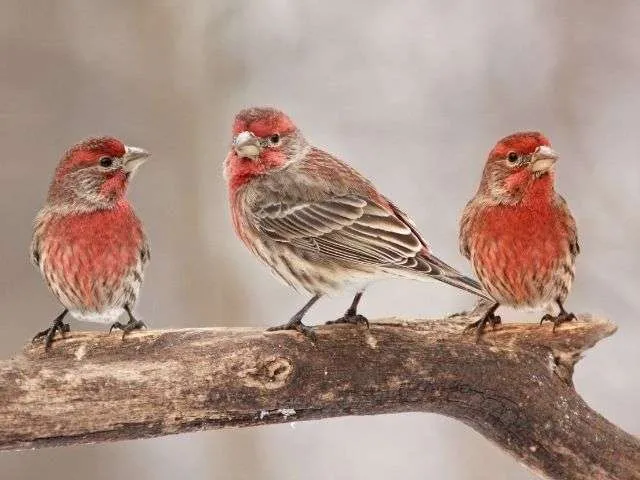
The central point of transmission? The crowded, contaminated surfaces of your backyard feeder. As winter forces birds to flock together and rely heavily on supplemental food, the risk skyrockets. By avoiding these five common mistakes, you can turn your feeder from a pathogen pathway into a safe, healthy haven this winter.
1. Neglecting a Consistent Cleaning Schedule
The single biggest mistake is assuming the cold weather naturally sterilizes your feeding station. It doesn't. The Mycoplasma gallisepticum bacteria, along with other dangerous pathogens like Salmonella, thrive in the conditions created by congregating birds.
The Mistake: Waiting until spring, or only cleaning your feeder when it looks visibly dirty.
The Fix: Commit to cleaning your seed feeders every two weeks at a minimum, or weekly if you have high bird traffic.
Disinfect: Use a solution of one part bleach to nine parts water (a 10% bleach solution).
Scrub: Use a stiff brush to scrub all surfaces, including feed ports and perches, to remove crusted-on debris and feces.
Rinse and Dry: Rinse thoroughly with clean water to remove all traces of bleach, and allow the feeder to air dry completely before refilling and rehanging.
2. Allowing Birds to Rub on the Feeder Ports

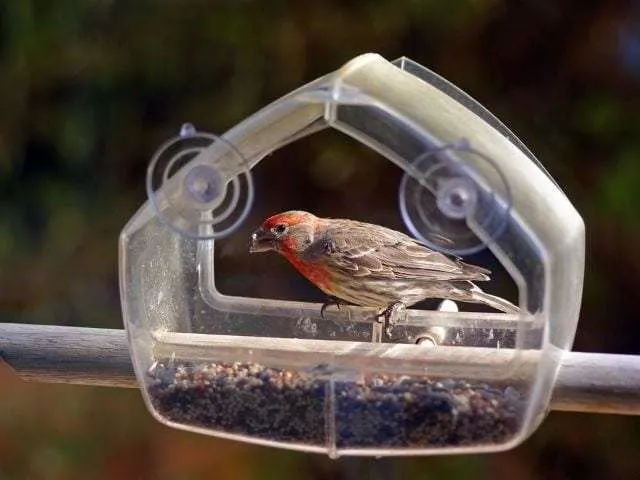
Transmission of Mycoplasmal Conjunctivitis happens when the ocular discharge from an infected bird's eye touches a surface, and a healthy bird then rubs its face on that same spot. Certain feeder designs are notorious for facilitating this direct contact.
The Mistake: Using tube feeders with small, recessed openings that require the bird to press its face close to the port while feeding.
The Fix: Use feeder types that minimize face-to-surface contact and encourage social distancing:
Platform or Tray Feeders: These open designs allow birds to feed with their heads up and spread out, minimizing contact between individuals and surfaces. They are easier to clean and dry quickly.
Hopper Feeders: While popular, ensure the design provides ample, wide perching space that discourages head-rubbing near the seed outlets.
Hulled Seed: Offering shelled seeds (like sunflower chips) reduces the time spent handling seed hulls at the port, lessening the contamination window.
3. Ignoring the Ground Beneath the Feeder
A bird feeder is not just the plastic or metal vessel; it is the entire feeding station, including the ground underneath. Spilled seed, wet hulls, and concentrated droppings create a moist, warm environment—a veritable petri dish for bacterial growth and mold. Birds, especially sick or lethargic ones, often forage on the ground, making this a high-risk area.
The Mistake: Letting a thick layer of decomposing seed hulls, moldy kernels, and feces accumulate under the feeder.
The Fix: Treat the ground as part of the cleaning routine.
Rake/Shovel: Regularly rake up or shovel out the contaminated debris beneath the feeder, especially during thaws. Dispose of this waste far away from the feeding area.
Relocate: Occasionally moving the feeder a few feet will prevent pathogen buildup in one static location.
Use Surfaces: If possible, mount your feeder over a surface like concrete or paving stones that can be easily swept and disinfected.
4. Overcrowding and Lack of Dispersal
Winter means food scarcity, leading to higher numbers of birds gathering at the most reliable food source—your feeder. This close-quarters congregation is an epidemiologist's nightmare, increasing the rate of transmission exponentially. A sneeze from one sick finch can instantly infect several others.
The Mistake: Only having one or two small feeders to serve a large flock, leading to intense competition and high bird-to-bird contact.
The Fix: Spread the food wealth across your yard to encourage dispersal.
Multiple Stations: Set up several small feeders rather than one large one, spacing them out across your yard.
Different Feeder Types: Use different styles of feeders for different food types (suet, thistle, sunflower) to attract various species, naturally reducing the finch concentration at a single spot.
Feed Less: Only put out the amount of seed that birds will consume in a day or two to minimize the time seed sits exposed to moisture and contamination.
5. Failure to Act When a Sick Bird Appears

This is the most critical mistake. Seeing a bird with swollen, crusty, or runny eyes, or one that appears lethargic, fluffed up, and easily approachable, is an emergency signal. The instinct is to keep the feeder up to help the sick bird eat, but this dramatically speeds up the infection rate among the entire local flock.
The Mistake: Leaving the feeder up when a diseased bird is spotted, prioritizing one sick bird over the health of the community.
The Fix: Immediately become a public health officer for your backyard.
Remove All Feeders: Take down all bird feeders and bird baths immediately—even ones that the sick bird wasn't seen using.
Clean and Disinfect: Thoroughly clean and disinfect every component using the 10% bleach solution (Mistake #1).
The Quarantine: Keep the feeding stations down for a minimum of two weeks. This time allows the local flock to disperse and forces any remaining sick birds to rely on natural food sources, reducing the density of susceptible hosts and breaking the cycle of transmission.
Report: If possible, contact your local wildlife resource department or the Cornell Lab of Ornithology to report the sighting, aiding in tracking the spread of the disease.
By recognizing the bird feeder as a communal public space that requires diligent maintenance, you can ensure your backyard remains a life-sustaining oasis, rather than a pathogen risk, for our beloved winter finches.
The Great Escape: Why Birds Migrate and Why Staying Put Isn't an Option
