
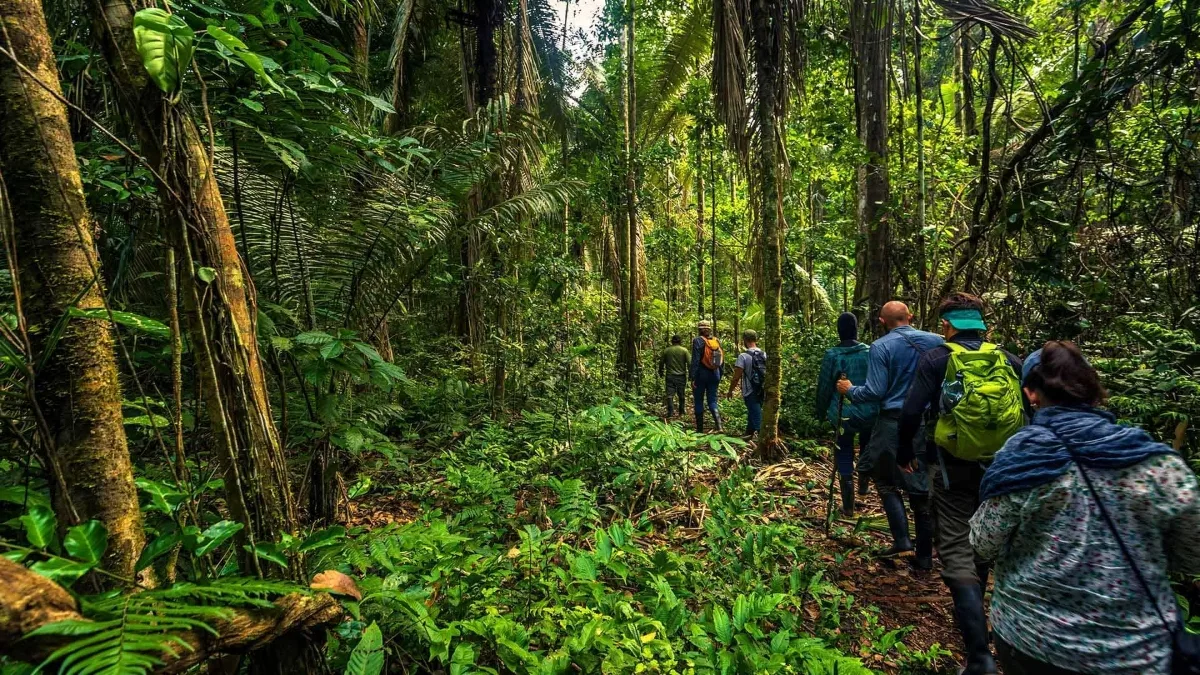
To maximize your avian encounters, birdwatching in Peru is typically split into three main geographic circuits. Each offers completely different habitats, target species, and travel styles.
Here are three 10-day tour articles tailored for each region.
1. The Northern Peru Circuit: The Land of Endemics
The North is the holy grail for serious birders. Because of the complex topography of the Marañón Valley and the isolated elfin forests, this region holds a massive number of birds found nowhere else on Earth.
Target Species: Marvelous Spatuletail, Long-whiskered Owlet, Scarlet-banded Barbet, White-winged Guan.
10-Day Itinerary Idea:
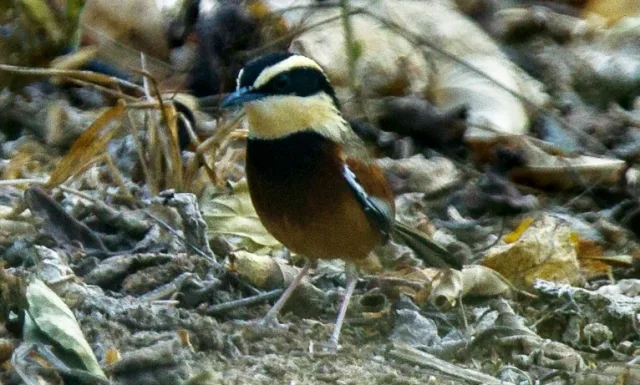
Day 1-2: Chiclayo to Chaparrí. Focus on the dry forest. Look for the rare White-winged Guan (saved from extinction here) and the Peruvian Plantcutter.
Day 3-4: Olmos to Abra Porculla. Cross the lowest pass in the Andes. Search for the Piura Chat-Tyrant and Elegant Crescentchest.
Day 5-7: Abra Patricia (Owlet Lodge). High-altitude elfin forest. This is the only place to find the tiny Long-whiskered Owlet at night and the Royal Sunangel hummingbird.
Day 8: Huembo Hummingbird Center. Visit the feeders for the world-famous Marvelous Spatuletail.
Day 9-10: Tarapoto & Moyobamba. Drop into the foothills for Oilbirds and specialized tanagers before flying home.
2. The Southern Peru Circuit: The Andes & Cloud Forest
This route provides the most dramatic scenery, taking you from the high Andean peaks down the legendary Manu Road—considered by many to be the best birdwatching road in the world.
Target Species: Andean Condor, Andean Cock-of-the-Rock, Bearded Mountaineer, Torrent Duck.
10-Day Itinerary Idea:
Day 1-2: Cusco & Huacarpay Lake. Start with Andean wetlands for Many-colored Rush-Tyrant and the endemic Bearded Mountaineer.
Day 3-4: Abra Málaga. High-altitude specialized forest (Polylepis). Look for the Royal Cinclodes at nearly 14,000 feet.
Day 5: Wayqecha Biological Station. Begin the descent into the cloud forest. Spot the Grey-breasted Mountain-Toucan.
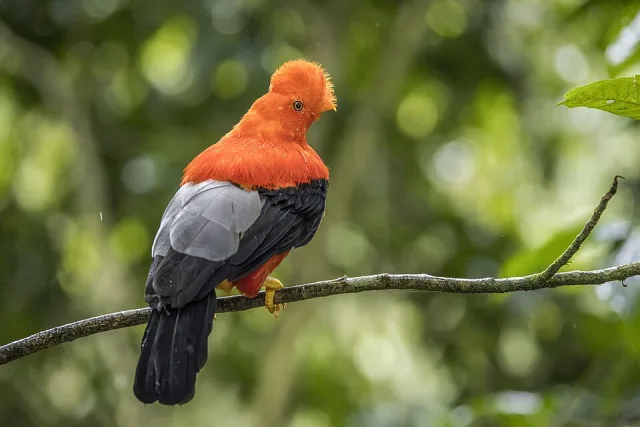
Day 6-7: Cock-of-the-Rock Lodge. Deep cloud forest. Spend your morning at a "lek" to watch dozens of Andean Cock-of-the-Rocks perform courtship dances.
Day 8-10: Lower Manu Road. Drop into the foothills for hundreds of tanager species and specialized bamboo birds before returning to Cusco via the scenic mountain pass.
3. The Amazon Lowlands: The Biodiversity Powerhouse
Focusing on the deep jungle (Tambopata or Iquitos), this trip is less about driving and more about boat rides and oxbow lakes. Expect heat, humidity, and a higher count of raptors and large parrots.
Target Species: Harpy Eagle, Scarlet Macaw, Hoatzin, Giant Otter (and its bird neighbors like the Sunbittern).
10-Day Itinerary Idea (Tambopata Focus):
Day 1-2: Puerto Maldonado. Arrival and introductory walks. Spot the Point-tailed Palmcreeper in the Mauritia palms.
Day 3-4: Sandoval Lake. Traverse the oxbow lake by canoe for Hoatzins, Sungrebes, and Capped Herons.
Day 5-7: Tambopata Research Center. Go deep into primary forest. Visit the world’s largest Macaw Clay Lick to see hundreds of parrots gathering at dawn to eat clay.
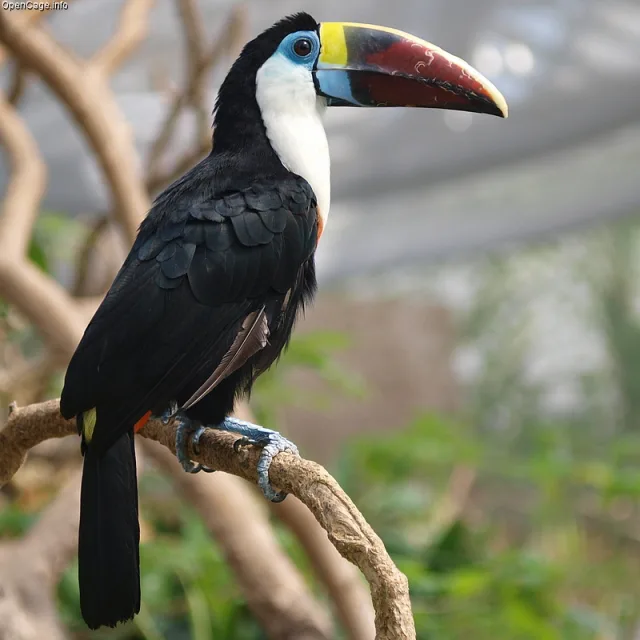
Day 8: Canopy Tower birding. Climb 100 feet into the canopy to see the forest from a bird’s eye view—perfect for spotting Toucans and Cotingas.
Day 9-10: Bamboo forest specialities. Search for the Rufous-headed Woodpecker in the unique bamboo patches before returning to the airport.
Wrapping Up
Peru is a global birding powerhouse where a single 10-day trip can significantly expand your life list. However, each circuit requires a different mindset and physical preparation:
Go North if you are a serious collector of endemics and rare species. Be prepared for longer driving days between remote cloud forests and the dry inter-Andean valleys.
Go South if you want the classic Peruvian experience. This is the most scenic route, perfect for those who want to combine world-class birding (like the Manu Road) with iconic history and culture in Cusco and the Sacred Valley.
Go to the Amazon if you want to experience sheer biodiversity in comfort. Staying at specialized jungle lodges like those in Tambopata or Manu allows for high-volume sightings of colorful toucans, macaws, and raptors with less transit time.
