

Pennsylvania's rich and varied landscapes, from bustling urban wetlands to sprawling state forests, create a unique haven for bird watchers across all seasons. The state's position along the Atlantic Flyway makes it a critical resting and feeding stop for hundreds of migratory species, while its diverse habitats support a year-round population of resident birds.
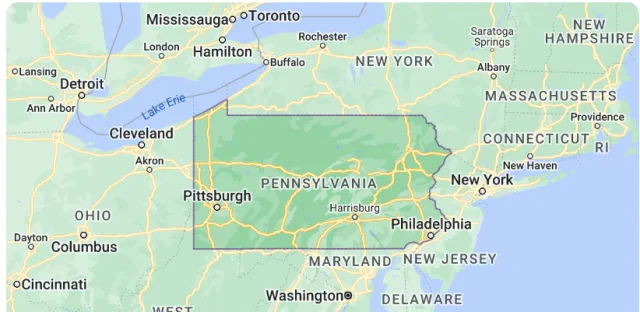
Whether you seek the spectacle of mass migration or the quiet thrill of spotting a rare nesting species, Pennsylvania offers world-class birding. From the easily accessible, species-rich environment of John Heinz National Wildlife Refuge at Tinicum near Philadelphia—America's first urban refuge—to the central wilderness that surrounds Bald Eagle State Park, the Keystone State provides an unparalleled array of birdwatching opportunities for both novice and seasoned enthusiasts.
John Heinz NWR
Nestled against the urban sprawl of Southwest Philadelphia, immediately adjacent to Philadelphia International Airport, the John Heinz National Wildlife Refuge at Tinicum stands as a remarkable, 1,200-acre ecological anomaly. Established as America's first urban refuge, its geography is defined by the largest remaining freshwater tidal marsh in Pennsylvania, the lifeblood of which is Darby Creek flowing into the Delaware River.
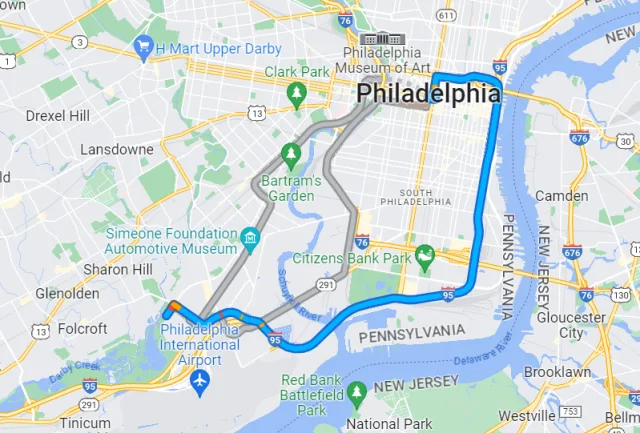
This crucial setting comprises a diverse mosaic of habitats, including the tidal marsh, open impounded water, mudflats, woodlands, and fields. Despite its proximity to a major metropolitan area and busy highway infrastructure, the refuge serves as a vital green oasis, protecting a rich biodiversity and providing a critical stopover point along the Atlantic Flyway.
The sheer diversity of habitats within this concentrated urban footprint creates outstanding, year-round birdwatching opportunities. Over 300 different bird species have been recorded at the John Heinz NWR, with more than 80 species nesting there. Birders flock to the refuge, particularly during the spring and fall migrations, to witness massive movements of warblers, vireos, and other songbirds.
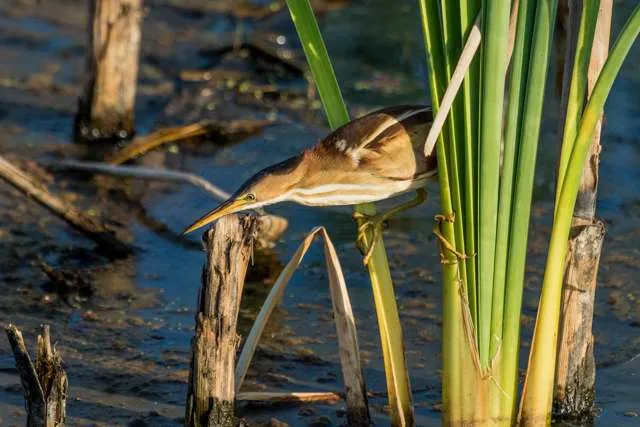
The tidal marsh and managed impoundments are perfect for spotting waterbirds, attracting significant numbers of ducks, geese, herons, and egrets. Species of interest include the elusive Least Bittern, Virginia Rail, and Sora, as well as an impressive array of raptors like Bald Eagles, Northern Harriers, and various migrating hawks that utilize the refuge for rest and hunting. Over 10 miles of flat trails, including the popular Wetland Loop, offer easy access to observation platforms and blinds, making the John Heinz NWR a premier and accessible birding destination.

Target Birds
Hooded Merganser
Osprey
Green Heron
Cooper's Hawk
Least Bittern
Indigo Bunting
Virginia Rail
Snow Goose
The U.S. Fish and Wildlife Service webpage offers up to date access information and other details.
Church Road Bird Sanctuary
The Church Road Bird Sanctuary is a specific, birding-focused section of the much larger Green Lane Park in northwestern Montgomery County, Pennsylvania. This location places it in the rolling hills and valleys of Southeastern PA, a region characterized by a mix of suburban development and protected natural areas. The sanctuary's geography is defined by its primary feature: an 80-plus acre portion of the Green Lane Reservoir.
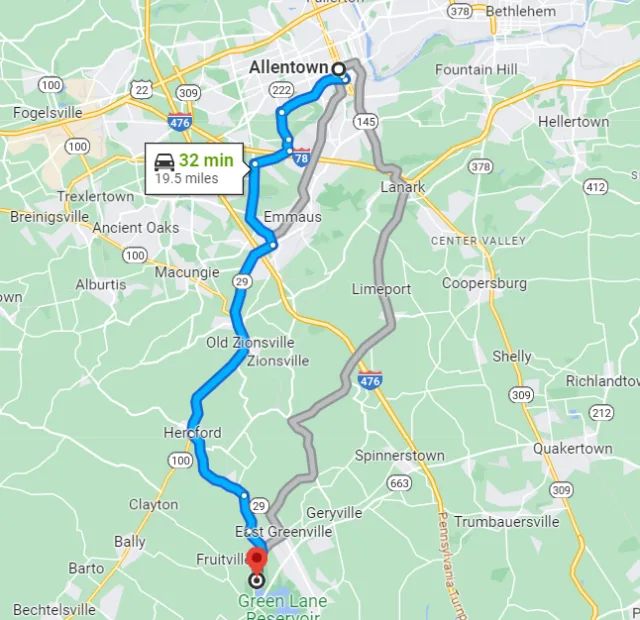
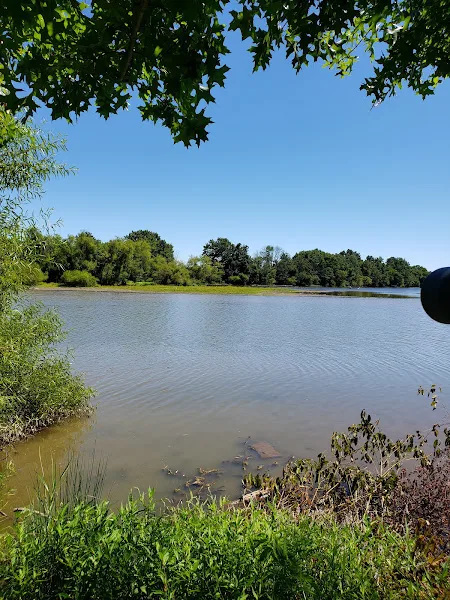
Its designation as a sanctuary means this area is closed to public activities like fishing and boating, creating a critical, undisturbed refuge for wildlife. The surrounding landscape contributes to its birding value, featuring the reservoir's shoreline, adjacent open fields, red-cedar stands, and conifer plantations, offering a diverse array of wetland and terrestrial habitats.
This unique combination of a protected, nutrient-rich lake section and varied surrounding habitats makes the Church Road Bird Sanctuary a premier destination for bird watchers. Its location within the Atlantic Flyway ensures that the area becomes a major rest-and-refueling stop, particularly during the spring and late autumn migrations. The water area is renowned for attracting a wide variety of waterfowl, including large numbers of ducks, geese, and swans.

However, the site is arguably best known for its incredible shorebird viewing, especially in late summer and early autumn when the lake's water levels are often low, exposing extensive mudflats. These mudflats have attracted over 30 species of plovers and sandpipers, making it a hotspot for rare sightings like American Avocet or Least Tern. Additionally, the adjacent open fields provide opportunities to spot raptors like the Rough-legged Hawk and Short-eared Owl in winter, as well as grassland species such as the Eastern Meadowlark.

Target Birds
Cedar Waxwing
Scarlet Tanager
Warbling Vireo
Semipalmated Plover
Least Sandpiper
Belted Kingfisher
Common Nighthawk
Blackpoll Warbler
The Montgomery County website has details about the Green Lane Park where the sanctuary is located.
Conejohela Flats
The Conejohela Flats are a unique and internationally recognized birding destination located on the Susquehanna River in Lancaster County, Pennsylvania, near the towns of Columbia and Washington Boro. Geographically, the "flats" consist of a chain of low-lying, brush-covered islands and adjacent mudflats that were created and are now regulated by the Safe Harbor Dam, which forms the artificial Lake Clarke a few miles downstream.
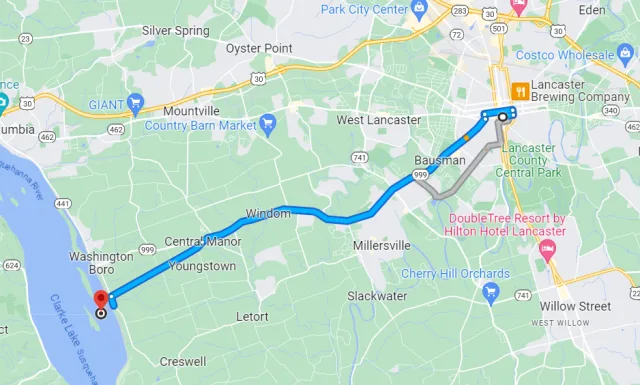
This control of the water level periodically exposes and covers the mudflats, creating a dynamic environment that is highly susceptible to seasonal flooding and sediment deposition. Designated an Important Bird Area (IBA) by the National Audubon Society, the site's unique geography as a vast riverine mudflat—a rare habitat in Pennsylvania—makes it a critical inland stopover for tens of thousands of migratory birds along the Atlantic Flyway.
The premier draw of the Conejohela Flats is the exceptional opportunity to observe migratory shorebirds, making it one of the most significant sites in the eastern United States for this specific group. As many as 38 species of shorebirds, including sandpipers, plovers, godwits, and dowitchers, use the flats to rest and refuel on their monumental journeys from Arctic breeding grounds to wintering ranges in Central and South America.
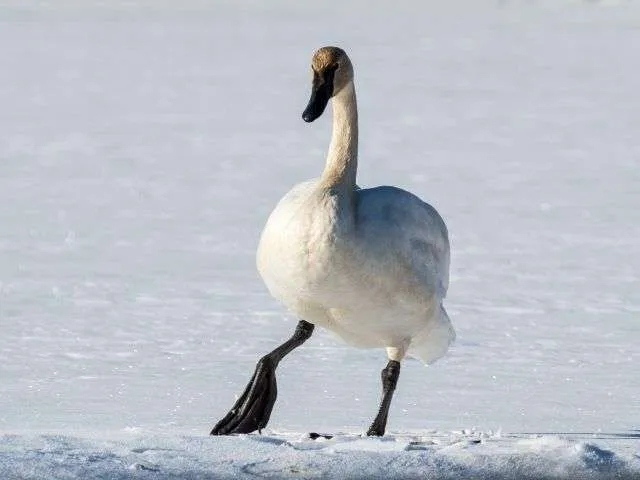
Additionally, the open water of Lake Clarke attracts large rafts of waterfowl, such as Tundra Swans in late winter, and is a dependable spot for raptors like Bald Eagles and Ospreys between spring and fall. Access to the flats is challenging, primarily requiring a kayak or canoe to navigate the open water and channels, allowing dedicated birders to explore the islands and Avocet Point for close-up views of the impressive diversity of species that rely on this vital Susquehanna River oasis.
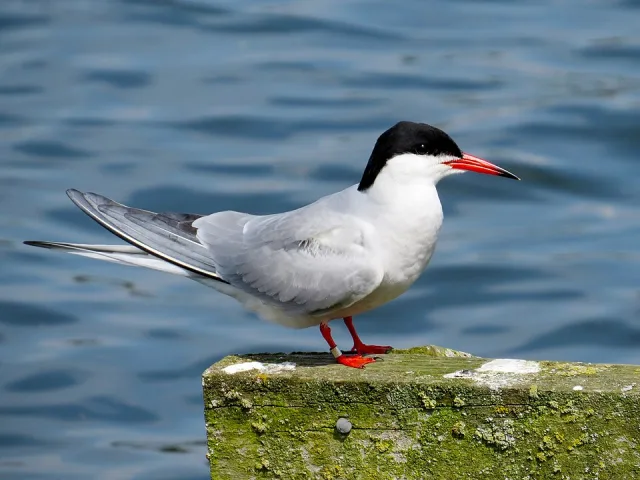
Target Birds
Gray Plover
Boneparte's Gull
Common Tern
Yellow-throated and Prothonotary Warbler
Ruddy Turnstone
American Redstart
Brown Thrasher
Anhinga
The Susquehanna Riverlands website has local information about the area and the different ways to access it.
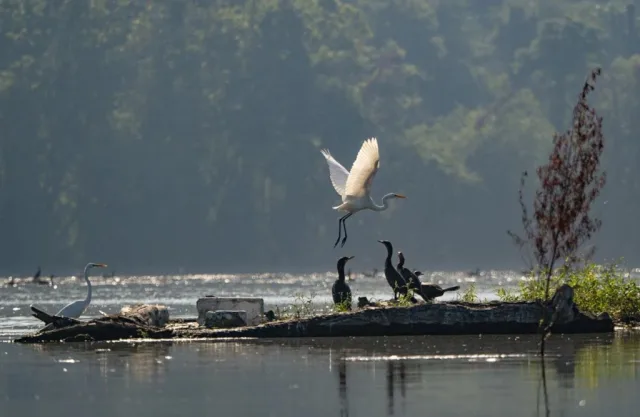
Peace Valley Park
Located in Bucks County, just north of Doylestown, Peace Valley Park is a 1,500-acre county park that serves as a vital natural oasis in the rapidly developing region of southeastern Pennsylvania. The central geographic feature of the park is the 365-acre Lake Galena, a man-made reservoir created by the damming of the north branch of the Neshaminy Creek.
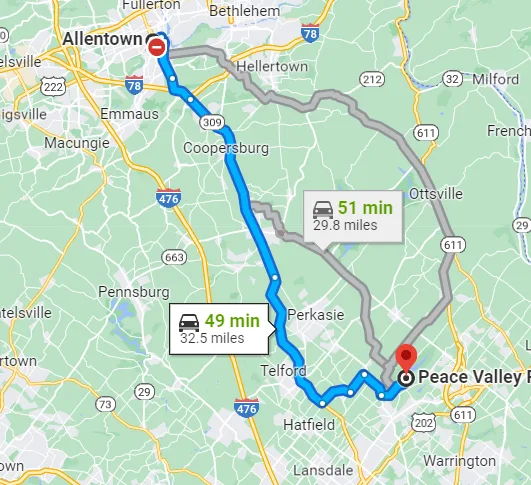
This significant body of water, surrounded by more than 14 miles of trails, creates a diverse landscape that includes mature deciduous and pine woodlands, open fields, and various wetlands, all of which contribute to a micro-ecosystem that attracts an incredible diversity of wildlife. The park's terrain is generally flat, making its extensive trail system, including a six-mile paved loop around the lake, highly accessible for visitors of all activity levels.
This blend of water, woodland, and field habitats has earned Peace Valley Park a prestigious designation as an Important Bird Area (IBA) by the Pennsylvania Audubon Society, with nearly 300 confirmed species recorded. Birdwatching opportunities are exceptional year-round, but truly peak during the spring and fall migrations. The large, open water of Lake Galena is a major draw for waterfowl, offering sightings of numerous duck species, loons, grebes, and gulls, including the locally famous Lesser Black-backed Gull.

The park's proximity to a major flyway also makes it a hotspot for raptors like Bald Eagles and Osprey, and the extensive woodlands are crucial stopovers for migrating songbirds, providing excellent viewing for various warblers, vireos, and tanagers. A dedicated Nature Center and public bird blinds further enhance the experience, providing resources and prime observation points for birders seeking both common and rare avian visitors.
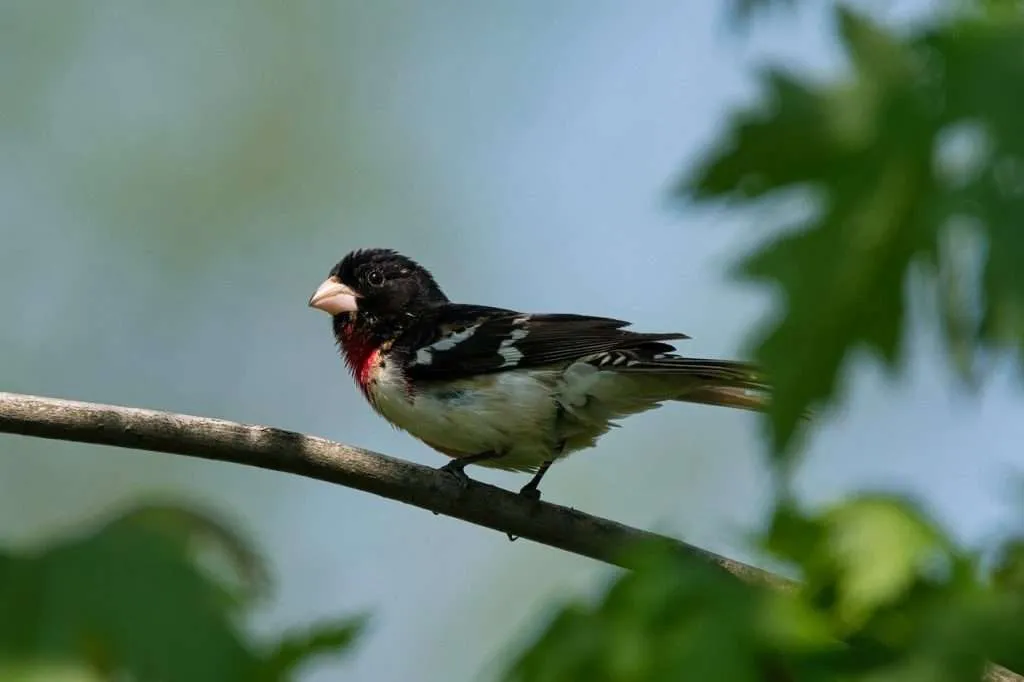
Target Birds
Fish Crow
Ovenbird
Rose-breasted Grosbeak
Great Horned Owl
Swainson's Thrush
Solitary Sandpiper
Grey Phalarope
The Delaware Valley Ornithological Club has lots of great information about birding in this area.
Yellow Creek SP
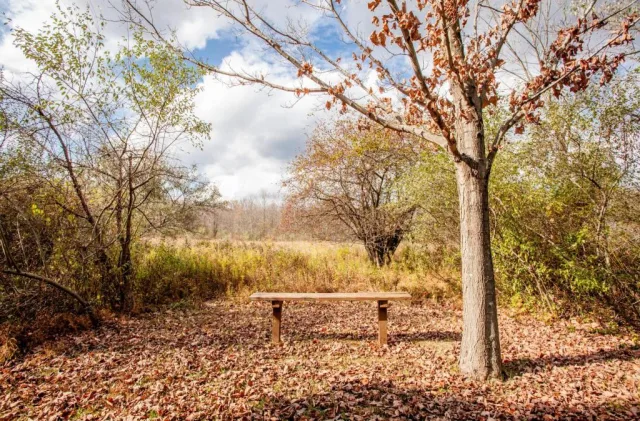
Located in east-central Indiana County, Yellow Creek State Park offers a unique blend of aquatic and terrestrial habitats across its nearly 3,000 acres, all centered around the 720-acre man-made Yellow Creek Lake. Geographically, the park sits among rolling hills and a steep-sided valley, encompassing deciduous and coniferous woodlands, old fields, marshes, and hemlock-rhododendron streamside vegetation.
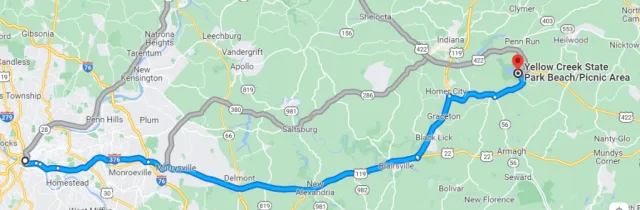
This varied mix of ecosystems, coupled with its position along the Atlantic Flyway, has earned the park an Important Bird Area (IBA) designation. The two main waterways, Yellow and Little Yellow Creeks, feed the reservoir and contribute to the rich wetland habitats that are critical for bird species throughout the year.
Yellow Creek State Park is particularly famous among bird watchers for its spectacular waterfowl and shorebird migrations, especially in spring and fall. Birders flock to the various coves, observation points, and trails, such as the Waterfowl Observatory Trail, to spot large rafts of migrating ducks like Canvasback, Redhead, Bufflehead, and all three Merganser species.
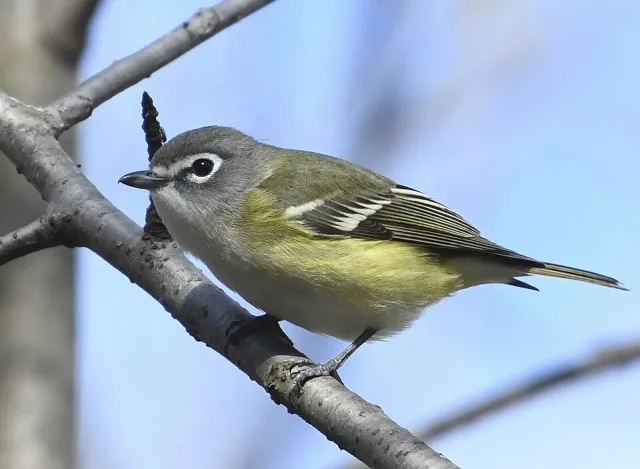
The park is a major stopping point for Tundra Swans, which can arrive in flocks of hundreds during migration. Beyond the open water, the park's marshes are vital, often yielding sightings of secretive species such as rails and bitterns, while the mature forests and brushy areas provide habitat for nesting songbirds like the Hooded Warbler, Blue-headed Vireo, and a wide variety of warblers and sparrows during the migratory seasons.
Target Birds
Red-shouldered Hawk
Blue-headed and Red-eyed Vireo
Acadian Flycatcher
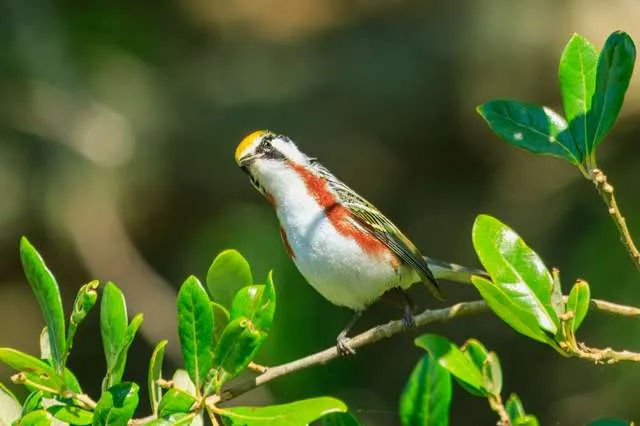
Blackburnian and Chestnut-sided Warbler
Louisiana Waterthrush
Forster's Tern
Lesser Scaup
Ruddy Turnstone
The Pennsylvania Government website has general information about the area and a downloadable bird checklist.

Presque Isle SP
Presque Isle State Park occupies a unique geographic position in Northwestern Pennsylvania, defining the city of Erie's relationship with Lake Erie. The park itself is a sweeping, arching, sandy peninsula—a presque île, or "almost island," in French—that juts into the lake, sheltering the large, deep harbor of Presque Isle Bay. This remarkable landform is the result of continuous wave action and longshore drift, which constantly deposits sand to reshape its contours.
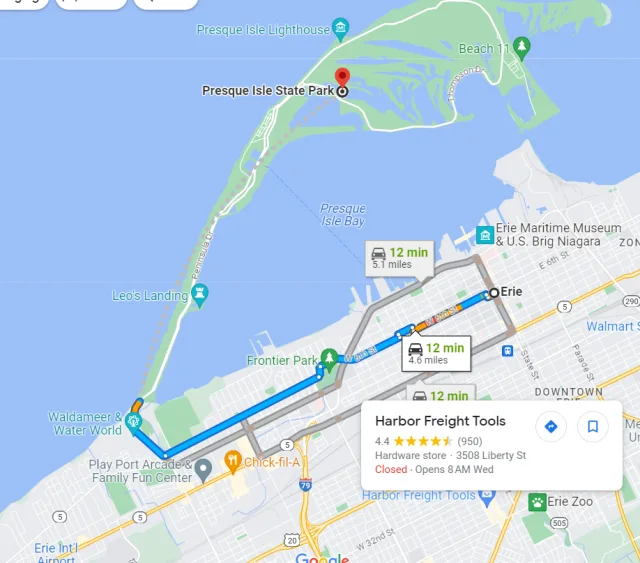
This dynamic, low-lying geography creates a remarkable diversity of habitats in a relatively small area, including beaches, sand plains, dunes, marshes, lagoons, and mature forests. This collection of different ecosystems, undergoing continuous ecological succession, makes Presque Isle one of the most biodiverse locations of comparable size in Pennsylvania.
The peninsula's position extending out into the Great Lake is the single most important factor that elevates its birdwatching status to one of the top locations in North America. Situated directly along the Atlantic Flyway, Presque Isle acts as a vital navigational landmark and a crucial first-landfall or last-stop refuge for migrating birds crossing Lake Erie.

Over 330 bird species have been recorded here, with peak birding occurring during the spring and fall migrations. Warblers, vireos, and other songbirds concentrate on the peninsula before or after crossing the open water, often creating spectacular "fallouts." The lake and sheltered bay attract massive numbers of migrating waterfowl, while the highly sensitive Gull Point Natural Area at the eastern tip is a globally important resting and feeding spot for thousands of shorebirds, including sandpipers and plovers, making Presque Isle a true mecca for bird enthusiasts.

Target Birds
Great Northern Diver
Least Flycatcher
Indigo Bunting
Piping Plover
White-rumped Sandpiper
Black-billed Cuckoo
Arctic Tern
Red-headed Woodpecker
The TREC website has great detail about the park and how to get the most out of a visit.

Delaware River--Hog Island Rd.
The area designated as Delaware River—Hog Island Rd. is a birding hotspot rooted in a dramatic geography of transformation at the confluence of the Delaware and Schuylkill Rivers near Philadelphia. Historically, Hog Island was an actual marshy island, but extensive industrial development, including the construction of a massive World War I shipyard and later the creation of the modern Philadelphia International Airport (PHL), saw the island infilled and incorporated into the mainland.
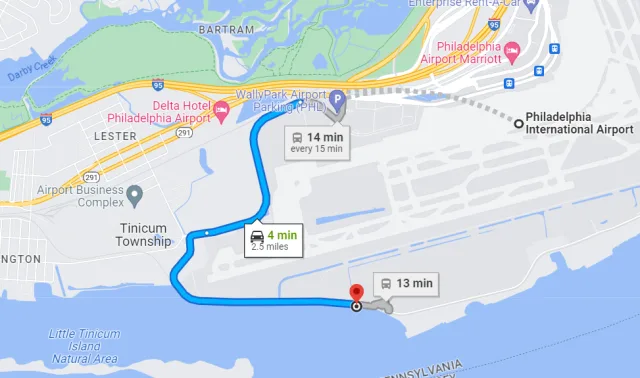
The "Hog Island Road" moniker today refers to the peripheral, often restricted access areas that border the airport and the remaining preserved wetlands of the nearby John Heinz National Wildlife Refuge at Tinicum. This geographic juxtaposition—a sliver of wild habitat pressed against a major metropolitan and transportation hub—creates an ecological anomaly that draws a remarkable concentration of avian life.
Despite its highly developed surroundings, the location's proximity to the tidal freshwater marsh habitat is a magnet for bird species, making it a critical site along the Atlantic Flyway. Bird watchers frequent the area for its diverse array of waterfowl, wading birds, and migratory songbirds.
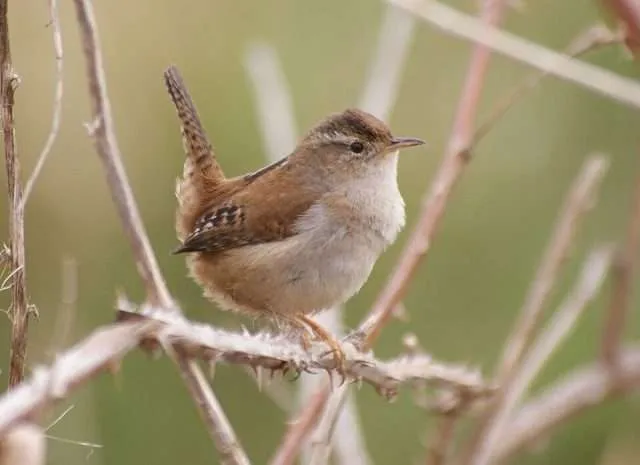
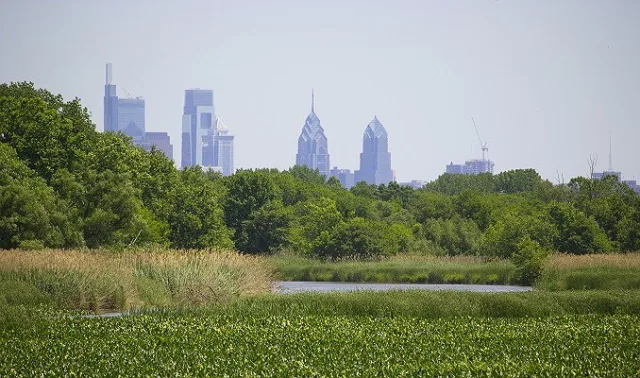
The combination of open water, mudflats, and brushy edges attracts dozens of species of ducks and shorebirds during migration, including less common sightings like Least Bitterns and Marsh Wrens in the thick marsh vegetation. Raptors, such as Bald Eagles and various hawks, are also commonly seen hunting over the open water. This unexpected urban oasis offers an exciting and accessible challenge for birders, rewarding patient observation with a high volume and variety of species against the unlikely backdrop of the Philadelphia skyline and airport activity.
Target Birds
Caspian Tern
Great Black-backed Gull
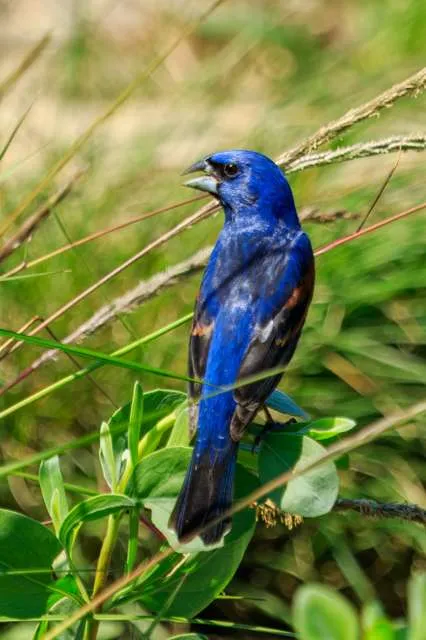
Blue Grosbeak
Prairie and Worm-eating Warbler
American Bittern
Sharp-shinned Hawk
Wilson's Snipe
The Watershed Alliance webpage for the Delaware River has information about a range of locations along the river for bird watching.
Bald Eagle SP
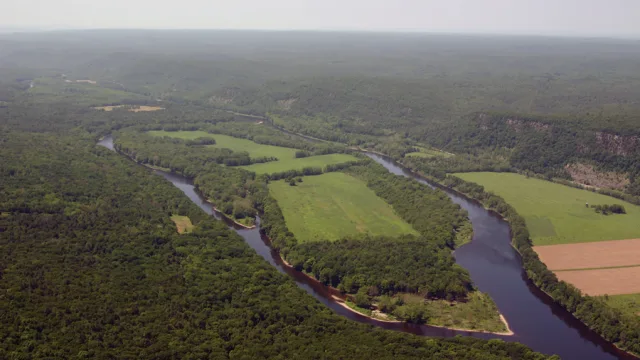
Located in central Pennsylvania's beautiful Bald Eagle Valley, Bald Eagle State Park offers bird watchers a compelling mix of habitats where two distinct geological features meet. The park sits where the rolling, forested hills of the Allegheny Plateau transition into the sharp, parallel ridges of the Ridge and Valley Province, creating excellent flyways for migrating birds.
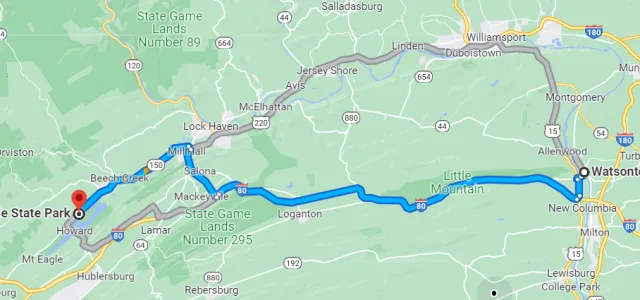
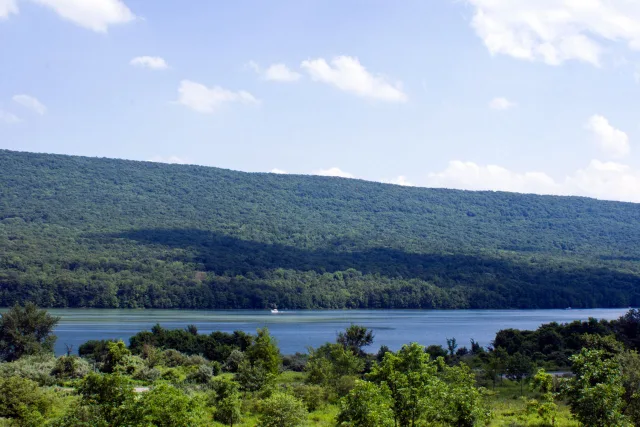
The heart of this 5,900-acre park is the 1,730-acre Foster Joseph Sayers Reservoir, formed by damming Bald Eagle Creek. This large body of water, surrounded by forests, wetlands, and fields, is the geographical feature that draws a remarkable variety of avian life, acting as a crucial stopover point for birds navigating the region's mountainous terrain.
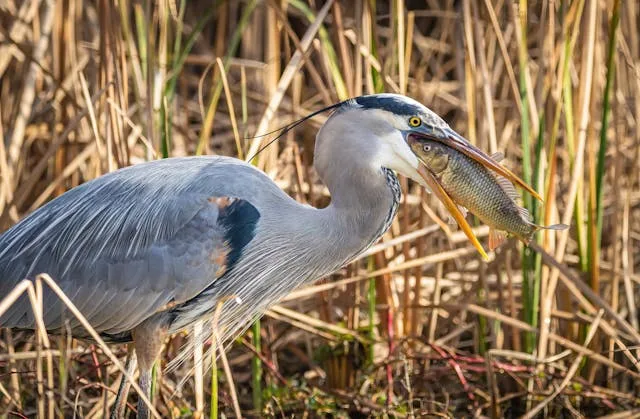
The park's diverse landscape translates directly into outstanding birdwatching opportunities throughout the year. As the name suggests, it is an ideal location for spotting the majestic Bald Eagle, which, along with Ospreys, Great Blue Herons, and various gulls and geese, frequents the reservoir's shoreline and open waters.
During spring and fall migration, the park's location along the mountain ridges turns it into a magnet for neo-tropical migrants, offering glimpses of various warblers, flycatchers, and swallows. Even in winter, the area is active, providing habitat for year-round residents like cardinals and sparrows, and attracting migrating waterfowl such as buffleheads, mergansers, and cormorants to the open water of the lake.

Target Birds
Yellow-billed Cuckoo
Bobolink
Orchard and Baltimore Oriole
Scarlet Tanager
Broad-winged Hawk
Slavonian Grebe
Buff-bellied Pipit
The PA Gov website has nice details about wildlife watching in the area.
Lake Ontelaunee
Tucked away in Berks County, just north of Reading, Lake Ontelaunee is a large, man-made reservoir covering over 1,000 acres, created by the damming of Maiden Creek in 1926 to serve as a water supply for the city. Its geography is characterized by the expansive open water of the lake itself, which is surrounded by a mix of diverse terrestrial habitats, including wooded areas, marshy coves, and open fields, particularly around the feeder creeks.
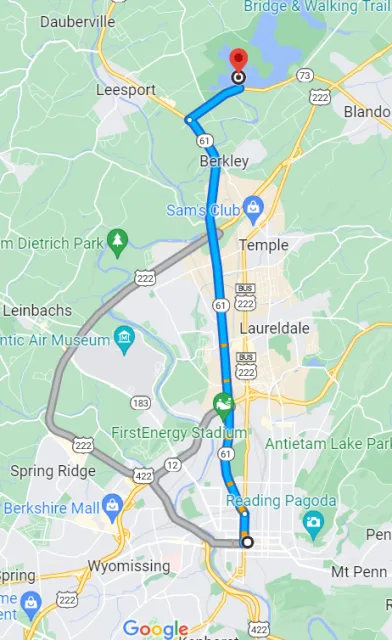
This patchwork of land and water, along with its location in southeastern Pennsylvania, makes it a critical stopover point for migratory birds moving along the regional flyways. The fact that the reservoir prohibits recreational boating and swimming also contributes to a quieter, more undisturbed environment for wildlife, enhancing its appeal as a peaceful natural sanctuary.
The lack of boat traffic on the reservoir is the key to Lake Ontelaunee's reputation as one of the best water birding locations in the region. During the fall, winter, and spring migration periods, the open water acts as a magnet for a vast variety of waterfowl, including numerous species of ducks, geese, swans, loons, and grebes.
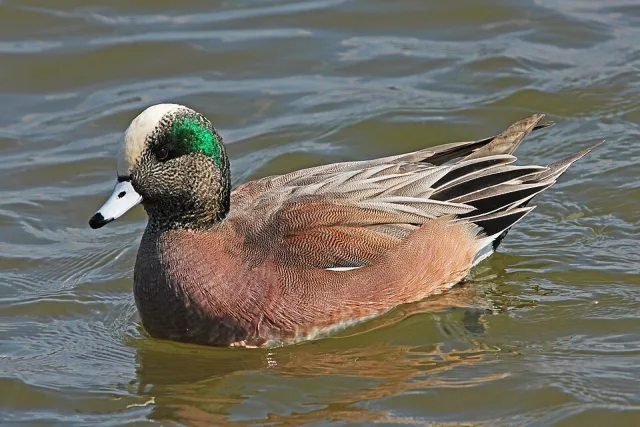
Birders often focus their efforts around the dam bridge on Route 73 for excellent scoping opportunities of the open lake, while other hotspots like the Peters Creek area offer a mix of habitats. The sheltered coves and marshes are perfect for spotting less common species like rails, bitterns, and wading birds, and in years with low water levels, extensive mudflats attract significant numbers of migrating shorebirds, making Lake Ontelaunee a reliable year-round destination for a rich and diverse birding experience.

Target Birds
American Wigeon
Ring-billed Gull
Bufflehead
Golden-crowned Kinglet
Winter Wren
Fox Sparrow
Red-throated Diver
The Baird Ornithological Bird Club has regular walks in the area.
Wrapping Up
Ultimately, the diverse bird watching opportunities in Pennsylvania are a testament to the state's varied geography and critical position on the Atlantic Flyway. From the peaceful interior waters of Lake Ontelaunee—a non-motorized reservoir in Berks County that provides a quiet, year-round haven for waterfowl like loons, grebes, and a multitude of duck species—to the dynamic peninsula of Presque Isle State Park on Lake Erie, the Commonwealth offers spectacular contrasts for birders.
Presque Isle, a nationally recognized hotspot, is a vital stopover for over 330 species of migrants, creating a funnel effect for immense numbers of songbirds, shorebirds, and raptors, particularly during spring and fall migrations. Whether you're scanning the protected shallows of an inland lake or observing a fallout of warblers on the shores of a Great Lake, Pennsylvania provides a deeply rewarding and accessible birding experience across all seasons.
