
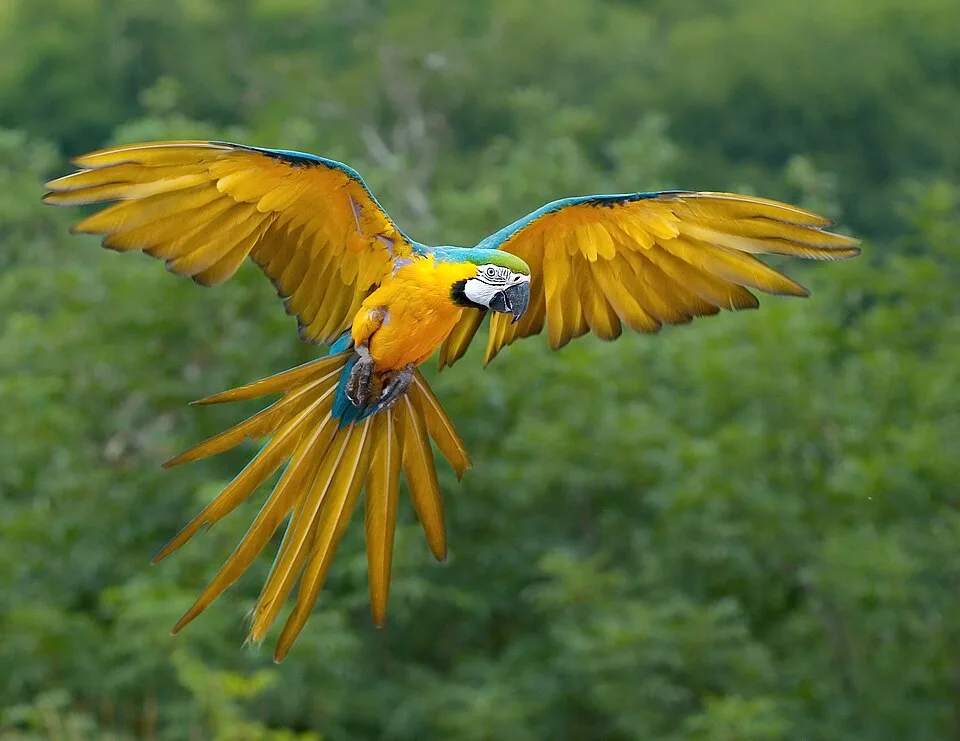
The image of a parrot—a flash of emerald green, azure blue, or brilliant red—is usually associated with the tropical rainforests of South America or the exotic bird trade. Yet, in a remarkable testament to avian adaptability and human history, flocks of wild, free-flying parrots have become an unmistakable feature of urban life across the United States. From the palm-lined avenues of Los Angeles to the bustling brownstones of Brooklyn, these feral parrot colonies, descended almost entirely from escaped or released pets, represent a vibrant, noisy, and often controversial layer in the American avifauna.
The Native Ghosts: America’s Lost Parrots
To appreciate the current, non-native parrot populations, it is important to remember the United States was once home to its own native species. Tragically, these original American parrots are now largely ghosts.
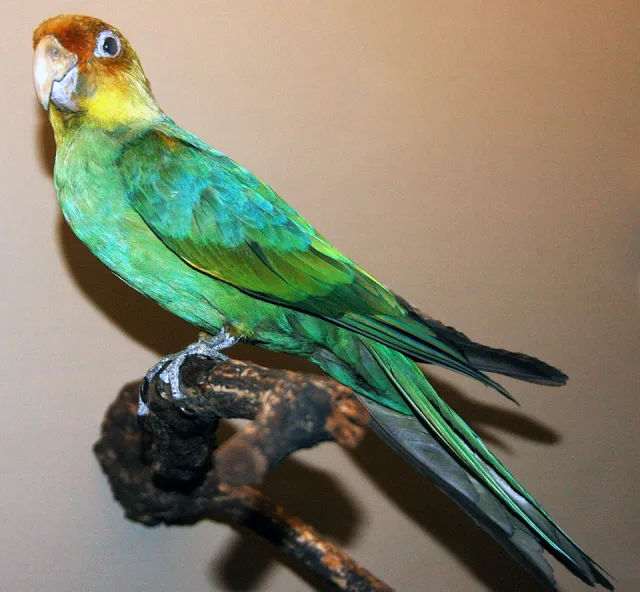
The Carolina Parakeet (Conuropsis carolinensis), a stunning small parrot with a yellow-orange head and bright green body, was the only endemic parrot of the eastern U.S. Its historical range stretched from Florida north to New York and west into the Midwest. Unfortunately, habitat destruction and direct hunting, driven by their perceived status as agricultural pests and a desire for their vibrant feathers, led to their rapid decline. The last confirmed bird died in the Cincinnati Zoo in 1918, a somber reminder of a colorful piece of American wildlife lost forever.
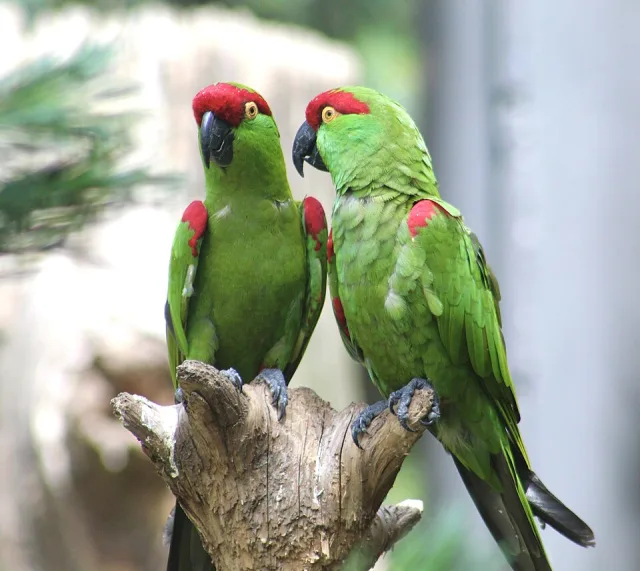
The Thick-billed Parrot (Rhynchopsitta pachyrhyncha) was the other native species, historically found in the mountainous pine forests of Arizona and New Mexico. It is now extirpated from the U.S., though conservation efforts have made attempts at reintroduction, with the only established wild populations remaining in Mexico.
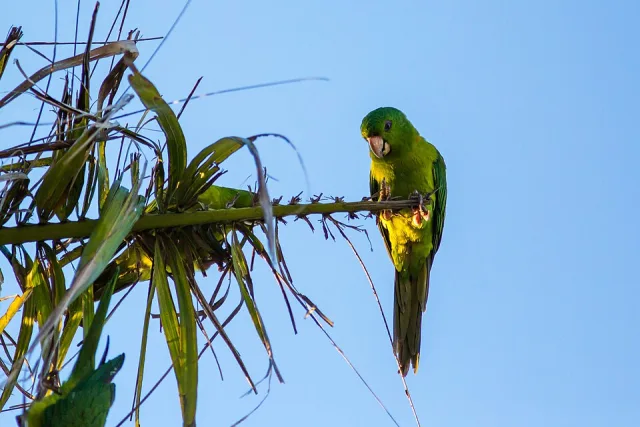
Today, the status of the Green Parakeet (Psittacara holochlorus) in the lower Rio Grande Valley of South Texas is debated. While some populations in this region are believed to be the result of escaped pets, the species' native range extends just south of the U.S. border, leading some experts to consider the Texas birds as an extension of a naturally occurring, if tenuous, native population.
The Feral Phenomenon: Accidental Immigrants
The majority of the parrots soaring over American cities today are feral populations, meaning they are non-native species that established self-sustaining colonies after escaping or being deliberately released from the exotic pet trade, primarily during the mid-to-late 20th century. Over 25 species of parrots have been reported to have established breeding populations in at least 23 U.S. states, with the largest and most well-known colonies concentrated in the warmer climates of Florida and California, and in surprisingly cold major metropolitan areas.
1. The Undisputed Urban King: Monk Parakeet (Myiopsitta monachus)
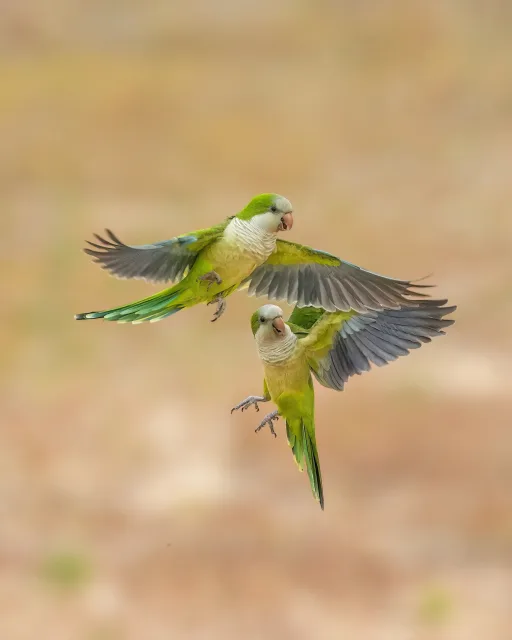
The Monk Parakeet, also known as the Quaker Parrot, is arguably the most successful and widespread feral parrot in the U.S. Hailing from the temperate to subtropical regions of South America (Argentina, Brazil, and Uruguay), this species is uniquely suited to survive colder northern winters.
Adaptability: Unlike most parrots, which are cavity-nesters, the Monk Parakeet is the only parrot species known to build large, elaborate, communal stick nests. These massive, multi-compartment structures, often built on utility poles, cell phone towers, or tall trees, provide insulation and shelter that allow them to thrive as far north as Chicago, Boston, and Brooklyn, New York.
Distribution: Its green and gray plumage and distinctive, long-tailed silhouette are now common sights in major cities across the continent, including Houston, Dallas, New Orleans, and numerous locations in Florida and California.
2. The Amazonian Beauties: Red-Crowned and Lilac-Crowned Parrots
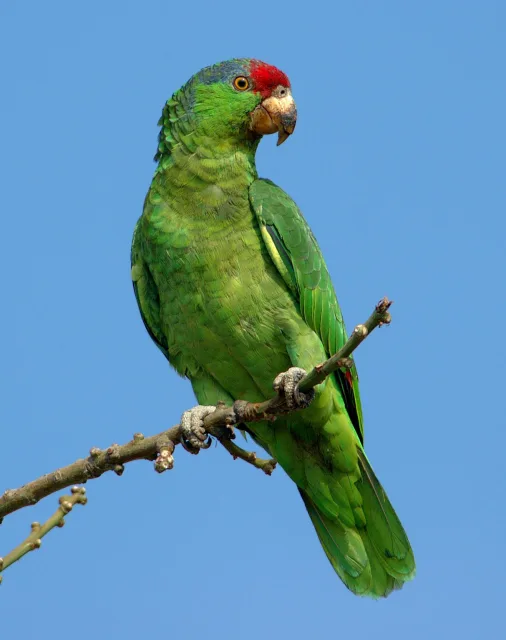
The larger Amazon parrots have also established strong footholds, particularly in the Southwest. The Red-crowned Parrot (Amazona viridigenalis) is one of the most common feral species in California and Texas.
Conservation Paradox: This species is considered endangered in its native range in Mexico due to habitat loss and trapping for the pet trade. Ironically, its robust feral populations in U.S. cities like Los Angeles and the Rio Grande Valley may provide a genetic insurance policy for the species.
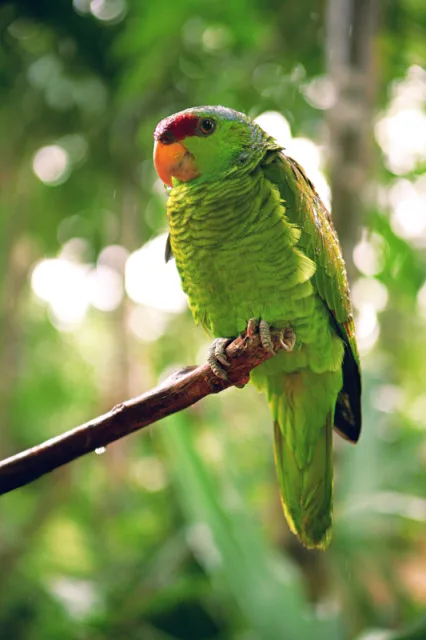
Interbreeding: In Los Angeles, research has even documented hybridization between the Red-crowned Parrot and the closely related Lilac-crowned Parrot (Amazona finschi), another feral species, creating a unique evolutionary situation never before seen in the wild.

Lilac-crowned Parrot
3. Florida's Conures and Parakeets
Florida, with its year-round tropical climate, has become a hotbed for feral parrots.
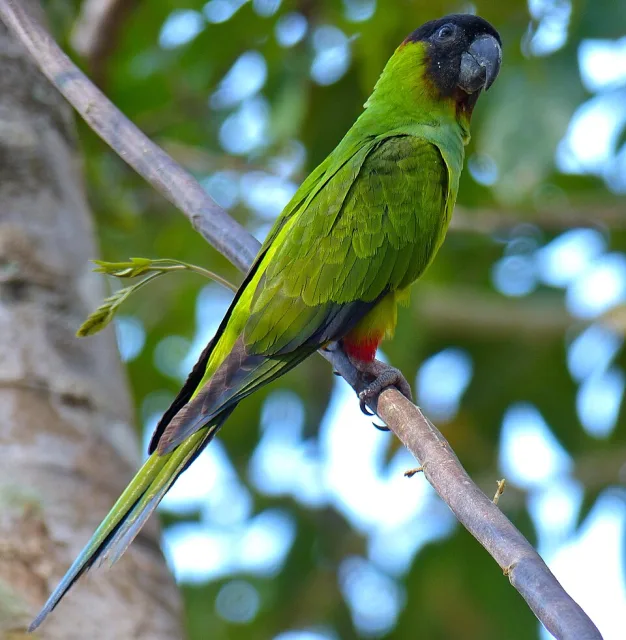
Nanday Parakeet: Also known as the Black-hooded Parakeet (Aratinga nenday), these birds, distinguished by their yellow-green bodies and bold black heads, are common in central and southern Florida and parts of Southern California.

Nanday Parakeet https://lovethebirds.com/bald-eagle-coastline/
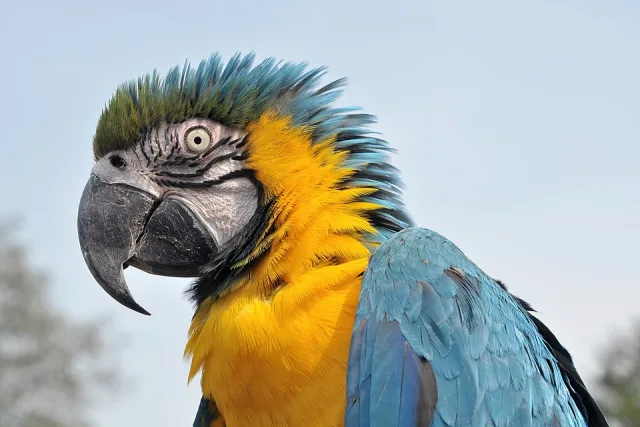
Blue-and-yellow Macaws: Even some of the largest parrots, like the spectacular Blue-and-yellow Macaw, have established breeding populations in certain areas of Miami-Dade County.

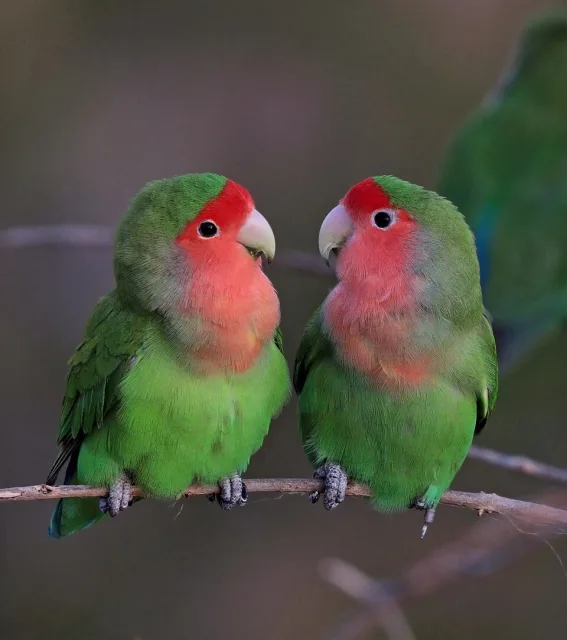
Blue and Yellow Macaw Rosy-faced Lovebirds: In the arid landscape of Phoenix, Arizona, flocks of small, colorful Rosy-faced Lovebirds (Agapornis roseicollis) from Africa have successfully made their home, utilizing suburban infrastructure and non-native ornamental plants.

Rosy-faced Lovebird
The Urban Ecology and Controversy
The presence of these exotic birds sparks fascination from birders and tourists, but it also raises important ecological and infrastructural questions.
Infrastructure and Agriculture
The communal stick nests of the Monk Parakeet are the most significant source of conflict. When built on utility structures, they can cause power outages and pose fire hazards. Utility companies in states like Florida and Texas spend millions annually on nest removal and population management. While initial fears of widespread agricultural damage have not materialized on a national scale, the birds can locally impact orchards and grain crops.
Competition and Disease
The potential long-term impacts on native wildlife are the biggest concern. Feral parrots, which are often noisy and highly aggressive, may compete with native cavity-nesting birds like woodpeckers, owls, and kestrels for limited nesting sites in trees, potentially displacing them. Furthermore, there is a constant risk that these introduced populations could transmit exotic diseases to native birds.
Despite these issues, eradication efforts, especially for the well-established Monk Parakeet colonies, have proven largely ineffective and publicly unpopular. The birds have simply become a naturalized part of the urban environment, fitting the definition of successful invaders who exploit the abundant, year-round resources offered by human development.
The wild parrots of America are an ongoing, dynamic ecological experiment. They remind us that nature, however altered by human action, is resilient and full of surprises. They are a living, flying symbol of the pet trade's enduring legacy—a bright, raucous splash of the tropics against the backdrop of the American city.
The Unseen Invasion: Why Feral Birds Are a Threat to Our Native Ecosystems
