
The Outer Banks (OBX) of North Carolina—a slender chain of barrier islands stretching along the Atlantic coast—represent one of the most dynamic and rewarding locations for birding on the Eastern Seaboard. This region is a vital migratory corridor, a winter haven, and a breeding ground, especially for wading birds, shorebirds, and, most notably, pelagic species pushed close to shore. At the heart of this avian activity lies the Pea Island National Wildlife Refuge (NWR), a critical protected area that serves as a sanctuary for hundreds of bird species.
The Outer Banks: A Funnel for Flight
The unique geography of the Outer Banks—a narrow sand spit separating the Atlantic Ocean from the vast, shallow Pamlico Sound—creates prime conditions for bird concentrations.
Coastal Migration: During spring and fall migration, the OBX acts as a natural funnel. Birds traveling along the coast often get concentrated as they navigate the barrier islands, making sightings frequent and diverse.
Proximity to the Gulf Stream: The warm, nutrient-rich waters of the Gulf Stream flow relatively close to the Hatteras area. Storms or strong easterly winds can push pelagic (open-ocean) seabirds—species that rarely touch land except to breed—closer to shore, offering rare viewing opportunities from the beach or nearby piers.
Habitat Variety: The proximity of the ocean surf, dunes, brackish marsh, and freshwater impoundments within a small area supports an incredible diversity of bird life.

Pea Island National Wildlife Refuge: The Avian Hub
Pea Island NWR, encompassing over 13 miles of barrier island and 25,000 acres of Pamlico Sound, is the undisputed epicenter of birding on the Outer Banks. Established in 1938, the refuge provides essential habitat for migrating and wintering waterfowl and serves as a critical stopover for shorebirds.
Managed Impoundments
The most important feature of the refuge is its system of freshwater impoundments (managed shallow ponds) located behind the primary dune line. These impoundments are managed specifically to maintain shallow water levels and promote the growth of aquatic vegetation that provides food and shelter.
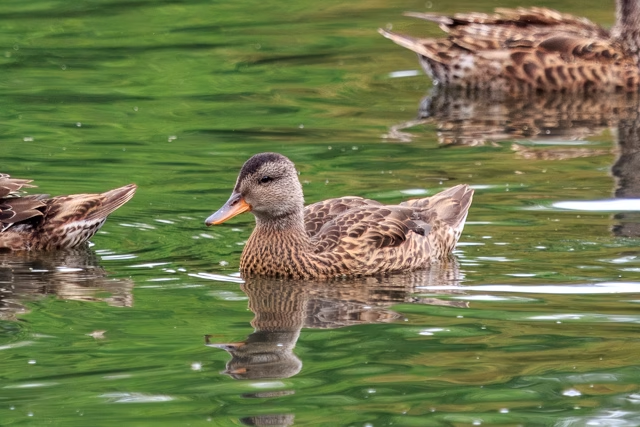
Waterfowl: During the winter months, these impoundments host vast numbers of waterfowl, including Tundra Swans, thousands of Snow Geese, and numerous species of ducks like Northern Pintails, Gadwalls, and American Wigeon. The refuge is one of the premier locations in the Southeast for observing overwintering waterfowl.

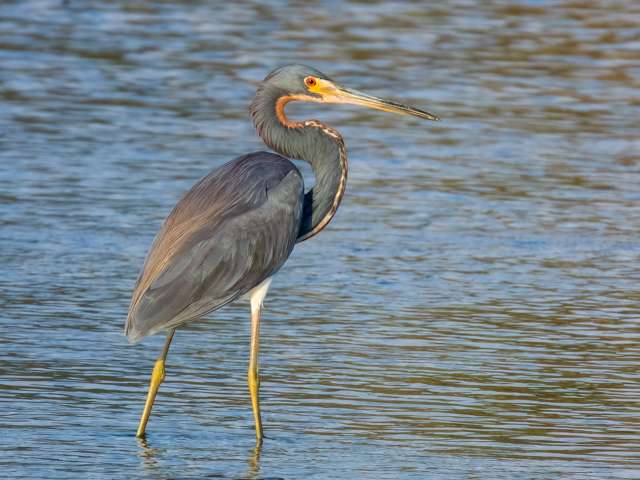
Gadwall Wading Birds: In the warmer months, the shallow edges attract large numbers of Great Egrets, Snowy Egrets, Tricolored Herons, and Glossy Ibis that wade and forage in the protected waters.
Coastal Guardians: A Birder’s Guide to North Carolina’s Shorebirds
Shorebirds and Rarities
The miles of undisturbed beach and sound-side mudflats are crucial for shorebirds.
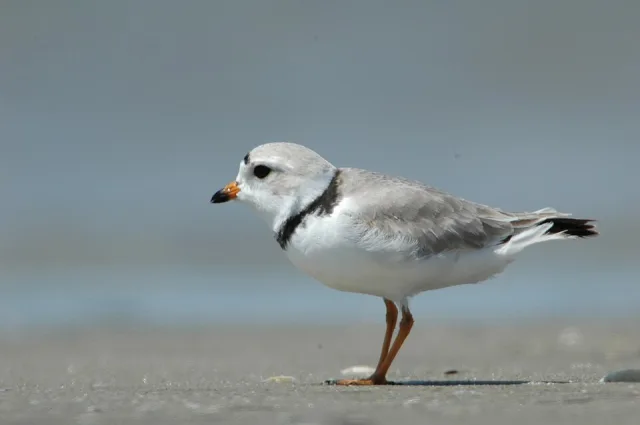
Piping Plover: The refuge maintains protected areas for nesting shorebirds, including the federally threatened Piping Plover (Charadrius melodus), which favors the sparse vegetation and sandy habitat of the upper beach and tidal flats.
Pea Island's Rarity Magnet: Due to its location jutting out into the ocean, the OBX, and Pea Island specifically, is famous for attracting vagrant species—birds blown off course from their normal migratory paths. Birders flock here hoping to spot species from Europe, the Caribbean, or the Western U.S. that have strayed off course.
Pelagic Seabirding
The true coastal adventure lies in searching for the ocean's nomads: the pelagic seabirds. While these birds are sometimes spotted from the shore during extreme weather events, the best way to see them is via specialized pelagic boat trips departing from harbors like Hatteras.
Shearwaters and Storm-Petrels: Out over the deep water, birders target species like the large, soaring Cory's Shearwater and the smaller, fluttering Wilson's Storm-Petrel. These birds spend their lives feeding on fish and squid far out to sea and only come ashore to remote islands to nest.
Jaegers and Skuas: The Atlantic waters off the Outer Banks are prime locations to observe Jaegers—piratical seabirds that chase and harass other birds (like gulls and terns) to steal their catch—and, occasionally, the massive Great Skua.
The Outer Banks offer a dynamic, year-round birding experience. From the overwhelming sight of Tundra Swans settling on the managed impoundments of Pea Island to the thrilling glimpse of a distant pelagic storm-petrel fluttering over the deep ocean, the region provides an unparalleled opportunity to connect with the incredible diversity of Atlantic avian life.
