
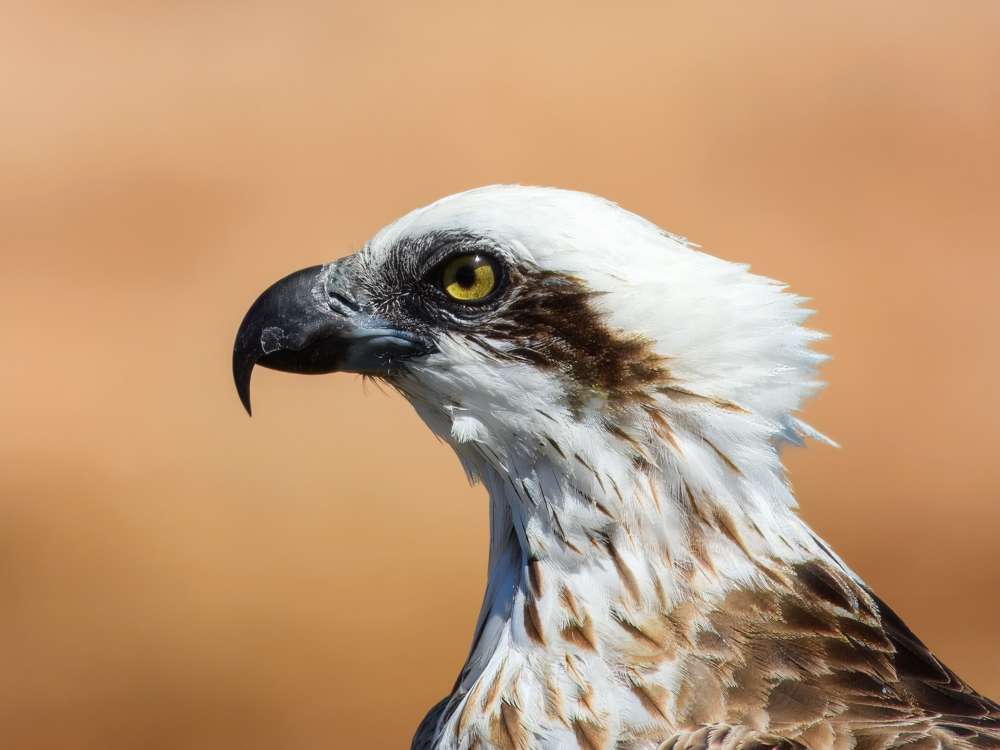
Among the many raptors that grace the skies of North America, few are as distinctive and specialized as the Osprey (Pandion haliaetus). Often seen soaring over lakes, rivers, and coastlines with a fish in its talons, the Osprey is one of the most successful and widely distributed birds of prey in the world—and a familiar and welcome sight across the United States.
Nicknamed the “fish hawk,” the Osprey is unique in both form and function. With its striking plumage, dramatic hunting style, and widespread recovery from environmental threats, the Osprey is not only a marvel of evolution but also a symbol of successful wildlife conservation.
Identification and Physical Characteristics
The Osprey is a large raptor, measuring 21 to 24 inches in length with a wingspan of up to 6 feet. Though it shares similarities with hawks and eagles, it is the only species in its genus and family—Pandionidae—and is easily identifiable in the field.
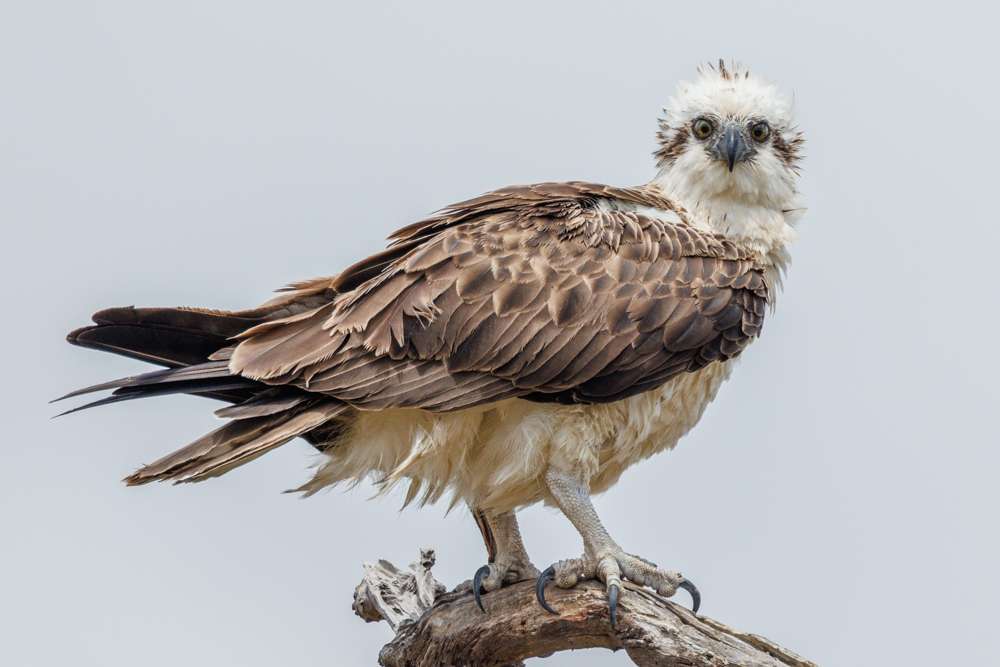
Key field marks include:
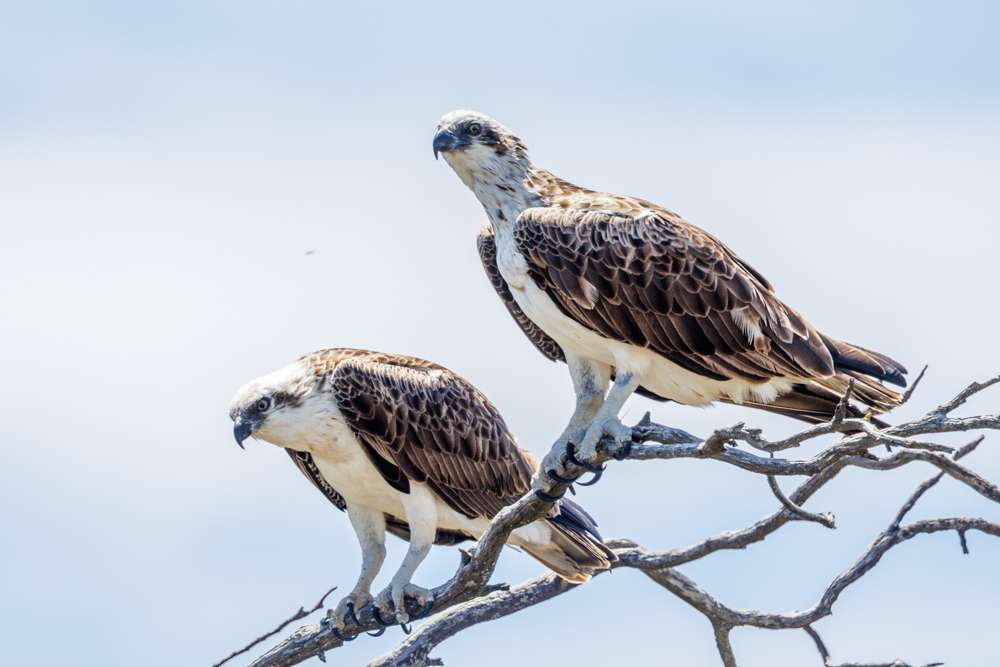
Dark brown upperparts and white underparts
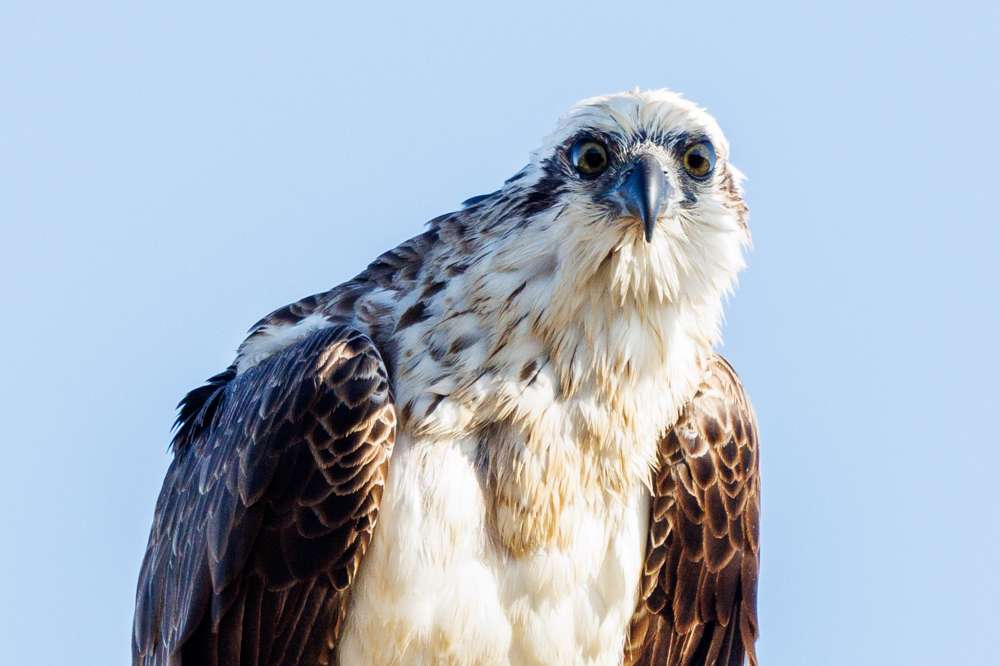
White head with a distinctive dark eye stripe that extends to the back of the neck
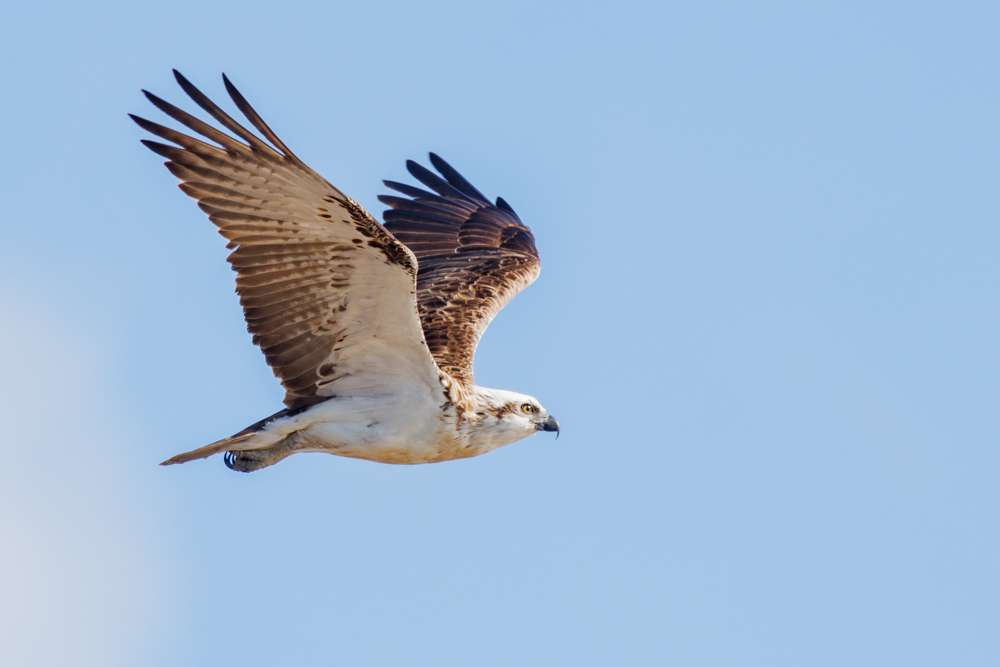
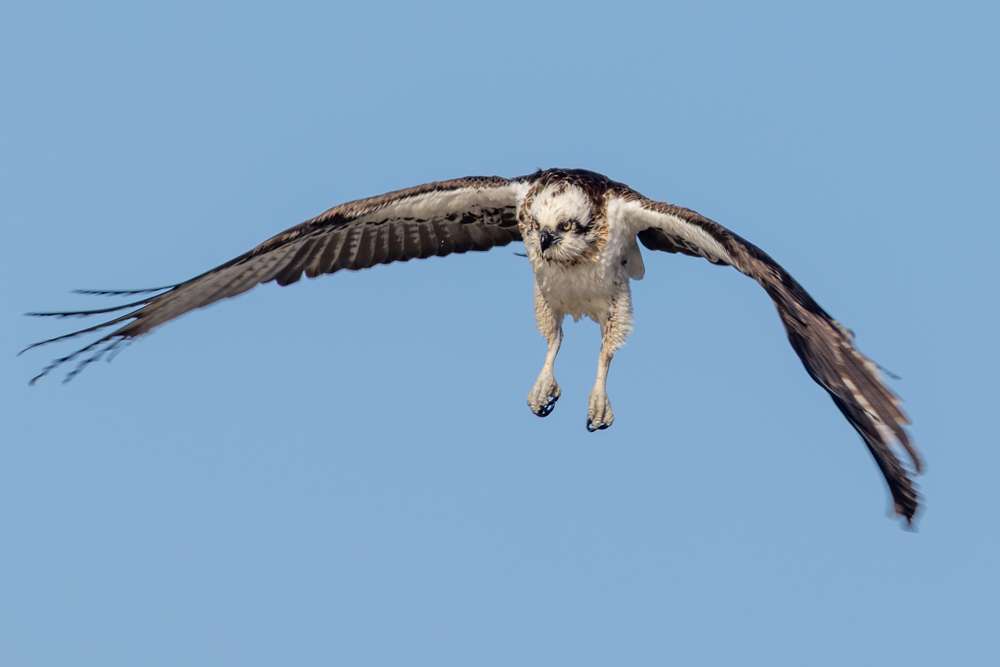
Long, narrow wings with a characteristic bend at the wrist and dark patches near the carpal joints
A barred tail and strong, hooked beak
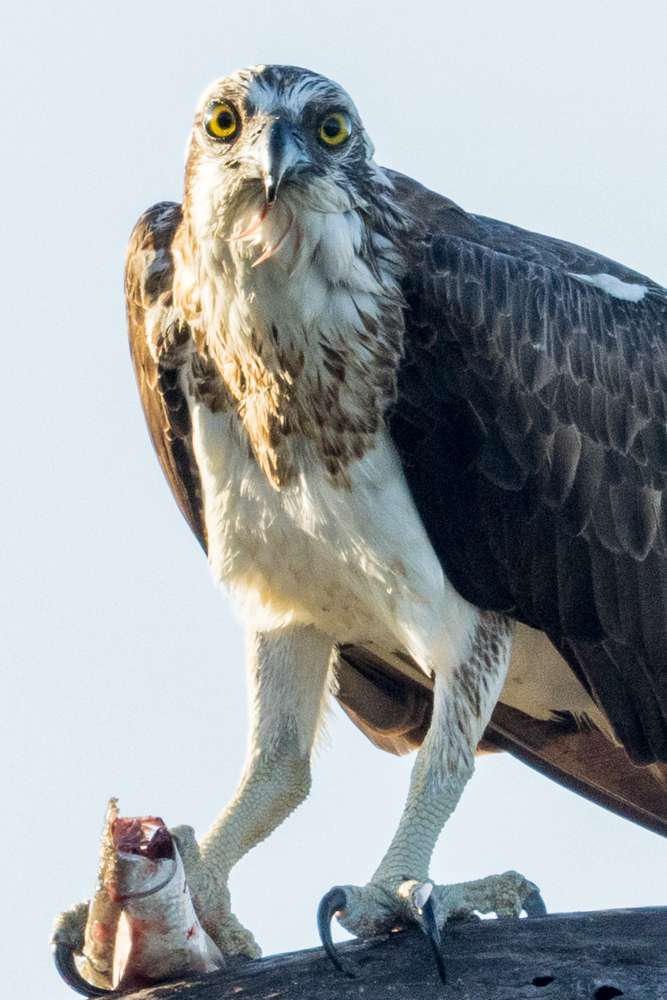
Bright yellow eyes in adults; juveniles have orange-amber eyes
In flight, Ospreys often hover over water with a unique M-shaped wing posture before diving for prey—a behavior that sets them apart from other raptors.
Range and Habitat
Ospreys are found throughout the United States, particularly in proximity to freshwater lakes, rivers, reservoirs, and coastal bays. Their range covers:
Year-round residents in Florida, the Gulf Coast, and parts of the Pacific Northwest
Summer breeders across most of the U.S., from the Northeast to the Northern Rockies
Migrants in the Southwest and Central U.S., often wintering in Central and South America
Their strong dependence on fish means Ospreys are almost always seen near water. They nest in open habitats near water bodies with plentiful fish supplies and suitable nesting platforms.
Diet and Hunting Behavior
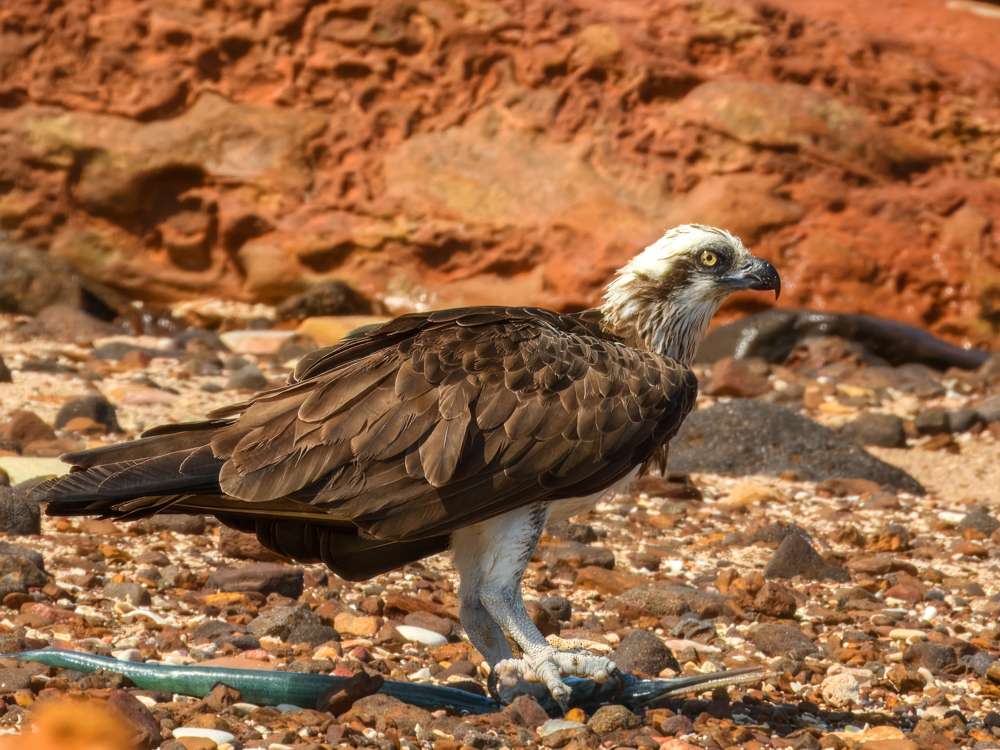
The Osprey is almost exclusively piscivorous—over 99% of its diet is fish. It is perhaps the most specialized fish-eating bird of prey in North America.
Ospreys hunt by flying over water and using their exceptional eyesight to spot fish near the surface. Once it identifies prey, the bird hovers briefly, then plunges feet-first into the water, often becoming partially submerged. It uses sharp, curved talons and spiny foot pads (called spicules) to grasp slippery fish.
Once caught, the Osprey usually repositions the fish head-forward in its talons to reduce wind resistance during flight back to a perch or nest.
Ospreys typically eat their catch on elevated perches and can take anywhere from a few minutes to over an hour to finish a meal, depending on the size of the fish.
Nesting and Reproduction
Ospreys are monogamous and often mate for life, returning to the same nesting site year after year. Nesting begins in early spring, and the pair will build or refurbish a large stick nest, often on man-made platforms, tall trees, or utility poles. The nests can be massive, sometimes measuring over 5 feet wide and 3 feet deep.
Breeding behavior includes:
Clutch size: 2–4 eggs
Incubation: ~36–42 days (mostly by the female)
Fledging period: Chicks leave the nest at around 7–8 weeks of age
During incubation and early chick-rearing, the male provides fish, while the female stays at the nest. As the chicks grow, both parents take turns hunting and guarding.
Because Ospreys reuse and build upon their nests each year, they often form huge and elaborate nesting structures over time.
Migration
Most U.S. Ospreys migrate. Northern populations begin their southbound journey in late summer or early fall. Migration is typically solo, even among family members.
Wintering grounds: Central America, South America, and parts of the Caribbean
Migration routes: Follow coastlines, rivers, and major flyways
During migration, Ospreys may travel up to 5,000 miles, often returning to the same breeding sites year after year.
Conservation Success Story
In the mid-20th century, Ospreys suffered sharp population declines due to:
DDT pesticide use, which caused eggshell thinning and reproductive failure
Habitat loss, especially of tall nesting trees near water
Persecution and shooting
After the ban of DDT in 1972, along with legal protections from the Migratory Bird Treaty Act, Osprey populations began to recover dramatically. Conservation efforts included:
Nest platform programs, providing safe places for Ospreys to breed
Habitat protection along rivers and lakes
Public education and bird monitoring programs
Today, Ospreys are a conservation success story, with populations increasing or stabilizing across much of the United States. They are now considered a species of Least Concern by the IUCN, although local threats still exist.
Human Interaction and Coexistence
Ospreys often nest on utility poles, cellphone towers, and channel markers, bringing them into frequent contact with human infrastructure. While this adaptability has aided their comeback, it can also cause issues like:
Power outages from nesting on transmission towers
Nest disturbance from recreational boaters or shoreline development
Utility companies and conservationists have responded with artificial nesting platforms, which safely accommodate Ospreys while protecting infrastructure. These platforms are now common near lakes, rivers, and coastal regions.
Ospreys are also popular with birdwatchers and nature photographers, as they are large, conspicuous, and often tolerant of human presence.
Ecological Role and Importance
As apex predators in aquatic ecosystems, Ospreys play an important ecological role:
Control fish populations: Helping maintain balance in freshwater and coastal food webs
Indicator species: Because they rely on clean, fish-rich waters, their presence often signals healthy aquatic environments
Support biodiversity: Their nesting platforms are sometimes reused by other birds like herons, owls, or kestrels outside the breeding season
Their dramatic hunting dives and graceful flight also make them powerful ambassadors for bird conservation and environmental health.
Wrapping Up
The Osprey is a remarkable bird—a living example of nature’s specialization and resilience. From their breathtaking dives into water to their intricate nest-building and long migratory journeys, Ospreys offer a window into the complex and interconnected world of avian life.
Once driven to the brink by human activity, they have rebounded through collective conservation efforts, public awareness, and their own extraordinary adaptability. Today, whether nesting near a New England lake, gliding above a Gulf Coast bay, or fishing in a Pacific Northwest river, the Osprey continues to inspire awe and respect across the United States.
As both a fierce fisherman and a symbol of environmental recovery, the Osprey is one of America's most iconic raptors—and a reminder of what’s possible when we commit to protecting the wild.
