

Oregon’s diverse geography, ranging from the arid high deserts of the east to the dense, wet coniferous rainforests of the west, provides a home for a remarkable variety of woodpeckers. These specialized birds, masters of the vertical world, are vital to the ecosystem, creating the cavities that countless other species—from bluebirds to flying squirrels—rely on for nesting and shelter.
For birders in the Beaver State, finding these drummers is an exciting challenge. Oregon hosts ten distinct species of woodpeckers, making it one of the premier regions for observing this charismatic family. Successfully locating them requires knowing the specific habitats each species prefers and understanding the tell-tale signs of their presence.
The Major Players: Oregon’s Woodpecker Gallery
Oregon’s woodpeckers can generally be grouped by their habitat preferences, from the iconic giants of the old-growth forests to the smaller, high-elevation specialists.
1. The Forest Giants and Pileated Relatives
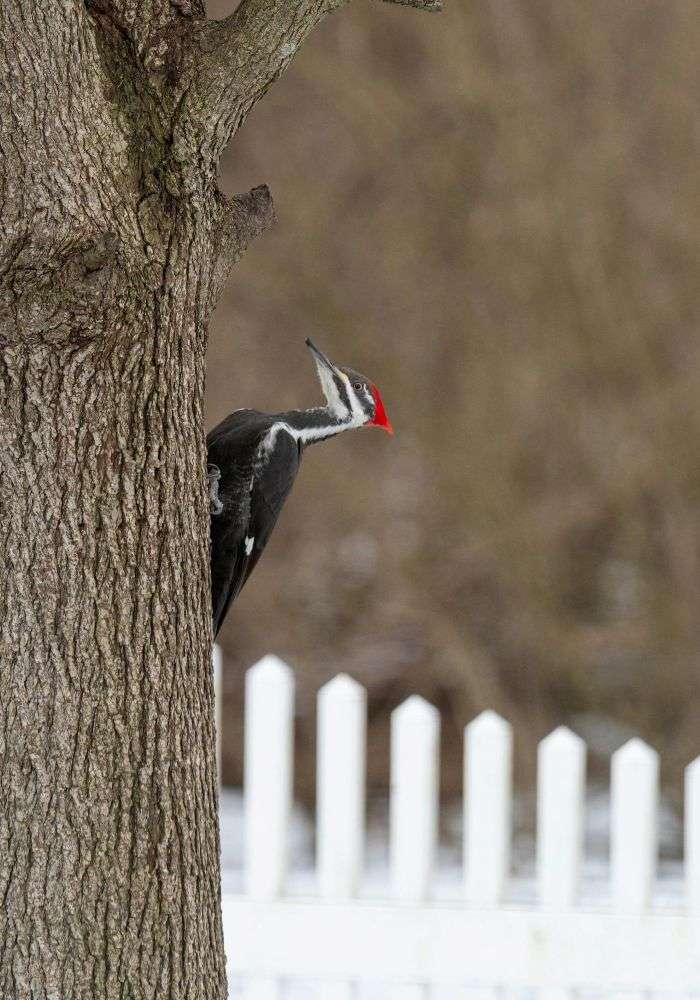
Pileated Woodpecker (Dryocopus pileatus)

This crow-sized, black woodpecker with a stunning red crest is the grand prize for many birders. They are the largest and most frequently encountered in the western half of the state. They create distinctive, rectangular or oblong holes when excavating for their primary food source: carpenter ants.
- Habitat: Mature coniferous and mixed forests, often near riparian areas and, increasingly, in larger suburban parks and wooded backyards.
- Key ID: Massive size, bright red crest, and a loud, ringing, "wick-a-wick-a-wick-a" call that echoes through the forest.
Northern Flicker (Colaptes auratus)
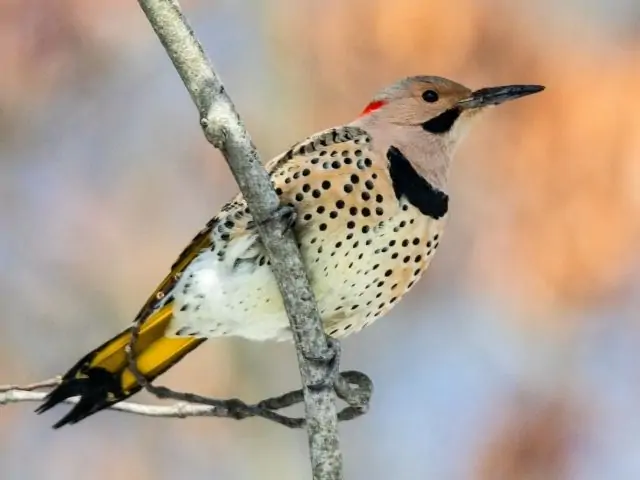
The most widespread and arguably the most recognizable woodpecker in Oregon. Oregon’s flickers are generally of the "Red-shafted" variety, showing salmon-red under the wings and tail, though hybrids with the Eastern "Yellow-shafted" form can be found in the east. Unlike most woodpeckers, they often forage on the ground for ants.
- Habitat: Nearly all habitats, from suburban yards and parks to open forests and juniper scrublands.
- Key ID: Brown, speckled plumage; a black crescent on the breast; and a conspicuous white rump patch visible in flight. Listen for their loud, rapid, "kik-kik-kik-kik-kik..." call.
2. The Western Forest Specialists
Hairy Woodpecker (Leuconotopicus villosus)

A medium-sized, black-and-white woodpecker that is essentially a larger version of the Downy Woodpecker. It has a proportionally longer bill and is found in less developed, mature woodland habitats.
- Habitat: Older coniferous and mixed forests at various elevations across the state.
- Key ID: Black and white plumage; solid white stripe down the back; large size (about 9 inches); and a loud, sharp peek call.
Downy Woodpecker (Dryobates pubescens)
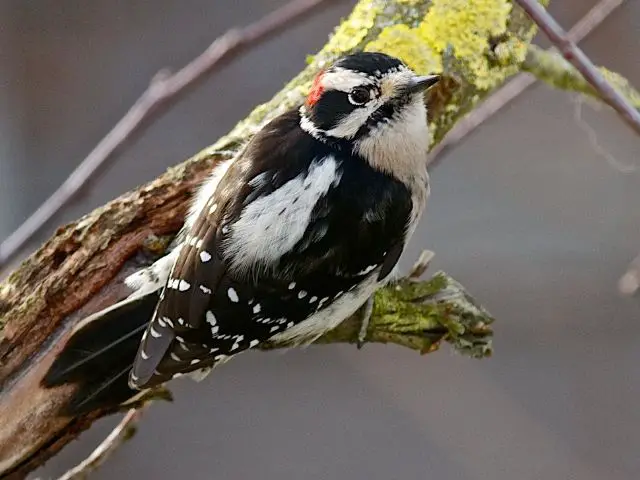
The smallest and most common woodpecker in North America. Its short, stubby bill and willingness to utilize garden feeders make it a backyard favorite.
- Habitat: Highly adaptable; found in deciduous, mixed forests, city parks, and suburban yards.
- Key ID: Black and white plumage; noticeable white stripe down the back; tiny size (about 6 inches); and a short, soft pik call.
3. The High-Desert and Eastern Gems
White-headed Woodpecker (Dryobates albolarvatus)
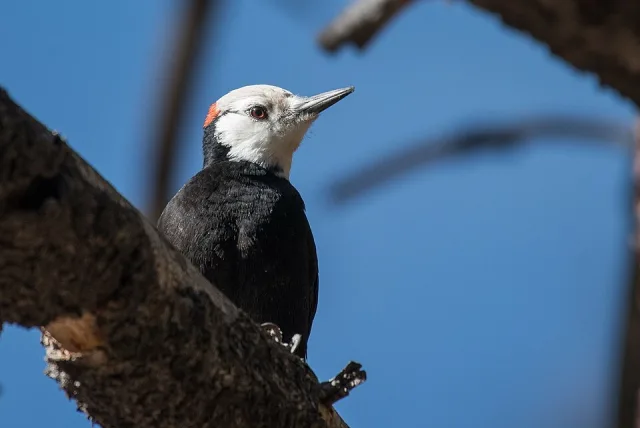
A highly sought-after species due to its unusual appearance—a solid black body with a striking white head. It has a specialized diet, primarily foraging for seeds and insects in pine cones, particularly Ponderosa Pine.
- Habitat: Dry, open Ponderosa Pine forests of eastern and central Oregon.
- Key ID: The only woodpecker in the state with a pure white head. Males have a small red patch on the nape. Look for them feeding at the base of pine cones.
Lewis's Woodpecker (Melanerpes lewis)
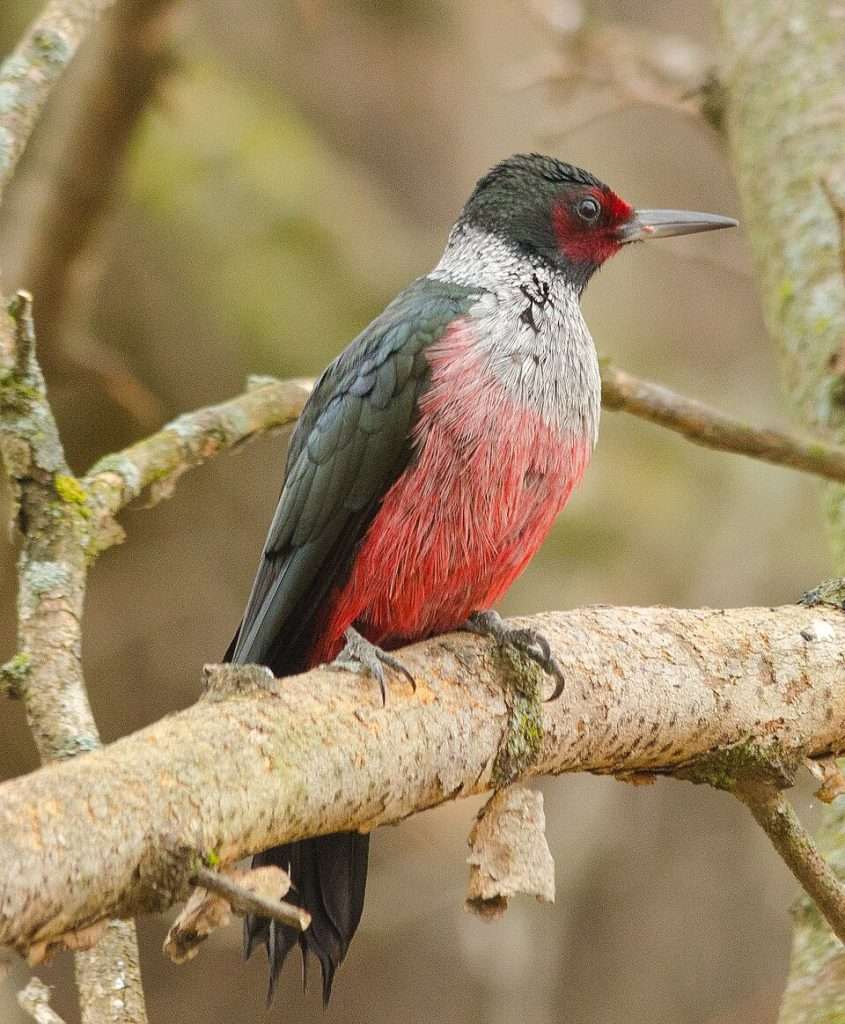
An iridescent, dark green woodpecker with a rose-pink belly and a red face. Unlike most woodpeckers, it often catches insects in the air (fly-catching) and caches acorns in crevices. It's often mistaken for a crow at a distance due to its behavior.
- Habitat: Open Ponderosa Pine or oak woodlands, especially those that have experienced recent fires. Found mostly east of the Cascades.
- Key ID: Unlike any other woodpecker, it has uniform dark plumage, pink undersides, and lacks the typical black-and-white patterns.
Acorn Woodpecker (Melanerpes formicivorus)

A highly social bird with a black back, a white face, and a glossy red cap. They are famous for creating communal granaries—utility poles or dead trees drilled with thousands of holes, each holding an acorn.
- Habitat: Oak woodlands, primarily in southwestern Oregon (especially the Rogue and Willamette Valleys).
- Key ID: Clowns of the woodpecker world; their communal granaries and distinctive, loud waka-waka-waka calls are unmistakable.
4. The Sapsuckers (Subfamily Sphyrapicus)
Sapsuckers drill neat, horizontal rows of shallow holes to access tree sap, which they, along with insects attracted to the sap, consume.
- Red-breasted Sapsucker (Sphyrapicus ruber): The common sapsucker of Western Oregon. It has a solid red head and chest.

- Red-naped Sapsucker (Sphyrapicus nuchalis): Found east of the Cascades, easily distinguished by its red crown and nape separated by black and white stripes.

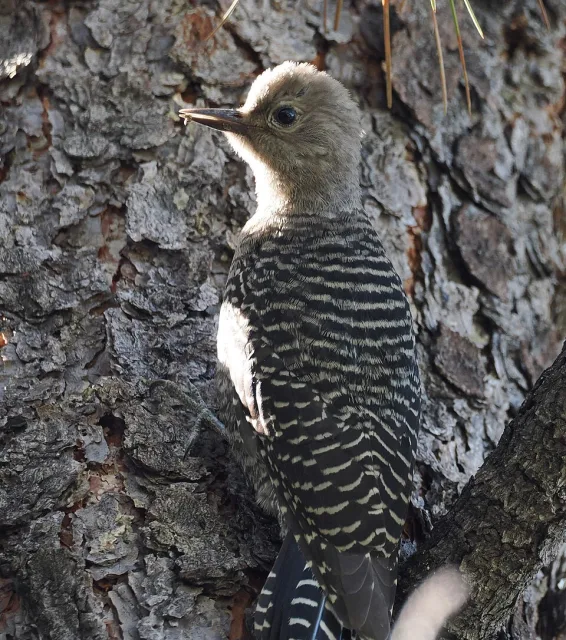
- Williamson's Sapsucker (Sphyrapicus thyroideus) : A high-elevation specialist found in mountain forests. Males are unique: black with white wing patches and a yellow belly. Females are barred brown and black across the back.
Tips for Spotting Oregon’s Woodpeckers
Successfully finding these ten species requires targeting their specific foraging behaviors and known habitats.
1. Listen for the Drummer's Call
Woodpeckers communicate their territories and attract mates primarily through drumming—a rapid, rhythmic tapping on resonant surfaces (not to be confused with foraging).
Drumming Rhythm is Key: Learn the cadence. A Northern Flicker's drum is a long, rapid roll. A Pileated Woodpecker’s drum is a slow, powerful roll that decreases in speed toward the end. The sapsuckers, in contrast, often drill an irregular, stuttering tattoo.
2. Seek the Tell-Tale Signs of Foraging
You don't always need to see the bird; their work is often left behind.
- Rectangular Holes: Look for large, deep, rectangular excavations on tree trunks. This is the sure sign of a Pileated Woodpecker seeking carpenter ants.
- Sap Wells: Look for neat, parallel rows of small, shallow holes on tree trunks. These sap wells indicate the presence of a Sapsucker. Check deciduous trees like alder or aspen in the west and aspens or pines in the east.
- Granaries: In oak woodlands of Southern Oregon, look for dead wood or utility poles peppered with hundreds or thousands of acorn-holding holes—the unique work of the Acorn Woodpecker.
3. Know the Trees and the Elevation
Habitat specificity is the ultimate spotting tip in Oregon.
| Woodpecker Species | Key Habitat Association | Where to Bird |
| Pileated Woodpecker | Mature Old-Growth Conifers | Western Oregon Forests (Cascade, Coast Range) |
| White-headed Woodpecker | Open Ponderosa Pine Forests | Central and Eastern Oregon (Deschutes, Ochoco NFs) |
| Acorn Woodpecker | Oak Woodlands/Savannas | Rogue Valley, Willamette Valley (near oaks) |
| Northern Flicker | Open Areas, Urban Parks | Everywhere, including large city parks in Portland/Eugene |
| Williamson's Sapsucker | High-Elevation Fir and Pine | Mountain passes and campgrounds (Mt. Hood, Cascades) |
4. Time Your Search
Woodpeckers are active throughout the day, but drumming and calling are most frequent during the early morning hours, especially in the spring (March–May) as territories are established and nesting begins.
By learning the distinct sounds, recognizing the specific tree species, and interpreting the visual signs they leave behind, birders can successfully navigate the varied habitats of the state and connect with Oregon's diverse and engaging woodpecker population.
