
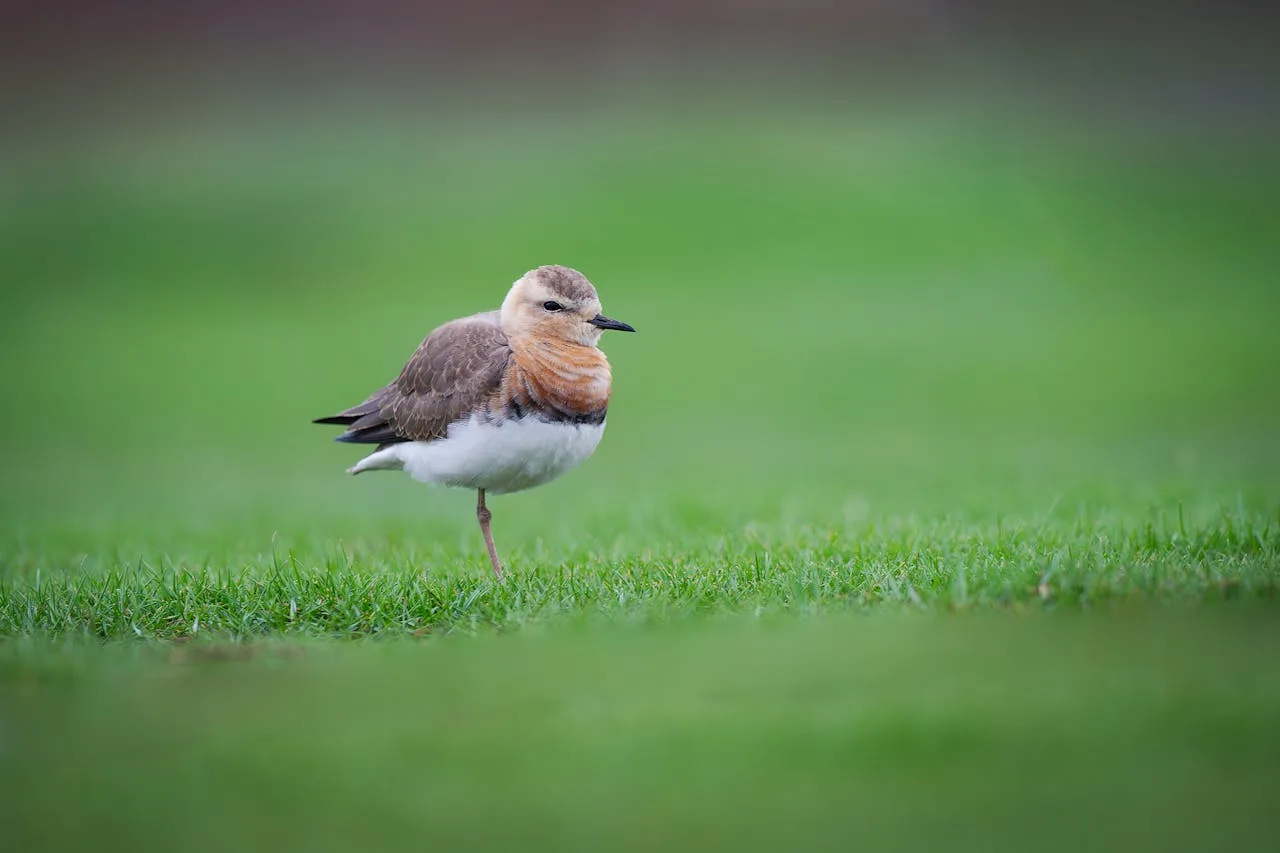
It is a sight that often triggers a wave of concern for new birders: a Great Blue Heron standing motionless in the reeds or a Snail Kite perched on a branch, appearing to have suffered a tragic limb loss. You might reach for your phone to call a wildlife rehabilitator, but before you do, take a closer look. What looks like a permanent injury is actually one of the most common and fascinating resting postures in the avian world.
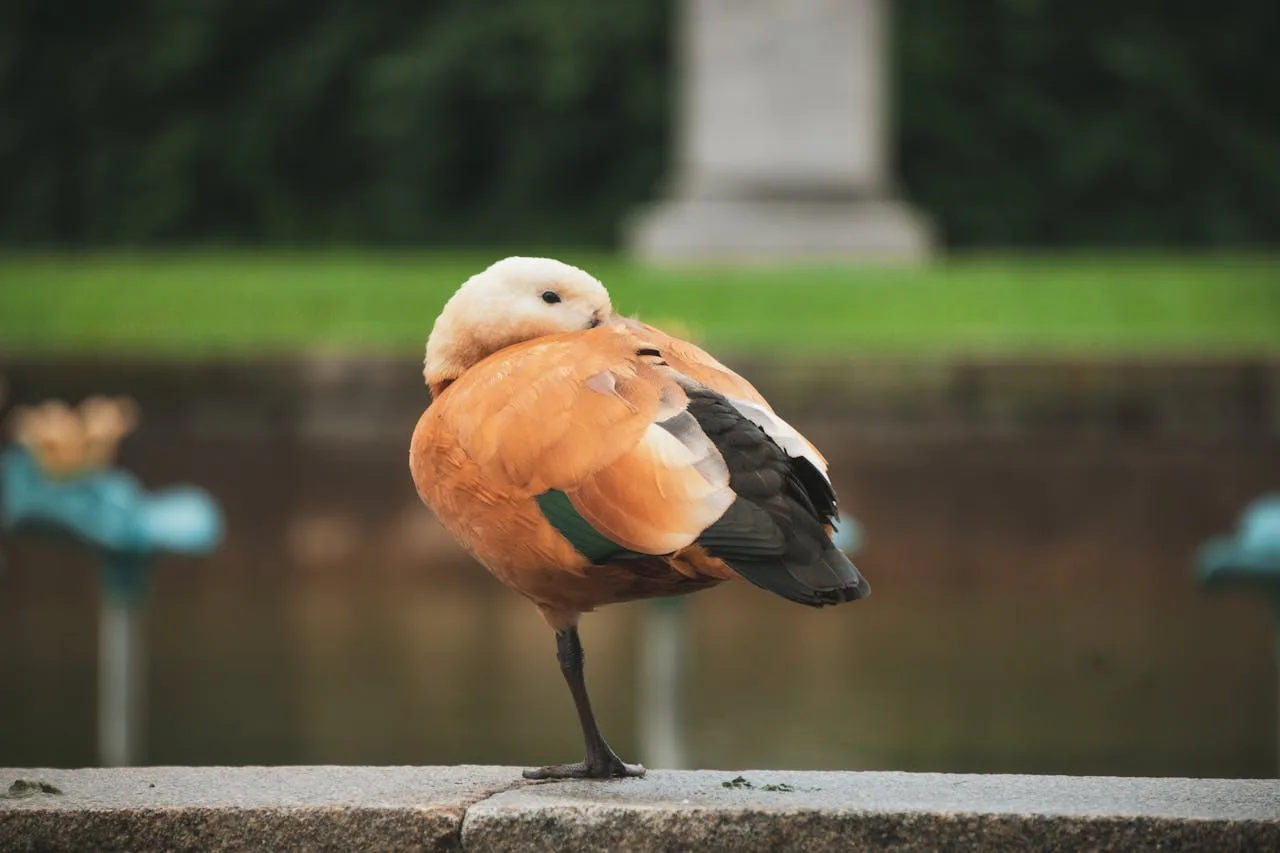
The "one-legged stand" is a brilliant evolutionary adaptation, used by species ranging from tiny songbirds to massive raptors, and it serves several critical biological functions.
The Science of the Stand: Why Do They Do It?
The primary reason a bird tucks one leg into its feathers is thermoregulation. Birds are warm-blooded, and their legs are often unfeathered, meaning they lose body heat rapidly through the skin of their limbs.
By pulling one leg up against their warm underbelly, birds can reduce the amount of heat lost to the environment by nearly 50%. This is especially vital for:
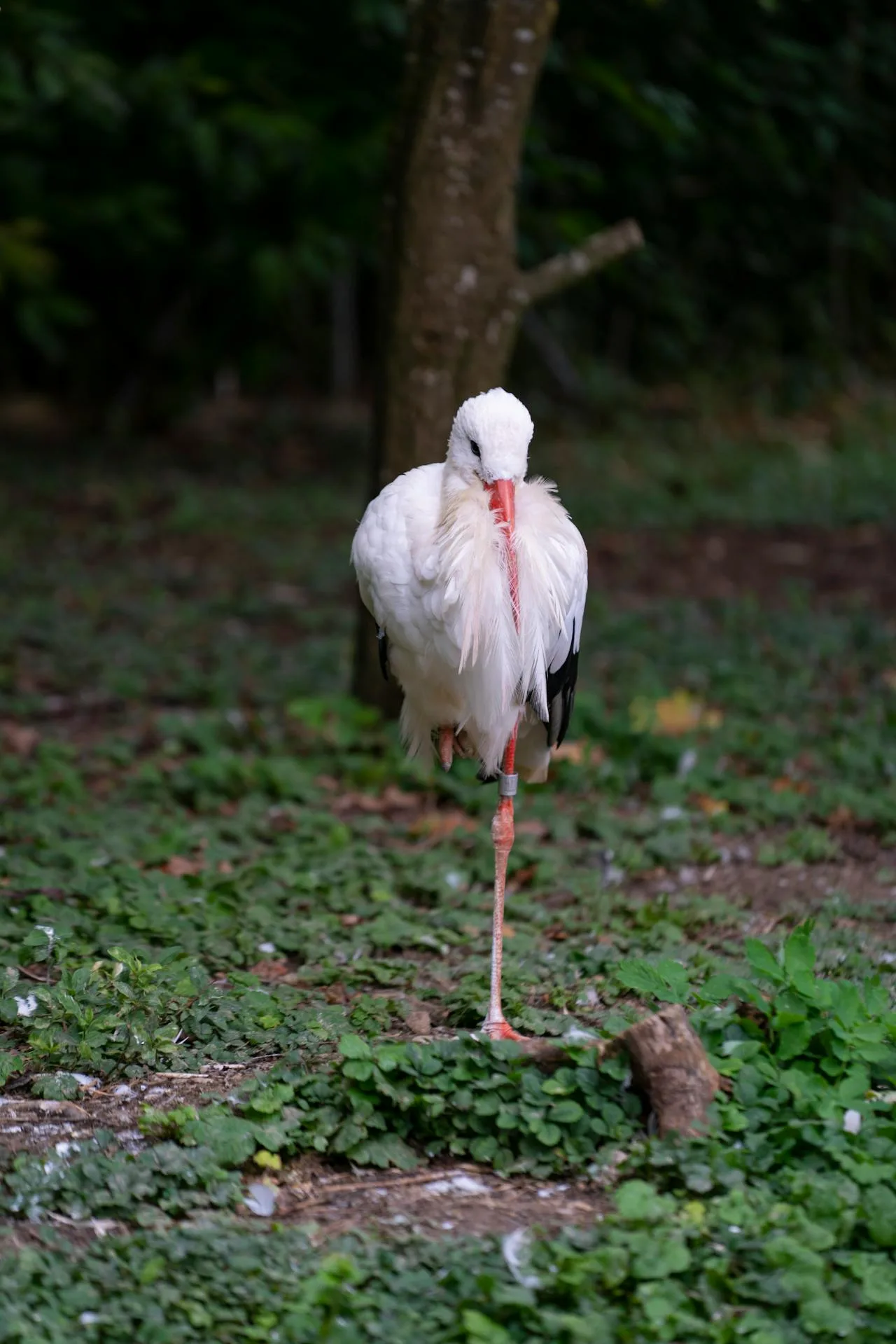
Wading Birds: Species like the Roseate Spoonbill or Great Egret spend hours standing in cool water. Tucking a leg helps maintain their core body temperature.
Winter Survivors: Small songbirds like the Northern Cardinal or Dark-eyed Junco use this trick to survive sub-zero temperatures.
Nocturnal Rest: Many birds, including the Eastern Screech-Owl, will adopt this posture while roosting to conserve energy through the night.
The Unlocked Secret: Gravity as a Kickstand
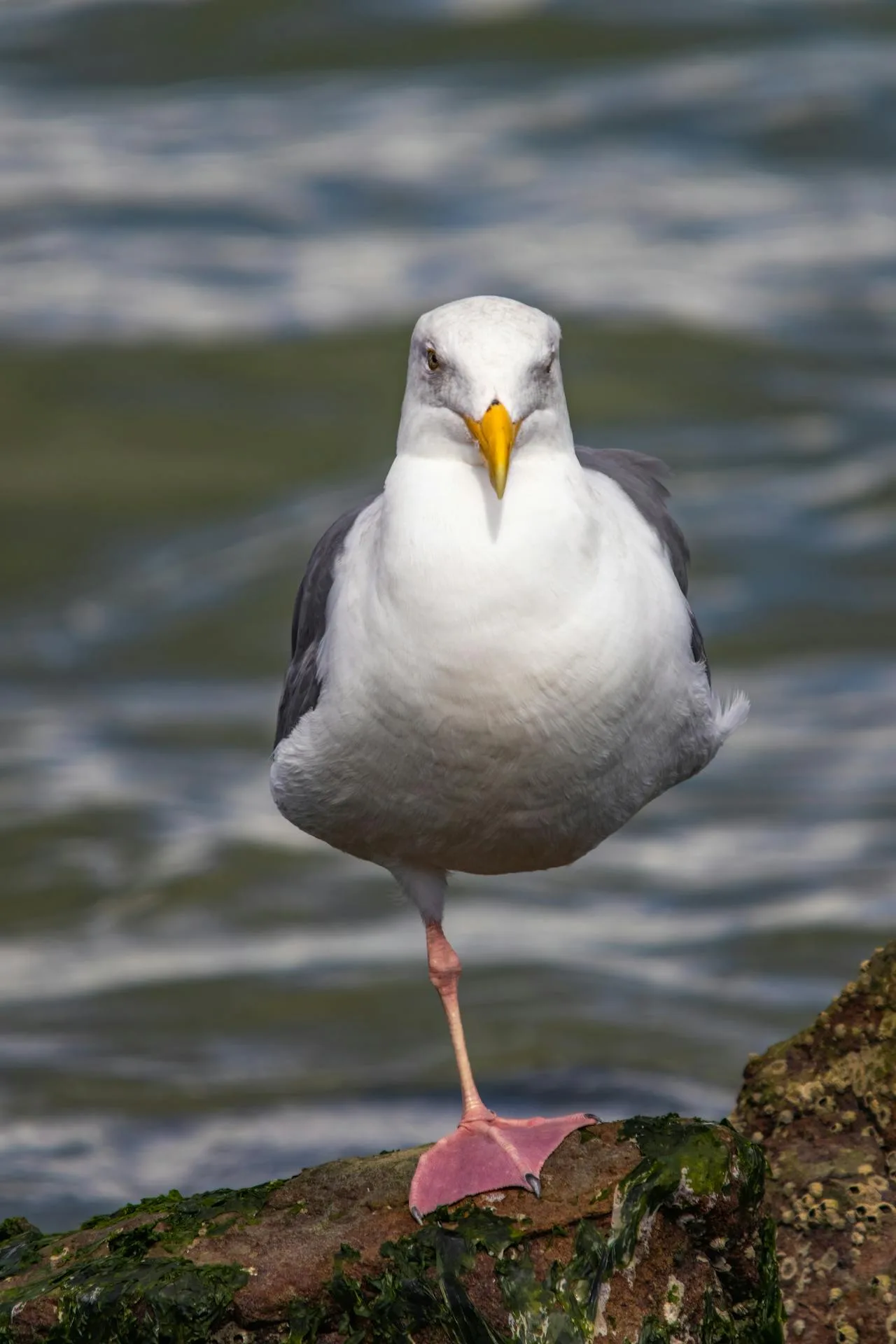
You might wonder how a bird can stay balanced—or even sleep—on a single leg without falling over. The secret lies in a specialized "locking mechanism" in their tendons.
When a bird like a Red-tailed Hawk puts its weight on a leg, the tendons in the foot naturally tighten, clamping the talons shut around a branch. This requires almost zero muscular effort. Because their center of gravity is perfectly aligned over that single foot, staying upright on one leg is actually more stable for them than standing on two, much like a camera is stable on a tripod.
Species to Watch For
While almost all birds can stand on one leg, some are "professional" practitioners of the pose. If you are out in the field, keep an eye out for these one-legged experts:
Shorebirds: The Snowy Plover and Killdeer are famous for "vanishing" a leg while resting on sandy beaches or mudflats.
Waterfowl: Wood Ducks and Canada Geese often float or stand on ice with one foot tucked away to prevent frostbite.
Large Waders: The Anhinga and the Double-crested Cormorant are frequently seen on one leg while drying their wings in the sun.
Songbirds: Even the tiny Ruby-throated Hummingbird will occasionally tuck a leg while perched between feeding bouts.
How to Tell if a Bird is Actually Injured
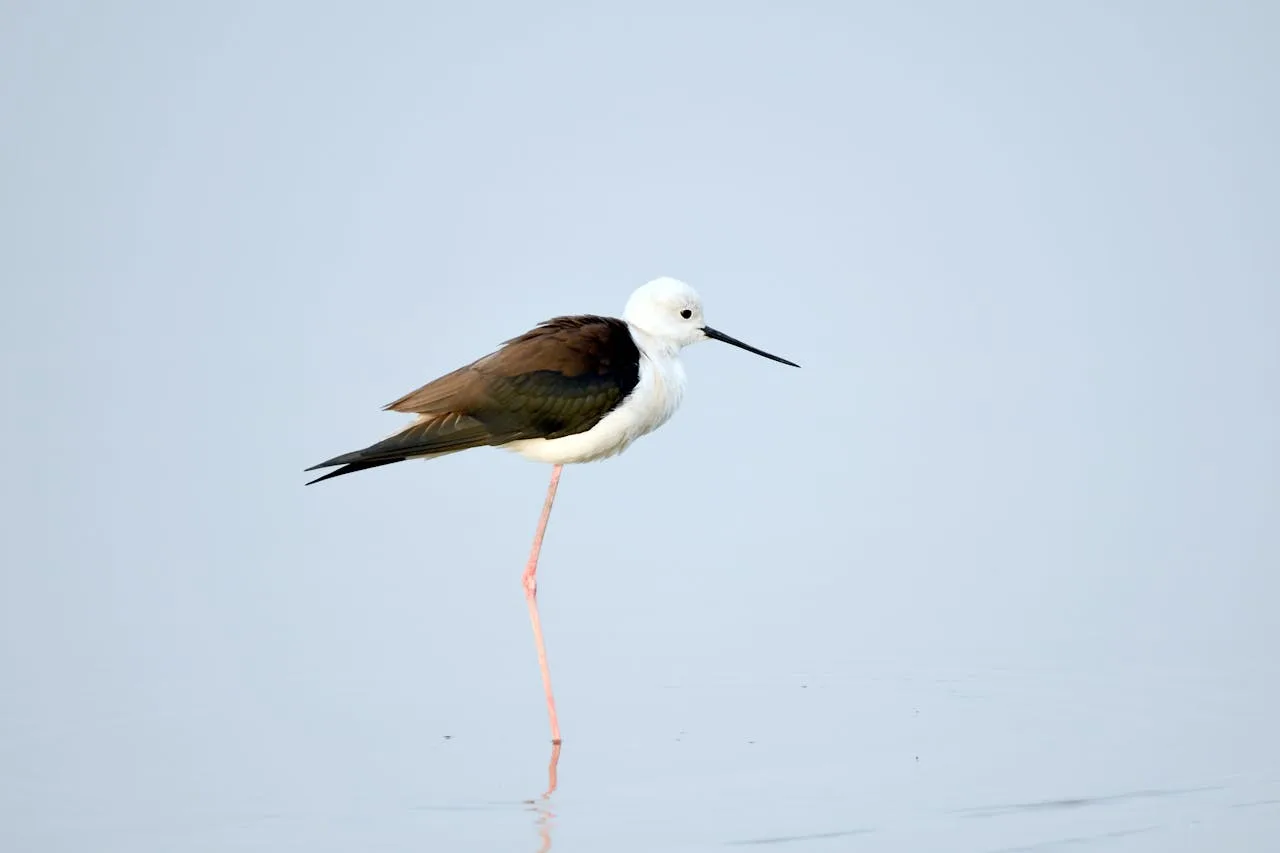
While the one-legged stand is usually normal, it is important to know when a bird truly needs help. A healthy bird resting on one leg will appear alert, its feathers will be well-groomed, and it will eventually switch legs or fly away normally using both.
Signs of a true injury include:
Dangling: The leg hangs limp or at an unnatural angle rather than being tucked neatly into the feathers.
Swelling: Visible bumps or redness on the foot or joint.
Limping: The bird struggles to put weight on the leg even when it is actively moving or feeding.
Drooping Wings: If the bird is "hunched" and has drooping wings along with a leg issue, it may be sick or injured.
Conclusion
The next time you see a Baltimore Oriole or a Cooper’s Hawk balancing on a single limb, you can breathe a sigh of relief. They aren't victims of a predator; they are simply master engineers of their own body heat. By understanding these subtle "birding behaviors," we can better appreciate the quiet resilience of the species that share our world—and save the emergency calls for the birds that truly need them.
