
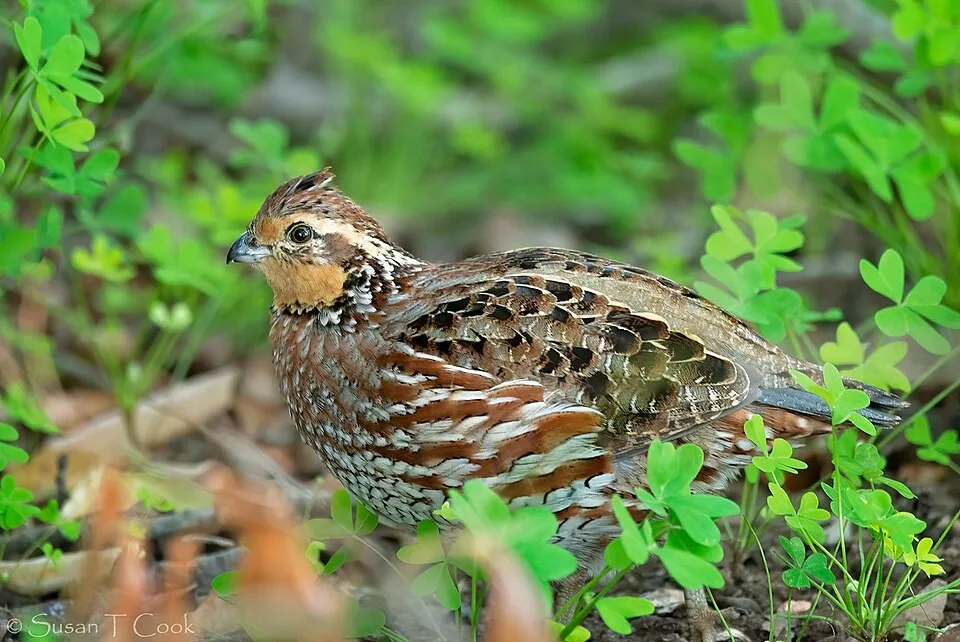
Often characterized by its sprawling plains and iconic oil derricks, Oklahoma is a destination whose natural bounty is frequently underestimated—especially by the birding community. Yet, for those "in the know," the Sooner State is one of North America's premier birdwatching secrets. Thanks to its remarkable ecological diversity, spanning from the semi-arid high plains of the Panhandle to the cypress swamps and hardwood forests of the southeast, Oklahoma is home to nearly 500 bird species.
This biological crossroads puts the state squarely on the Central Flyway, making it a critical stopover for millions of migrating birds twice a year. Whether you're searching for the dazzling colors of the state bird, the Scissor-tailed Flycatcher, the secretive movements of the endangered Lesser Prairie-Chicken, or massive wintering flocks of waterfowl and Bald Eagles, Oklahoma delivers. This article will explore the best places to unpack your binoculars—from the Great Salt Plains National Wildlife Refuge to the Wichita Mountains and the Tallgrass Prairie Preserve—revealing why Oklahoma deserves a top spot on every serious birder's itinerary.
Lake Hefner
Lake Hefner is a large, man-made reservoir covering 2,500 acres in the heart of northwestern Oklahoma City, Oklahoma. Although it is an urban lake, surrounded by residential areas and bisected by a major parkway, its open water and extensive shoreline provide a vital aquatic habitat within the city's limits. The lake serves primarily as a water supply for the Oklahoma City metropolitan area, and its construction included a 9.5-mile multi-use trail system that encircles the water, offering accessible viewing points.
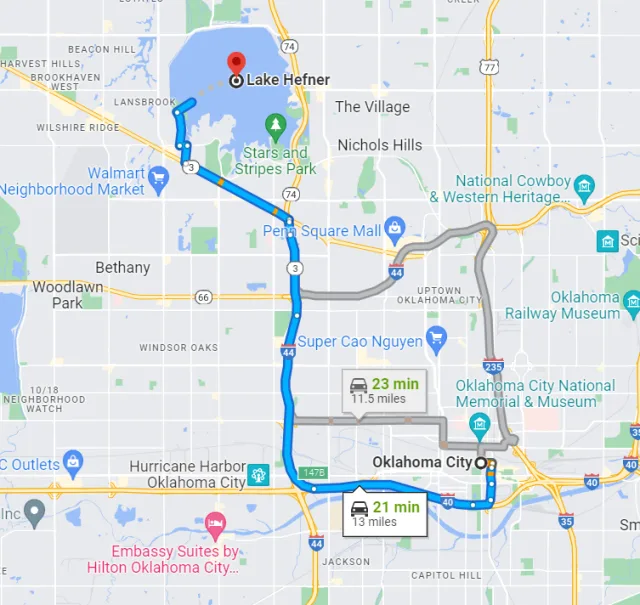
Its geography consists of a massive expanse of open water, an extensive earth-filled dam along the north side, and varied shorelines that include recreational parks, a golf course, and undeveloped wooded areas, especially on the south side. This mix of deep-water reservoir and surrounding terrestrial habitat creates a valuable ecological blend, making it a critical oasis for wildlife in the prairie region.
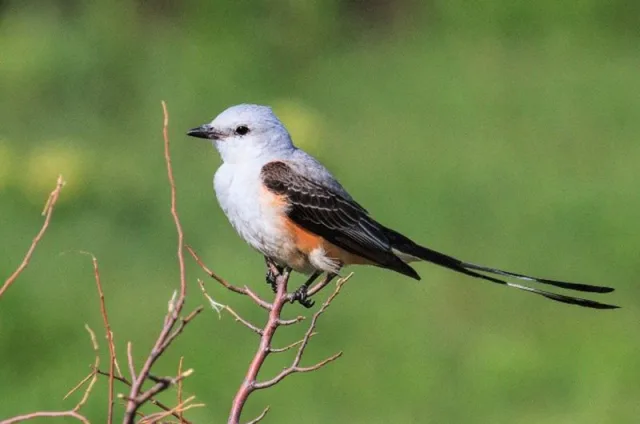
Due to its strategic location in Central Oklahoma, Lake Hefner is renowned as one of the best birding locations in the region, acting as a magnet for species traveling the Central Flyway. The large, deep water body attracts a tremendous variety of migrating and wintering waterfowl and water birds. Birdwatchers can reliably spot species like Common Loons, various Grebes (including Horned and Western Grebes), and a wide assortment of gulls, such as Ring-billed Gulls and the less common Lesser Black-backed Gulls, particularly during the winter months.

The most famous birding location is Prairie Dog Point on the southwest corner, where the mix of shoreline, grass, and trees is a favored stopover for rare migrants and shorebirds during spring and fall. The surrounding parks, like Bluff Creek Park below the dam, offer different habitats, attracting songbirds, raptors, and flycatchers, including the iconic Scissor-tailed Flycatcher.
Target Birds
Scissor-tailed Flycatcher
White-winged Dove
American White Pelican
Baltimore Oriole
Black-crowned Night Heron
Mississippi Kite
Great Crested Flycatcher
The Oklahoma Audubon Society has a webpage about the lake and surrounding areas.
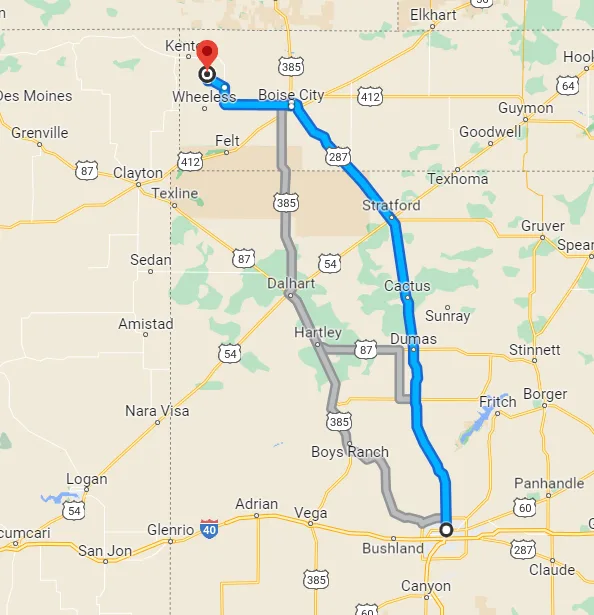
Black Mesa SP
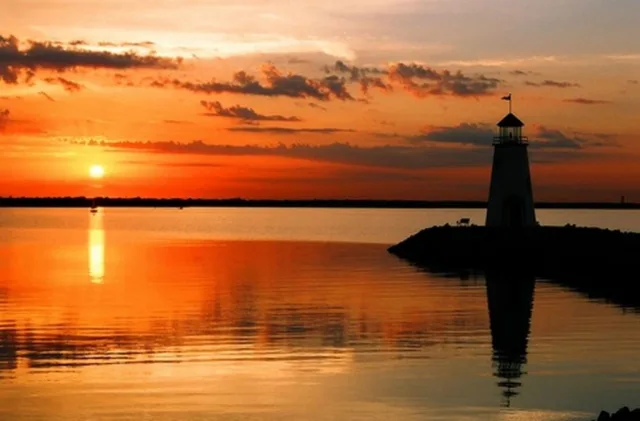
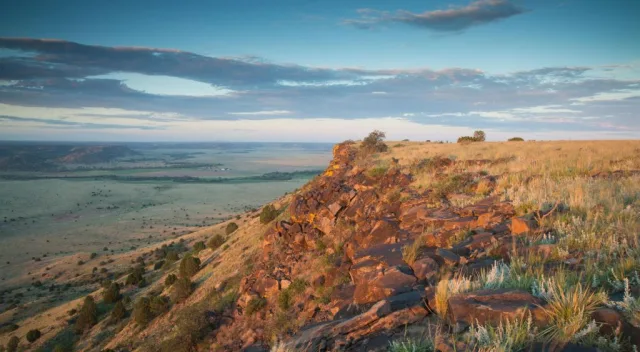
Located in the remote northwestern tip of the Oklahoma Panhandle, Black Mesa State Park and Nature Preserve represents a stark departure from the state's central plains ecology. This unique geographic boundary marks the point where the shortgrass prairie meets the foothills of the southern Rocky Mountains, creating a semi-arid, high-plains environment unlike anywhere else in Oklahoma. The landscape is dominated by its namesake, the Black Mesa, a flat-topped plateau capped by a layer of erosion-resistant black lava rock, which contains the state's highest point at 4,973 feet above sea level.
This confluence of habitats—rocky buttes, scrubby juniper woodlands, and plains surrounding the man-made Lake Carl Etling—makes the area a true biological crossroads. Its sheer isolation also ensures some of the country's darkest night skies, attracting astronomers, but its daytime biodiversity is what truly calls to the birdwatcher.
This distinctive geography translates directly into exceptional bird watching, as Black Mesa attracts numerous species at the easternmost or westernmost edges of their natural ranges. Birders flock here seeking western specialties that are rare or nonexistent elsewhere in Oklahoma. Key sightings include the sought-after Scaled Quail, the resident Pinyon Jay, Canyon Towhee, and the elusive Black-billed Magpie.

Raptors like the Golden Eagle are often seen soaring high above the mesa's cliffs. Furthermore, the riparian corridors along Carrizo Creek and the waters of Lake Carl Etling provide vital habitat for various waterfowl and migrating songbirds, adding to the list of over 100 species frequently spotted. Whether hiking the trail to the summit or exploring the scrub and canyon draws, Black Mesa is an essential destination for anyone serious about observing Oklahoma's incredible avian diversity.

Target Birds
Say's Phoebe
Ash-throated Flycatcher
Cassin's Sparrow
Western Meadowlark
Blue Grosbeak
Red-headed Woodpecker
Curve-billed Thrasher
The Nature Conservancy webpage for the State Park has wider information about the wildlife to be found here.
Red Slough WMA
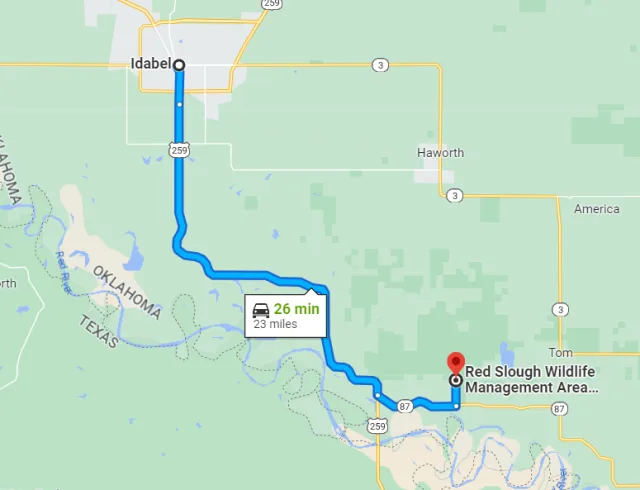
The Red Slough Wildlife Management Area (WMA), located in the far southeastern corner of Oklahoma's McCurtain County near the border with Arkansas, is a geographical anomaly and a critically important ecological site. Encompassing nearly 6,000 acres, the area was historically a drained and farmed bottomland hardwood basin before extensive restoration efforts transformed it into a complex mosaic of habitats. Its geography is now defined by approximately 2,400 acres of managed wetlands, bottomland hardwood reforestation, shrub/scrub areas, and reservoirs, all intersected by Push Creek.
This unique blend of ecosystems—including emergent marshes and shallow impoundments—lends the area a distinctly "Gulf Coast" feel, marking it as a northern extension of tropical, subtropical, and coastal species habitats not found elsewhere in the state. The cooperative management by the Oklahoma Department of Wildlife Conservation and the U.S. Forest Service has successfully restored the area’s hydrology, making it a powerful magnet for wildlife.
The location's specialized geography provides unmatched birdwatching opportunities, drawing visitors from across the country and earning it a reputation as a premier birding hot spot. With over 320 documented bird species—nearly 70% of all birds ever sighted in Oklahoma—Red Slough is a critical stopover on both the Central and Mississippi Flyways.
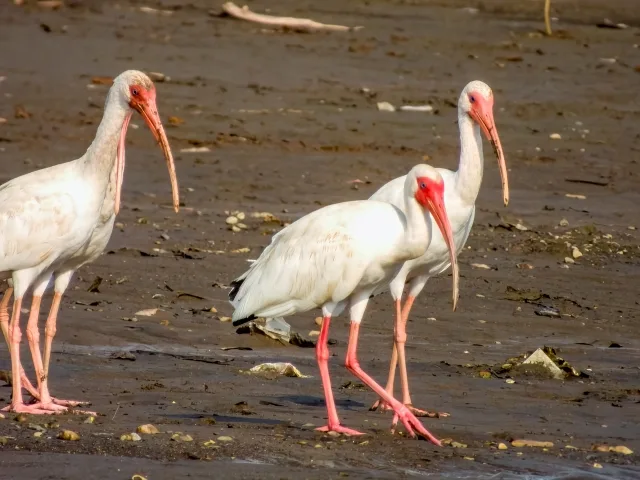
Birders flock here to see species typical of coastal and southern marsh environments, which are rare vagrants elsewhere in the state. Key sightings include the stunning Roseate Spoonbill, the elusive Purple Gallinule, various White Ibis, and the secretive Yellow Rail. The extensive dike system provides excellent walking access and numerous observation platforms, allowing enthusiasts to search the mudflats for shorebirds, scan the open water for waterfowl like Black-bellied Whistling Ducks, and explore the scrub-shrub for a wide array of migratory warblers, especially during the peak spring and fall migrations.

Target Birds
Black-bellied Whistling Duck
Anhinga
Yellow-billed Cuckoo
Neotropic Cormorant
Green Heron
Prothonotary and Swainson's Warbler
Dickcissel
The Oklahoma Department of Wildlife Conservation has interesting information about the slough and the animals found there.
Lake Carl Blackwell
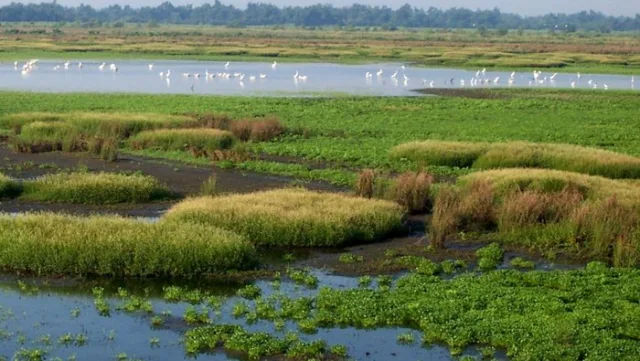
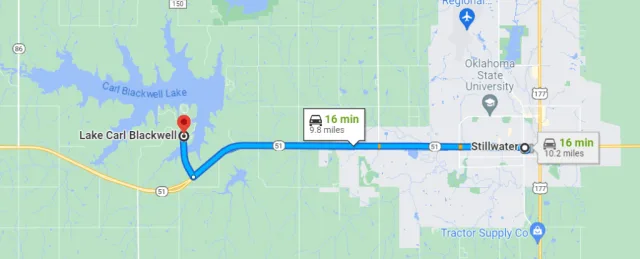
Nestled approximately eight miles west of Stillwater in Payne County, Lake Carl Blackwell is a significant reservoir spanning 3,370 surface acres, primarily owned and operated by Oklahoma State University (OSU). Geographically, the lake sits within the Cross Timbers ecological region—a transitional zone where the eastern hardwood forests meet the central grasslands.
This unique meeting point creates a varied landscape of upland forests dominated by post oak and blackjack oak, interspersed with open areas of prairie and the vital riparian habitat along Stillwater Creek, the lake's main inflow and outflow. With over 59 miles of shoreline, the area features a mix of recreational facilities, camping areas, and extensive trail systems, all contributing to a rich, accessible mosaic of habitats for local wildlife.
For birdwatchers, the varied terrain of Lake Carl Blackwell presents excellent opportunities year-round, especially given its location along the Central Flyway. The combination of open water, wooded coves, and dense Cross Timbers woodlands attracts a diverse avian population. Waterfowl are common during the migration and winter months, including various duck species and geese, while resident birds include common Oklahoma species like the Northern Cardinal and Scissor-tailed Flycatcher.
Birding success is often found by exploring the numerous hiking and equestrian trails, which traverse the woods and prairie edges, offering views of woodland passerines, raptors, and sparrows. The lake's management practices, aimed at balancing recreation and conservation, ensure that birders can find species ranging from woodland dwellers to those seeking the open aquatic environment.
Target Birds
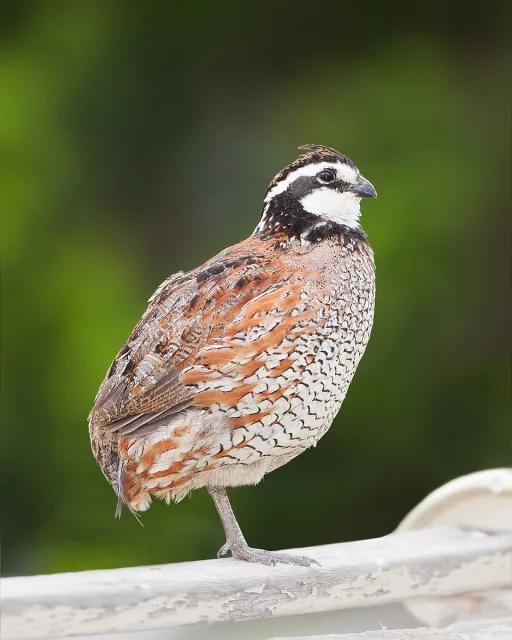
Northern Bobwhite
Belted Kingfisher
White-eyed and Warbling Vireo
Black and White Warbler
Painted Bunting
Summer Tanager
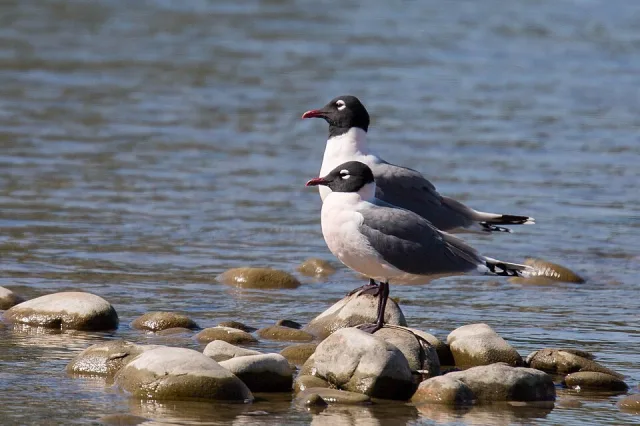
Franklin's Gull
The ODWC has information on the various recreational activities that can be found at the lake, including the health benefits of bird watching.
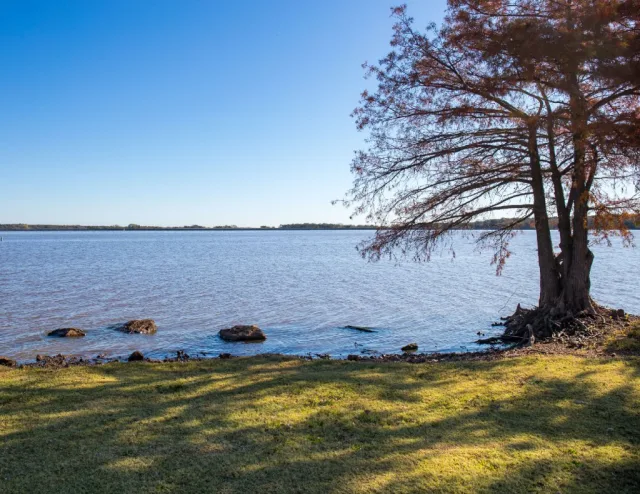
Tishomingo NWR
Located in south-central Oklahoma, spanning parts of Johnston and Marshall counties, the Tishomingo National Wildlife Refuge (NWR) is a sprawling 16,464-acre sanctuary lying at the upper Washita Arm of Lake Texoma. This crucial geographic position places the refuge directly within the Central Flyway, creating a vital staging and resting area for migratory birds. Its diverse geography is key to its biodiversity, featuring the 4,500-acre Cumberland Pool—a large water body that serves as a focal point for waterfowl—flanked by seasonally flooded flats and willow shallows. Beyond the water's edge, the landscape transitions into a mosaic of upland areas, including managed croplands, grasslands, wild plum thickets, and dense oak-hickory-elm woodlands, providing a rich tapestry of habitats.
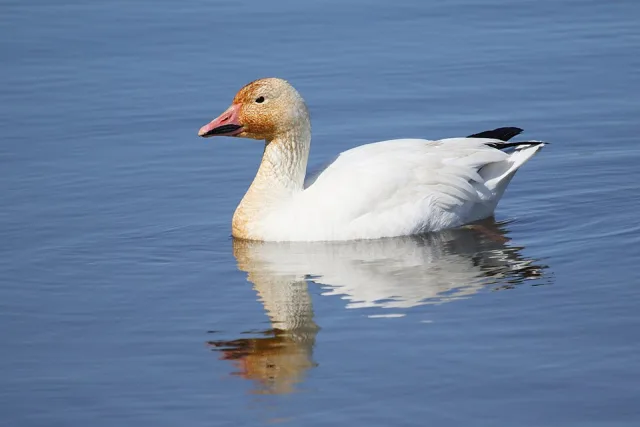
This blending of aquatic and terrestrial environments translates into exceptional birdwatching opportunities, with over 284 species documented at Tishomingo NWR. The refuge’s primary purpose is to protect migratory waterfowl; thus, the winter months see spectacular congregations of birds, including thousands of Snow Geese and various duck species like Mallards and Blue-winged Teal, which utilize the Cumberland Pool and planted fields for feeding.
Year-round and seasonal residents add to the excitement: birders can spot impressive Bald Eagles fishing over the open water, while the woodlands shelter colorful breeding species such as Painted Buntings and Summer Tanagers. Designated trails, like the Prairie Pathways Trail and the Craven Nature Trail with its boardwalk over Dick's Pond, offer accessible vantage points for observing everything from wading birds like Great Blue Herons to a variety of forest-dwelling warblers and woodpeckers.
Target Birds
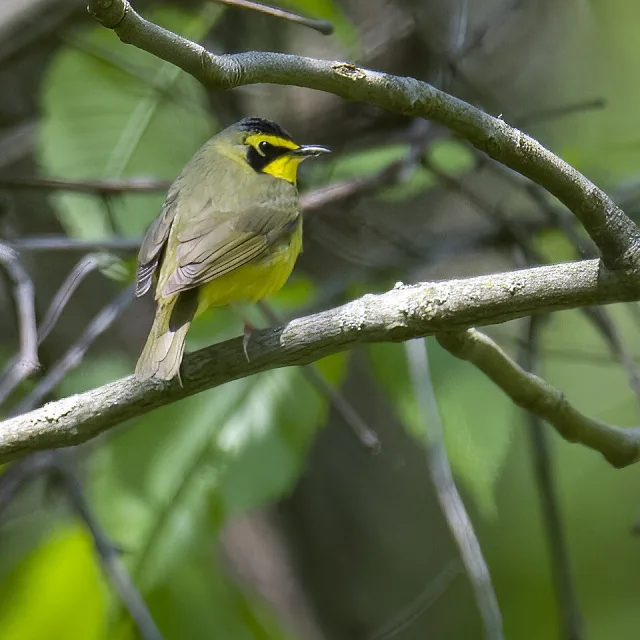
Kentucky and Yellow-throated Warbler
Indigo Bunting
Acadian Flycatcher
Bobolink
Lark Sparrow
Baird's and Least Sandpiper
The U.S. Fish and Wildlife Service has great information about the area and the facilities and activities there.
Mohawk Park
Mohawk Park, located in the heart of Tulsa, Oklahoma, is not just a city park but a sprawling, ecologically rich urban wilderness encompassing approximately 2,800 to 3,300 acres, making it one of the largest municipal parks in the United States. Its geography is defined by a diverse mixture of eastern Oklahoma habitats.
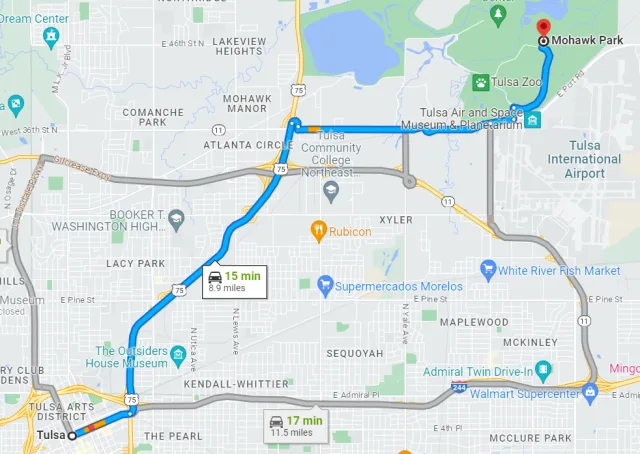
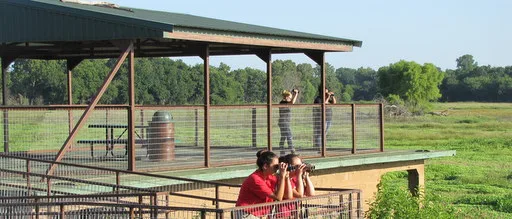
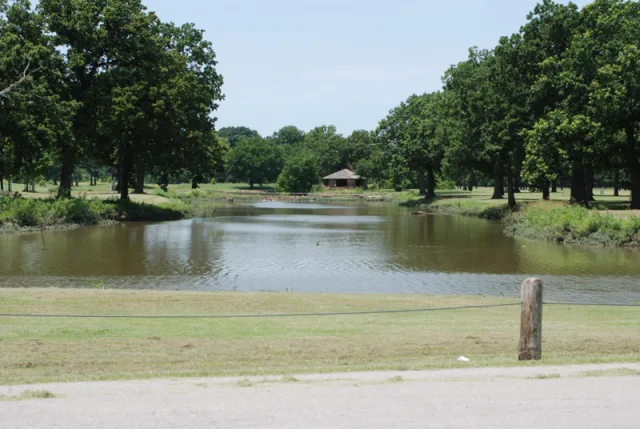
The park sits on the alluvial floodplain of the nearby Verdigris and Arkansas Rivers, resulting in bottomland hardwood forests dominated by pecan and oak, alongside open grassy fields and managed prairie areas. Crucially, the park contains the Mary K. Oxley Nature Center, an 804-acre sanctuary that features a seven-mile-long trail system, a 70-acre hand-dug lake (Lake Sherry), and a 600-foot boardwalk winding through the Blackbird Marsh, creating a mosaic of environments ideal for supporting varied wildlife.
This unique combination of diverse ecosystems makes Mohawk Park, and particularly the Oxley Nature Center, an exceptional urban birding destination. Over 260 species of birds have been documented in the area, offering year-round opportunities for birdwatchers. The dense bottomland forests are excellent for spotting various woodpeckers (like the Pileated Woodpecker), vireos (including White-eyed and Yellow-throated), and migratory warblers in spring and fall.
The wetlands and Lake Sherry are major attractions for waterfowl and wading birds, where observers can find species like the Great Blue Heron, various ducks, and the American Coot. Furthermore, during the winter, the open areas and scattered trees are reliable locations to search for raptors and winter sparrows, cementing Mohawk Park's reputation as a vital natural escape for Tulsa's birding community.
Target Birds
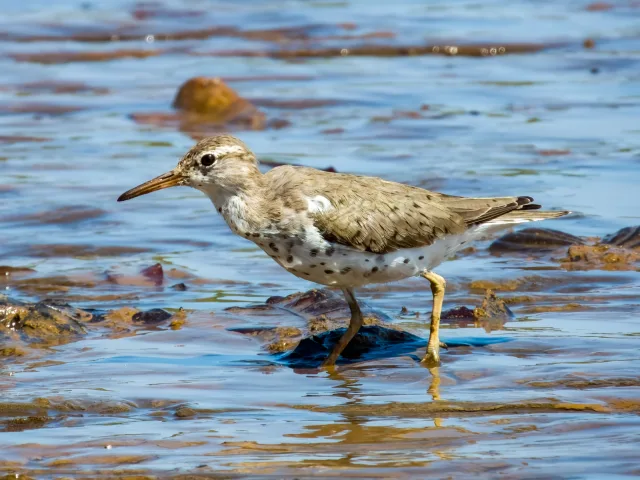
Spotted Sandpiper
Least Tern
Bell's Vireo
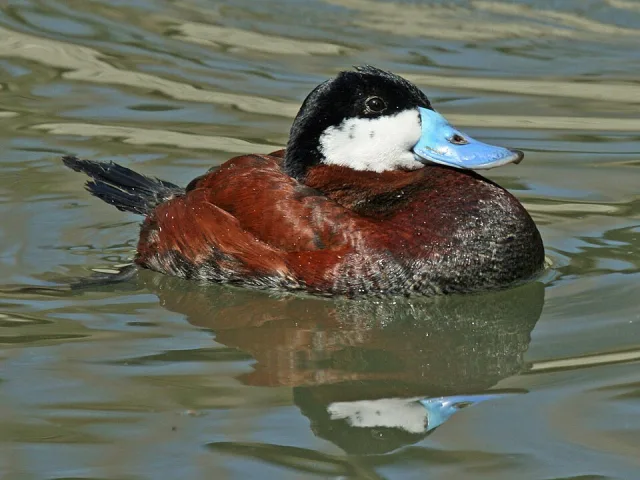
Ruddy Duck
Great Northern Diver
Red-shouldered Hawk
Hudsonian Godwit
Louisiana Waterthrush
The Oxley Nature Center has extensive information about their organization and activities at the park.
Salt Plains NWR
Established in 1930, the Salt Plains National Wildlife Refuge (NWR) is a unique, 32,197-acre ecological marvel located in Alfalfa County in north-central Oklahoma, near the town of Jet. Geographically, the refuge is defined by the Great Salt Plains Lake, a reservoir formed by a dam on the Salt Fork of the Arkansas River.
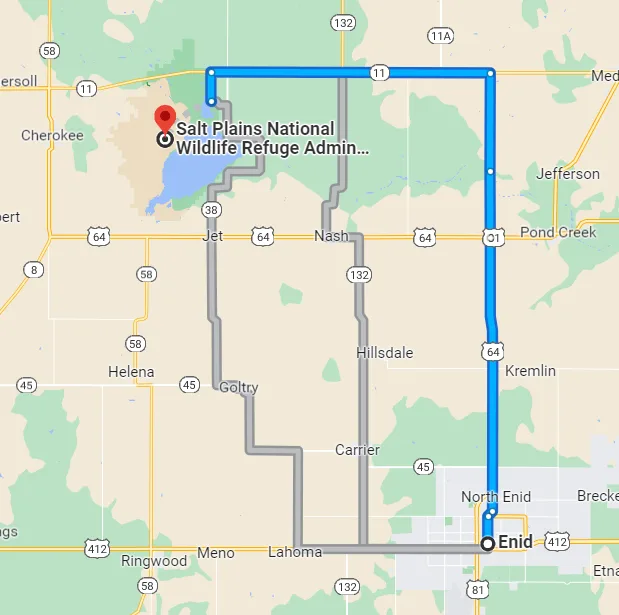
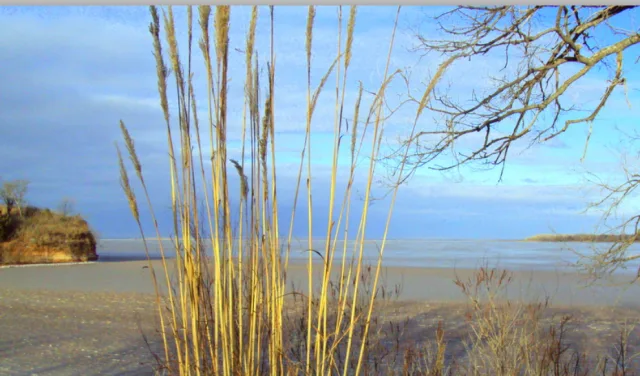
The truly distinctive feature, however, is the vast salt flat—a remnant of a prehistoric sea—that covers roughly one-third of the refuge. This barren, white, salt-crusted plain contrasts sharply with the surrounding mosaic of mixed-grass prairie, forested riparian areas, and herbaceous wetlands, creating an astonishingly diverse landscape at the crossroads of different ecological zones. The high salinity of the ground makes this area one of the most unusual and critical habitats in the Great Plains.
This distinct geography has established the Salt Plains NWR as an internationally important birding destination, recognized as a Site of International Importance within the Western Hemisphere Shorebird Reserve Network. The vast, open salt flats and their shallow pools are essential breeding grounds for species like the endangered Interior Least Tern and the threatened Snowy Plover, which relies heavily on the refuge for its North American breeding population. During migration seasons, the refuge becomes a spectacular staging area on the Central Flyway, hosting hundreds of thousands of birds.
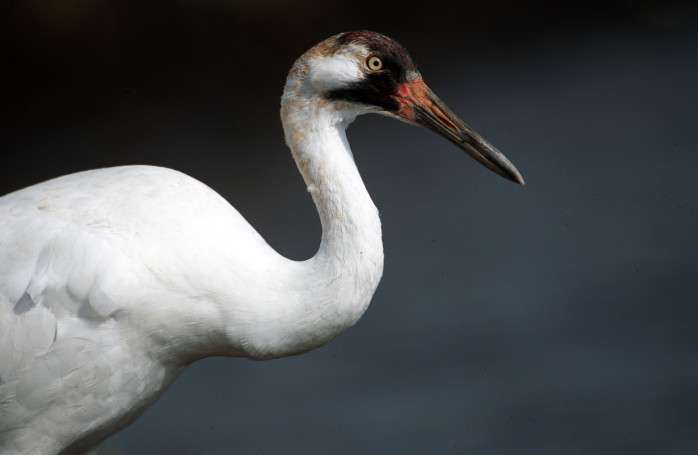
Lookouts like the Casey Marsh Tower offer views of massive flocks of waterfowl, including ducks and geese, and are prime spots to search for the majestic American White Pelican and the highly endangered Whooping Crane, which uses the area as a critical fall stopover. For raptor enthusiasts, the winter months bring excellent opportunities to spot Bald Eagles soaring over the Great Salt Plains Lake.
Target Birds
Chuck-will's-widow
Snowy Plover
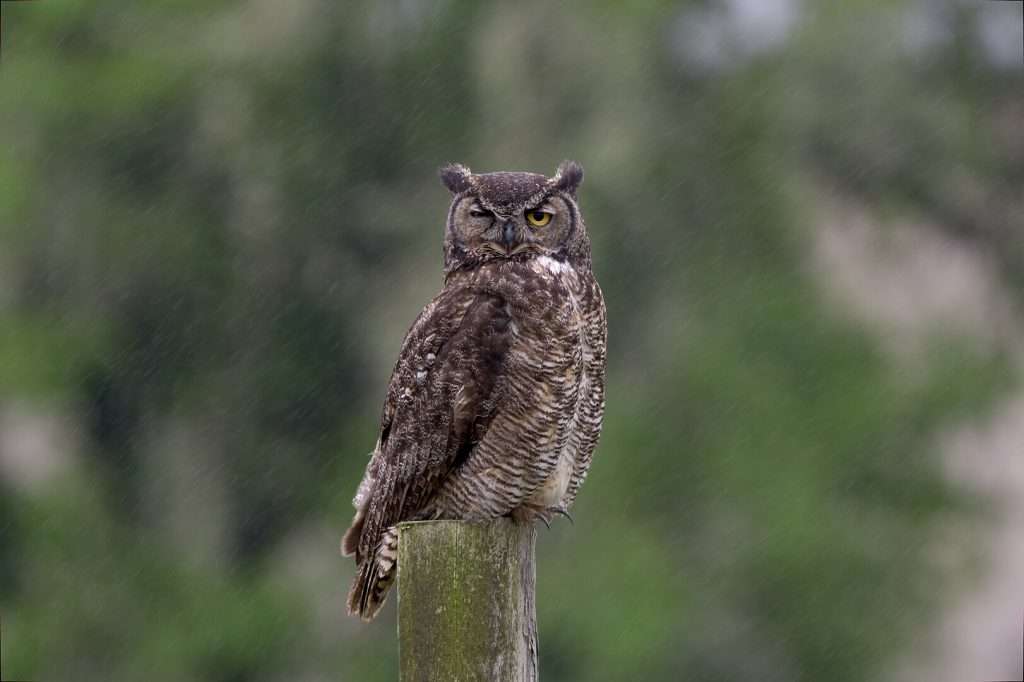
Great Horned Owl
American Avocet
Wilson's Snipe
Bewick's Wren
Sandhill Crane
The Oklahoma State Parks website has details about lots of different recreational possibilities at the park.
Tallgrass Prairie Preserve
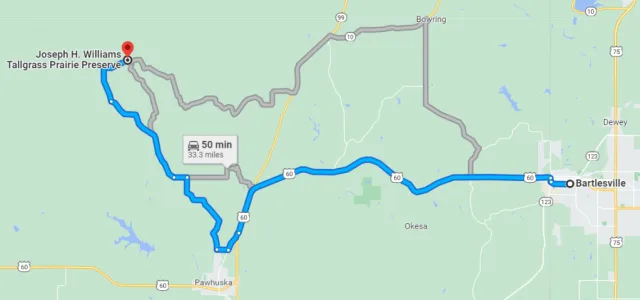
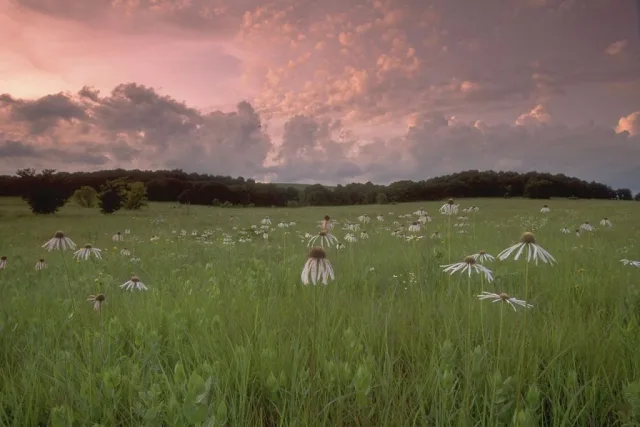
The Joseph H. Williams Tallgrass Prairie Preserve, managed by The Nature Conservancy, is a globally significant site, preserving nearly 40,000 acres of the largest remaining contiguous tract of this critical ecosystem on Earth. Located in the Flint Hills of northeastern Oklahoma, about an hour north of Tulsa, its geology is characterized by rocky, unplowed terrain—a feature that saved this land from the steel plow and, thus, its native character. The geography is one of gently rolling hills and vast, open grasslands dominated by towering species like Big Bluestem and Switchgrass, creating an immersive, wave-like landscape.
While open prairie is the dominant feature, the Preserve also incorporates important secondary habitats, including riparian woodlands along its creeks and patches of "Cross Timbers" forest in the uplands, all essential components of the original prairie-forest borderlands. This sheer size and ecological complexity provide a unique stage for observing grassland biodiversity.
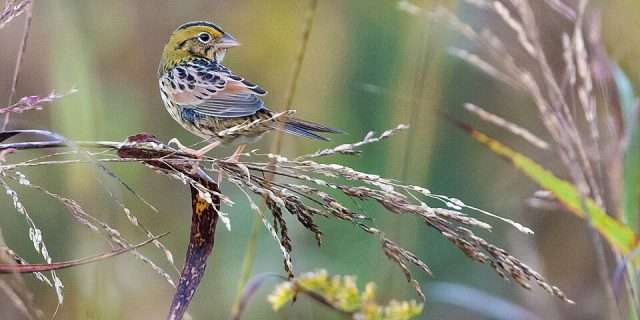
For the serious birder, the Preserve offers exceptional opportunities centered around species that are increasingly rare due to habitat loss elsewhere. The highlight for many is the chance to witness the spectacular spring "booming" display of the Greater Prairie-Chicken, an iconic grassland species. Beyond the grouse, the dense, native grasses are essential breeding grounds for "grassland obligates"—birds that require this specific habitat to survive—including the Dickcissel, Grasshopper Sparrow, and the secretive Henslow's Sparrow.
Birding can be done from scenic turnouts along the 15-mile public Bison Loop, which also allows views of the free-ranging bison herd, or by exploring the designated nature trails near the headquarters which lead to wooded creek bottoms, offering glimpses of species like the Scissor-tailed Flycatcher and various migrant warblers and vireos. Winter visits are equally rewarding, as the area becomes a crucial hunting ground for raptors, including Rough-legged Hawks and Northern Harriers.
Target Birds
Bald Eagle
Common Nighthawk
Swainson's Hawk
Upland Sandpiper
American Golden Plover
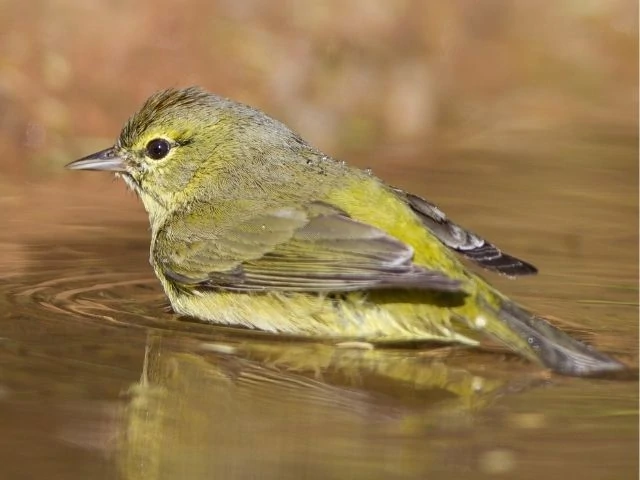
Orange-crowned Warbler
Rose-breasted Grosbeak
The Nature Conservancy has a lovely webpage detailing how they protect this incredible area.
Sequoyah NWR
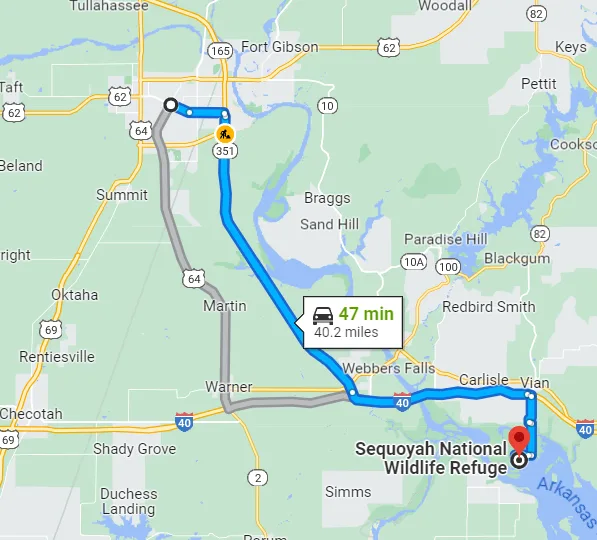
Sequoyah National Wildlife Refuge (NWR) is strategically situated in eastern Oklahoma, approximately 35 miles west of Fort Smith, Arkansas, near the town of Vian. Established in 1970, the refuge encompasses 20,800 acres across three counties and is an "overlay project" on the U.S. Army Corps of Engineers' Robert S. Kerr Reservoir. Its geography is dominated by the delta where the Arkansas and Canadian rivers converge, resulting in a rich tapestry of habitats essential for migratory wildlife.
The landscape is a diverse mix of wetlands, bottomland hardwood forests, moist-soil units, riverine bluffs, and cultivated grasslands, which are cooperatively farmed to provide food for the thousands of waterfowl that use the area. This unique combination of water features and varied terrain makes Sequoyah a critical ecological junction along the Central Flyway.
The refuge’s location and geography make it an exceptional birdwatching destination, particularly during the fall and winter migration seasons. Over 250 bird species have been documented here, with the winter months offering spectacular viewing opportunities. Waterfowl are the main attraction, with enormous flocks of Snow Geese (sometimes numbering over 20,000 birds) and thousands of Mallards, Gadwall, and Pintails resting on the reservoir and managed wetlands.
Furthermore, Sequoyah NWR is one of the best places in the state to observe Bald Eagles, which nest in the area and can be seen roosting in cottonwoods or actively hunting over the water. Birders can explore the refuge via an eight-mile gravel tour road and two paved nature trails, providing excellent access to the core habitats that support everything from migrating shorebirds and wading birds like the White-faced Ibis to resident raptors and neo-tropical songbirds in the wooded areas.

Target Birds
Barred Owl
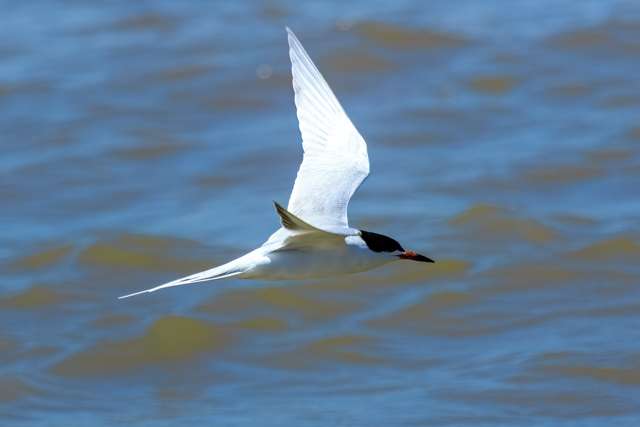
Forster's Tern
White-rumped Sandpiper
Wilson's Phalarope
Nashville and Magnolia Warbler
Sora
Clay-colored Sparrow
The USFWS website has a little information about the park. Better details are found on the American Trails site which describes various trails around the refuge.
Wrapping Up
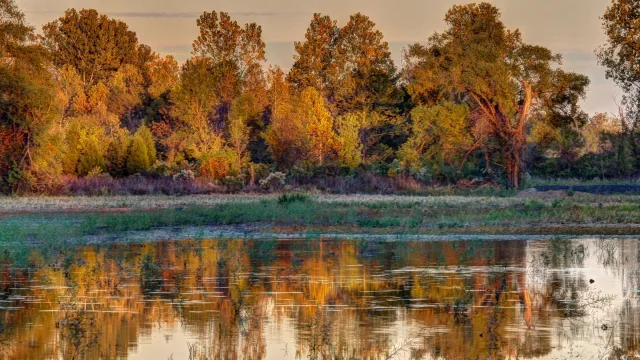
From the central heartlands to its far-flung corners, Oklahoma consistently reveals itself as a crucial and diverse node on the Central Flyway, offering birdwatching opportunities as varied as its landscapes. We've explored the state's main habitats, but the real testament to Oklahoma’s avian wealth lies in its extremes.
In the south, Tishomingo National Wildlife Refuge on the banks of Lake Texoma provides critical wintering grounds and nesting habitat for an incredible variety of waterfowl and wading birds, notably the majestic Bald Eagle. Venturing to the low-lying southeastern corner, Red Slough Wildlife Management Area serves as a true anomaly—a wetland complex where birders can find species typically associated with the Gulf Coast, like the Roseate Spoonbill and Black-bellied Whistling-Duck, a testament to its successful wetland restoration efforts. Finally, the dramatic elevation and arid climate of the Panhandle, specifically Black Mesa State Park, offers a unique habitat unlike any other in the state. Here, birders chase western specialties at the edge of their range, including the Scaled Quail, Canyon Towhee, and various mountain species that rarely venture farther east.
Ultimately, whether you seek the sight of thousands of Snow Geese against the vast winter sky or the fleeting glimpse of a rare western migrant high on a mesa, Oklahoma’s network of refuges and preserves ensures that every season offers a compelling reason to pack your binoculars. The Sooner State is a birding journey waiting to be discovered.
