
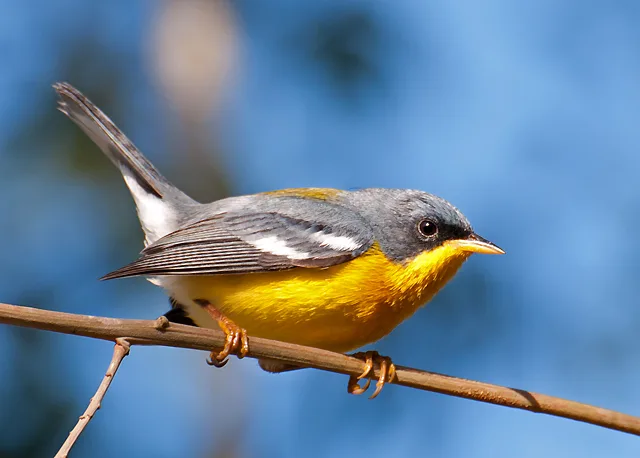
Often celebrated for its pastoral farmlands and industrial heartland, Ohio holds a secret for birdwatchers: it is a pivotal crossroads on the North American flyway. Strategically positioned along the southern shore of Lake Erie, the state's diverse geography—from dense eastern Appalachian forests to vast western prairies and marshes—funnels a spectacular variety of birdlife through its borders. This unique location ensures exceptional birding, particularly during spring and fall migration when millions of songbirds, shorebirds, and raptors pass through the region.

Premier locations exemplify this diversity: Whiskey Island in Cleveland, a small, highly urbanized site at the mouth of the Cuyahoga River, acts as a crucial first-stop refuge for exhausted migrants crossing Lake Erie. Meanwhile, the Big Island Wildlife Area in the central part of the state preserves historic prairie and marsh habitat, offering key breeding and staging grounds for waterfowl and grassland species. Together, these sites underscore Ohio's vital, yet often understated, role as an essential ecological nexus for continental avian migration.
Headlands Dunes State Nature Preserve
The Headlands Dunes State Nature Preserve is a uniquely significant natural area located on the shore of Lake Erie in Mentor, Ohio, positioned at the mouth of the Grand River. Geographically, it is a narrow, mile-long strip of land that constitutes one of the largest and highest quality freshwater sand dune systems remaining on the south shore of the Great Lakes.
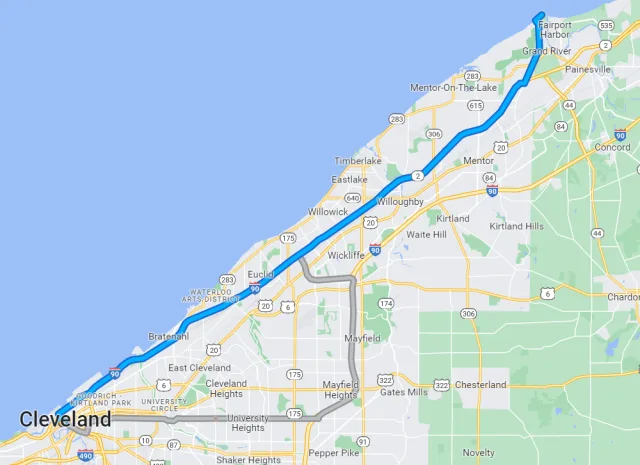
The preserve’s landscape is a fragile mosaic, featuring primary dunes, scrubby woodlands dominated by cottonwood and willow, and low, damp swales between the dunes. This particular configuration, where dense scrub meets a large, open body of water, creates a pivotal "stopover" habitat for migrating birds. The preserve is immediately adjacent to Headlands Beach State Park, providing a long, uninterrupted stretch of accessible shoreline and dune habitat critical for avian survival.
As a prime migratory stopover, Headlands Dunes offers exceptional birdwatching opportunities, particularly during the spring and fall. Its location is strategically important because it is often the first patch of wooded cover encountered by neo-tropical songbirds (like warblers, vireos, and thrushes) exhausted from crossing the entirety of Lake Erie from Canada. Conversely, in the fall, it is one of the last places they stop before making the northward jump.

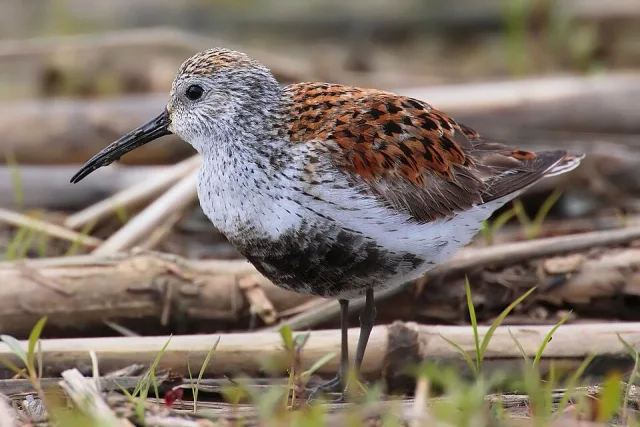
The mix of dune habitat and Great Lakes shoreline attracts a wide variety of species: observers frequently report numerous species of migrating warblers in the scrub, shorebirds like Sanderlings and Dunlin along the beach, and various waterfowl and gulls out on the lake. The high concentration of fatigued migrants, especially after a "fallout" event, makes Headlands Dunes a mandatory stop on any Ohio birding itinerary.
Target Birds
Bald Eagle
American Redstart
Red-headed Woodpecker
Brown Thrasher
Blackpoll and Canada Warbler
Green Heron
Swainson's Thrush
The Ohio Department of Natural Resources has information for visitors and bird watchers to the area.
Metzger Marsh Wildlife Area
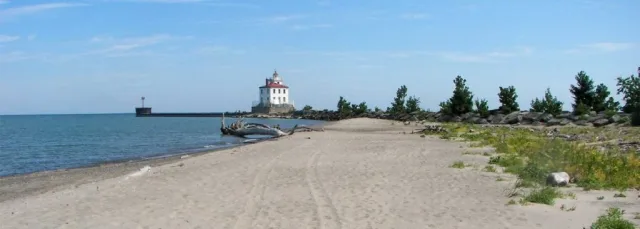
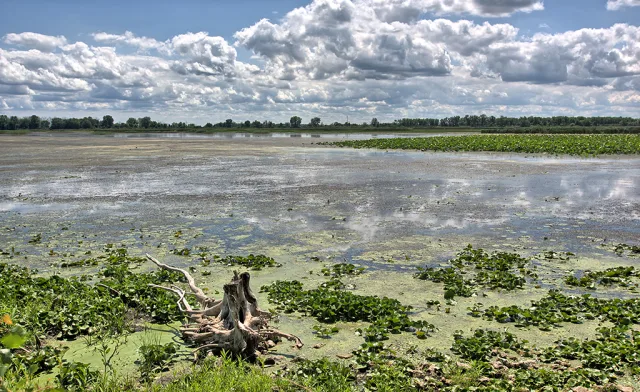
The Metzger Marsh Wildlife Area (MMWA) is a critical coastal wetland sanctuary located in northwestern Ohio, situated directly on the western basin of Lake Erie, just east of Toledo and north of Bono. Geographically, it is a managed coastal marsh, protected by a large dike system and spanning approximately 930 acres. Its key feature is the strategic presence of mudflats, managed shallow water ponds, and emergent vegetation (like cattails and reeds) separated from the lake's open waters.
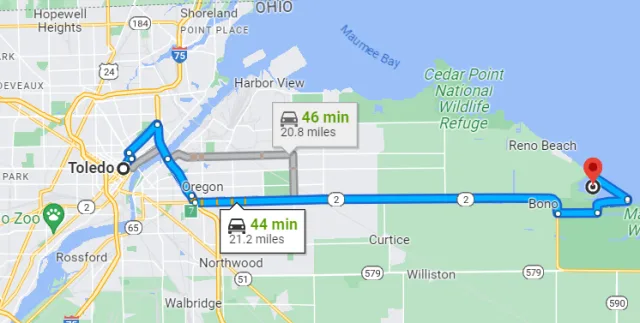
This location places it squarely in the path of the Atlantic and Mississippi Flyways, making it an essential staging and feeding area for waterfowl and shorebirds during migration. Furthermore, its proximity to the Ottawa National Wildlife Refuge (NWR) means it is part of a larger, interconnected complex of protected wetlands vital to the health of the Lake Erie ecosystem.
Birdwatching at Metzger Marsh is defined by its specialties in waterfowl and shorebirds, particularly during the spring and fall migration periods. The managed shallow water levels expose extensive mudflats, which are magnets for migratory sandpipers and plovers searching for invertebrates.
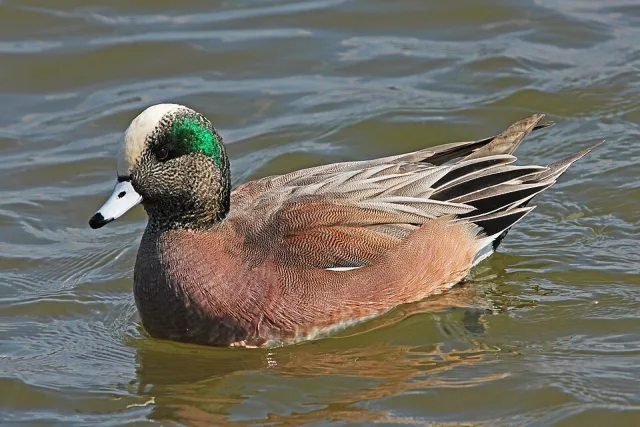
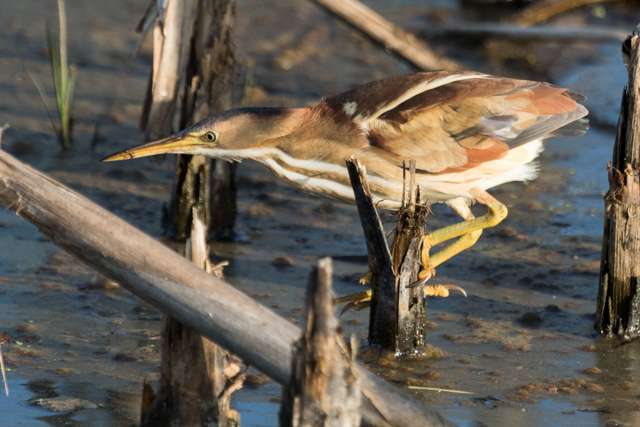
During the colder months and migration peaks, the marsh pools host large concentrations of ducks, including Northern Shoveler, American Wigeon, and various diving ducks. Additionally, the thick stands of emergent vegetation provide critical breeding habitat for secretive marsh birds like Least Bitterns and various rails. Its location near the lake's shoreline also makes it a good spot to observe migrating warblers and other songbirds using the adjacent tree lines for refuge before or after making the flight over the lake.
Target Birds
Least Bittern
Marsh Wren
Forster's Tern
Yellow-bellied Flycatcher
Semipalmated Sandpiper
Mourning Warbler
Lincoln's Sparrow
The Ohio Ornithological Society has up to date information about how to access the area.
Whiskey Island
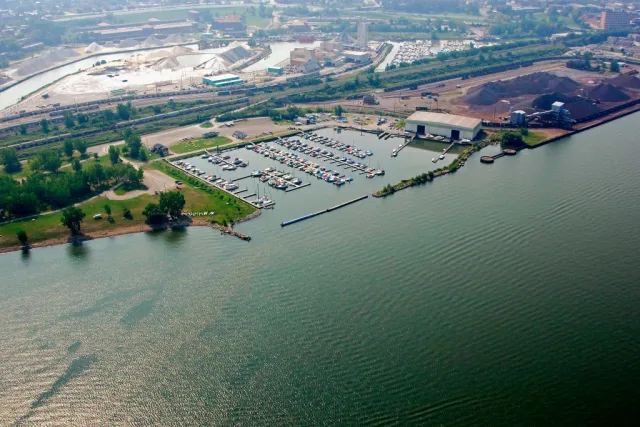
Whiskey Island is a small, highly significant peninsula and man-made land area located right at the mouth of the Cuyahoga River where it meets Lake Erie, immediately northwest of downtown Cleveland, Ohio. Geographically, the site is a crucial patch of low-lying industrial land composed of docks, open fields, and riparian growth that acts as a vital "migrant trap."
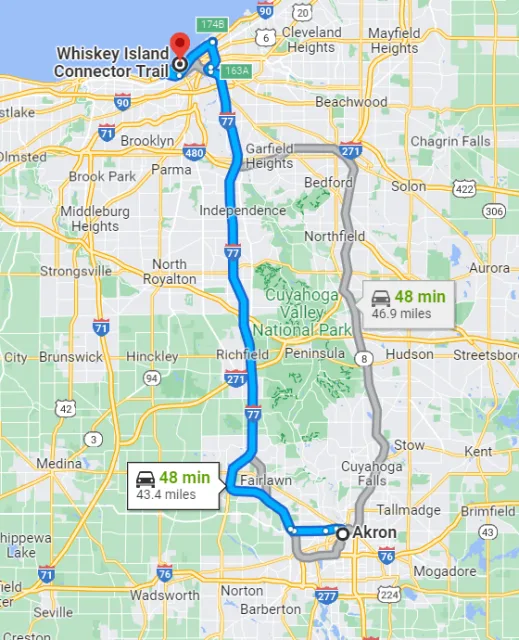
Its location makes it one of the first patches of suitable green habitat encountered by small, exhausted songbirds flying northward across the vast expanse of Lake Erie, particularly during the intense spring migration period. This positioning—an oasis surrounded by a heavy industrial port and urban landscape—creates a unique ecological bottleneck, concentrating birds in a very small, accessible area.
The resulting birdwatching opportunities at Whiskey Island are often spectacular, especially from April to May when neotropical migrants arrive. Because the migrants are forced down by the lake barrier, birders can regularly observe high concentrations of species, including nearly all Eastern Warblers (such as the Cape May, Blackburnian, and Magnolia Warblers), Vireos, and Thrushes.

Beyond songbirds, the area’s open water and river access attract a wide variety of waterfowl (ducks, grebes, and loons) in both spring and fall. The mix of habitats, including small thickets and open water, makes it an exceptionally productive site for urban birding, offering high species diversity with minimal travel, cementing its status as one of the most reliable spring birding locations in Northeast Ohio.
Target Birds
Chimney Swift
Spotted Sandpiper
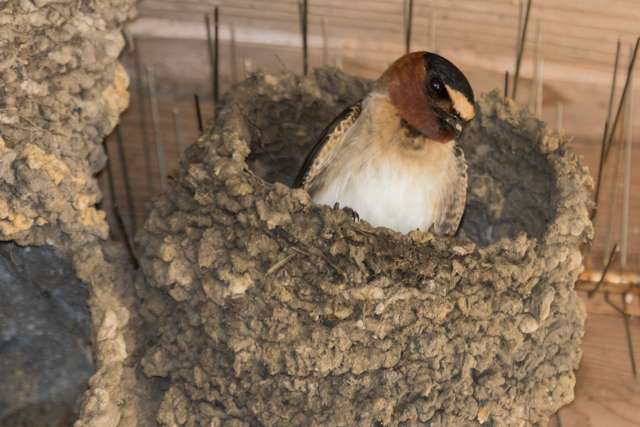
Tree, Barn and Cliff Swallow
Cedar Waxwing
Ovenbird
Osprey
Least and Alder Flycatcher
The OOS has information about access to the marina and surrounding parklands.
Killdeer Plains Wildlife Area
The Killdeer Plains Wildlife Area is a sprawling, 9,230-acre public hunting and wildlife area situated primarily in Wyandot and Marion counties in central Ohio. Geographically, the area is named for the Killdeer Plains, a region that was historically covered by a vast, poorly-drained lakebed that resulted in a mix of wet prairie and savanna.
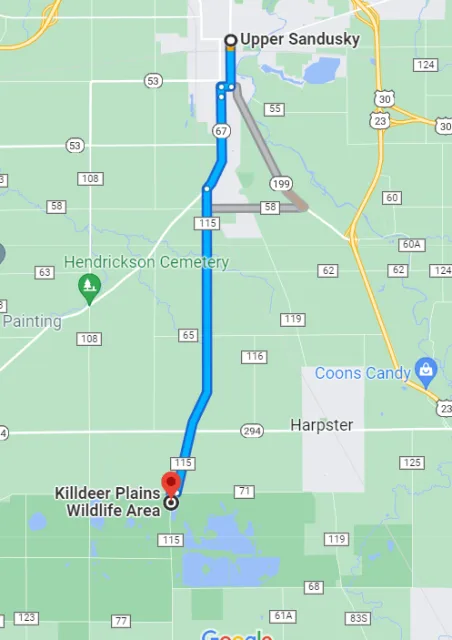
While much of the land was drained and farmed in the 20th century, the Wildlife Area actively manages and restores this unique geography. Today, it features a diverse mosaic of habitats critical for wildlife: extensive marshes and wetlands are interspersed with grasslands, upland fields, and scattered woodlots. Numerous small ponds and a reservoir provide crucial open water. This combination of wetland and restored prairie makes Killdeer Plains an invaluable ecological remnant in a landscape otherwise dominated by agriculture.
The distinctive geography of Killdeer Plains creates exceptional bird watching opportunities, especially for species dependent on open country and managed wetlands. The restored grasslands support breeding populations of declining grassland birds, including the Henslow's Sparrow and Dickcissel, which can be challenging to find elsewhere in the state.

The managed wetlands and open water attract a wide variety of waterfowl during both spring and fall migrations, such as various species of ducks, swans, and geese. Additionally, the area is an important stopover point for shorebirds when water levels are managed to expose mudflats. During winter, the large, open fields are excellent for sighting Northern Harriers and sometimes even Short-eared Owls, cementing Killdeer Plains' status as a prime location for viewing both rare grassland specialists and transient waterfowl.
Target Birds
Sandhill Crane
Turkey Vulture
Bald Eagle
Eastern Meadowlark
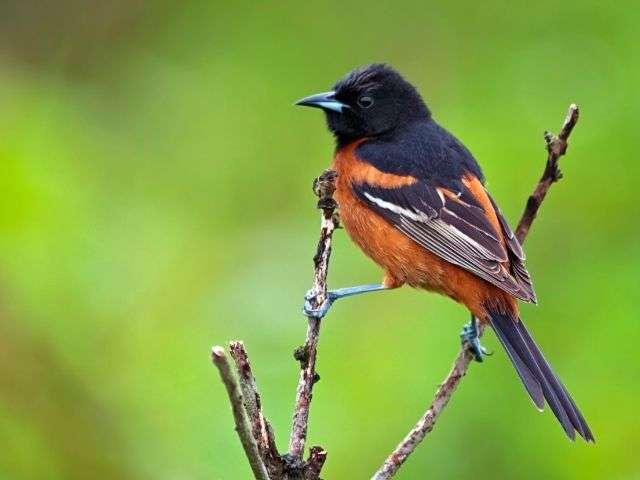
Orchard Oriole
Willow Flycatcher
Dickcissel
Bell's and Warbling Vireo
The ODNR has information about facilities here as well as recreational possibilities. There is also a downloadable wildlife map.
Buck Creek SP
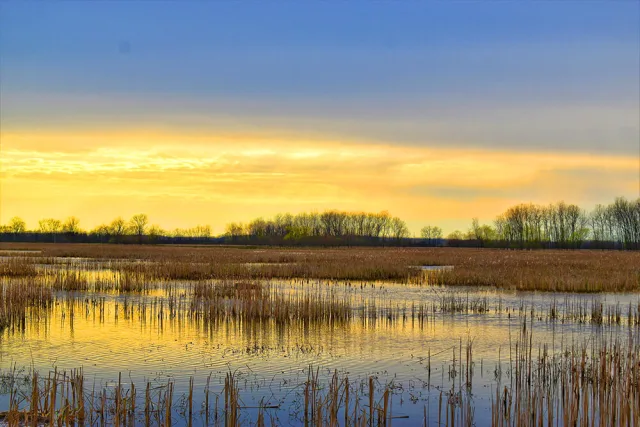
Buck Creek State Park is located in west-central Ohio, situated just northeast of the city of Springfield in Clark County. The park's central geographic feature is the expansive C.J. Brown Reservoir, a large man-made lake created by an earthen dam on Buck Creek. This hydrology results in diverse shorelines, including mudflats, open water, and marshy bays, surrounded by mixed deciduous woodlands and maintained open grasslands that were once part of the historical prairie landscape of the region.
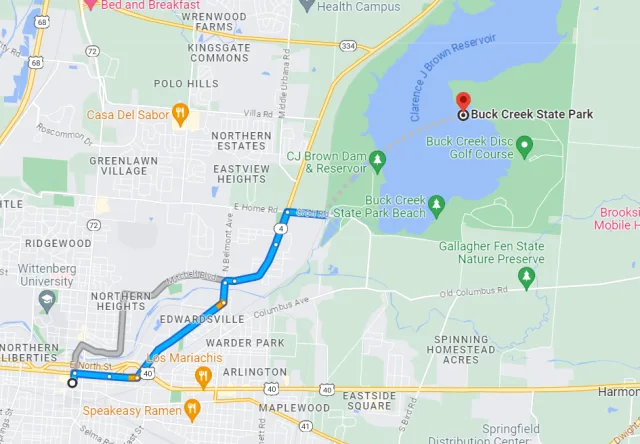
The park is easily accessible via U.S. Route 40 and Interstate 70, placing a significant, protected wetland and forest ecosystem within reach of major population centers, making it a crucial stopover point for migratory species traversing the heart of Ohio.
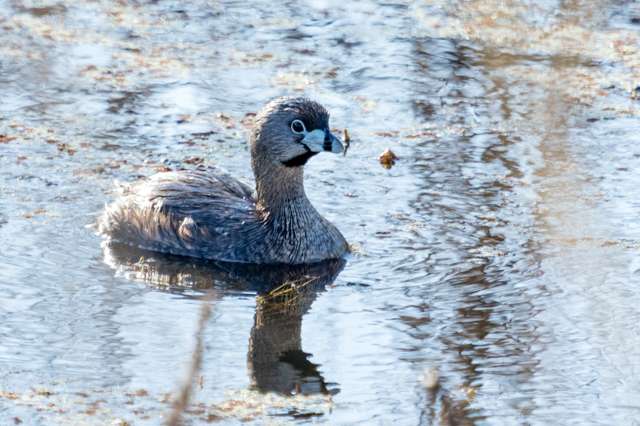
The varied habitats at Buck Creek State Park offer excellent, year-round birdwatching opportunities, but the park truly shines during migration due to the draw of the large reservoir. The open water and mudflats attract numerous species of waterfowl (ducks, geese, and swans) and shorebirds during spring and fall, including common sightings of Pied-billed Grebes, Canvasbacks, and various Sandpipers.
The extensive woodlands and fields surrounding the lake host a wide array of songbirds, with a focus on grassland species like the Eastern Meadowlark and Savannah Sparrow, particularly in the restored prairie sections. Additionally, the park’s mature trees provide crucial nesting habitat for raptors like the Osprey, which can frequently be seen fishing over the reservoir.

Target Birds
Red-bellied Woodpecker
Northern Parula
Rose-breasted Grosbeak
Cape May and Tennessee Warbler
Red-breasted Merganser
Bonaparte's Gull
Great Northern Diver
The OOS has detailed information about the park, access and opening hours.
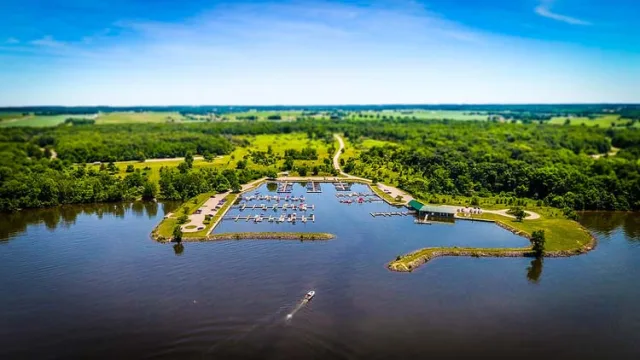
Cleveland Lakefront Nature Preserve
The Cleveland Lakefront Nature Preserve (CLNP) is a unique and essential ecological site located directly on the shore of Lake Erie in Cleveland, Ohio, just east of downtown. Its geography is entirely anthropogenic; the 88-acre peninsula was created using dredged materials from the Cuyahoga River shipping channel, resulting in a low-lying, flat landscape dominated by successional habitats.
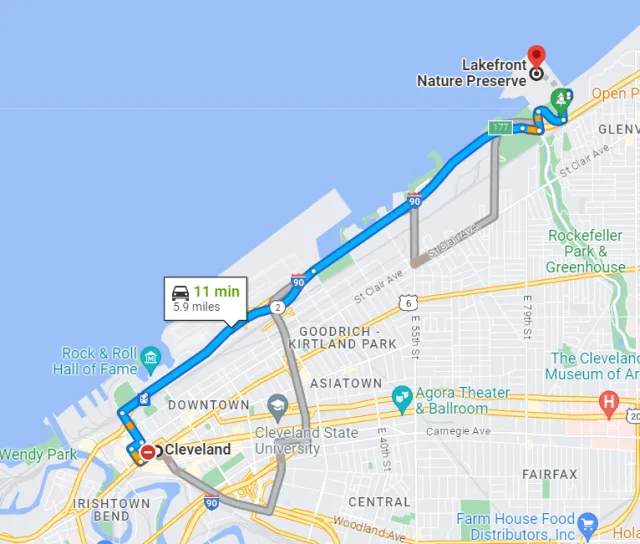
Bordered by the lake on three sides and urban infrastructure on the fourth, the CLNP has naturally developed into a complex mosaic of coastal scrub, cottonwood and willow groves, managed wetlands, and open meadows. This position—a large, undisturbed green wedge jutting into a Great Lake and surrounded by heavy industry and urban development—makes it a crucial and highly effective migratory trap and a vital refuge for regional wildlife.
The birdwatching opportunities at the Cleveland Lakefront Nature Preserve are outstanding due to its function as an ecological anchor on the lake. As a final stopping point before crossing Lake Erie, or the first point of land reached after the crossing, the CLNP sees incredible concentrations of migratory songbirds, especially during the peak spring and fall movements.
Over 290 species have been recorded here, including a spectacular diversity of warblers (such as the Cape May Warbler and Blackburnian Warbler) and other neo-tropical migrants. The coastal location also attracts numerous shorebirds, gulls, and terns, while the open water and marshes host various waterfowl throughout the non-breeding season. Its accessibility and high species count make the CLNP a premier urban birding location in Ohio.

Target Birds
American Woodcock
Double-crested Cormorant
Baltimore Oriole
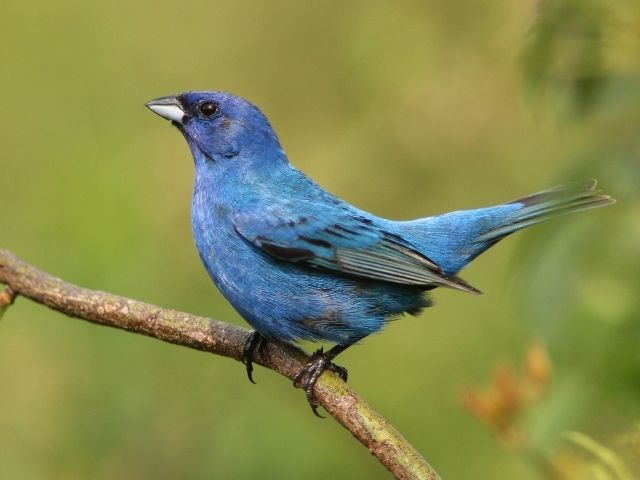
Indigo Bunting
Magnolia and Chestnut-sided Warbler
Grey-cheeked Thrush
Cooper's Hawk
The Kirtland Bird Club conducts regular surveys of the area and consequently it has interesting information about the area.
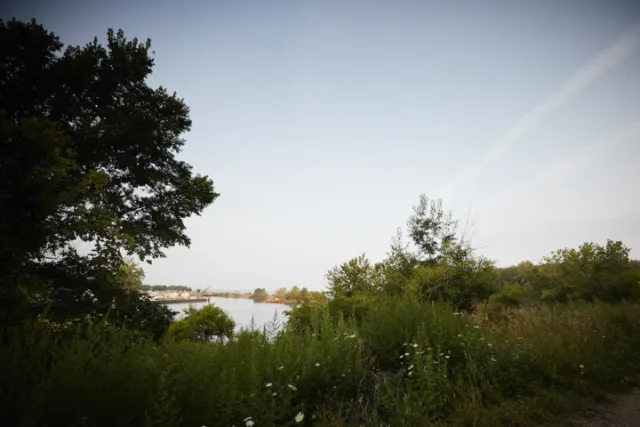
Big Island Wildlife Area
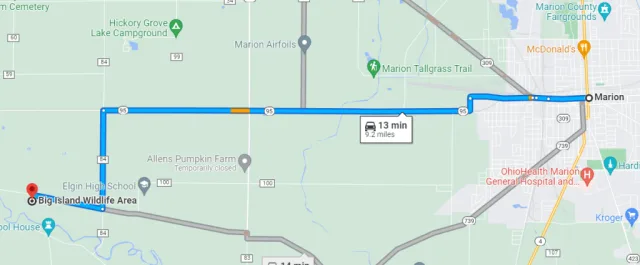
The Big Island Wildlife Area (BIWA) is a crucial 5,800-acre tract located in Marion County, Ohio, approximately seven miles west of the city of Marion. Geographically, BIWA sits on a landscape that historically defined the transition between the Great Black Swamp region to the north and the rich agricultural plains of central Ohio.
The area is named for a prominent, slightly elevated oak ridge—the "Big Island"—that once stood out from the surrounding marshy wetlands and served as a refuge. Today, the geography is characterized by a managed mosaic of habitats, including extensive diked wetlands, open water pools, bottomland hardwood forests, and several hundred acres of warm-season grasslands and shrubby fields. This managed landscape mimics the historic conditions of the area before widespread drainage, making it a critical habitat link in the otherwise heavily farmed region of west-central Ohio.
The deliberate creation of diverse habitats at the Big Island Wildlife Area provides excellent birdwatching opportunities throughout the year. The expansive wetlands and shallow pools are particularly attractive to waterfowl, with large numbers of ducks (including Northern Shovelers, Wood Ducks, and various teal) and geese staging here during migration.
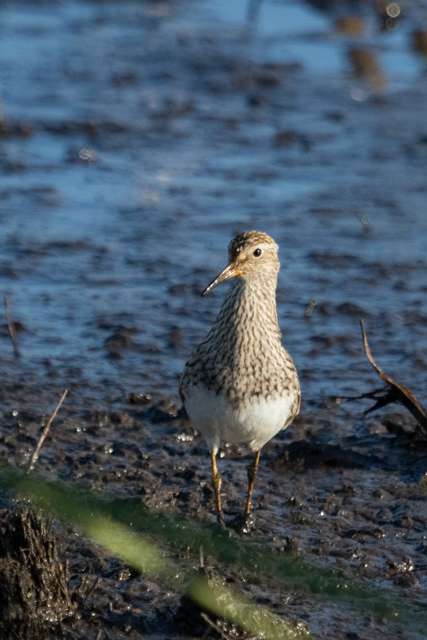
The area is also essential for shorebirds when water levels are lowered, attracting species like the Pectoral Sandpiper and various plovers. Perhaps most notably, the maintained grasslands support populations of declining grassland birds, offering chances to spot the elusive Henslow's Sparrow and various Meadowlarks. The combination of managed wetland and native grassland makes BIWA an indispensable site for viewing species that have been displaced from the majority of the surrounding agricultural landscape.

Target Birds
Black Tern
Pied-billed Grebe
Indigo Bunting
Redhead
Semipalmated Plover
Bobolink
- Dunlin
The OOS has good information about the organization of the area.
Funk Bottoms Wildlife Area
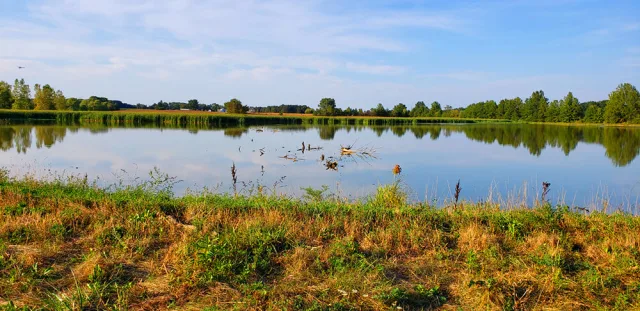
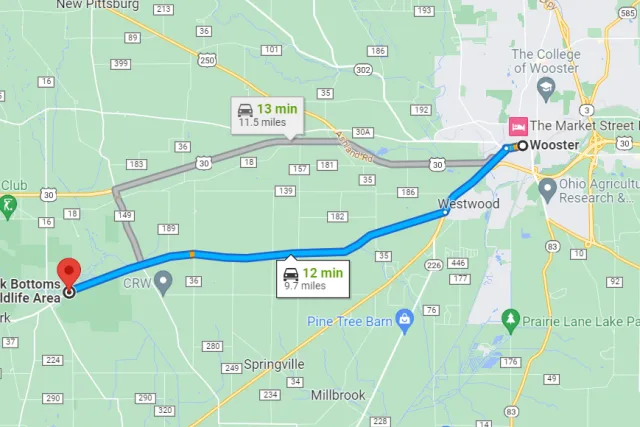
The Funk Bottoms Wildlife Area is a crucial, expansive wetland and grassland complex spanning over 2,000 acres across parts of Wayne and Ashland counties in northeastern Ohio, approximately an hour southwest of Cleveland. Geographically, it sits within the glaciated plains, characterized by level topography and a high water table, making it prone to flooding.
The area is defined by the headwaters of the Killbuck Creek, which creates a vast mosaic of habitats including bottomland hardwood forest, extensive emergent marsh, and open agricultural fields converted into managed grasslands. This critical mix of open water, dense cover, and feeding fields establishes Funk Bottoms as one of the most important and successful wetland restoration projects in Ohio, maximizing its appeal to a wide variety of bird groups.
The diverse geography of Funk Bottoms translates directly into exceptional birdwatching, making it a premier inland location in Ohio. The managed wetlands and open water are magnets for large numbers of waterfowl during spring and fall migration, including various species of ducks, geese, and swans. Its most renowned ornithological distinction, however, is its significance as one of the best locations in the state to observe shorebirds and wading birds (like herons and egrets) as water levels fluctuate.
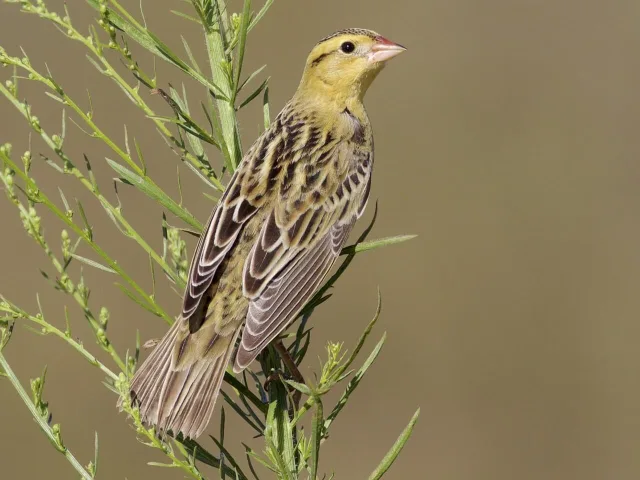
Critically, the managed grasslands support diminishing populations of grassland specialists that are rare elsewhere in Ohio, such as the Dickcissel, Bobolink, and Henslow's Sparrow. The combination of accessible trails, observation areas, and the concentration of both wetland and grassland species ensures high species diversity and consistent reporting throughout the year.
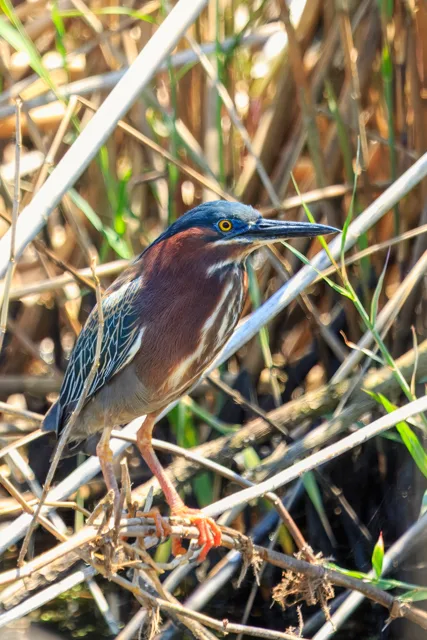
Target Birds
Trumpeter Swan
Wilson's and Yellow Warbler
American Wigeon
Solitary Sandpiper
Green Heron
Black-necked Stilt
Belted Kingfisher
White-rumped Sandpiper
Short-billed Dowitcher
Ohio Birds has great information about the best places to view birds in the area.
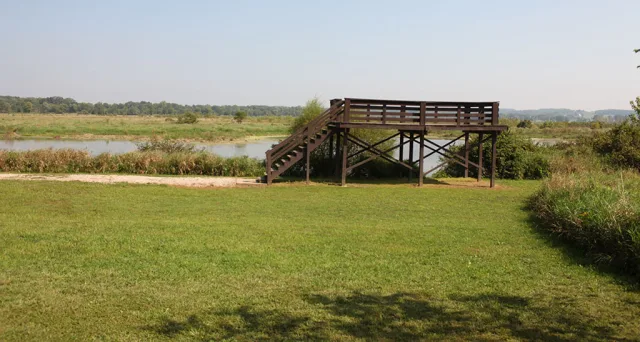
Sheldon Marsh State Nature Preserve
Sheldon Marsh State Nature Preserve is a critically important birding location situated on the southern shore of Lake Erie in Huron, Ohio, about halfway between Cleveland and Toledo. Geographically, it is recognized as one of the few remaining undeveloped stretches of Great Lakes shoreline in the state, making it a vital sanctuary.
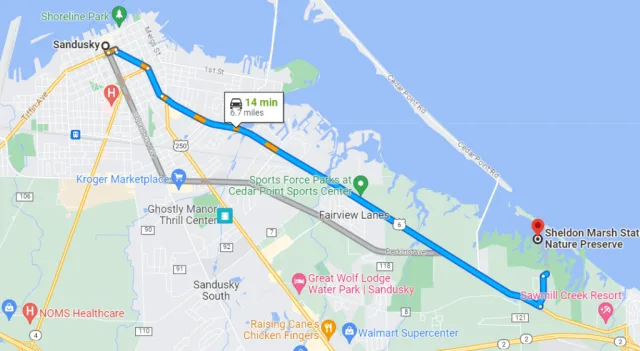
The preserve encompasses approximately 450 acres and consists of a dynamic mosaic of habitats characteristic of the region: a thin sand spit barrier beach protects a large, shallow coastal marsh and a series of successional hardwood forests and shrublands that transition inland. This unique combination of lakefront access, protected marshland, and woodland makes it an irreplaceable ecological bottleneck for avian life, particularly during migratory periods.
The bird watching opportunities at Sheldon Marsh are considered premier in Ohio, especially during the spring and fall migration. Due to its location right on Lake Erie, it serves as an essential stopover point for countless songbirds, as they arrive exhausted from crossing the lake in the spring or prepare for the crossing in the fall. The dense shrub thickets and mature trees are excellent spots for observing numerous species of Warblers (including Bay-breasted and Blackburnian), Vireos, and other neo-tropical migrants.
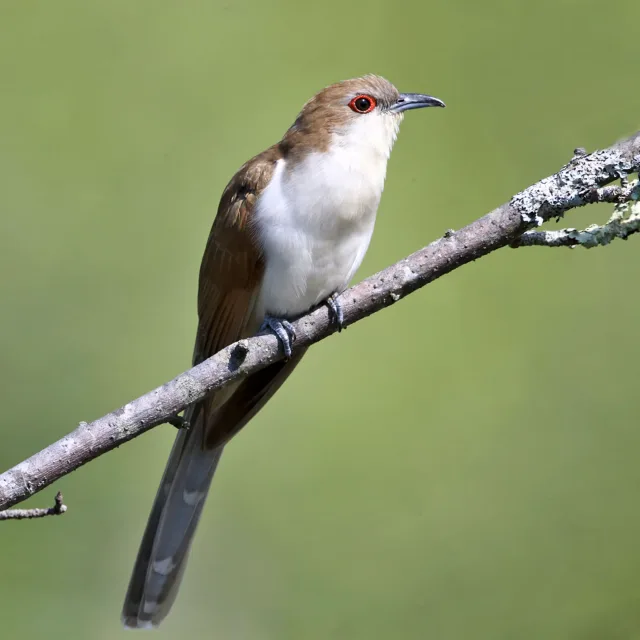
The marsh itself is a haven for waterfowl, rails, and various wading birds, while the sand spit often hosts shorebirds and migrating gulls. The preserve’s commitment to keeping the trails accessible, yet undeveloped, maximizes the chance of witnessing this intense migratory movement.

Target Birds
Acadian Flycatcher
Black-crowned Night Heron
Philadelphia Vireo
Yellow-billed Cuckoo
Common Nighthawk
Scarlet Tanager
Eastern Screech-Owl
The Ohio DNR has nice descriptions of the area along with visitor information.
Wrapping Up
Ohio's position on the southern fringe of Lake Erie ensures its lasting importance as a major ecological nexus for North American birdlife. The true value of birding in the Buckeye State lies in the success of its managed habitats and conserved natural areas, which provide indispensable resources for resident and migrating species alike. This conservation success is exemplified by premier sites across the state. The Cleveland Lakefront Nature Preserve, a formerly industrial brownfield site, has been ingeniously reclaimed as a mosaic of lakefront habitats and shrublands, proving that even degraded urban areas can become vital, rich refuges for migratory songbirds and overwintering waterfowl.
Further inland, the vast grasslands and marsh complexes of the Killdeer Plains Wildlife Area preserve a crucial segment of Ohio’s historic prairie and wetland ecology, making it indispensable for breeding grassland birds and serving as a major staging area for migrating waterfowl and shorebirds. Ultimately, exploring Ohio's birding trail is an engaging journey through proactive habitat restoration, showcasing how focused effort can secure the future of the state's remarkable avian diversity.
