
October is the birding equivalent of a slot machine hitting the jackpot. As the vast majority of summer resident birds vacate the United States, their paths are crisscrossed by a mix of late migrants, arriving winterers, and—most excitingly—rare vagrants blown off course from both the Old World (Eurasia) and the tropics (South America). The October 2025 reporting period, particularly as compiled by the American Birding Association (ABA) and eBird, proved to be an exceptional season, delivering jaw-dropping records that spanned the continent, from New York’s parks to California’s pelagic waters.
Pacific Coast Megas: Seabirds and Asian Drifters
The Pacific Coast lived up to its reputation as a magnet for far-flung rarities, particularly from the west. California birders hit a monumental lottery, securing a first record for the entire ABA Area.
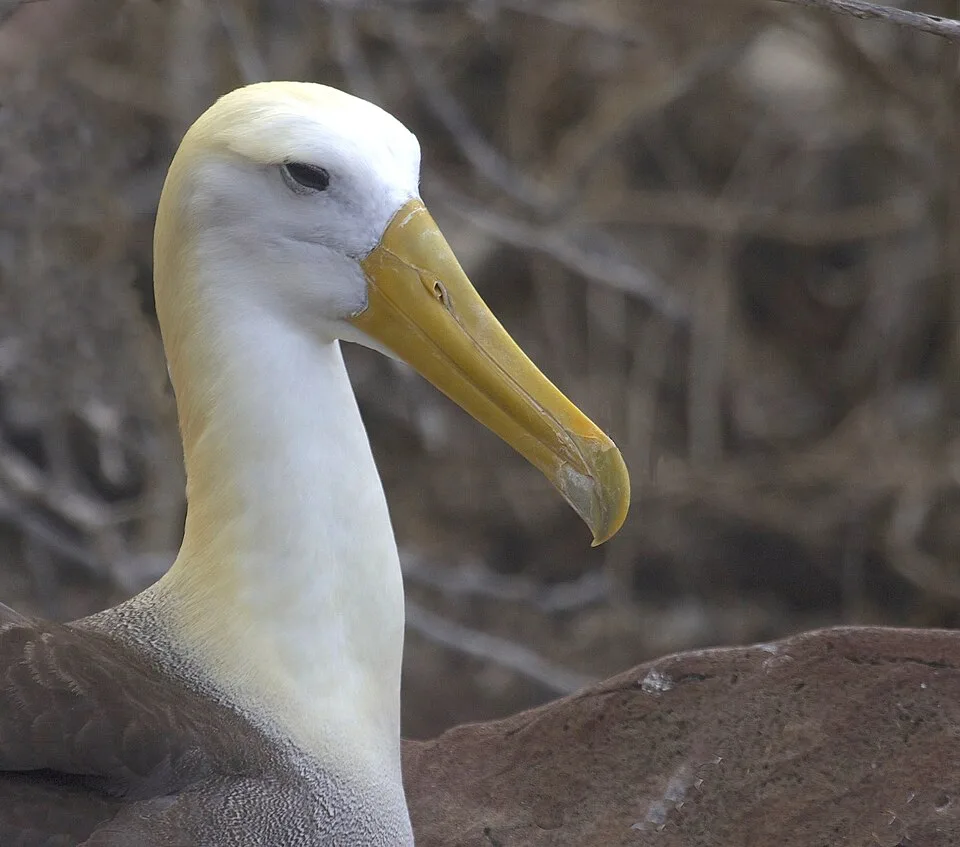
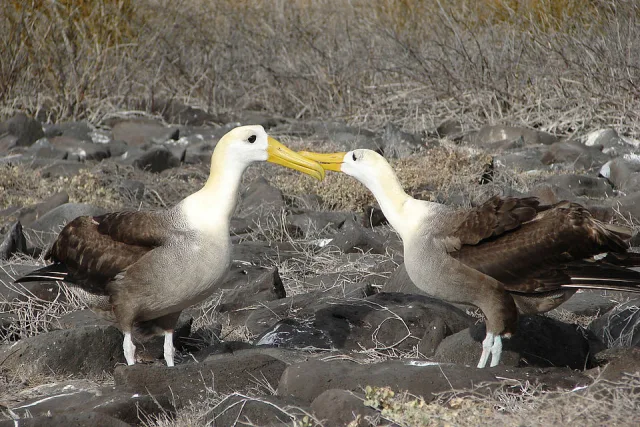
Waved Albatross (ABA Code 5) in California: The highlight of the entire month came from a pelagic trip off Bodega Bay, Marin County, where birders documented a magnificent Waved Albatross. This species famously breeds almost exclusively on the Galápagos Islands and is typically restricted to the waters off South America. This is an ABA-Area first record and represents the farthest north any individual of this species has ever been documented.
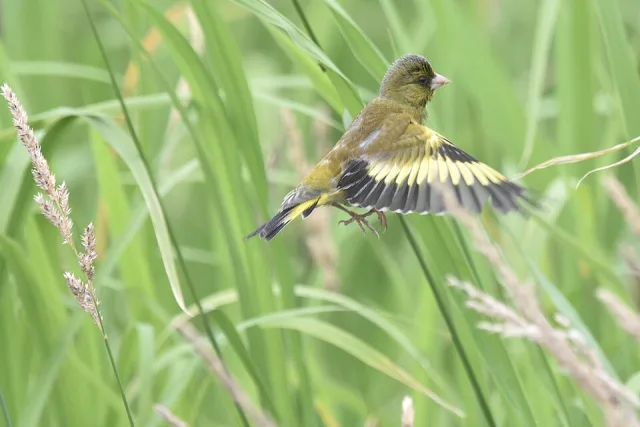
Oriental Greenfinch (4) and Olive-backed Pipit (3) in California: Southeast Farallon Island, a consistent vagrant trap, hosted the state's second Oriental Greenfinch toward the end of the month. California also saw its third Olive-backed Pipit, a species that breeds in East Asia and regularly strays across the Pacific, demonstrating the power of westerly winds in late fall.
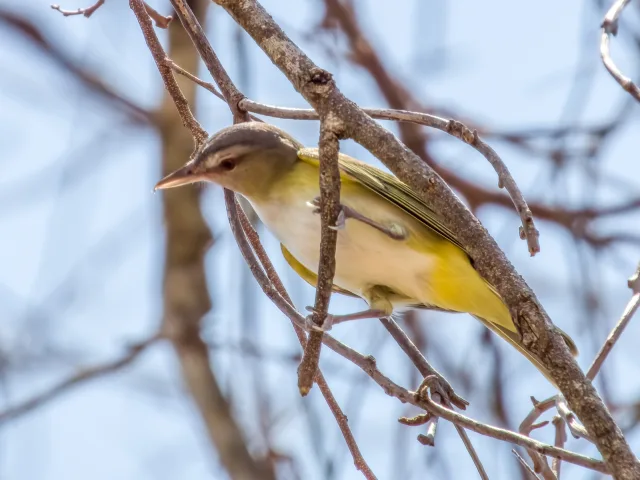
Yellow-green Vireo Influx: The Pacific Northwest experienced a minor Yellow-green Vireo event, with both Washington (in Clallam Co.) and Oregon (in Coos Bay) documenting their respective first records of this typically Central American species, suggesting a significant, shared northward overshoot.
The Atlantic Alarm: European and Caribbean Overshoots
While the Pacific drew its rarities from Asia, the East Coast was abuzz with finds originating from both Europe and the tropics, emphasizing the crucial migratory funnel of the Atlantic Flyway.
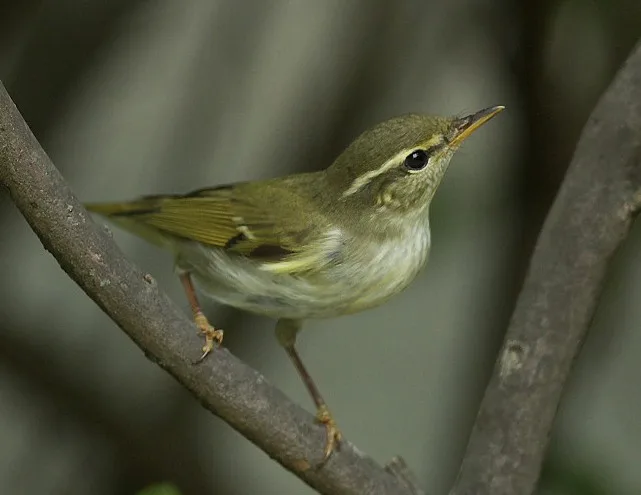
Arctic Warbler (4) in New York: Perhaps the most shocking Old World discovery for the East Coast was New York County’s Arctic Warbler on Randall's Island. Although the species breeds in Alaska, a record away from the Bering Sea is astonishing. This easily overlooked but spectacular vagrant has massive potential for vagrancy across the continent.
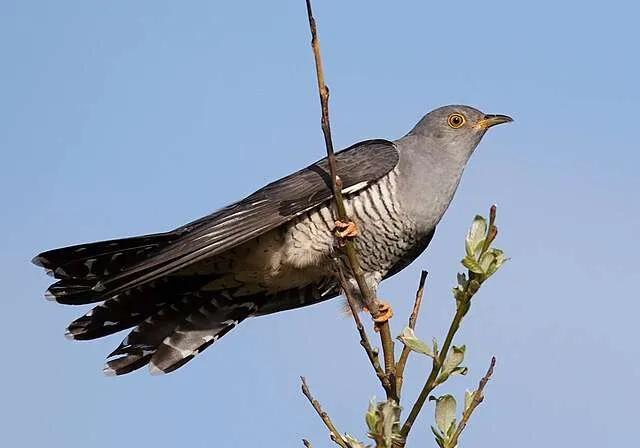
Common Cuckoo (3) in New York: Not to be outdone, a cooperative Common Cuckoo was discovered in Suffolk County, New York, marking the state’s first record. This Eurasian species is annual in western Alaska but is one of the rarest finds in the mid-Atlantic region.
European Golden-Plover (4) in Virginia: A spectacular sighting of a European Golden-Plover in Accomack County marked a first record for Virginia. This species is an increasingly regular, though still rare, vagrant to the Canadian Maritime provinces, making this a significant southerly record on the East Coast.

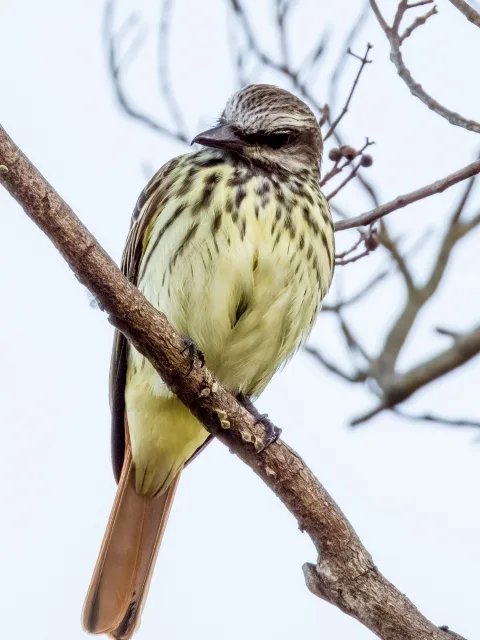
Sulphur-bellied Flycatcher in Florida: Demonstrating the tropical connection, Florida recorded its second Sulphur-bellied Flycatcher in as many weeks in Collier County, an excellent record of a species that breeds in the Southwest and typically winters in South America. Florida also hosted the second occurrence of Small-billed Elaenia within a month, underscoring the state’s role as the final destination for Caribbean vagrants.
Continuing Rarities and Long-Stayers
A few mega-rarities have chosen to stick around, providing multiple states with year-round birding excitement and testament to their ability to adapt outside their normal range.
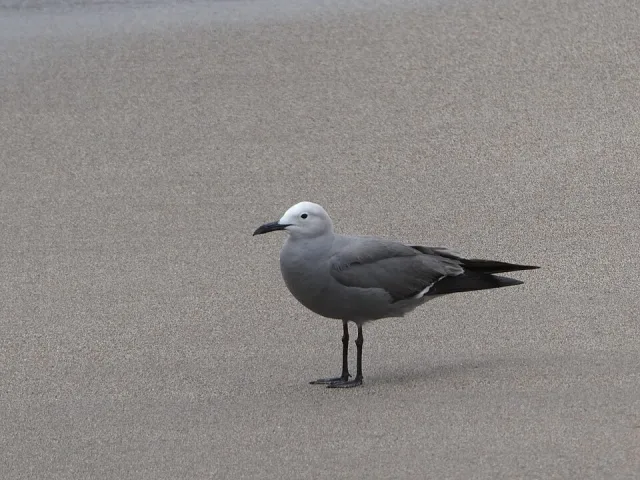
Gray Gull (5) in Florida: The ABA-Area first record Gray Gull continues to be seen in the Florida Panhandle, drawing birders from around the globe to observe this South American coastal species.
Yellow-headed Caracara (5) in Texas and Florida: This extremely rare tropical raptor continues to persist in both coastal Texas and Florida, offering an ongoing challenge for birders tracking its movements.
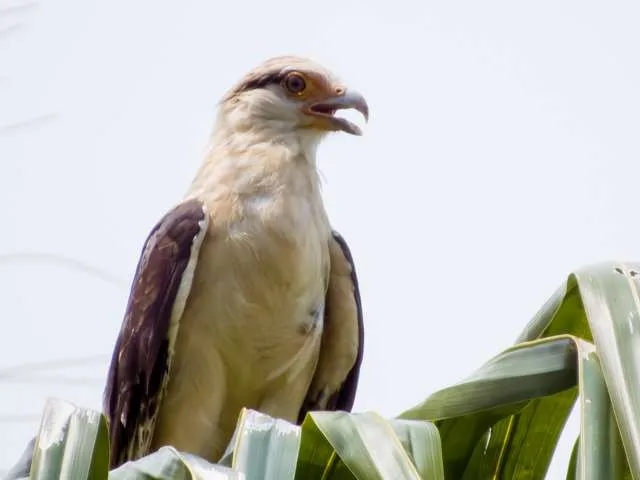
Mottled Owl (5) in Texas: The long-staying Mottled Owl in the Lower Valley of Texas, another tropical species, was reported again, remaining a highly sought-after prize for birders hoping to catch a glimpse of this nocturnal rarity.
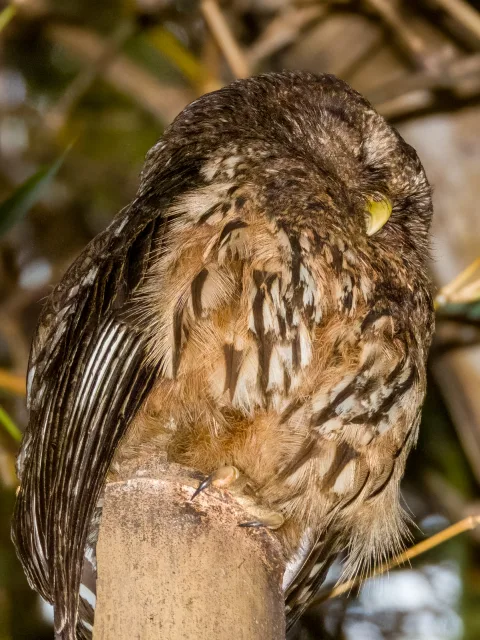
Little Stint (4) in California: This small Palearctic shorebird continued its stay in northern California, allowing multiple birders to catch up with this Old World migrant.

Inland Surprises and Regional Firsts
Vagrancy wasn't limited to the coasts. Inland states provided their own dose of rarity, often challenging long-standing state records.
Marsh Sandpiper (4) in Ohio: Lorain County, Ohio, logged the state’s first-ever Marsh Sandpiper, an incredible find that represents about the fifth record for the ABA Area away from Alaska. This Eurasian shorebird’s appearance near the Great Lakes suggests an exceptional degree of navigational error.

Black Phoebe (5) in Minnesota: Lake County, Minnesota, secured a state first with the sighting of a Black Phoebe. This mostly sedentary flycatcher of the Southwest is a testament to the unpredictable nature of late-season vagrancy, being thousands of miles from its typical range.
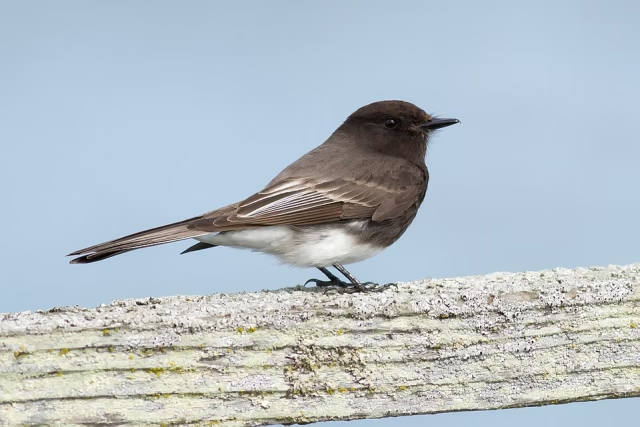
Prothonotary Warbler in Montana: Montana recorded its fourth-ever Prothonotary Warbler in Missoula, a stunning southern warbler far off its eastern migratory track.

Costa's Hummingbird in Nebraska: A fourth state record of Costa's Hummingbird was documented at a feeder in Lincoln, Nebraska, highlighting the increasingly regular appearance of western hummingbirds in the central Plains during the fall.

October 2025 will be remembered as a high-water mark for US vagrancy, a month where sheer luck, dedication, and favorable atmospheric conditions delivered birds from virtually every corner of the globe to the delight of the nation’s birding community.
