
In the birding community, the month of November traditionally marks a transition—a time when summer residents have long since departed for tropical climes and winter specialists begin to settle into their temperate haunts. However, November 2025 proved to be far more than a simple changing of the guard. Across the United States, from the rugged coastlines of New England to the sun-drenched parks of Southern California, an extraordinary influx of rare vagrants and extralimital wanderers made it one of the most memorable months in recent avian history.
The Great Eurasian Incursion in the Northeast
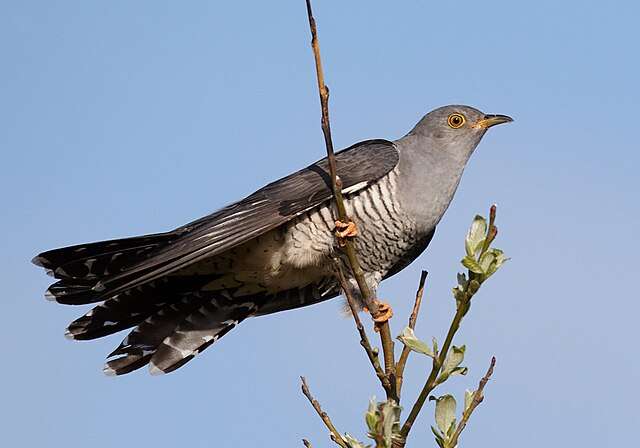
The undeniable centerpiece of the month was a wave of Old World rarities that swept through the Northeast. New York, in particular, became the focal point for birders nationwide. Early in the month, a Common Cuckoo was discovered in Suffolk County, representing only the third record for the Mid-Atlantic and a first for the state. This sleek, long-tailed insectivore—more at home in the forests of Europe and Asia—drew hundreds to a quiet neighborhood cemetery.
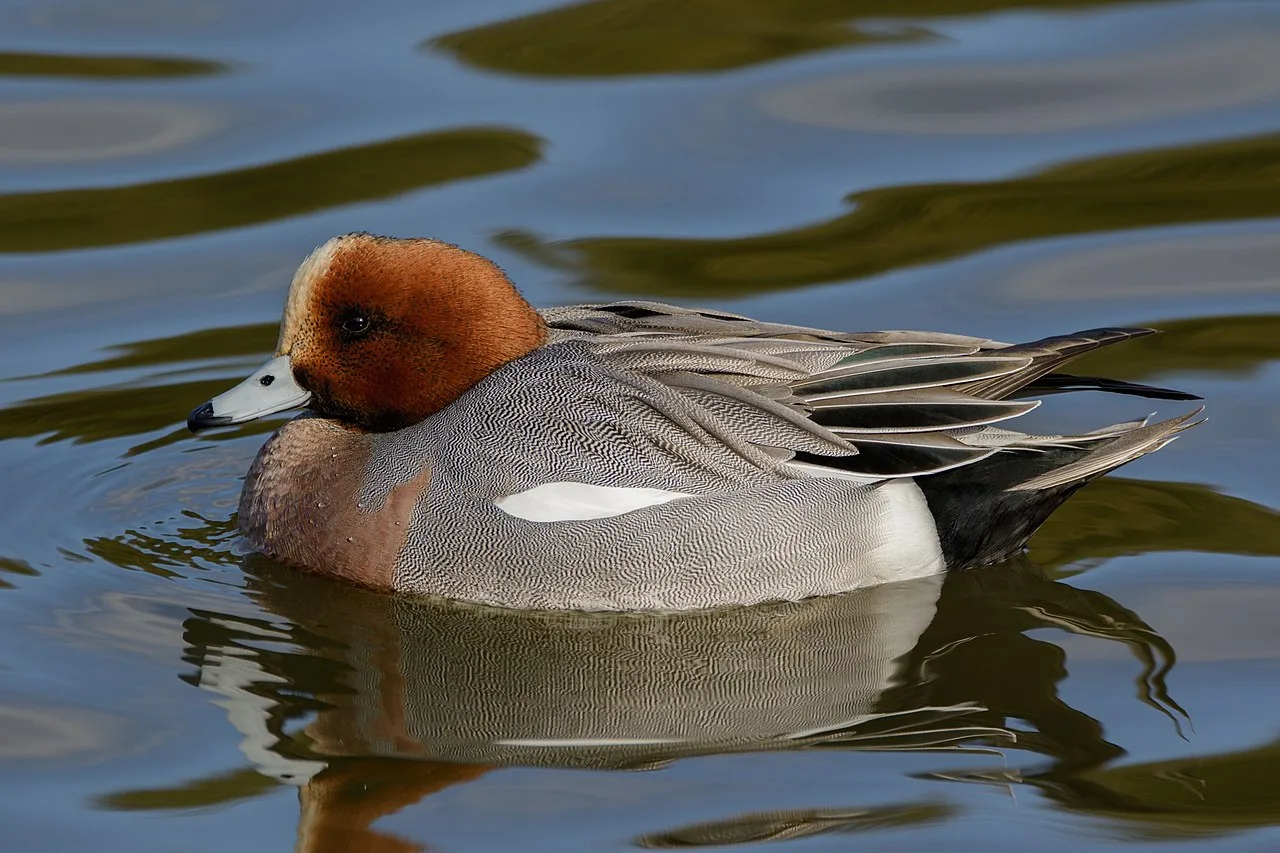
Hot on the heels of the cuckoo, a Tundra Bean-Goose appeared in Oyster Bay, New York. It spent most of the month grazing in local fields alongside flocks of Canada Geese, allowing for side-by-side comparisons that highlighted its distinctive orange-and-black bill. This was accompanied by other high-profile European waterfowl, including a Pink-footed Goose and several Eurasian Wigeon, suggesting a widespread weather pattern had pushed an entire contingent of migrants across the North Atlantic.

Further north in New Hampshire, the rarity trend continued with the state’s first-ever record of a Common Cuckoo in Portsmouth. While short-lived, the sighting reinforced the month’s theme of unexpected Eurasian visitors.
California’s “Month of the Kingbirds”
On the opposite coast, California experienced a remarkable irruption of kingbirds and other flycatchers. Southern California, especially Los Angeles County, reported multiple Thick-billed Kingbirds in Griffith Park. Typically found in Mexico and the extreme Southwest, these large-billed kingbirds have become an annual wintering staple, but having multiple individuals at a single location remained an incredible treat for local enthusiasts.
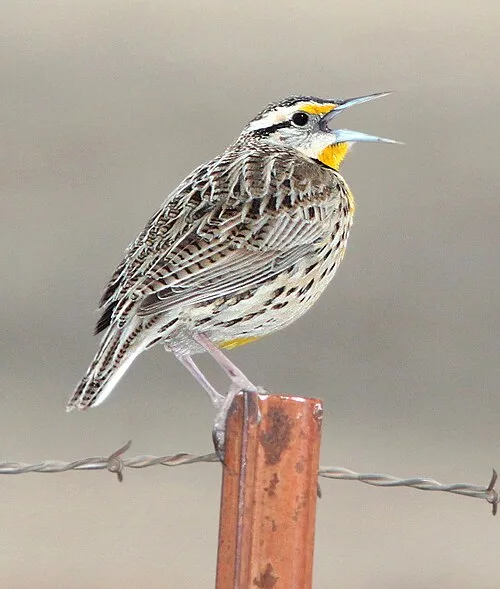
The biggest story from the Golden State, however, was the documented occurrence of a Chihuahuan Meadowlark in Imperial County. Recently split from the Eastern Meadowlark by the American Ornithological Society, this cryptic species was a "state first" for California. Its identification required careful attention to vocalizations and subtle plumage details, highlighting the growing sophistication of the modern birder equipped with high-fidelity recording gear.
The "Texas Two-Step": New Records in the Rio Grande Valley
No summary of rare birds in the U.S. is complete without mentioning Texas, particularly the Rio Grande Valley. November 2025 lived up to the hype, bolstered by the annual Rio Grande Valley Bird Festival. The state’s second-ever record of a Siberian Stonechat (likely the Amur subspecies) was found in Williamson County. This tiny, upright-perching bird provided an encore to a sighting from the previous year, suggesting that this species may be a more regular vagrant than previously assumed.
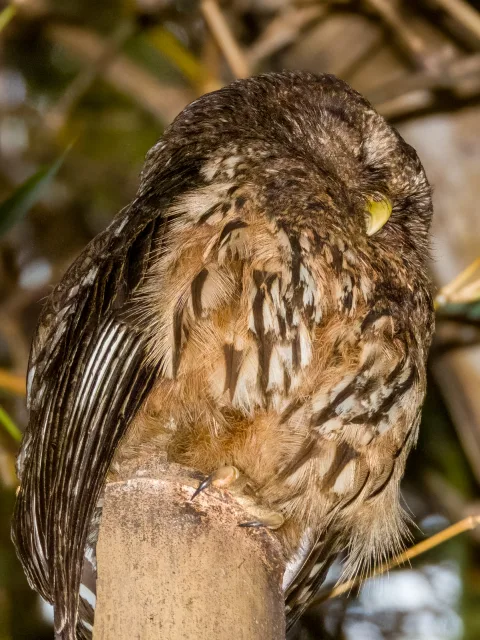
Further south, the long-staying Cattle Tyrant and the elusive Mottled Owl continued to draw crowds. Perhaps most surprising was a Double-striped Thick-knee that turned up late in the month—the second-ever for the ABA Area. This large, ground-dwelling bird with massive yellow eyes is typically found in the dry savannas of Central and South America, and its appearance in Texas sparked a major twitch.
Inland Surprises and Coastal Drifters
The interior states also enjoyed their share of the limelight. In Missouri, a Brambling—a stunning finch from the taiga of Northern Europe and Asia—visited a residential feeder in St. Louis. It was the state’s second record and provided a splash of vibrant orange and black for local watchers. Meanwhile, in Illinois, a Western Flycatcher in Christian County gave midwestern birders a rare opportunity to see an "Empidonax" flycatcher well outside its Rocky Mountain range.
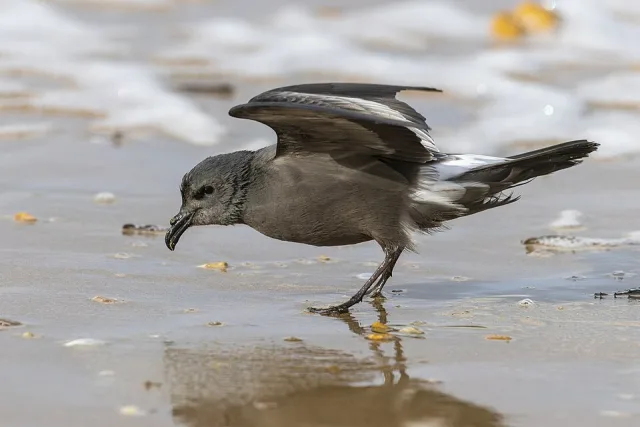
Coastal observers were also kept busy by "pelagic" surprises blown closer to shore by November gales. Offshore waters in the Northeast reported high numbers of Dovekies and Atlantic Puffins, while California birders spotted Leach's Storm-Petrels southwest of the Palos Verdes Peninsula—a rare record for the month.
A Month of Modern Discovery
The rare bird sightings of November 2025 illustrate more than just a series of happy accidents. They reflect a combination of shifting climatic patterns, such as the late-season North Atlantic storms that may have pushed Eurasian species westward, and the incredible connectivity of the modern birding community. With tools like eBird and real-time rare bird alerts, a rarity spotted in a suburban park can be verified and shared within minutes, allowing a single bird to educate and inspire thousands.
As the month closed and the first major snowstorms hit the high plains, the birding world shifted its gaze toward the potential for a winter finch irruption. But for those who spent November chasing shadows in the cloud forests of the South or the windswept shores of the East, the month will forever be remembered as a time when the world's most elusive travelers came home to roost in the United States.
The Winter Spectacle: Where to Spot and Watch Eagles in the U.S.
