

North Carolina's expansive coastline, with its dynamic barrier islands, protected estuaries, and miles of sandy beaches, is a crucial haven for shorebirds. These charismatic, long-legged waders are a central focus of birding in the state, offering year-round excitement for those willing to brave the coastal environment. Finding them, however, depends heavily on understanding the annual migratory schedule and knowing the prime coastal habitats that function as their rest stops, feeding grounds, and nesting territories.
The state’s location makes it a vital part of the Atlantic Flyway, hosting not just summer residents, but immense numbers of transient species moving between their Arctic breeding grounds and their winter homes further south. Birding for shorebirds in North Carolina is therefore a highly seasonal pursuit.
The Seasons of Shorebirding
The presence and abundance of specific shorebirds in North Carolina are dictated by the calendar, which splits the birding year into three distinct phases:
1. Spring Migration (Mid-March to Late May)
This is a time of high energy and rapid passage. Shorebirds returning from Central and South America stop to refuel on North Carolina’s mudflats and beaches before making the final push to their northern breeding grounds.
- Key Species: Look for peak numbers of Semipalmated Sandpipers, Least Sandpipers, and Dunlin. This is also the best time to see transient species in their striking breeding plumage, such as the Red Knot (Calidris canutus), which turns a vibrant brick-red color.
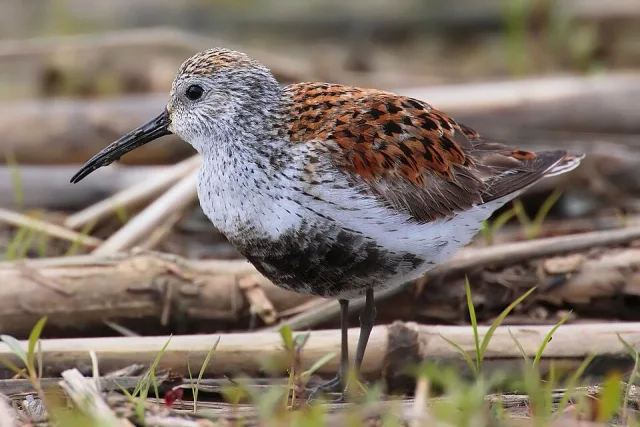
- When to Find Them: The peak window is typically the last two weeks of April and the first two weeks of May. The birds are often highly concentrated in short-grass tidal zones and protected inlets.
2. Summer/Breeding Season (Late May to Early August)
While many species pass through, several critical shorebirds choose North Carolina's protected beaches, sound side flats, and dredge spoil islands to nest. Protecting these nesting areas is paramount, and birders must be mindful of closed-off beach sections.
- Key Species:
- Piping Plover (Charadrius melodus): A federally threatened species that nests on bare sand above the high-tide line.
- Wilson's Plover (Charadrius wilsonia): Distinguished by its thick bill, it nests in the upper beach zone.
- American Oystercatcher (Haematopus palliatus): Easily spotted with its brilliant red bill, it often nests in the same areas as plovers.
- Willet (Tringa semipalmata): A large, noisy wader that nests in salt marsh grasses.
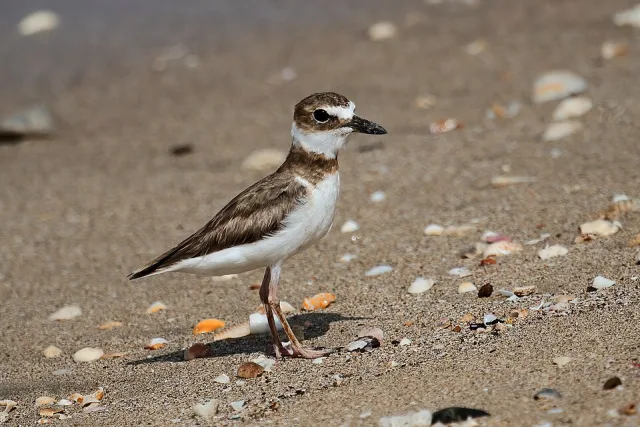
- When to Find Them: June and July offer reliable sightings of these residents. Look for the adults defending their territories or performing distraction displays near their nests. Their presence drops off quickly as the adults begin to leave in July, often before their fledglings.
3. Fall Migration (Mid-July to November)
Fall migration is the longest and most spectacular season, often starting almost before summer ends. Shorebirds begin their southward journey, with many juveniles joining the flow later in the season. This migration is protracted, starting with the early departure of adult females and ending with the late-season arrival of hardy winter residents.
- Key Species: The diversity explodes, bringing back species seen in the spring, often in their duller non-breeding plumage. Look for large flocks of Sanderling (the iconic "trolley bird" that chases the waves), Black-bellied Plover, Short-billed Dowitcher, and various peeps (small sandpipers).
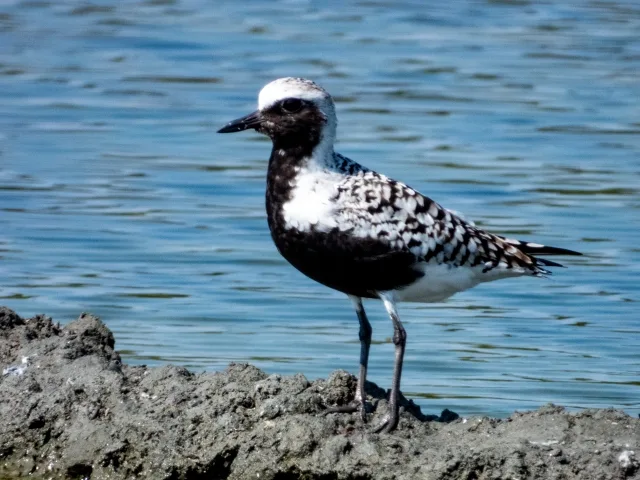
- When to Find Them:
- July and August: Early birds, including adult Lesser Yellowlegs and Short-billed Dowitchers, begin arriving.
- September and October: This is the peak of diversity, bringing in everything from Pectoral Sandpipers to Buff-breasted Sandpipers.
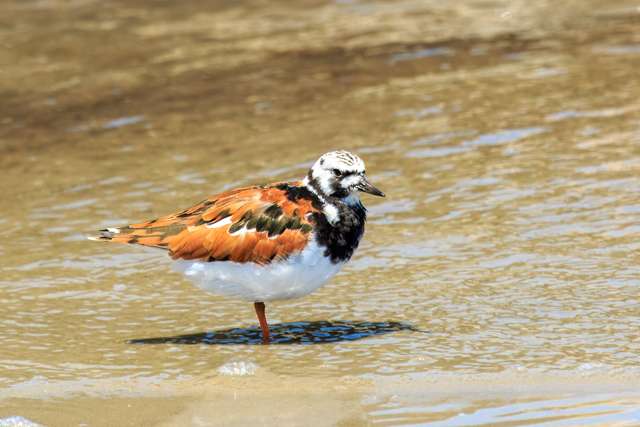
- November: The rush tapers, and the populations of winter residents, like the Dunlin and Ruddy Turnstone, build up.
4. Winter Season (December to Early March)
While diversity is lower, sheer numbers remain high as large flocks of wintering shorebirds utilize the relatively mild North Carolina coast.
- Key Species: Ruddy Turnstone, Dunlin, Sanderling, and Black-bellied Plover dominate the beaches and protected flats. Raptors, such as Peregrine Falcons, are often seen preying on these large flocks.
- When to Find Them: Consistent from December through February. The flocks are often easier to approach when feeding quietly during low tides.
Prime Shorebirding Hotspots in North Carolina
Finding these birds means visiting areas where foraging is easy and disturbance is low. Focus on sites with extensive mudflats, sand spits, and protected inlets.
| Birding Hotspot | Primary Location Type | Best for Finding |
| Bodie Island/Pea Island National Wildlife Refuge | Barrier Island/Dune/Estuary | High diversity during migration; Red Knot, Dunlin, Sanderling. |
| Oregon Inlet Spits | Dynamic Sand Spits/Tidal Flats | Excellent for high-tide roosts and migrating species like dowitchers and stints. |
| Ocracoke Island/South Point | Remote Beach/Protected Inlet | Nesting Piping Plovers and high numbers of migrating peeps. |
| Cape Hatteras National Seashore | Wide Open Beaches/Breeding Areas | American Oystercatcher, Wilson's Plover (must respect closures). |
| Bird Island (Sunset Beach) | Barrier Island/Tidal Mudflats | A critical coastal bird sanctuary with high concentrations of waders. |
| Masonboro Island Reserve (Wilmington area) | Uninhabited Barrier Island | Great for summer residents and species utilizing dredge spoil habitat. |
Shorebird Spotting: Tips and Techniques
Shorebirds can be tricky to identify due to their similar appearances and rapid plumage changes. Success requires patience, the right gear, and understanding their ecology.
1. Tides are Everything
Shorebirds feed most actively on exposed mudflats and sand as the tide retreats.
- Low Tide (Feeding): Plan to bird 2 hours before and 2 hours after low tide. This is when the largest exposed foraging area is available, allowing for closer views as the birds focus on feeding.
- High Tide (Roosting): At the highest tides, birds are pushed off the flats and onto small, elevated spits of land or shells (high-tide roosts). These are excellent places to view large flocks resting in dense groups, often without the constant movement of feeding.
2. Master the Optics and the Field Guide
Shorebirds rarely allow a close approach, so good optics are essential.
- Scope Use: A spotting scope is mandatory for identifying the subtle differences in bill length, leg color, and plumage among the "peeps" (small sandpipers) and plovers.
- Plumage: When identifying, pay close attention to the bill shape and length (long, down-curved, or thick), leg color (yellow, black, or greenish), and the breast pattern (streaked, uniform, or solid black band). Remember to account for the season; a bird in breeding plumage in May will look drastically different from the same species in non-breeding plumage in October.

3. Practice Ethical Birding
Because many North Carolina shorebirds are threatened or endangered, ethical behavior is non-negotiable.
- Respect Closures: During the nesting season (typically April to August), state and federal agencies close off certain beach areas to protect plover and oystercatcher nests. Always obey posted signs and barricades. Never enter a closed nesting area.
- Maintain Distance: If a bird shows any sign of disturbance—raising its head, becoming alert, or starting to walk away—you are too close. Use your optics and avoid flushing large flocks, as this wastes their precious migratory energy.
- Dog Control: Keep dogs leashed and away from areas where birds are feeding or resting.
Featured North Carolina Shorebird: The Red Knot
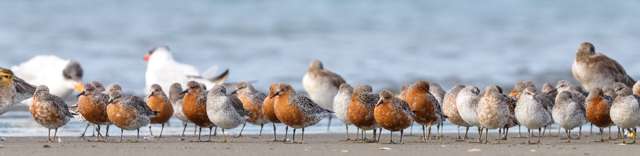
The Red Knot encapsulates the dramatic life cycle of North Carolina's migrating shorebirds. These marathon migrants travel thousands of miles from their breeding grounds in the high Arctic to their wintering spots in places like Tierra del Fuego. North Carolina is a crucial stopover on this journey.
During Spring migration, the Red Knot's survival often hinges on finding high concentrations of horseshoe crab eggs (further north in Delaware Bay) or ample invertebrate life on North Carolina's tidal flats. Spotting an adult in its rich red breeding plumage in May is one of the premier moments in North Carolina birding, reminding the observer of the fragility and sheer endurance of these coastal guardians.
