

In the complex tapestry of North American wildlife, birds represent the largest and most ecologically vital component. But their numbers—from the common backyard visitors to the rarest, struggling species—tell a story far more nuanced than simple observation suggests. Understanding avian population estimates, primarily provided by organizations like Partners in Flight (PIF) and the Cornell Lab of Ornithology, reveals profound ecological truths: the biggest birds are not the most numerous, and the most conspicuous often pale in comparison to the sheer abundance of their smaller, shyer relatives.
This contrast between the "mega-abundant" and the "critically rare" highlights not just natural selection, but also the powerful and often detrimental influence of human activity across the continent.
I. The Mega-Abundant: Small Size, Massive Success
The vast majority of North America's total bird count is monopolized by a handful of species, typically those that are small, adaptable, and generalized in their habitat requirements. Their success is largely due to their ability to exploit a variety of food sources and thrive in the face of human-modified landscapes.
The Top Tier Titans (Populations in the Hundreds of Millions)
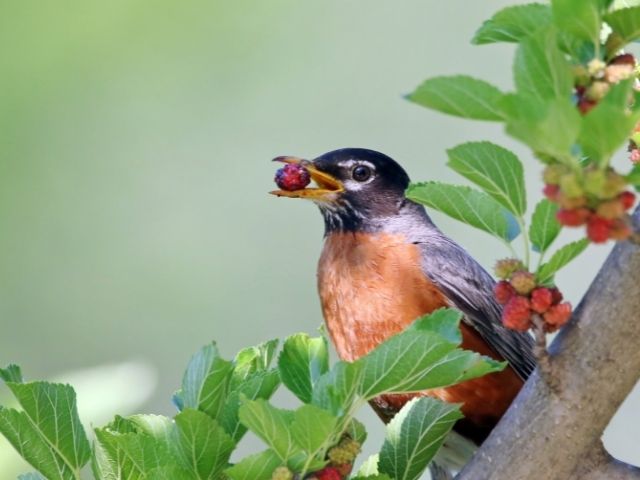
- American Robin (Turdus migratorius): ~370 Million
- The robin is a triumphant success story, dominating the top of the list in recent years. Its ability to adapt to cities, lawns, parks, and diverse forest edges—and its omnivorous diet of insects and fruits—has allowed its population to explode across the continent.
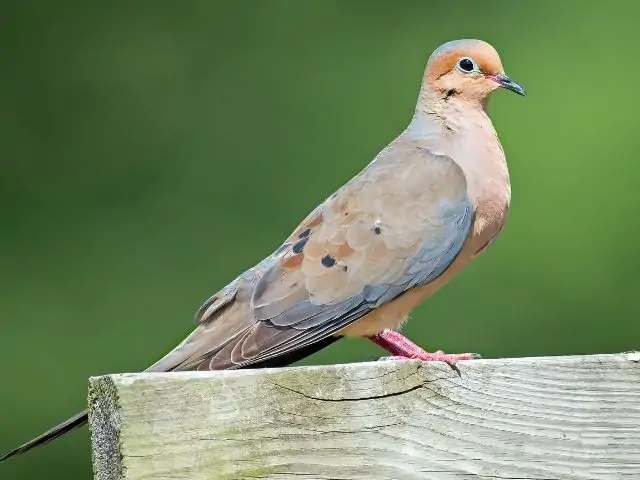
- Mourning Dove (Zenaida macroura): ~350 Million
- This is the most widespread and abundant North American dove. Its success is rooted in rapid breeding (multiple broods per year) and its exploitation of agricultural and residential areas.
- Blue-gray Gnatcatcher (Polioptila caerulea): ~230 Million
- This bird is the perfect illustration of the "unseen majority." It is tiny, constantly flitting high in the canopy, and easily overlooked. Yet, its huge range and ability to thrive in various forest types allows its cumulative population to dwarf many larger, more visible birds.
- Dark-eyed Junco (Junco hyemalis): ~220 Million
- The "snowbird" benefits from having numerous distinct regional forms (subspecies) that collectively occupy nearly every type of forest and shrubland habitat from Alaska to Mexico, making its genetic and numerical pool immense.
- Chipping Sparrow (Spizella passerina): ~210 Million
- Another small, adaptable sparrow that has greatly benefited from the creation of open lawns and suburban parks—ideal places to forage and nest.
The Unexpected Abundant
The sheer numbers of some less conspicuous species are often the most surprising to backyard birders:
- Red-eyed Vireo: Often estimated above 130 million, this small, green bird is a tireless, but visually cryptic, singer in the high canopy of eastern forests. Many people have heard its persistent song but rarely see the bird itself.
- Yellow-rumped Warbler: With estimates around 100 million, this is the most abundant and adaptable warbler in North America. Unlike most warblers, it can metabolize waxes from bayberries and wax-myrtles, allowing it to winter much farther north and giving it a huge survival advantage.

II. The Critically Rare: The Birds on the Brink
At the opposite end of the spectrum are species whose populations are critically small, often numbering in the low thousands or even mere hundreds. These birds typically suffer from severe habitat specialization, low reproductive rates, or acute exposure to human threats.

| Rarest U.S. Bird Species | Estimated Wild Population (Continental U.S.) | Primary Threat |
| California Condor (Gymnogyps californianus) | < 375 (Wild) | Lead poisoning from ammunition; low reproductive rate. |
| Whooping Crane (Grus americana) | ~820 (Total wild population across all introduced groups) | Habitat loss (wetlands); powerline collisions. |
| Gunnison Sage-Grouse (Centrocercus minimus) | ~4,800 | Habitat fragmentation; loss of sagebrush habitat due to energy development. |
| Island Scrub-Jay (Aphelocoma insularis) | ~1,700 | Restricted to a single, small island (Santa Cruz, CA); susceptible to disease/fire. |
| Kirtland's Warbler (Setophaga kirtlandii) | ~2,300 pairs | Only nests in young Jack Pine stands in Michigan; dependent on fire/logging for habitat. |
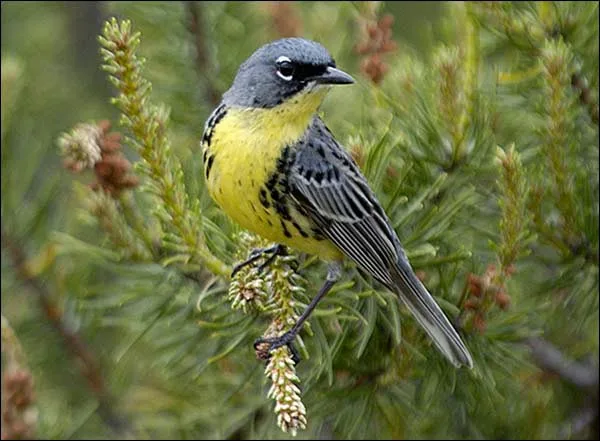
These species are usually ecological specialists—birds that rely on one unique type of environment (like young Jack Pine forests or intact sagebrush) or birds that sit atop the food chain (like the condor). Their small numbers reflect the fragility of their niche and the devastating impact of its destruction.
III. The Unexpected Realities of Avian Demographics
The true surprise in bird population statistics often lies in the disconnect between what is conspicuous and what is truly numerous.
1. The Underestimated Invaders
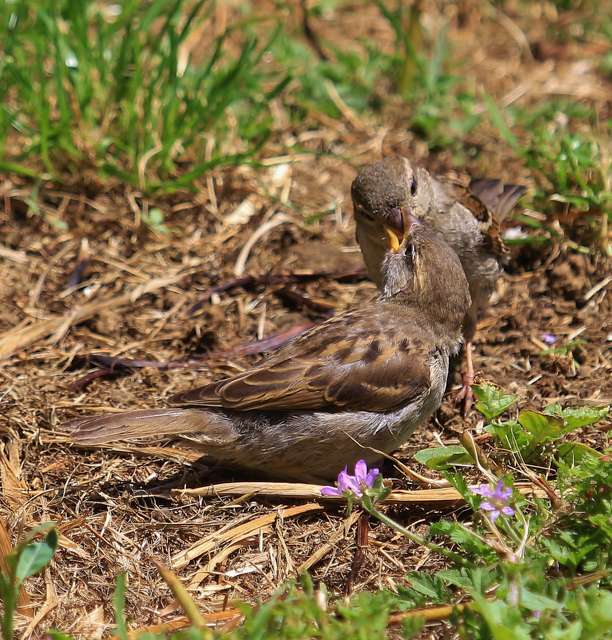
Invasive species like the European Starling and House Sparrow appear to dominate urban parks and parking lots. While they are successful, their total populations often fall outside the top ten, with each estimated around 90–170 million (figures vary by data set). These numbers are huge, but they are dramatically eclipsed by the sheer number of native forest sparrows and vireos that cover a wider geographic area. The invasive birds are concentrated in human settlements, making them locally dominant but continentally less numerous than the wide-ranging natives.
2. The Myth of the Backyard Giant
Birds that feel ubiquitous and numerous—due to their size, sound, and presence at feeders—are often far lower on the list than perceived:
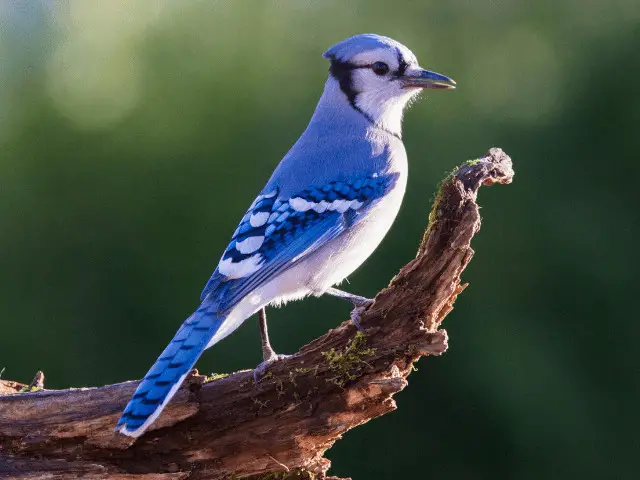
- Blue Jay: Estimated around 17–20 million. Its large size and famously loud, aggressive calls make it seem like an ecological tyrant, but its population is less than a tenth of the American Robin's.
- American Crow: Estimated around 18–28 million. Crows are highly visible, intelligent, and successful at exploiting urban food sources, but they are naturally restricted by their territory needs and place in the food web. Their numbers are far below the small, seed-eating flocks.
- Raptors (e.g., Red-tailed Hawk): All birds of prey exist at extremely low population densities, as they are at the top of the energy pyramid. It takes millions of small birds and rodents to support a few thousand hawks. Their numbers are naturally kept small.
3. The Unseen Decline of the Common Bird
Perhaps the most sobering statistic is not the size of the populations, but their direction. A landmark 2019 study published in the journal Science estimated that North America has lost nearly 3 billion individual birds since 1970—a decline of almost 30% of the total avian population.
Most of these losses came not from the rare birds, but from the most common and abundant species, including sparrows, warblers, and blackbirds. This means that while a bird like the Dark-eyed Junco still numbers over 200 million, its population has suffered a net loss of tens of millions of individuals, highlighting a severe, ongoing crisis affecting the entire food web.
Wrapping Up
In short, avian population estimates are a crucial diagnostic tool. They force us to look past our backyard biases and recognize the true scale of life in the forests and grasslands. The most abundant birds succeed through adaptability and anonymity, while the rarest struggle against shrinking niches. Monitoring both ends of this scale—the huge populations and the tiny ones—is essential for understanding the health of the American ecosystem.
Why House Sparrows Are Bad: Impact on Native Bird Species and Ecosystems
