
While sub-Saharan Africa is famed for its tropical giants, North Africa offers an entirely different, more evocative birding experience. This is a landscape defined by dramatic transitions—where the crashing surf of the Atlantic and Mediterranean meets the jagged peaks of the Atlas Mountains, finally dissolving into the silent, shifting sands of the Sahara.
For the adventurous traveler, North Africa is the ultimate destination for "specialists." It is home to a suite of desert-adapted species, high-altitude endemics, and serves as a vital bridge for millions of birds migrating between Europe and Africa.
The Big Three Habitats
1. The High Atlas Mountains
Rising to over 13,000 feet, these snow-capped peaks are a world apart from the heat of the desert.
The Vibe: Alpine meadows and juniper forests.
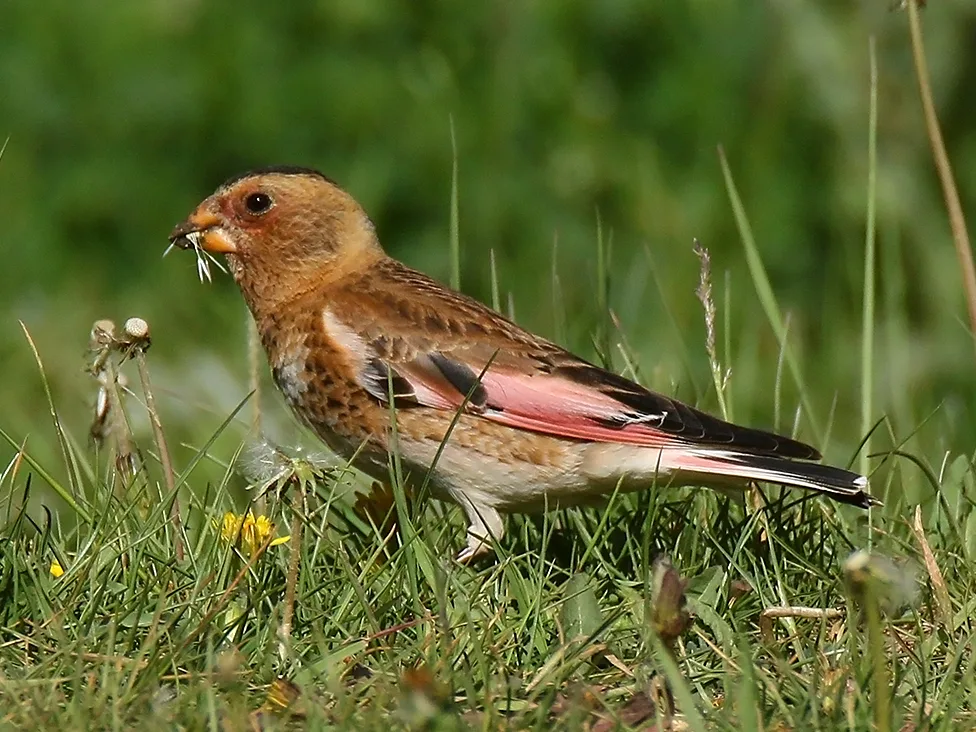
Star Species: The African Crimson-winged Finch (often found near ski resorts like Oukaïmeden) and the Atlas Wheatear. This is also the best place to spot the Bearded Vulture (Lammergeier) soaring over deep limestone gorges.
2. The Sahara Desert and Stone Plateaus (Hamada)
The desert is not "empty" for a birder; it is a masterclass in adaptation.
The Vibe: Vast horizons and shimmering heat haze.
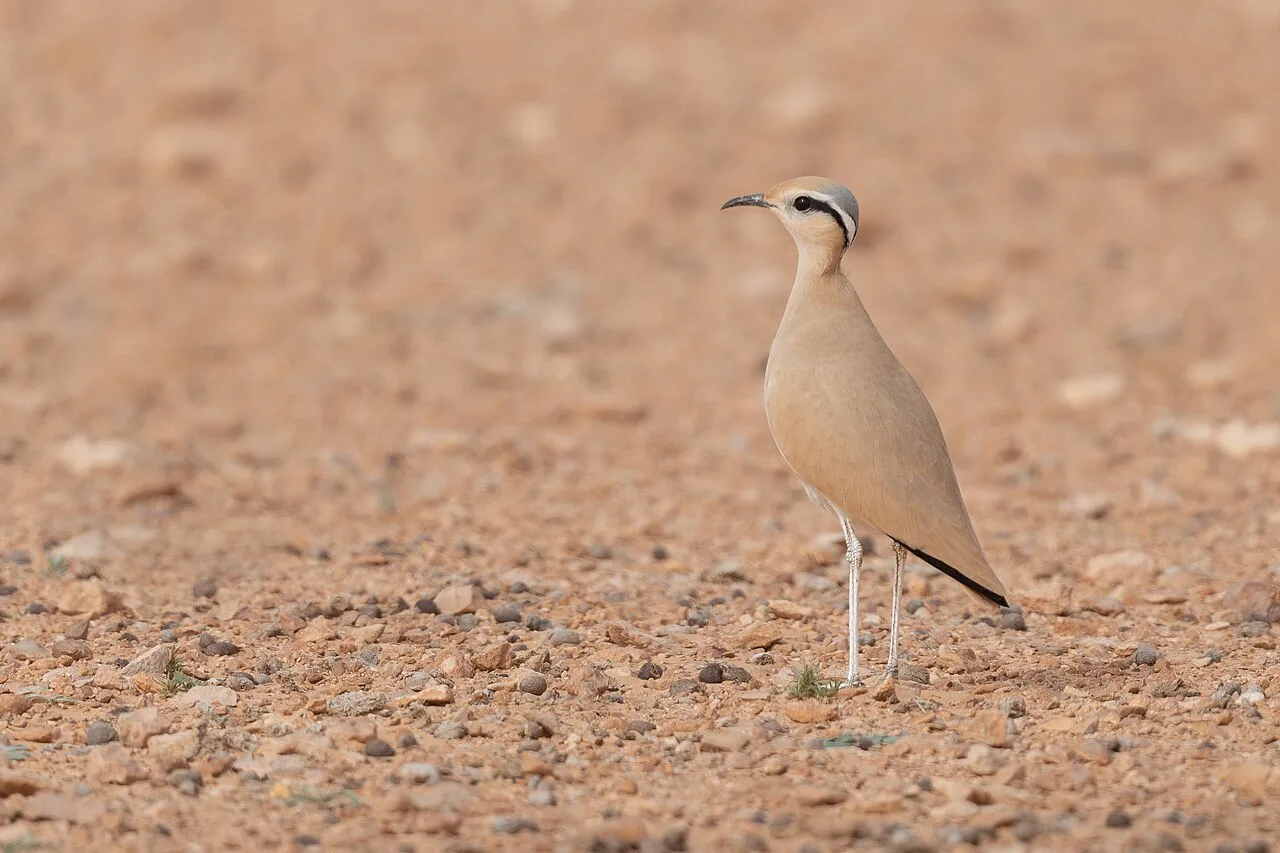
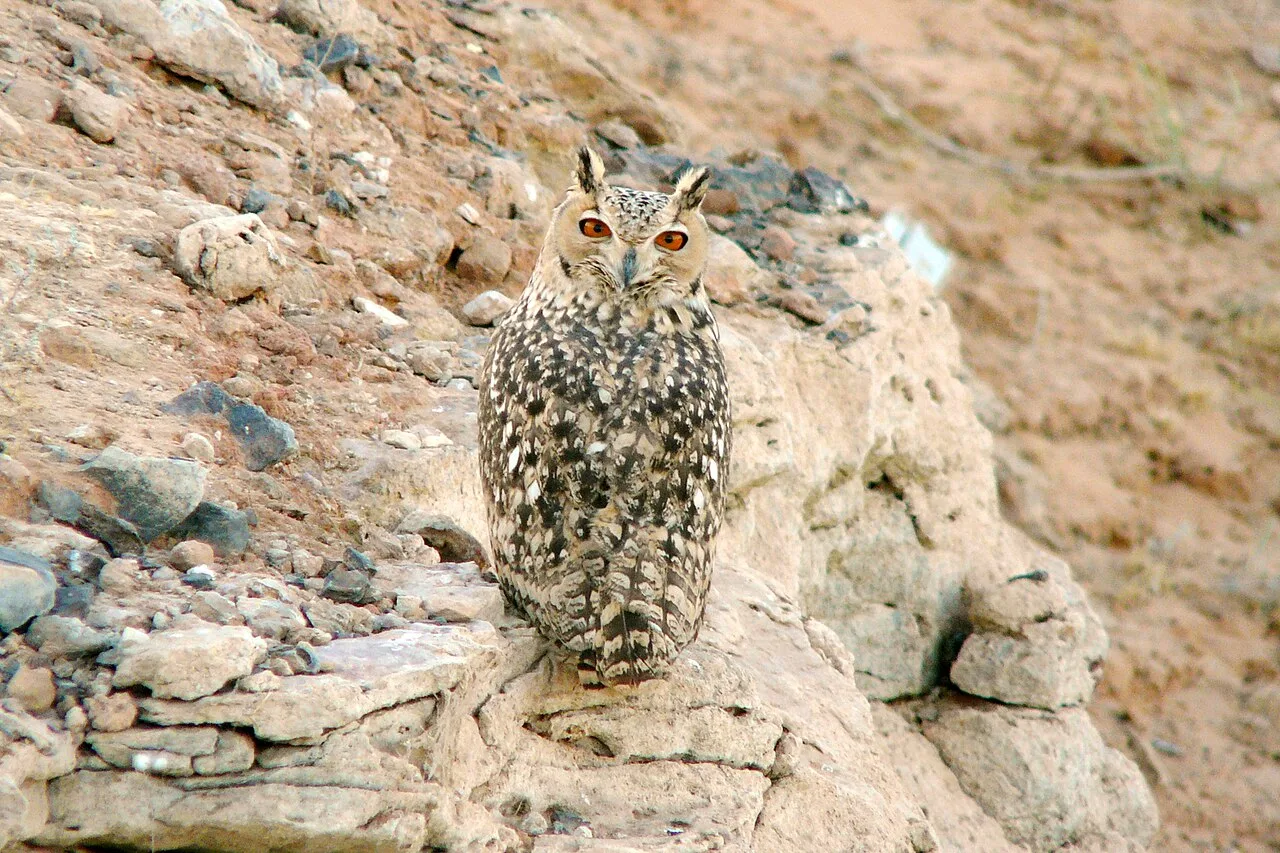
Star Species: The Greater Hoopoe-Lark, famous for its undulating display flight and haunting song, and the Cream-colored Courser. You’ll also find several "desert specialists" like the Desert Sparrow and the Pharaoh Eagle-Owl, which nests in rocky outcrops.
3. Coastal Wetlands and Estuaries
The lagoons of the Moroccan coast and the Nile Delta in Egypt are crucial stopovers for weary migrants.
The Vibe: Breezy, saline marshes teeming with life.
Star Species: The Greater Flamingo and the Audouin’s Gull. In Morocco, the Souss-Massa National Park is world-famous as the last stronghold of the Northern Bald Ibis, one of the rarest birds on the planet.
Species Spotlight: The Desert Specialists
To bird North Africa is to appreciate the subtle beauty of "LBJs" (Little Brown Jobs) that have evolved incredible survival skills.
The Houbara Bustard: A large, shy bird of the desert plains, known for its elaborate, feathered courtship displays.
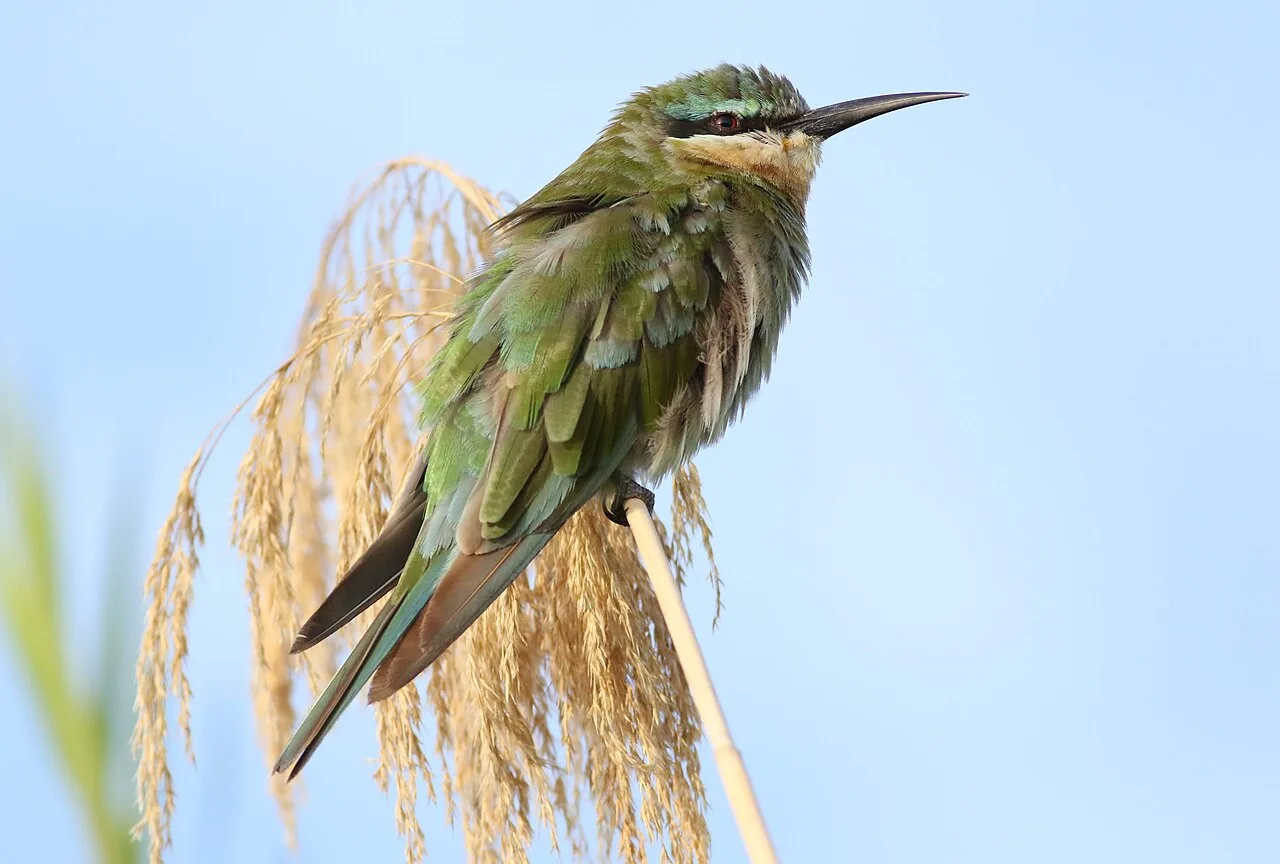
The Blue-cheeked Bee-eater: A splash of vivid green and turquoise against the arid landscape, these birds are often found near oases.
Sandgrouse: Keep an eye out for the Spotted or Crown-edged Sandgrouse. These birds fly miles to find water, soaking their chest feathers to carry liquid back to their chicks.
Planning Your Trip: Logistics for U.S. Travelers
1. Choosing Your Gateway
Morocco: The most popular choice for birders due to its political stability, excellent infrastructure, and high number of Northwest African endemics.
Egypt: Focuses on Nile specialties like the Senegal Thick-knee and the Egyptian Plover (the "Crocodile Bird"), along with incredible raptor migration over the Red Sea.
Tunisia: Excellent for Mediterranean seabirds and vast salt pans filled with flamingos.
2. Entry Requirements (2026)
Visas: U.S. citizens currently do not require a visa for stays under 90 days in Morocco or Tunisia. For Egypt, you can obtain an e-Visa online before departure or a visa-on-arrival at the airport for a small fee.
Language: While Arabic is the official language, French is widely spoken in Morocco and Tunisia, and English is common in Egyptian tourism hubs.
Currency: Morocco uses the Dirham (MAD), and Egypt uses the Egyptian Pound (EGP). These are closed currencies, meaning you should exchange your money upon arrival and spend it before you leave.
3. When to Go
The Spring (March to May): This is the gold standard. You get the resident desert birds in full song, plus the spectacular northward migration of European birds crossing the Mediterranean.
The Winter (December to February): A great time for seeking out mountain species and избежав the intense desert heat, though nights in the Sahara can drop below freezing.
Top Lodging & Experiences
| Destination | Name | Birding Highlight |
| Agadir, Morocco | Souss-Massa National Park | The legendary Northern Bald Ibis. |
| Merzouga, Morocco | Kasbah Mohayut | Edge-of-the-Sahara birding for Desert Sparrows and Egyptian Nightjars. |
| Luxor, Egypt | Nile River Cruises | Seeing the Egyptian Goose and African Skimmer from the deck. |
| The Rif Mountains | Chefchaouen | Looking for the rare Maghreb Tawny Owl in the cork oak forests. |

Expert Travel Tips
The "Migrant Trap" Strategy: If you are visiting in spring, any green patch—a hotel garden, a city park, or a desert oasis—can be filled with "fallen" migrants like Common Redstarts and Subalpine Warblers.
Respect the Sun: The North African sun is relentless. High-SPF sunscreen and lightweight, long-sleeved "safari-style" clothing are better than shorts and a T-shirt.
Hire Local: In the desert, a local guide isn't just helpful for finding birds; they are essential for navigating the unmarked tracks of the sandy ergs.
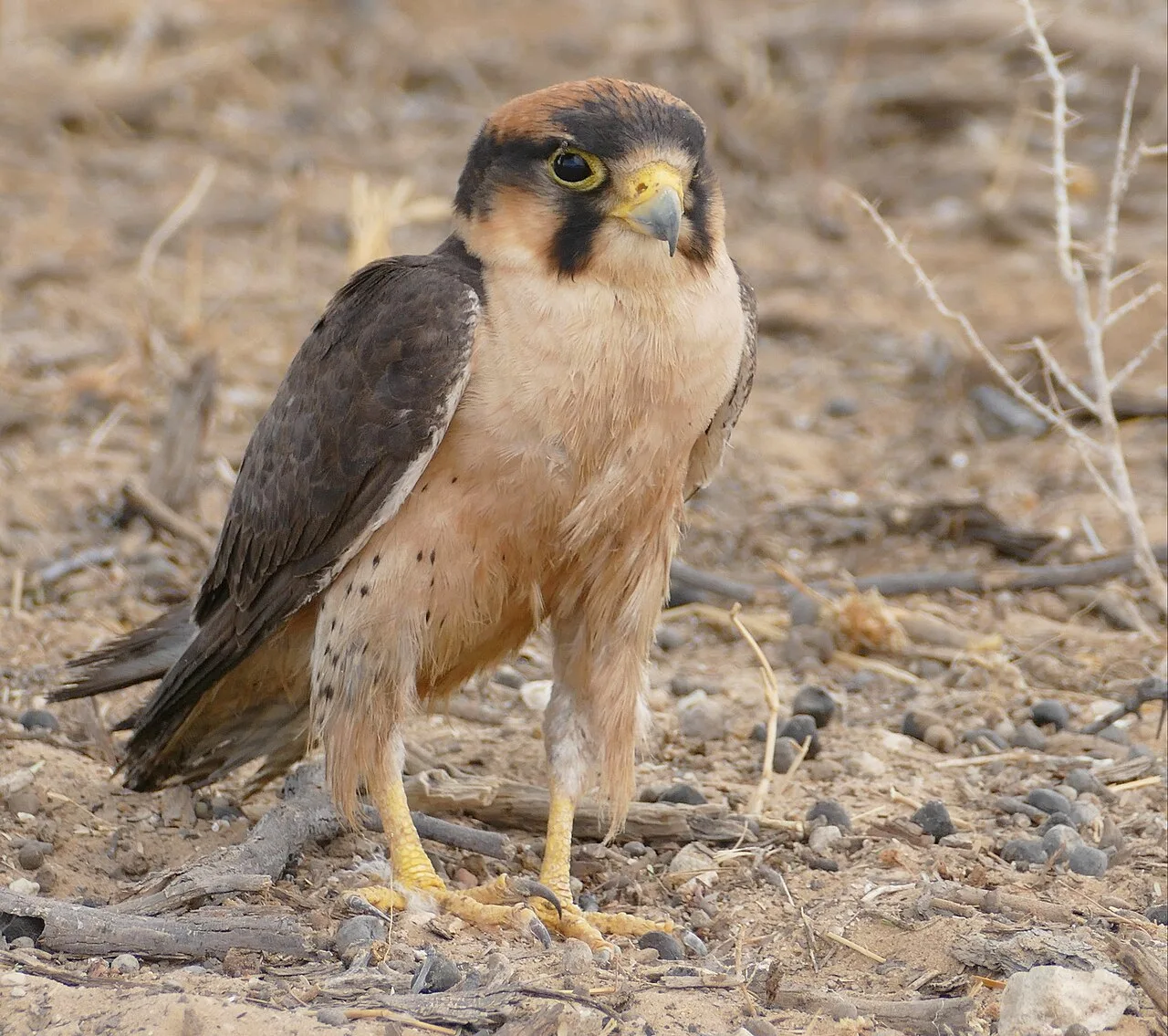
North Africa offers a sense of ancient history intertwined with natural history. There is something profoundly moving about watching a Blue-cheeked Bee-eater perch on a crumbling Roman ruin, or seeing a Lanner Falcon hunt over a medieval mud-brick kasbah. It is a destination that proves the desert is anything but empty.
