
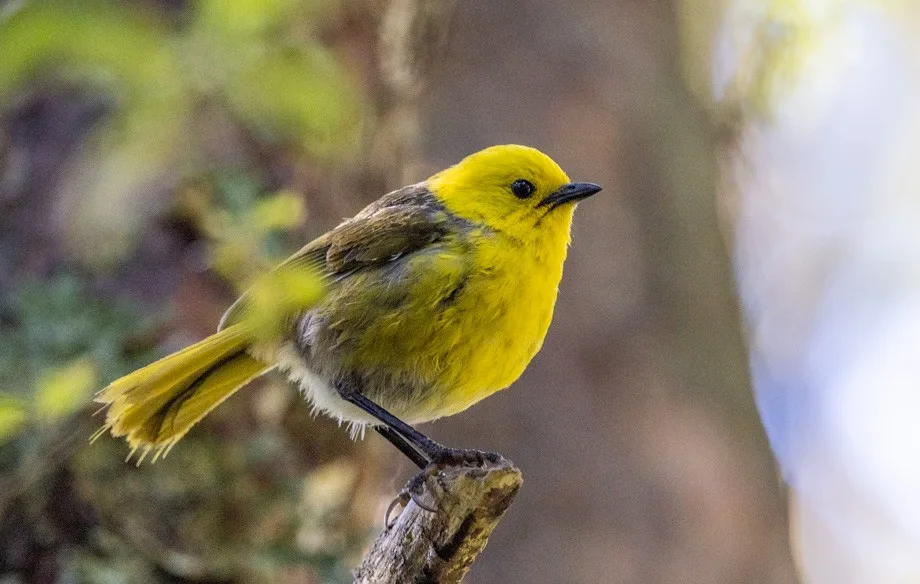
New Zealand is an evolutionary time capsule. Isolated for 80 million years, these islands developed a birdlife unlike anywhere else on Earth. Before humans arrived, there were no land mammals—meaning birds evolved to fill every ecological niche. The result? A cast of avian characters that are often flightless, nocturnal, and incredibly charismatic.
For the American traveler, New Zealand offers a "Middle-earth" backdrop of glacial fjords, volcanic plateaus, and ancient temperate rainforests. It is a destination where birding feels less like a hobby and more like a treasure hunt for living fossils.
The Icons: New Zealand’s "Big Three"
You cannot visit Aotearoa (the Māori name for New Zealand) without seeking out its most famous residents:
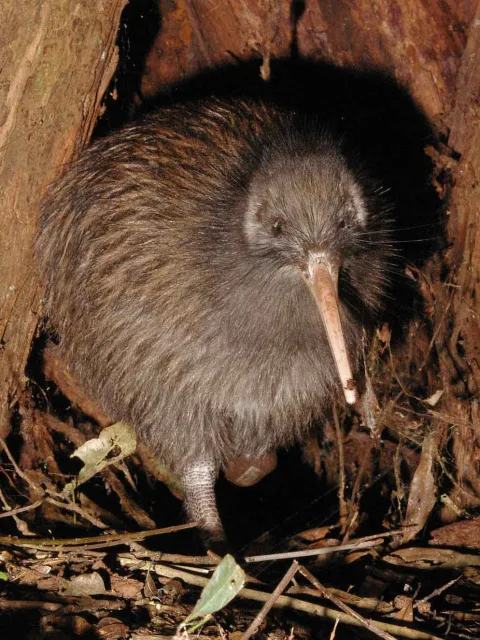
The Kiwi: The ultimate prize. There are five species, all flightless and nocturnal. They are more like "honorary mammals" with hair-like feathers and nostrils at the end of their long beaks. Seeing one in the wild—snuffling through the leaf litter—is a spiritual experience for any birder.
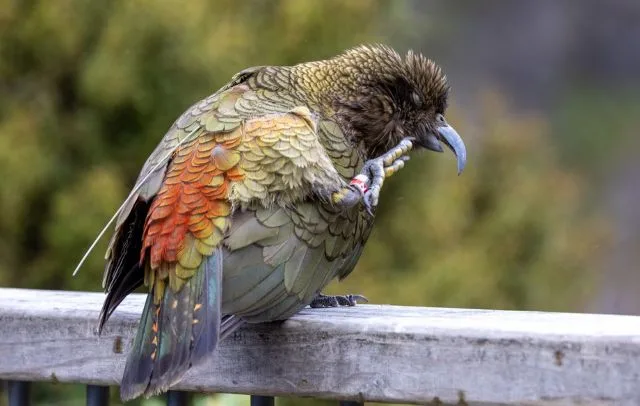
The Kea: The world’s only alpine parrot. Found in the Southern Alps, these olive-green birds are famous for their intelligence and "cheeky" behavior (they are known to dismantle the rubber seals on rental cars). When they fly, they reveal a flash of brilliant scarlet under their wings.
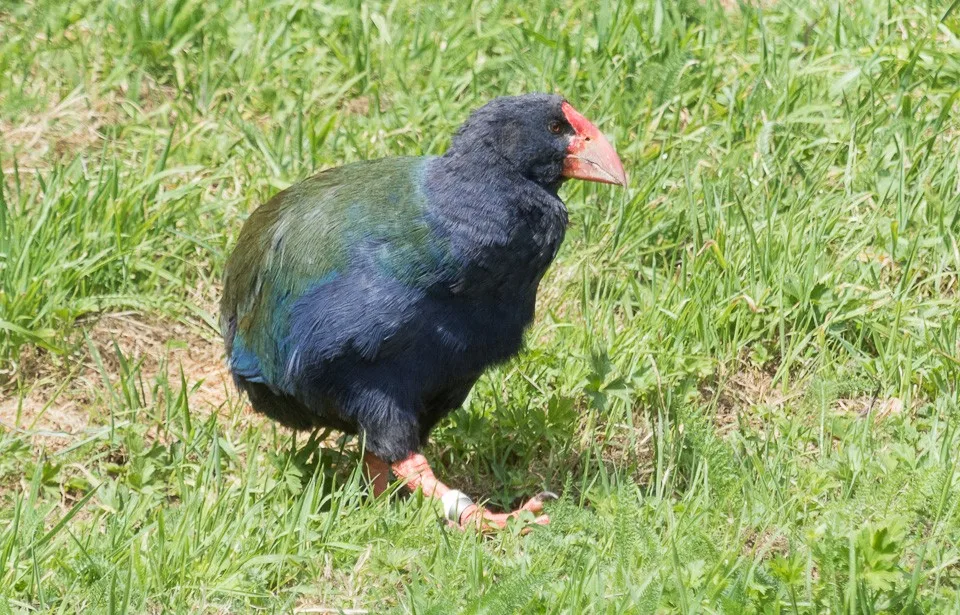
The Takahe: Once thought to be extinct, this massive, flightless blue-and-green rail was rediscovered in 1948 in a remote mountain range. It looks like a prehistoric, oversized hen and is one of the rarest birds in the world.
North Carolina – Outer Banks Seabirding & Pea Island Wildlife Refuge
Essential Birding Hotspots
New Zealand’s birding is unique because much of the best viewing happens on "Island Sanctuaries"—predator-free havens where native species can thrive without threat from introduced rats or stoats.
1. Tiritiri Matangi Island (Near Auckland)
Just a short ferry ride from the country’s largest city, this island is a conservation success story.
The Vibe: An open-air aviary where birds are unafraid of humans.
Key Species: The North Island Saddleback (Tieke), the hauntingly beautiful Kōkako, and the Stitchbird (Hihi).
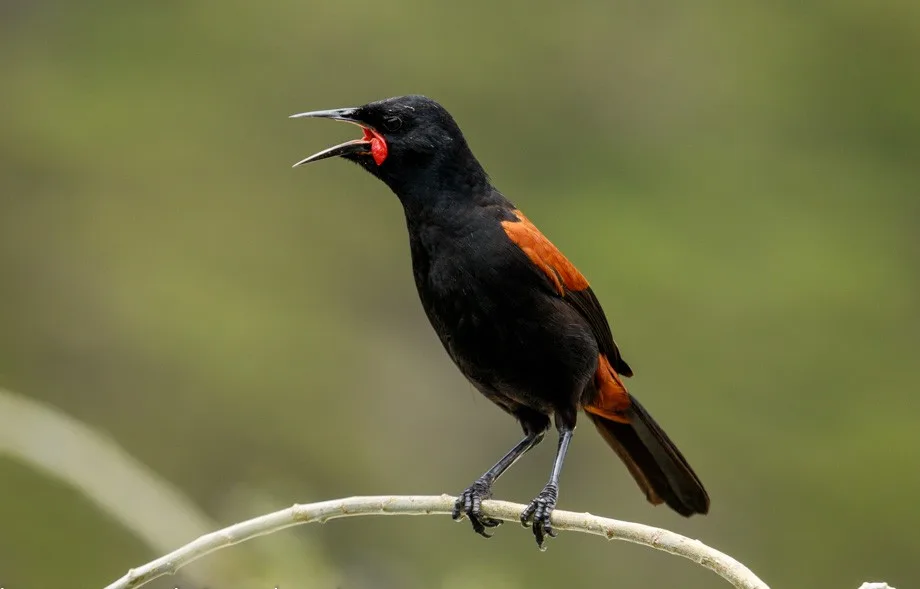
2. Zealandia (Wellington)
Located just 10 minutes from the capital’s downtown, this is the world’s first fully fenced urban ecosanctuary.
The Vibe: Accessibility meets high-stakes conservation.
Top Tip: Take the Night Tour. This is one of the most reliable ways to see the Little Spotted Kiwi and the ancient Tuatara (a "living dinosaur" reptile).
3. Stewart Island / Ulva Island (The Deep South)
At the very bottom of the South Island lies Stewart Island.
The Vibe: Rugged, wild, and remote.
Key Species: This is arguably the best place in the country to see the Southern Brown Kiwi (Tokoeka), which sometimes even ventures out during the day. Ulva Island, a short boat ride away, is a chorus of Tui and Bellbirds.
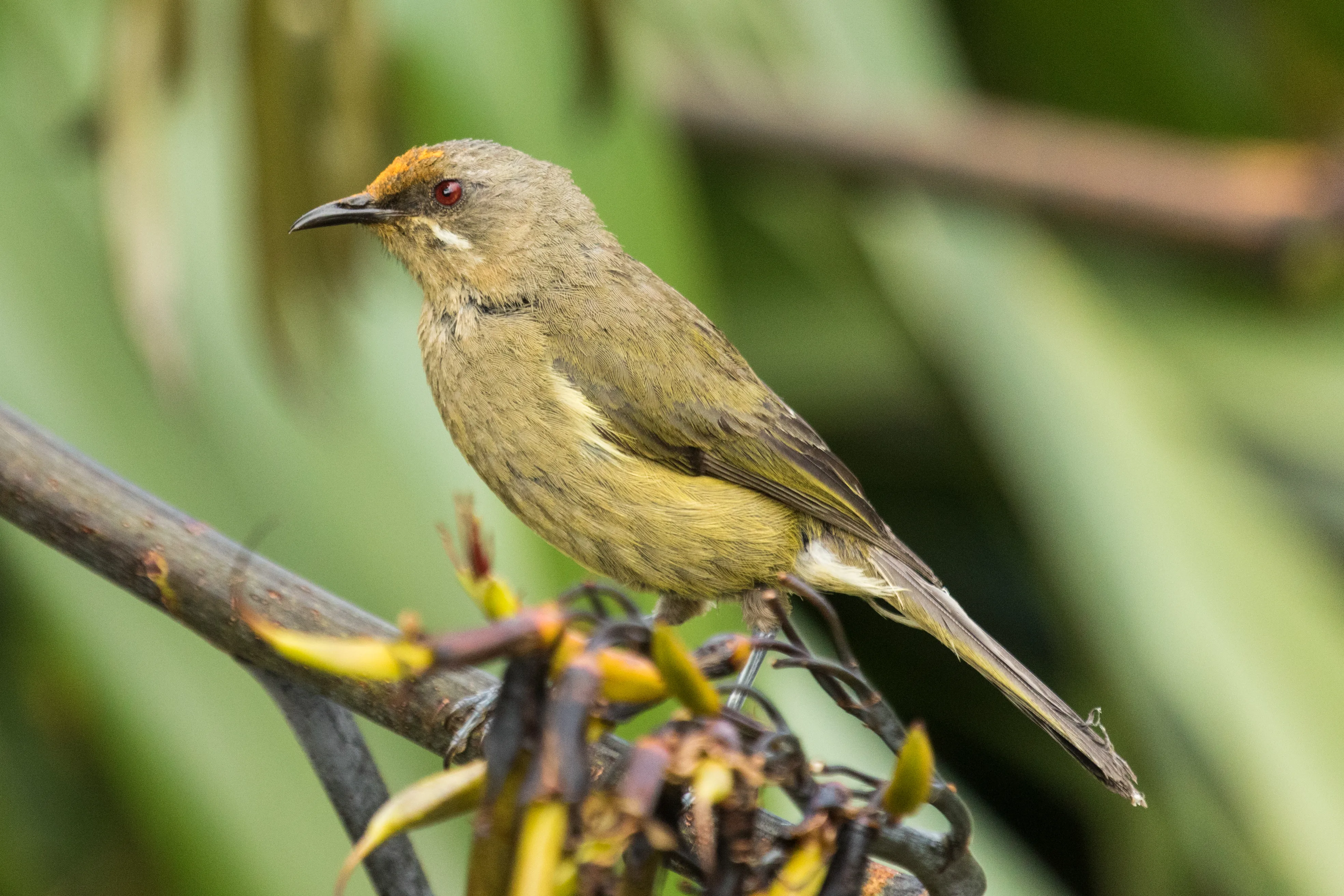
4. Kaikōura (Seabird Capital)
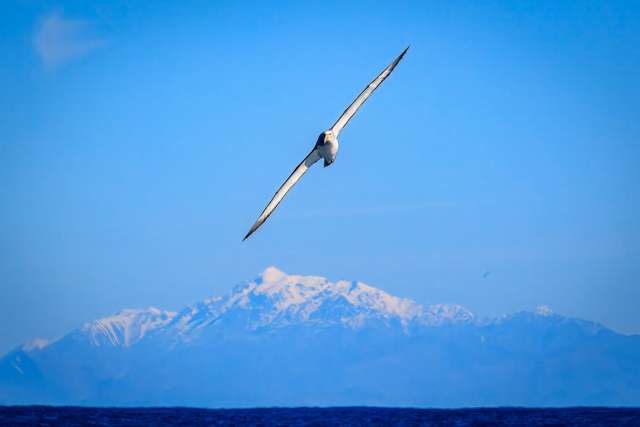
For those who love the ocean, Kaikōura is unmatched. The deep underwater canyon just offshore brings nutrients to the surface, attracting a staggering array of pelagic birds.
Key Species: Multiple species of Albatross (including the Great Wandering Albatross with its 10-foot wingspan), Petrels, and Shearwaters.
Planning Your Trip: Logistics for U.S. Travelers
1. Entry Requirements (Vital for 2026)
Traveling to New Zealand is straightforward, but you must handle the paperwork before you head to the airport.
NZeTA: U.S. citizens do not need a traditional visa for stays under 90 days, but you must apply for a New Zealand Electronic Travel Authority (NZeTA). It usually takes 72 hours to process.
IVL: When you apply for your NZeTA, you will also pay the International Visitor Conservation and Tourism Levy (IVL), which directly funds the conservation projects that protect the birds you’re coming to see.
Biosecurity: New Zealand has the strictest biosecurity in the world. Clean your hiking boots. If there is even a speck of dirt or a stray seed from a U.S. trail on your shoes, you will be fined. Declare all outdoor gear upon arrival.
2. When to Go
Spring (September to November): Peak "Dawn Chorus" season. The birds are breeding and at their most vocal.
Summer (December to February): Best weather for hiking and pelagic boat trips, though it is the busiest tourist season.
Autumn (March to May): Stable weather and fewer crowds, excellent for forest birding.
Top Lodging & Experiences
| Location | Name | Birding Highlight |
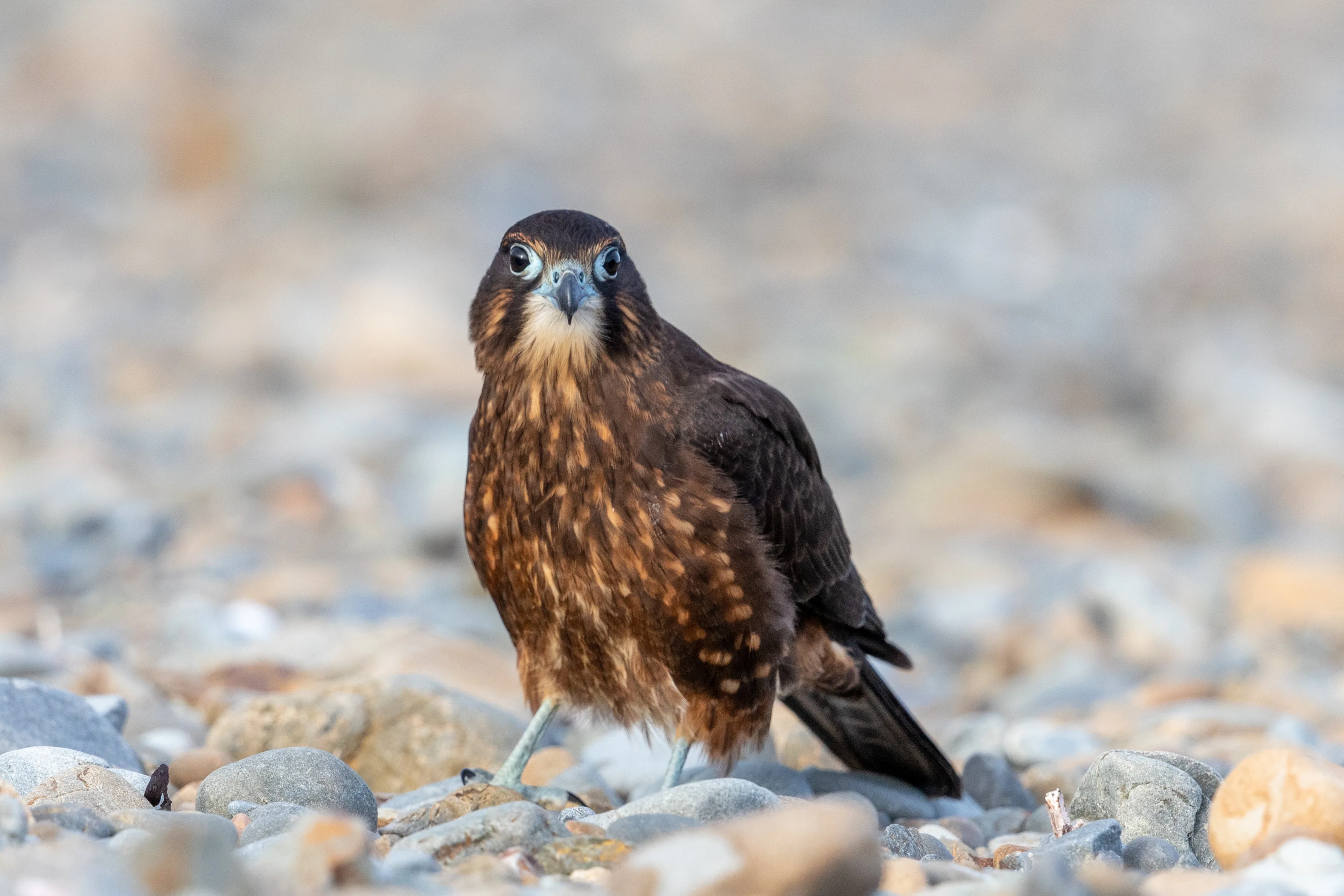
| Rotorua | Wingspan National Bird of Prey Centre | See the NZ Falcon (Kārearea) in flight. |
| Dunedin | Royal Albatross Centre | The only mainland breeding colony of Northern Royal Albatross in the world. |
| West Coast | Lake Moeraki Wilderness Lodge | Prime location for the rare Fiordland Crested Penguin. |
| Miranda | Pūkorokoro Miranda Shorebird Centre | Thousands of Godwits and the unique Wrybill (the only bird with a beak that curves sideways). |
A Note on the "Dawn Chorus"
Early European explorers described the sound of New Zealand’s forests as "deafening." While habitat loss and predators reduced that volume over the centuries, the island sanctuaries have brought it back. Standing in a New Zealand forest at sunrise, listening to the chime-like notes of the Bellbird and the complex melodies of the Tui, is a sonic experience that rivals any visual spectacle in the Pantanal or Ecuador.
Are you planning to focus your trip on the North Island's forest endemics, or are you more interested in the South Island's alpine and pelagic species?
The Comical Clowns of the Coast: Puffins of the United States
