
New York State, a region celebrated for its bustling urban centers and wild Adirondack peaks, holds a critical secret for birdwatchers: it is one of the most important convergence zones on the entire Atlantic Flyway. The state’s unique geography—from the Great Lakes and Lake Champlain to the Atlantic Ocean—creates a series of topographical funnels that channel millions of migratory birds. At the heart of this system lies the Hudson River Corridor, a vast valley stretching from the Adirondacks south to New York Harbor. This corridor acts as an avian superhighway, making New York one of the most dynamic and crucial stopover points for species traveling between the boreal forests of Canada and the tropical wintering grounds of Central and South America.
Birding in New York is defined by two spectacular seasons: the dense coastal concentrations in the fall, particularly on Long Island and Staten Island, and the magnificent spring warbler passages through the deciduous forests lining the Hudson River. This confluence of eastern and northern species, funneled by water and mountain ridges, offers an unparalleled density of avian life.
The Hudson Valley: A Topographical Funnel
The Hudson River, far more than just a river, is an elongated fjord—a deep, ancient valley carved out by glaciers and sea erosion. This north-south alignment is the key to its ornithological significance. The valley creates a natural migratory route, particularly for large birds that rely on thermal lift and winds.
Raptor Migration: The ridges flanking the Hudson Valley, such as the Kittatinny Ridge (part of the larger Appalachian system), produce strong updrafts when wind hits them. This makes the valley a world-class site for viewing raptor migration. Sites like Hook Mountain (part of the Palisades Interstate Park system) and Mount Peter Hawk Watch become global focal points in the fall (September through November). Observers routinely tally thousands of birds of prey, including spectacular flights of Broad-winged Hawks, Sharp-shinned Hawks, and American Kestrels. The sight of dozens of raptors circling together in a kettle—waiting for a thermal to carry them south—is one of the great spectacles of North American birding.
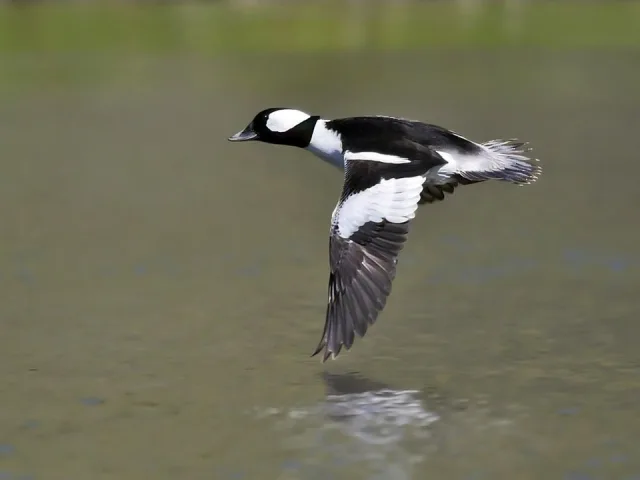
Waterfowl: The river itself and its extensive estuary are magnets for waterfowl. The Tivoli Bays Wildlife Management Area and other marshes along the river's edges provide essential resting and feeding habitat. During the winter and migration, the open water hosts large numbers of diving ducks like Canvasbacks, Redheads, and Buffleheads, supplementing the numerous dabbling ducks found in the shallows.
Coastal Migration Traps: Long Island and NYC
The southern terminus of the Hudson Corridor empties into the Atlantic Ocean, creating some of the most famous migration traps in the country, essential for species completing their long journeys.
Jamaica Bay Wildlife Refuge (Queens, NYC)
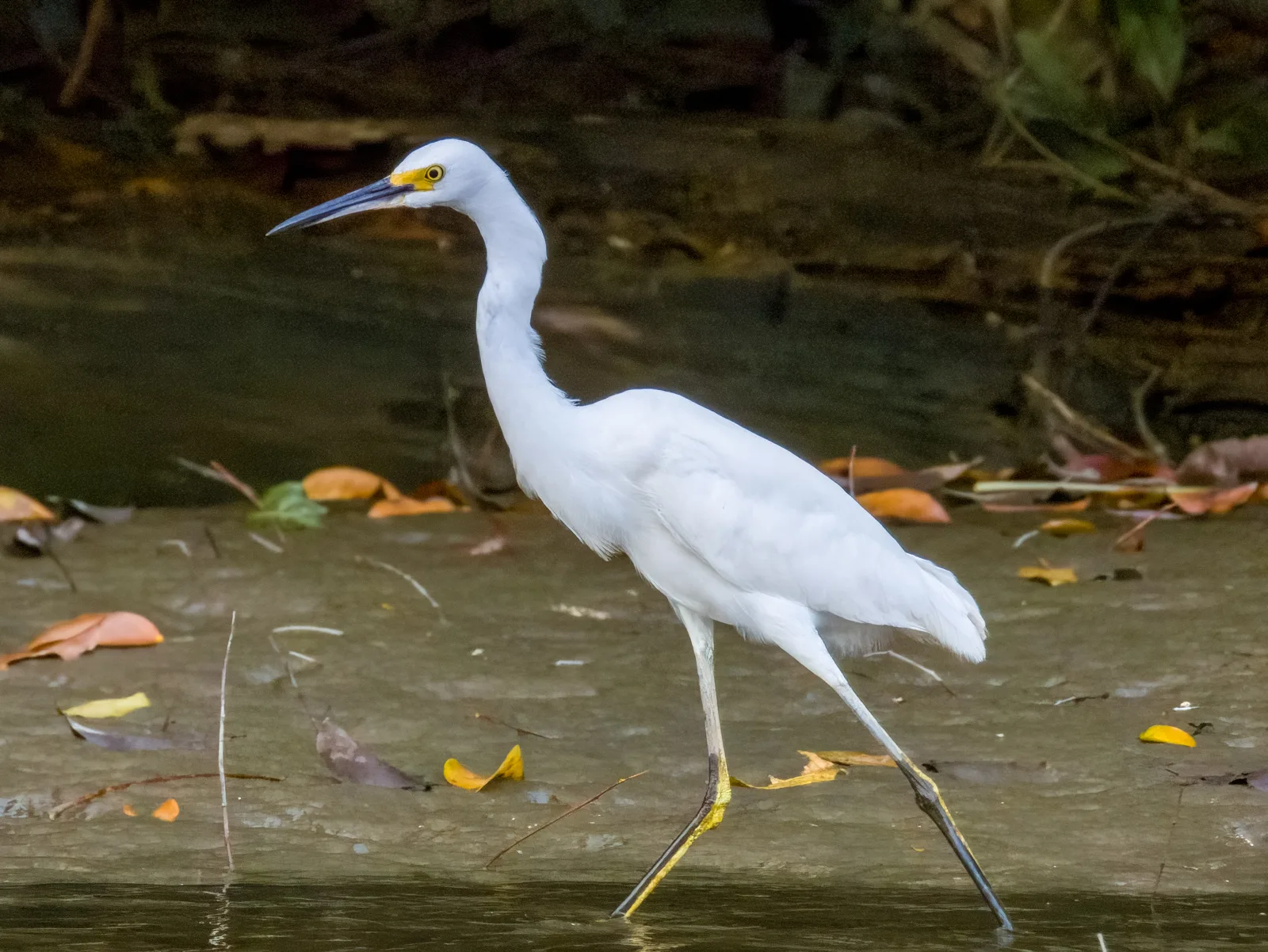
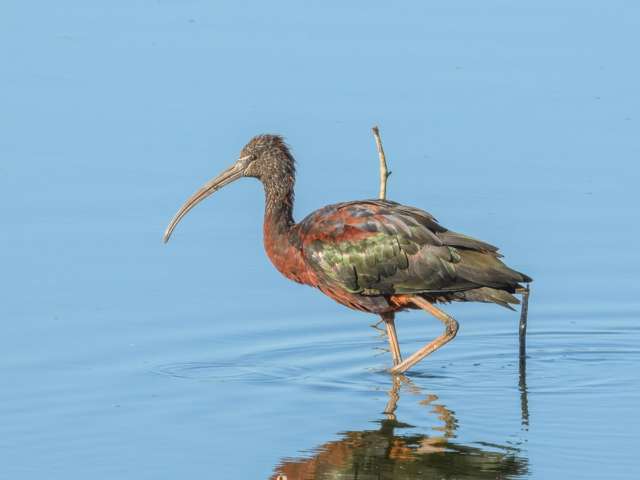
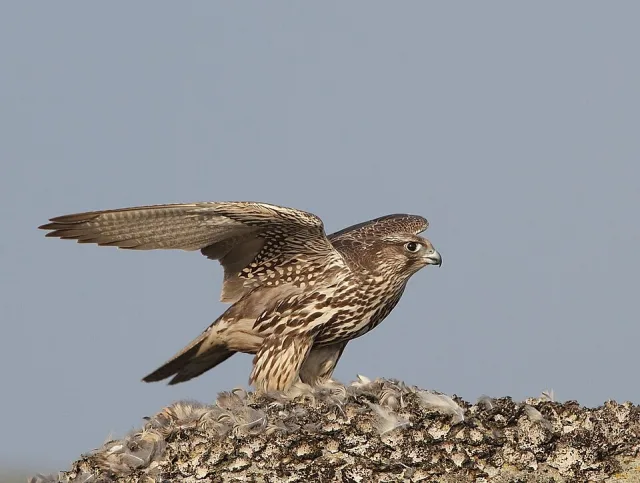
Managed by the National Park Service, Jamaica Bay is a vast, urban oasis within the borders of New York City. This refuge is famous for its extensive mudflats and salt marshes. Its strategic location makes it a crucial stopover point, especially for shorebirds and wading birds. In the summer, its nesting islands host one of the largest colonial waterbird rookeries in the Northeast, featuring Glossy Ibis, Great Egrets, and Snowy Egrets. During migration, birders come for the spectacles of thousands of Semipalmated Sandpipers and Dunlin, as well as resident species like the Osprey and Peregrine Falcon that hunt over the bay.
Fire Island and Montauk Point (Long Island)
Long Island’s barrier beaches and maritime forests are legendary during the fall migration. Birds moving south are reluctant to cross the open water of the Atlantic and therefore become concentrated at the island's western tip, Montauk Point. This "bottleneck effect" can result in spectacular sightings, particularly after a cold front.
The maritime forests—such as those found along Fire Island National Seashore—act as crucial migrant traps. Warblers, vireos, and thrushes that have crossed Long Island Sound drop down into these protective thickets to feed before continuing south. Pelagic birding is also a major draw, with boat trips out into the Atlantic providing views of Northern Gannets, various species of shearwaters, and alcids in the winter.

Upstate Breeding Grounds and Boreal Specialties
Beyond the migration corridor, Upstate New York, particularly the Adirondack Park, provides a vast and vital breeding ground for species associated with the northern forests. The park’s sprawling boreal habitats—characterized by spruce, fir, and bogs—allow birders to find specialties rarely seen further south.
The Adirondacks are the best place in the state to find:
Boreal Chickadee: A close relative of the Black-capped Chickadee, distinguished by its brown cap.
Black-backed Woodpecker: A rare resident of burnt or damaged spruce forests.
Rusty Blackbird: An increasingly threatened species that breeds in the park's isolated wetland edges.
Northern Forest Warblers: The park is a major breeding area for many northern-nesting warblers, including Yellow-rumped Warbler, Magnolia Warbler, and the handsome Black-throated Blue Warbler.
Lake Champlain and the St. Lawrence River Valley also provide unique access to species that hug the Canadian border, including excellent winter viewing for northern raptors like the Rough-legged Hawk and occasional Gyrfalcon.
Conservation and The New York Birding Ethos
New York's position as a migratory funnel means its conservation efforts have hemispheric implications. Habitat loss along the Hudson corridor is a constant threat, making the protection of remaining forested patches, like those in the Ramapo Mountains and the Catskills, absolutely critical.
Organizations like the New York State Ornithological Association (NYSOA) and various local Audubon chapters are vital in monitoring bird populations and advocating for protective policies. The high profile of New York City birding—driven by famous spots like Central Park—has also brought the environmental issues of urban wildlife into the public consciousness.
The ethos of New York birding is one of thrilling contrasts: the serenity of searching for a secretive Blackpoll Warbler in a quiet Catskills ravine one day, and the urban excitement of spotting a rare Eurasian Wigeon on the bustling shoreline of Jamaica Bay the next. New York’s commitment to preserving the varied habitats along the Hudson River Corridor ensures that its spectacular migratory peaks will continue to inspire and sustain the millions of birds that pass through the Empire State each year.
Birds of New York: Common, Migratory and Rare Birds Across the State
