

New York State is a surprisingly diverse and critical destination for birdwatching, offering a stunning array of habitats that attract an extraordinary number of avian species throughout the year. From the frenetic, urban migration stopovers to tranquil, vast wetlands, the state provides world-class opportunities for birders of all experience levels.
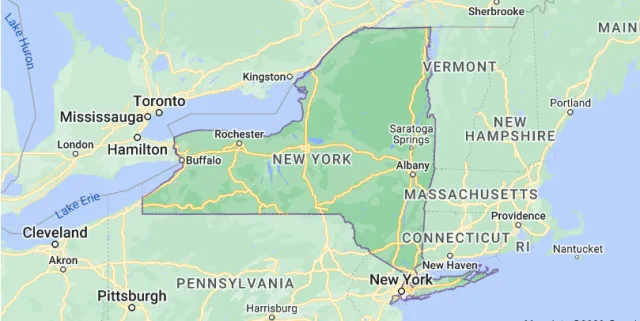
This exploration of New York's birding landscape will take you from one of the most famous urban green spaces on the planet—Central Park in Manhattan—renowned as an essential "migrant trap" along the Atlantic Flyway, to the expansive, critical conservation area of the Montezuma National Wildlife Refuge in the Finger Lakes region, a vital breeding and stopover site for hundreds of species of waterfowl and marsh birds. Discover how New York's unique geography makes it a prime location to observe everything from colorful warblers in the spring to massive concentrations of geese and the majestic Bald Eagle.
Central Park
Central Park, an 843-acre masterpiece of landscape architecture, is centrally located in the heart of Manhattan, New York City, serving as a critical green oasis within the urban 'concrete jungle.' Despite its entirely man-made origin—the park was constructed on swampy, rocky terrain in the mid-19th century—its geography today is intentionally diverse.
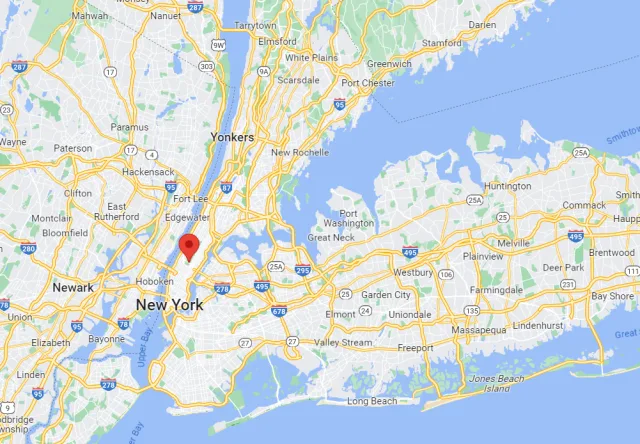
It features a rich array of habitats, including three significant woodland areas (the North Woods, the Hallett Nature Sanctuary, and the famous Ramble), multiple water bodies like the Lake and the Jacqueline Kennedy Onassis Reservoir, and vast open spaces like the Great Lawn. This varied landscape, complete with gentle slopes, rocky outcrops, and dense shrubbery, creates a compelling sense of natural wilderness and provides vital ecological functions that make it a beacon for wildlife.
The park's location along the Atlantic Flyway—the major migration route for birds traveling between their northern breeding grounds and southern wintering areas—elevates its status to one of the most important birding hotspots in North America. During the peak spring (May) and fall migration seasons, the park becomes a critical "migrant trap." Tired, hungry birds see this enormous rectangle of green and drop in to rest and feed, offering birders a spectacular concentration of species that would otherwise be spread across a much larger area.
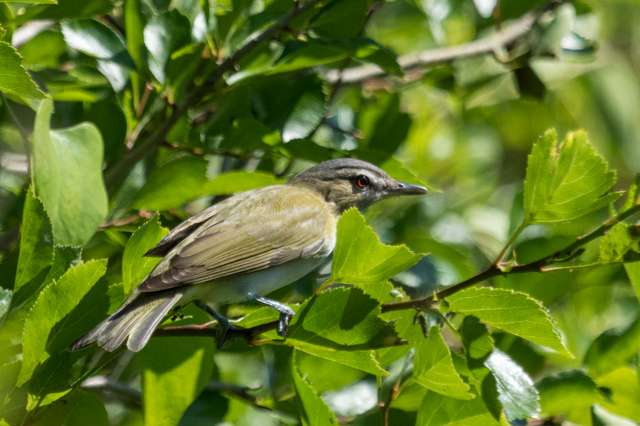
Over 280 species have been recorded in the park, with the Ramble being particularly famous for attracting dozens of colorful warbler species, vireos, and tanagers, often seen at low eye-level. Beyond the transient migrants, resident raptors like the celebrated Red-tailed Hawks, as well as a variety of waterfowl, owls, and woodpeckers, provide excellent birdwatching opportunities year-round.

Target Birds
Warbling and Red-eyed Vireo
Cedar Waxwing
Magnolia and Blackpoll Warbler
Ovenbird
Northern Waterthrush
Great Horned Owl
Scarlet Tanager
The Central Park Conservancy has lots of information about the park including bird watching opportunities.
Pelham Bay Park
Pelham Bay Park, situated in the northeast corner of the Bronx, is the largest public park in New York City, spanning over 2,700 acres—more than three times the size of Manhattan’s Central Park. Its location on the western end of Long Island Sound and Eastchester Bay provides a critical geographic advantage for birdlife. The park’s expansive area is defined by a remarkable diversity of habitats, a key factor in its ecological significance.
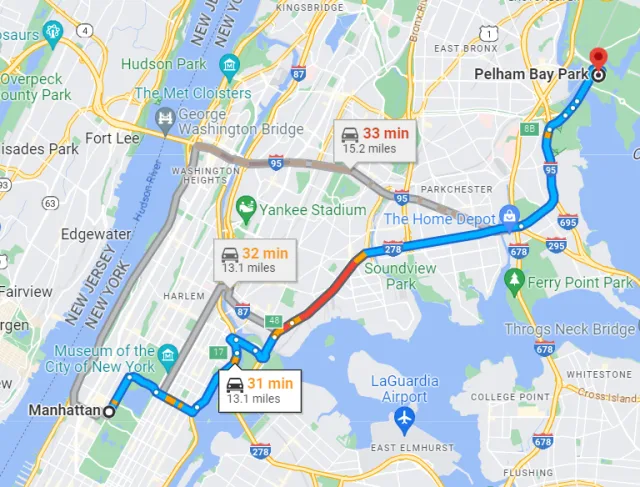
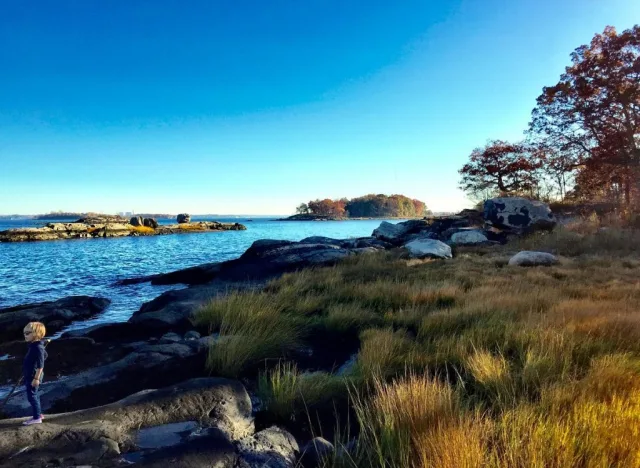
The geography includes a rocky shoreline, expansive salt marshes, tidal lagoons, freshwater ponds, and extensive woodlands, notably the ancient, continuous oak forest on Hunter Island and the rare coastal tall grass meadows. The park also encompasses peninsulas like Rodman's Neck, Tallapoosa Point, and the former Hunter and Twin Islands, making it a crucial stopover and breeding ground along the highly traveled Atlantic Flyway migration route.
Designated an Important Bird Area (IBA) by the National Audubon Society, Pelham Bay Park offers some of the best and most varied birdwatching opportunities in the entire metropolitan area, with over 250 species recorded. The habitat diversity ensures year-round activity for birders. During spring and fall migration, the park's woodlands are filled with warblers, flycatchers, and songbirds seeking rest and forage.
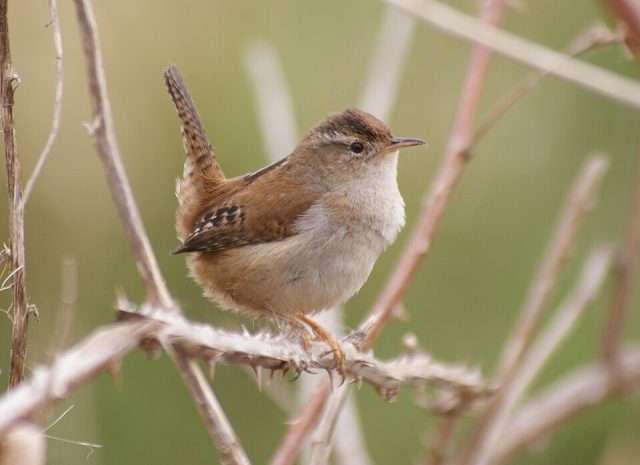
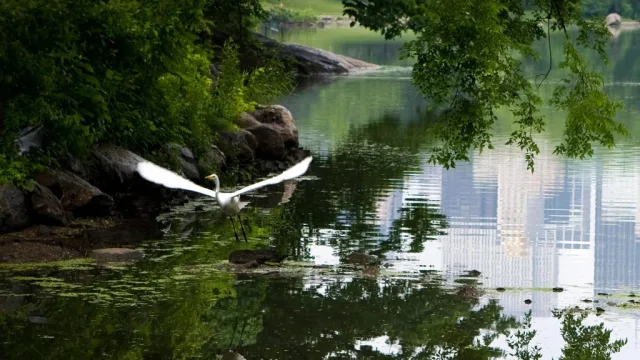
Its coastal and wetland areas are magnets for waterfowl and wading birds; shorebirds and various species of herons and egrets (including Snowy and Great Egrets, and Black-crowned Night-Herons) are commonly seen foraging in the salt marshes and around Turtle Cove. Furthermore, the park is a prime location for raptor viewing, hosting nesting Ospreys and Red-tailed Hawks, and in the winter, the old-growth forests on Hunter Island attract several species of owls, including the magnificent Great Horned Owl and the smaller, elusive Northern Saw-whet Owl.

Target Birds
Osprey
Marsh Wren
Baltimore Oriole
American Oystercatcher
Red-bellied Woodpecker
Northern Parula
Solitary Sandpiper
The NYC Parks and Recreation website has a lot of advice for visitors regarding facilities and recreational activities available at the park. The Friends of Pelham Bay Park has further information.
Queens Botanical Garden
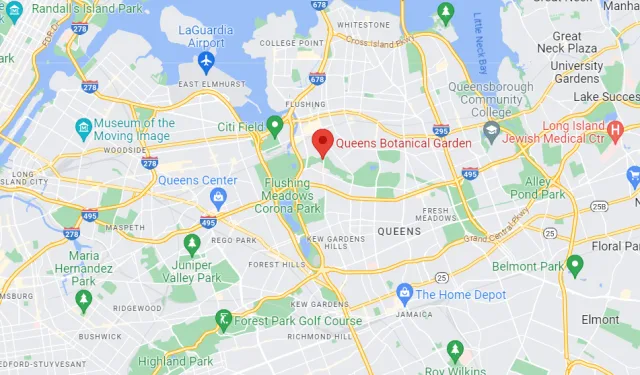
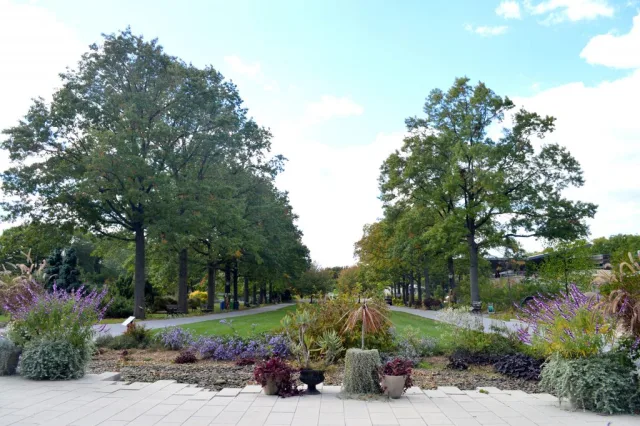
The Queens Botanical Garden (QBG) is a 39-acre urban oasis located in the bustling Flushing neighborhood of Queens, New York City, and forms an integral part of the borough’s "necklace" of green spaces. Situated adjacent to the sprawling Flushing Meadows-Corona Park and separated by Main Street from Kissena Corridor Park, its geographical location is critical. The garden is built upon a historically marshy area that covered the buried Kissena Creek, a former stream that once flowed into the Flushing River.
This legacy of a wet environment means that water naturally drains into the lower-lying garden from the surrounding urban streets. To manage this unique geography, the QBG has incorporated innovative, sustainable features like bioswales, rain gardens, and a "cleansing biotope" to filter stormwater, turning a geographical challenge into an ecological feature that supports various forms of life. The predominantly flat topography, featuring themed gardens, an arboretum, and a meadow, makes it easily accessible while providing a diversity of habitats within a dense urban setting.
This small but strategically positioned urban green space is surprisingly productive for birdwatching, particularly during the spring and fall migrations along the Atlantic Flyway. As a vital pocket of foliage and water amid concrete, the diverse plantings—including a Crabapple Grove, a Rose Garden, and native plant collections—act as a crucial "stopover" habitat for a variety of migratory passerines.

Birders frequently spot colorful warblers, including Cape May, Blackburnian, and Black-throated Blue, along with vireos, flycatchers, and thrushes refueling before or after their long journeys. Resident species also thrive, including several woodpecker varieties, Eastern Kingbirds, and the occasional raptor. For a relatively small garden surrounded by dense urban development, the Queens Botanical Garden provides an excellent, accessible opportunity to observe a concentrated display of avian activity, functioning as a magnet for birds seeking shelter and sustenance.
Target Birds
Black and White Warbler
Veery
Golden-crowned Kinglet
Brown Creeper
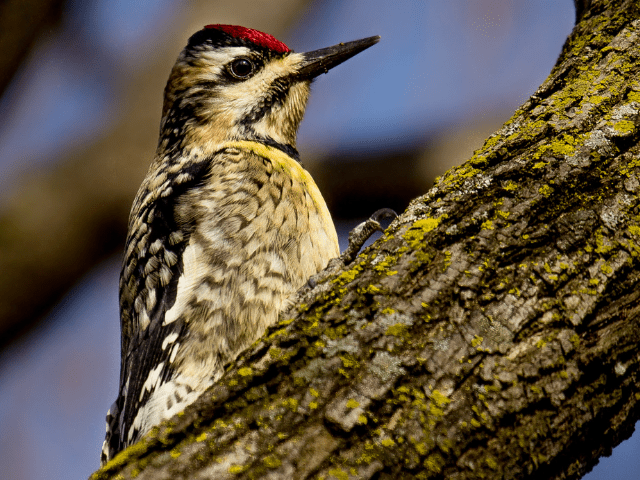
Yellow-bellied Sapsucker
Winter Wren
Swainson's Thrush
The official website for the gardens has information about membership, facilities and the gardens themselves.
Jamaica Bay Wildlife Refuge
The Jamaica Bay Wildlife Refuge is an ecological gem located entirely within the boundaries of New York City, primarily split between the boroughs of Brooklyn and Queens. This remarkable sanctuary, part of the Gateway National Recreation Area, lies immediately west of John F. Kennedy International Airport, yet it feels worlds away from the urban bustle. Geographically, it is a vast estuary, a partially enclosed body of water where saltwater from the Atlantic Ocean mixes with freshwater inputs.
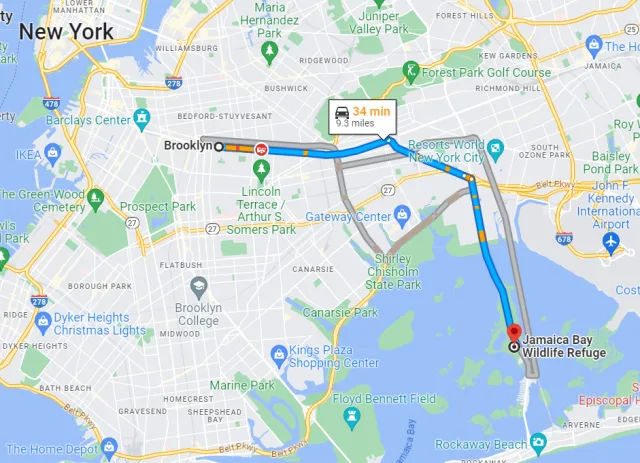
Spanning over 9,100 acres, its complex habitat network includes open bay, saltmarsh, mudflats, upland fields, wooded areas, and two crucial man-made brackish ponds (the East and West Ponds), which were created to attract a wider diversity of wildlife. This unique blend of ecosystems, sitting right on the highly active Atlantic Flyway, makes it a critical stopover and nesting site for migratory birds.
The refuge is widely regarded as one of the best birding locations in the entire Northeastern United States, with over 330 bird species sighted here. Birdwatching opportunities are excellent year-round due to the varied geography. Spring and Fall migration bring an influx of songbirds like warblers, flycatchers, and various shorebirds, including American Oystercatchers and Dunlin, which feed on the rich intertidal mudflats.
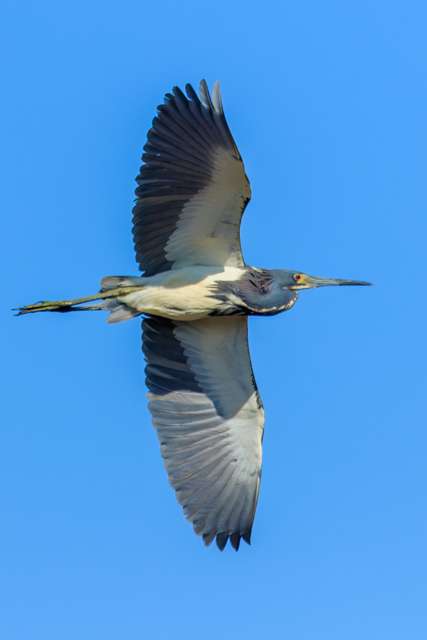
In the summer, the marshes are home to nesting wading birds such as the Osprey, Yellow-crowned Night-Heron, and the rare Tricolored Heron. Winter sees large concentrations of waterfowl, including Snow Geese and various dabbling and diving ducks, as well as raptors like the Northern Harrier. The flat terrain and well-maintained trails around the ponds offer accessible viewing of this incredible avian diversity.
Target Birds
Dunlin
Semipalmated Sandpiper
Forster's Tern
Black-crowned and Yellow-crowned Night Heron
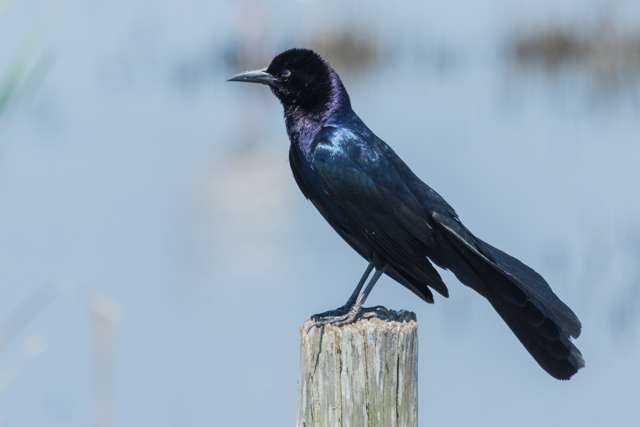
Boat-tailed Grackle
Green Heron
Peregrine Falcon
The National Park Service webpage has information about the Visitor Center, park closures and the trails available.
Jones Beach
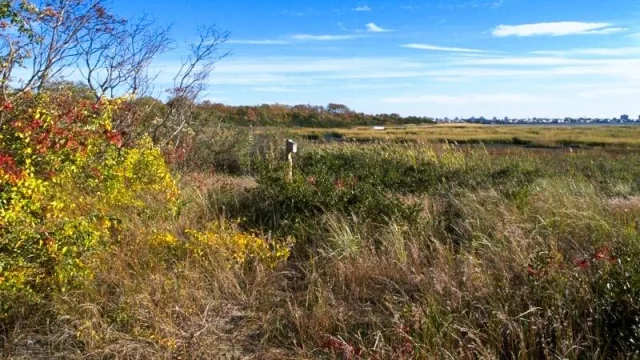
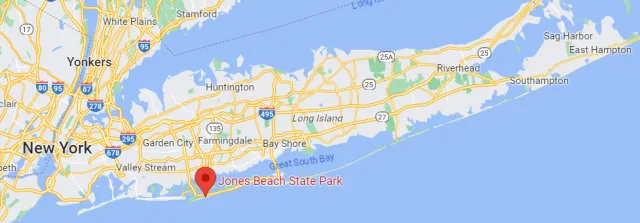
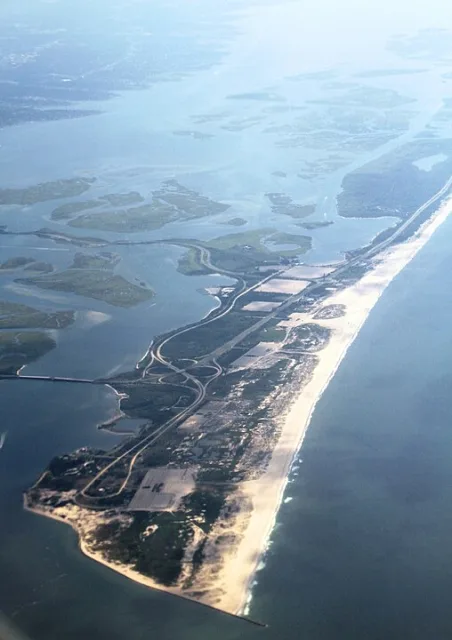
Jones Beach State Park is located in southern Nassau County on Jones Beach Island, a long, narrow barrier island off the southern coast of Long Island, New York. This unique geography, separated from the mainland by the South Oyster Bay and Great South Bay, places it directly on the Atlantic Flyway, one of the world's major routes for migrating birds.
The park itself is over 6.5 miles long, featuring a diverse mix of habitats critical for avian life, including expansive ocean beachfronts, sand dunes, salt marsh, and scattered maritime forest. The island's low-lying, coastal landscape creates an essential stopover and breeding location, making it an internationally recognized Audubon Birding Hotspot, easily accessible from the New York metropolitan area via the Meadowbrook and Wantagh State Parkways.
The remarkable variety of habitats at Jones Beach, particularly the less-developed West End, offers year-round opportunities for birdwatchers. During the spring and fall migrations, the maritime thickets and uplands attract numerous songbirds, including a variety of warblers. Summer is a crucial time for nesting shorebirds; the beaches are home to the New York State endangered Piping Plover and the colorful American Oystercatcher, whose nesting areas are often roped off for protection.

Winter birding is perhaps the most exciting, as the shoreline and surrounding waters host a significant concentration of sea ducks, loons, grebes, and raptors. The area is one of the most reliable spots in the region to search for the elusive Snowy Owl, as well as other northern visitors like Horned Larks, Snow Buntings, and Purple Sandpipers along the jetties.
Target Birds
Black Scoter
Piping Plover
Sanderling
Fish Crow
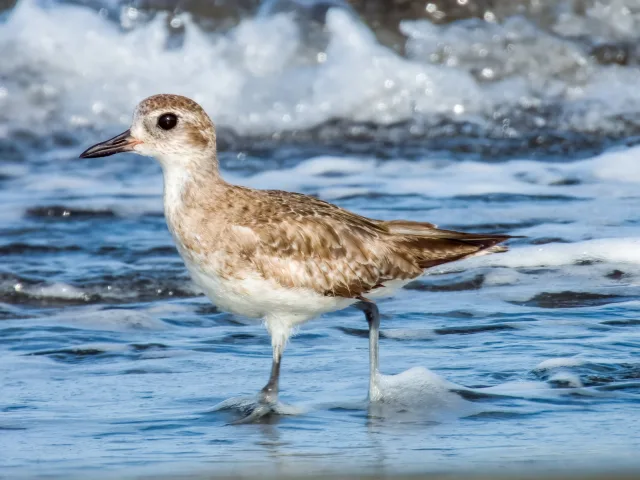
Gray Plover
Willow Flycatcher
The Atlantic Flyways Shorebirds is really informative about protecting the birds on the beach areas.
The White Comet of the Southern Sky: Profiling the Swallow-tailed Kite
Prospect Park
Prospect Park is a 526-acre urban sanctuary nestled in the heart of Brooklyn, New York City, and is a designated Important Bird Area (IBA) in New York State. Its geography is surprisingly varied for an urban park, featuring a large lake, winding freshwater watercourse (the only one in Brooklyn), and the borough's last remaining old-growth forest, known as the Midwood.
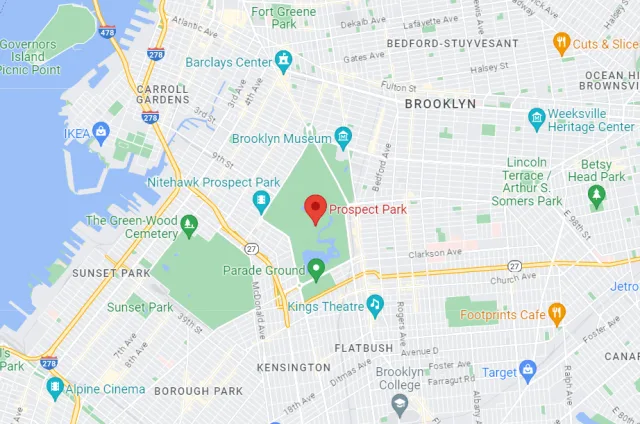
The park is situated atop a part of the Harbor Hill terminal moraine, a ridge of glacial sediment that includes elevated areas like Lookout Hill, providing diverse terrain and habitat structure. The strategic location of Prospect Park, like Central Park, places it directly on the Atlantic Flyway, making it an indispensable green "island" for migratory birds needing to rest and refuel after a nocturnal flight over the heavily urbanized landscape.
This diverse geography, combined with its prime location on the migration path, makes Prospect Park one of New York City's premier birdwatching destinations, attracting nearly 270 species annually. Spring and fall migrations are particularly spectacular, drawing in large concentrations of songbirds, including up to 35 species of warblers, along with flycatchers, thrushes, and tanagers.
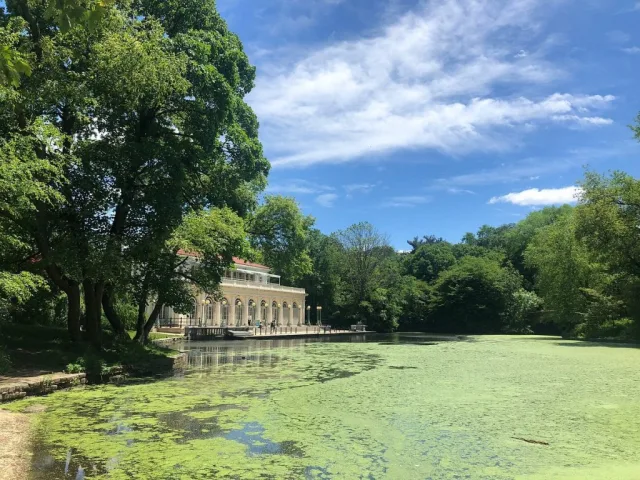
Key birding areas include the tranquil wooded Ravine, the dense shrubbery of the Vale of Cashmere, and Lookout Hill, where raptors can often be spotted during the fall. Throughout the year, the Prospect Park Lake and surrounding wetlands host a variety of waterfowl like Wood Ducks and Common Mergansers, while resident species such as Red-tailed Hawks, Black-capped Chickadees, and several types of woodpeckers provide excellent viewing opportunities even in the winter months.

Target Birds
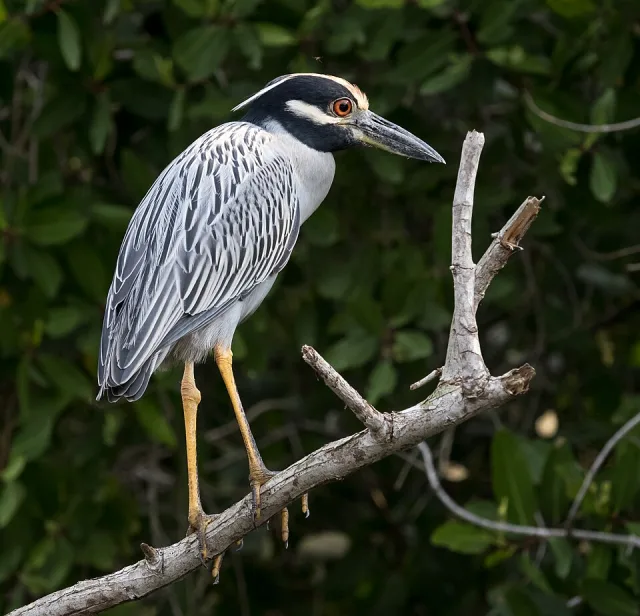
Yellow-crowned Night Heron
Warbling and Red-eyed Vireo
Yellow-billed Cuckoo
Canada and Cape May Warbler
Indigo Bunting
Acadian Flycatcher
The Prospect Park Audubon Center has information about their programs, the center and general area.
Montezuma National Wildlife Refuge
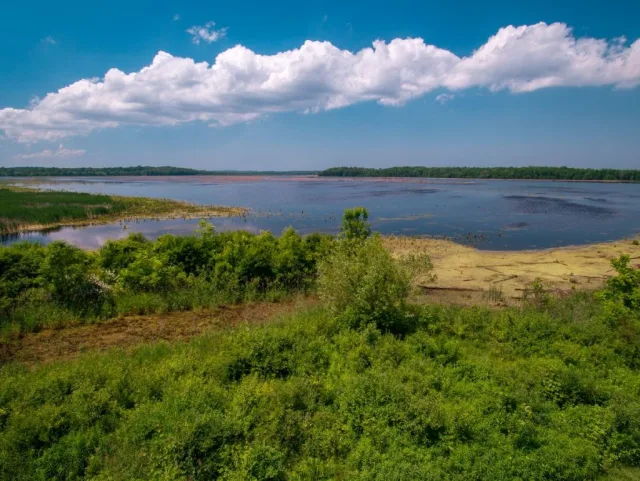
The Montezuma National Wildlife Refuge is a critical 10,000-acre haven located in the Finger Lakes region of Upstate New York, situated between the cities of Rochester and Syracuse at the northern end of Cayuga Lake. Its geography is defined by the expansive Montezuma Swamp, an immense complex of marshes, pools, and channels that forms one of the largest contiguous wetland systems in the northeastern United States.
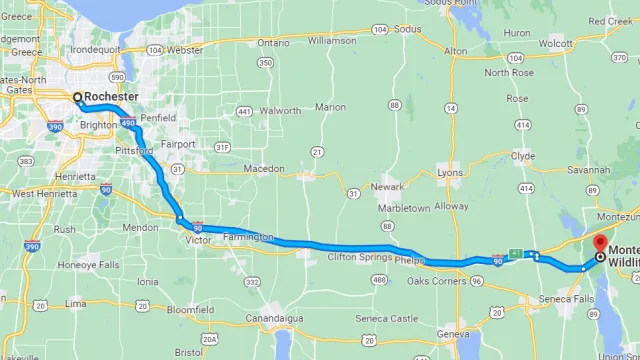
This area, shaped by the receding glaciers of the last Ice Age, lies directly in the path of the Atlantic Flyway, making it an indispensable refueling and resting stop for millions of migratory birds. The Refuge, managed by the U.S. Fish and Wildlife Service, works to preserve and restore this vital habitat, which includes not only wetlands but also grasslands, shrublands, and forests, contributing to its designation as an Audubon Important Bird Area.
The birdwatching opportunities at Montezuma are unparalleled, particularly during the spring and fall migrations when the refuge hosts a spectacular concentration of avian life. Visitors in late February through April can witness tens of thousands of Snow Geese and Canada Geese, alongside numerous duck species like Northern Pintails and Hooded Mergansers.
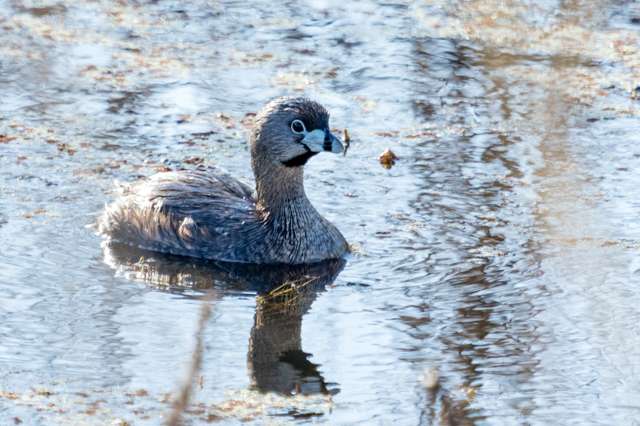
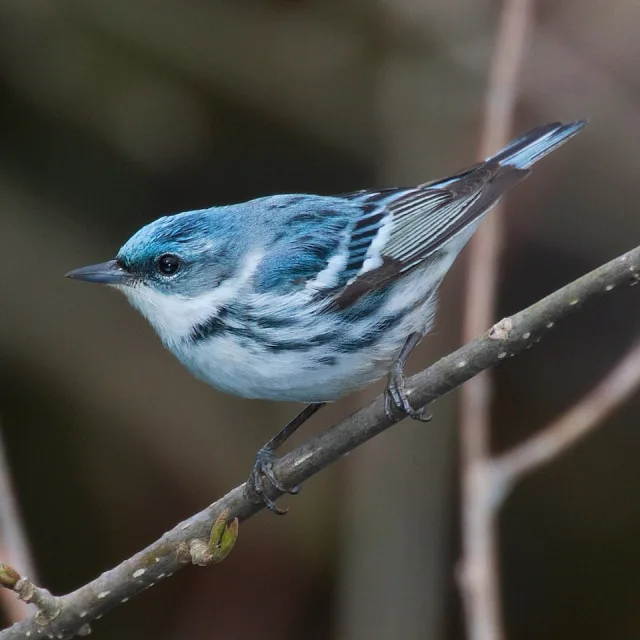
The summer brings nesting and brood-rearing, offering excellent views of Bald Eagles—the site of New York's first bald eagle restoration program—and Ospreys, as well as marsh birds like Pied-billed Grebes and American Coots. Birders can explore the refuge via the popular 3.5-mile Wildlife Drive auto tour route, or utilize the extensive network of walking trails, viewing towers, and platforms to search for woodland birds, including a peak of colorful warblers in mid-May and rare breeders like the Cerulean Warbler.
Target Birds
Ruddy Duck
Pied-billed Grebe
Alder Flycatcher
Purple Martin
Black Tern
American Bittern
The U.S. Fish and Wildlife Service has the latest news about the refuge including how to access the Visitor Center.
Robert Moses State Park
Robert Moses State Park offers two distinct birdwatching experiences depending on the location you visit. The park in Massena, New York, is located in the northern reaches of the state, nestled along the St. Lawrence River near the U.S.-Canada border.
Geographically, it encompasses both mainland sections and Barnhart Island, which is accessible via a tunnel beneath the Eisenhower Lock. This northern location features a rich mosaic of forests, wetlands, and open fields. The diverse habitats make it an excellent year-round destination, particularly for waterfowl and northern species that use the river corridor. Its Nature Center often hosts programs highlighting the park's native birds, including various owls and hummingbirds.
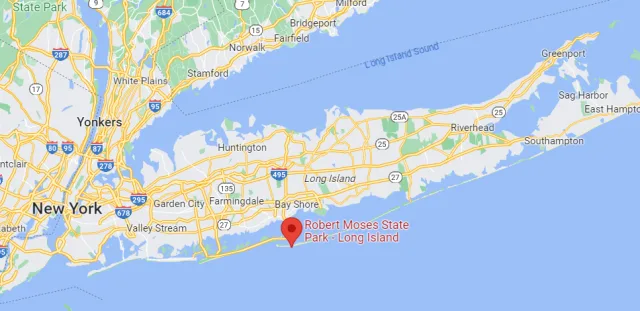
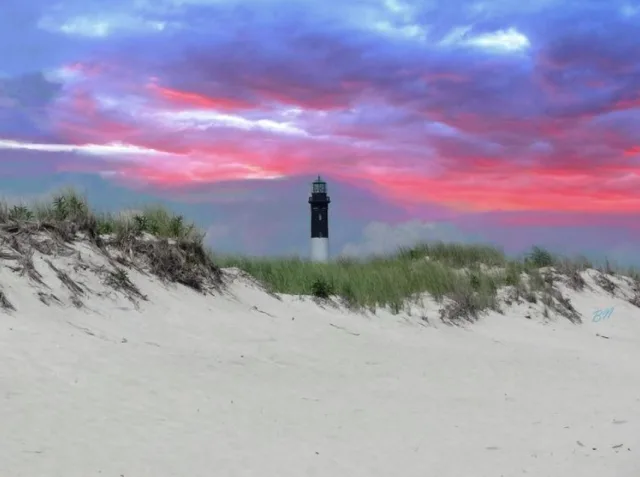
The more widely known Robert Moses State Park on Long Island is situated at the western tip of Fire Island, connected to the mainland via the Robert Moses Causeway. As a barrier island environment, its geography is characterized by dunes, beaches, maritime holly forest (the Sunken Forest), and salt marshes.
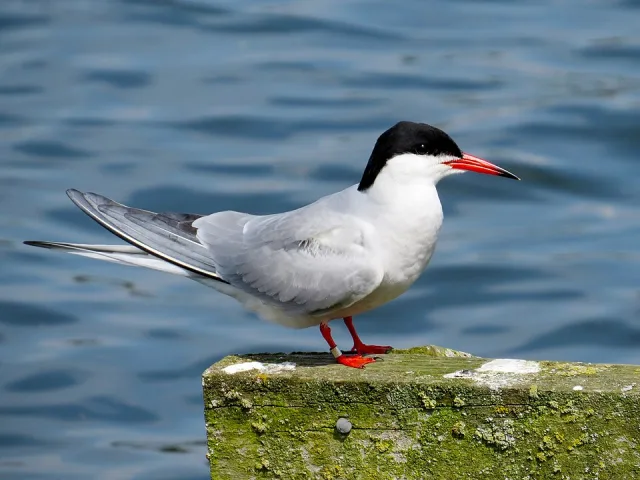
Its location along the Atlantic Flyway makes it a critical stopover point, especially during spring and fall migration. This park is renowned as one of the best seawatching spots in New York, offering opportunities to spot shorebirds like Sanderlings, various raptors—including migrating hawks from a dedicated viewing platform near Field 5—and a diverse range of passerines such as warblers, vireos, and tanagers as they fuel up before or after their long oceanic journey.
Target Birds
Least, Common and Forster's Tern
Great Northern Diver
Sooty Shearwater
Wilson's Storm-Petrel
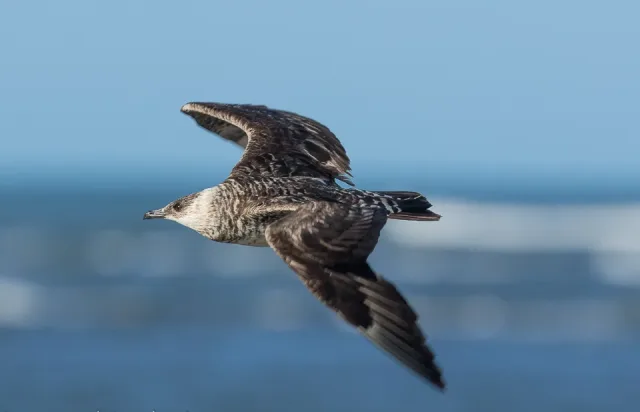
Arctic Skua
Red-necked Phalarope
The 4 Harbors Audubon Society has good information about locations across the Long Island Area including trips.
Saratoga National Historical Park
Saratoga National Historical Park, located in the Town of Stillwater in eastern New York's Saratoga County, is famously the site of the pivotal American victory in the Battles of Saratoga in 1777. Geographically, the park preserves over 3,000 acres of a landscape characterized by rolling hills, wooded ravines, and wide-open meadows, sitting just a few miles west of the upper Hudson River.
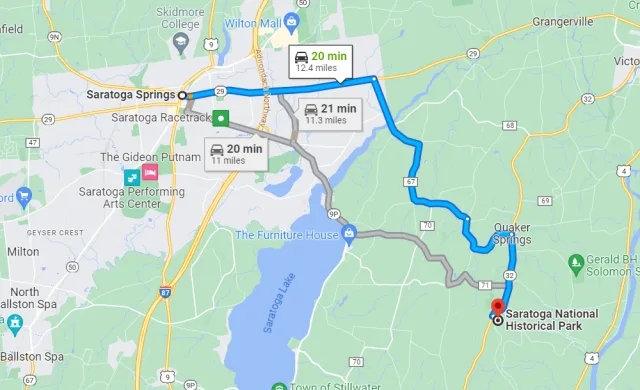
This topography, which once provided strategic advantage during the Revolutionary War, now creates a diverse mix of habitats. The park includes the main battlefield area, the historic Schuyler House located several miles north near Schuylerville, and Victory Woods, offering a blend of open fields, dense woodlands, and brushy edges that appeal to a variety of avian life.
The park's unique mosaic of fields and forests makes it an Important Bird Area (IBA), particularly notable for its grassland birds. Birdwatching opportunities are excellent, especially along the park's miles of trails, including the 4.25-mile Wilkinson National Recreational Trail. Birders frequently spot species like the Bobolink and the Eastern Meadowlark, which rely on the park's large protected meadows for breeding habitat.
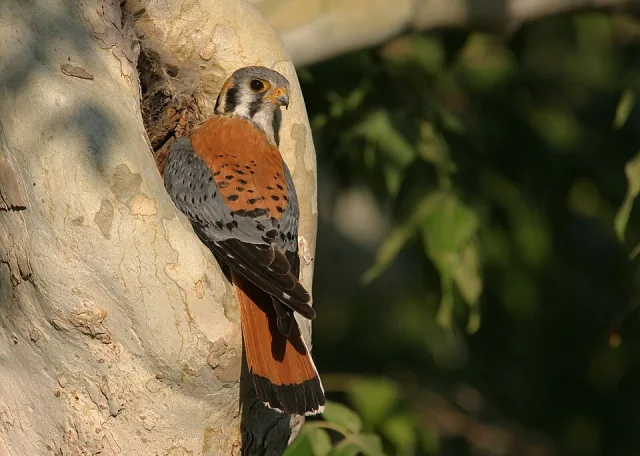
In the wooded areas, visitors can find various songbirds, including Eastern Bluebirds and multiple species of warblers, vireos, and thrushes during the spring and fall migrations. Raptors such as Red-tailed Hawks and Kestrels are often seen hunting over the open fields, making Saratoga National Historical Park a rewarding destination that merges a significant historical experience with prime birding in a diverse upstate New York setting.
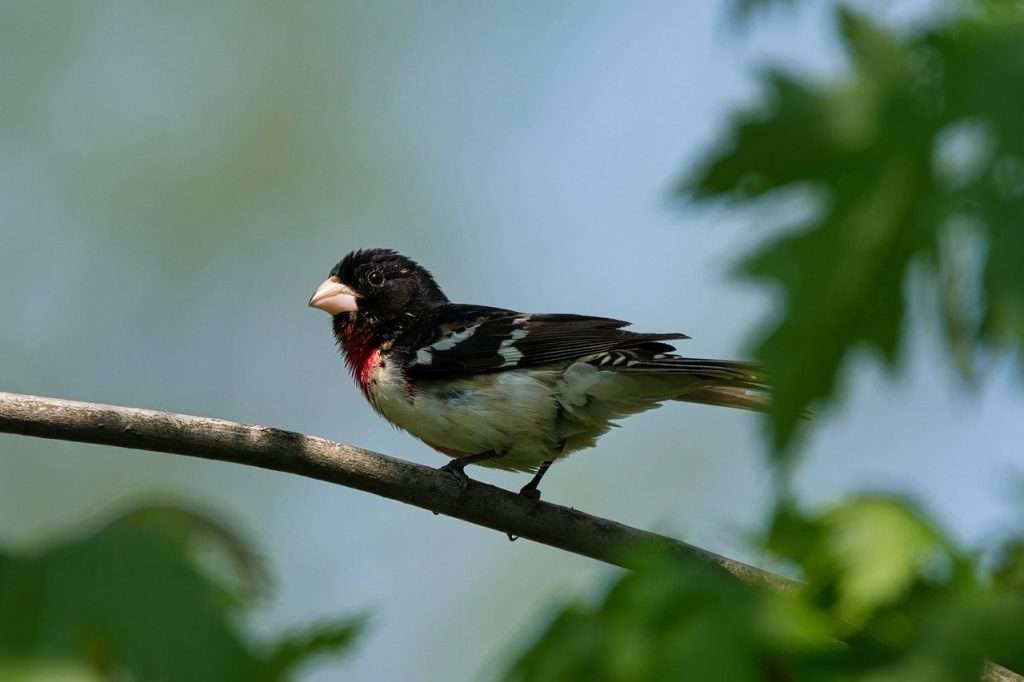
Target Birds
Blue-winged Warbler
Rose-breasted Grosbeak
Bobolink
Ovenbird
Northern Harrier
Black-billed Cuckoo
- Brown Thrasher
The National Park Service has a lot of information about the history of the park but also a dedicated nature page with details about the preservation program.
Wrapping Up
In conclusion, New York State offers a spectacular and often underestimated paradise for birdwatchers, providing a complete spectrum of environments that cater to every birding interest. The ability to transition from the world-famous migratory bottleneck of Central Park, where a dazzling array of warblers and other songbirds drops in for a vital rest stop amidst the skyscrapers, to the sprawling, conservation-focused wetlands of the Montezuma National Wildlife Refuge, the beating heart of waterfowl and raptor activity in the Finger Lakes, is truly unique.
Add to this the historical fields of Saratoga National Historical Park, essential for grassland species like the Bobolink, and it becomes clear that New York is more than just a destination; it's a critical crossroads for avian life along the Atlantic Flyway. Whether you are seeking a life bird, studying migration patterns, or simply enjoying the sight of a Bald Eagle soaring overhead, New York's diverse habitats ensure that every trip out with your binoculars will be a richly rewarding experience. We encourage birders to explore these incredible opportunities and witness firsthand the astonishing biological richness of the Empire State.
