
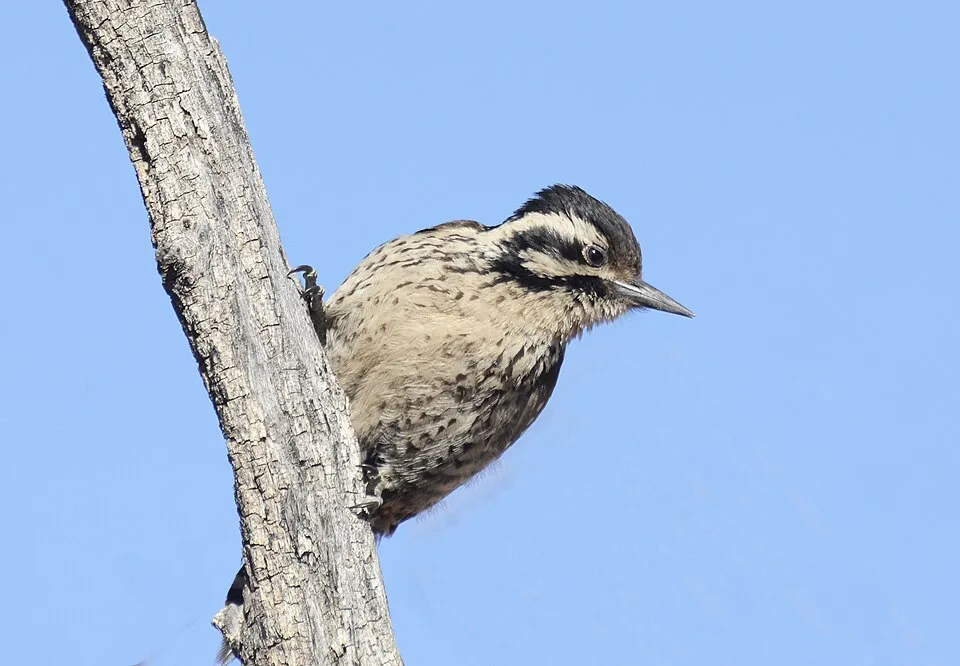
With its stunning contrasts of high desert mesas, towering mountain ranges, and vibrant riparian corridors, New Mexico boasts one of the highest avian diversities in the United States, positioning it as a premier destination for birdwatchers. The state is a crucial stopover on the Central Flyway migration "super-highway," meaning visitors have the chance to spot hundreds of species ranging from local desert dwellers like the Greater Roadrunner to spectacular seasonal migrants.
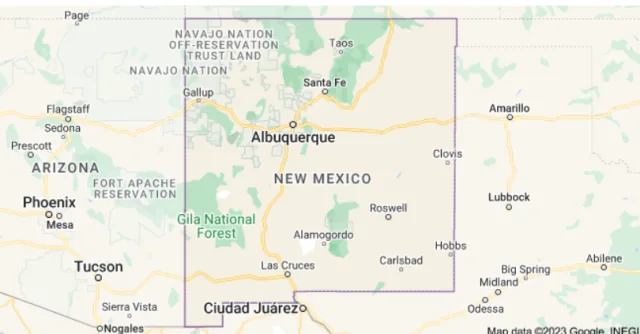
Whether you are interested in spotting rare waterfowl in the northeast or seeking out river-dwelling passerines, New Mexico's State Parks offer perfectly maintained access to these essential habitats. The wide-open spaces of Clayton Lake State Park, with its expansive water body and surrounding grasslands, draw a huge variety of ducks, geese, and raptors, particularly in winter. Conversely, the tranquil riverside forest (bosque) of the Rio Grande Nature Center State Park in Albuquerque serves as a vital oasis along the Rio Grande, welcoming over 300 species throughout the year and offering year-round viewing of songbirds and cranes. This guide will take you through the incredible birdwatching opportunities available across the Land of Enchantment.
Bitter Lake NWR
Bitter Lake National Wildlife Refuge (NWR) is a critical avian oasis located just seven miles northeast of Roswell, New Mexico, in the Pecos River valley. Geographically, it sits at a fascinating ecological crossroad where the Chihuahuan Desert, the Southern Plains, and the Pecos River floodplain converge. This intersection creates an unusually rich and varied habitat, anchored by a series of wetlands sustained by the Roswell Artesian Basin.
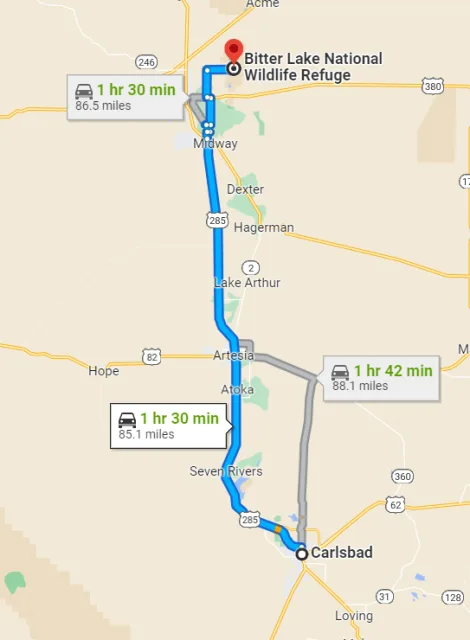
The refuge's unique feature is its gypsum karst topography, characterized by over 70 sinkholes—some of which form deep, brackish lakes—created by underground water dissolving gypsum deposits. These varied aquatic environments, including riverine habitats, managed moist-soil impoundments, and natural springs, offer a stark, vibrant contrast to the surrounding arid landscape, earning the 24,563-acre refuge its designation as a Globally Important Bird Area and New Mexico's first Ramsar wetland site.
Established in 1937 primarily to provide wintering habitat for migratory birds, Bitter Lake NWR is a birding hotspot that has recorded over 350 species. The refuge is most famous for the staggering concentrations of waterfowl during the fall and winter, when up to 50,000 Snow Geese and various duck species blanket the water, alongside over 26,000 majestic Sandhill Cranes.

The spring migration brings neotropical songbirds and shorebirds, while the summer months are excellent for observing wading birds like Great Egrets, White-faced Ibis, Black-necked Stilts, and federally-listed species such as the Snowy Plover and Least Tern. Birders can enjoy viewing from the 6.5-mile Wildlife Drive auto tour route, numerous overlooks, and several short hiking trails, making this desert wetland indispensable for observing the cycle of migration in the desert Southwest.
Target Birds
Scaled Quail
Black-crowned Night Heron
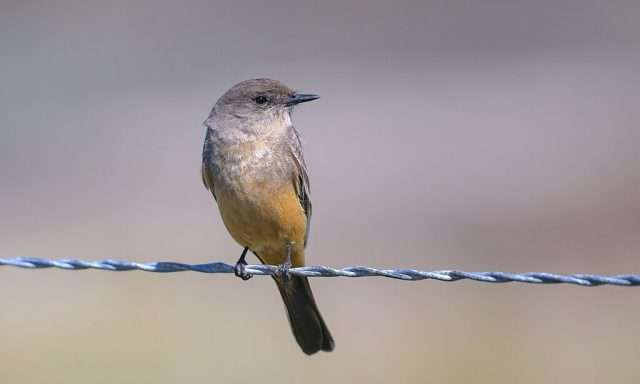
Say's Phoebe
Virginia Rail
Snowy Plover
Baird's Sandpiper
The U.S. Fish and Wildlife Service has good information about access to the area.
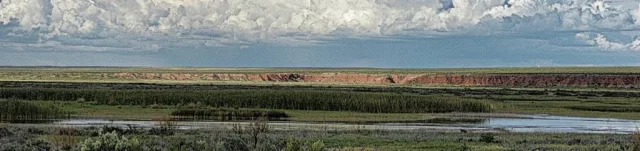
Bosque del Apache NWR
The Bosque del Apache National Wildlife Refuge (NWR) is a critical avian sanctuary located in the Middle Rio Grande Valley near San Antonio, Socorro County, New Mexico. Established in 1939, the refuge's name translates to "woodland of the Apache," reflecting the historical presence of cottonwood and willow forests (bosque) along the river.
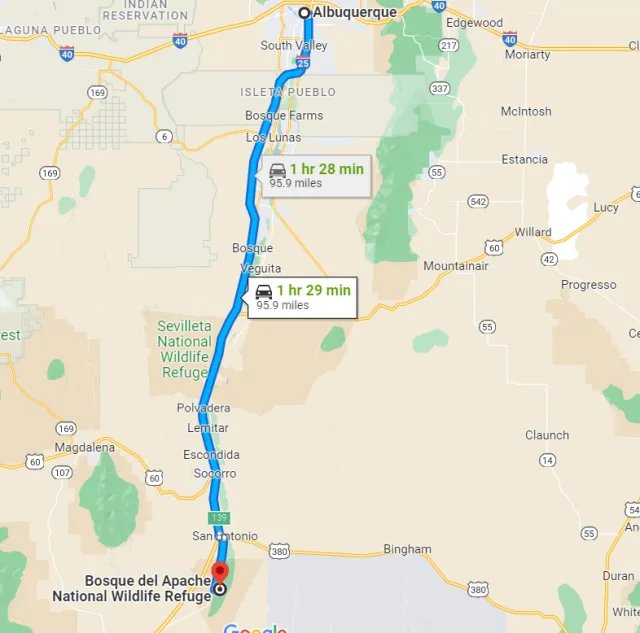
Its diverse geography spans over 57,000 acres, encompassing a blend of managed wetlands and irrigated farmlands alongside arid uplands and the foothills of the Chupadera and San Pascual Mountains. This unique juxtaposition of wet, nutrient-rich river bottomlands and dry, Chihuahuan Desert scrub habitat creates an essential ecological crossroads, providing distinct environments for hundreds of bird species throughout the year. The refuge actively manages its water resources, mimicking natural flooding cycles to maintain the critical mosaic of marshes, ponds, and fields that serve as a lifeline for migratory birds.
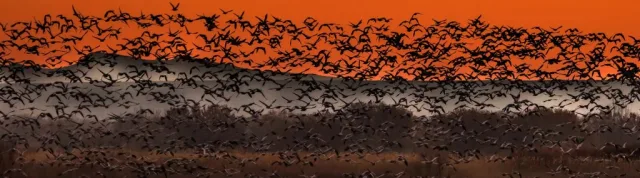
The NWR is globally renowned as one of North America's premier birding destinations, particularly famous for its spectacular winter migration. From late October through February, tens of thousands of Sandhill Cranes and Snow Geese descend upon the managed wetlands and grain fields.

Visitors often gather at dawn and dusk to witness the unforgettable "fly-out" and "fly-in" spectacle as massive flocks lift off and return to their roosts—a loud, stunning display often accompanied by wintering Bald Eagles and numerous species of ducks, including Northern Pintails and Northern Shovelers. Throughout the rest of the year, the refuge offers excellent opportunities to see riparian species like the endangered Southwestern Willow Flycatcher in summer, over 20 species of shorebirds in spring as the wetlands dry, and desert birds such as Greater Roadrunners and various sparrows in the upland scrub via the refuge's auto tour loops and walking trails.

Target Birds
Mexican Duck
Gambell's Quail
White-winged Dove
Broad-tailed Hummingbird
Green Heron
Swainson's Hawk
Vermilion Flycatcher
The USFWS page about the refuge has up to date information about the area and the facilities within it.
Gila Cliff Dwellings National Monument
The Gila Cliff Dwellings National Monument is a highly remote and rugged historical site located in the mountainous terrain of southwestern New Mexico, roughly 44 miles north of Silver City. Geographically, the 533-acre monument is surrounded by the vast Gila National Forest and sits at the boundary of the Gila Wilderness, the nation's first designated wilderness area.
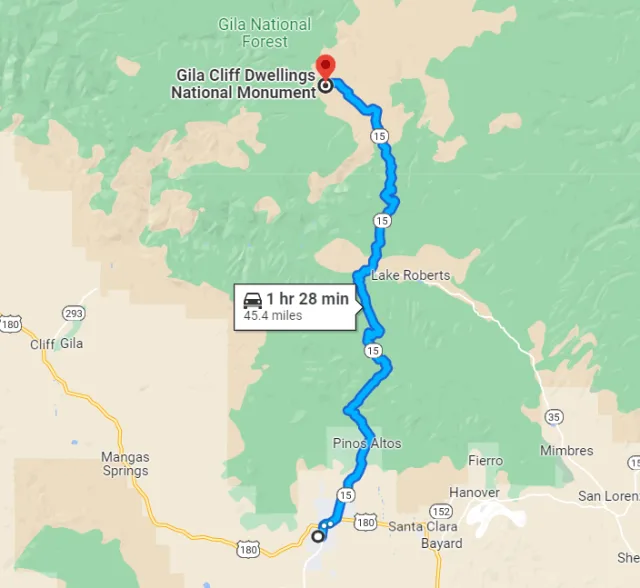
The landscape is defined by steep-sided canyons, high-altitude forests of ponderosa pine and Douglas fir, and elevations that range from about 5,700 to 7,300 feet. The geography is fundamentally shaped by the headwaters of the Gila River, whose middle and west forks create critical, life-sustaining riparian corridors that carve through the arid, volcanic-influenced mountains, providing a stark contrast between desert scrub and mixed-conifer ecosystems.
This ecological diversity makes the Monument and the surrounding Gila Wilderness an outstanding destination for bird watching, supporting a remarkably varied bird fauna with over 100 common species. The most productive viewing areas are concentrated along the dense, deciduous riparian zones of the Gila River, which provide shelter and food for both resident and migratory birds.
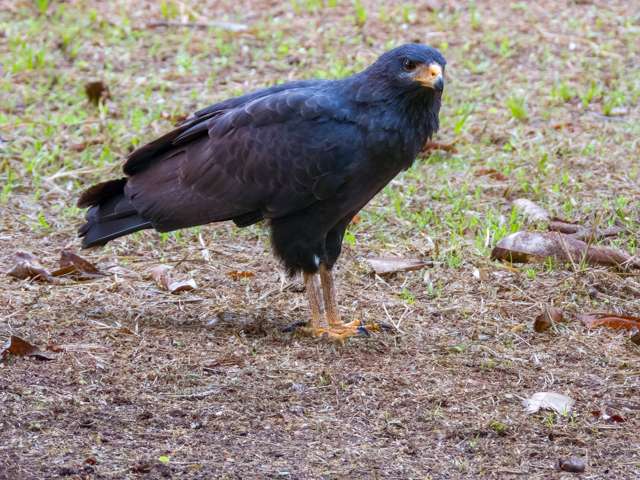
Enthusiasts often search for signature species like the elusive Montezuma Quail in the oak and pine-oak woodlands, while raptor sightings include the Zone-tailed Hawk and the Common Black-Hawk soaring over the canyon cliffs. Furthermore, the Gila River's riparian habitat is vital for conservation, hosting one of the largest known breeding populations of the endangered Southwestern Willow Flycatcher, alongside numerous hummingbirds and warblers during the warmer months.

Target Birds
Black Phoebe
Cassin's Kingbird
Violet-green Swallow
Pyrrhuloxia
Common Black and Zone-tailed Hawk
Acorn Woodpecker
The National Park Service page about the area has good advice about the birds in the area.
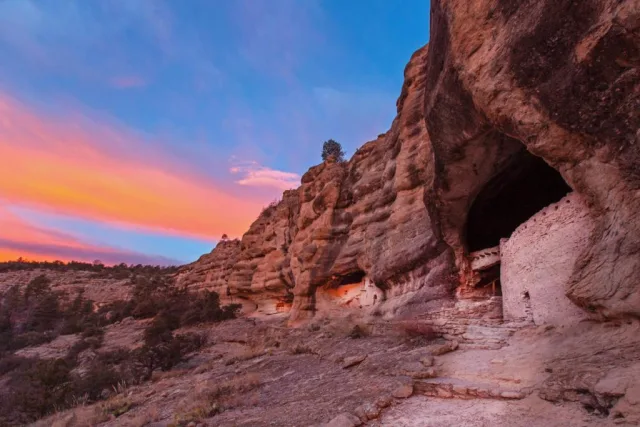
Fort Stanton
Fort Stanton Historic Site is nestled in the eastern foothills of the Sierra Blanca mountain range in south-central New Mexico, situated between the towns of Capitan and Lincoln. The site itself sits at an elevation of about 6,300 feet (1,900 m) and is part of the larger Fort Stanton–Snowy River Cave National Conservation Area (NCA), which encompasses over 25,000 acres of Bureau of Land Management (BLM) land.
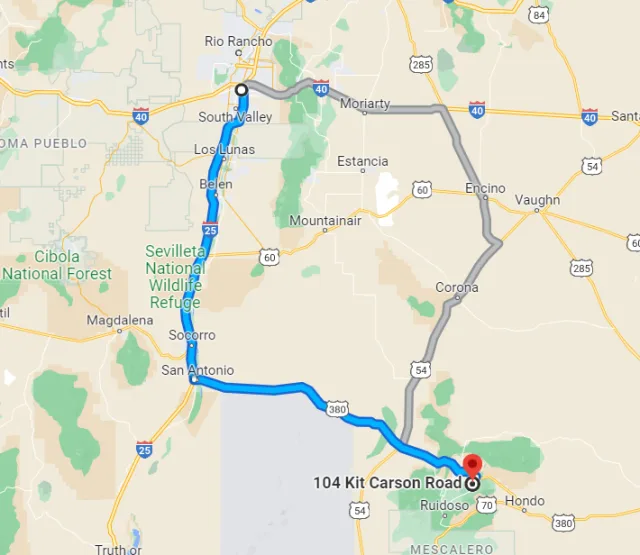
Geographically, the area is defined by a transition zone, featuring high-desert terrain with piñon-juniper woodlands on the hillsides, interspersed with ponderosa pine stringers and riparian habitat along the Rio Bonito, which flows through the area. This mix of habitats—ranging from open meadows and canyons to dense woodlands—creates a rich ecological environment distinct from the lower-elevation deserts, offering diverse shelter and foraging opportunities.
This unique geography makes Fort Stanton a rewarding location for birdwatching, particularly for species associated with the Upper Sonoran Zone forests and grasslands. Birders can explore a vast network of over 70 miles of trails winding through the NCA, providing access to different ecosystems.
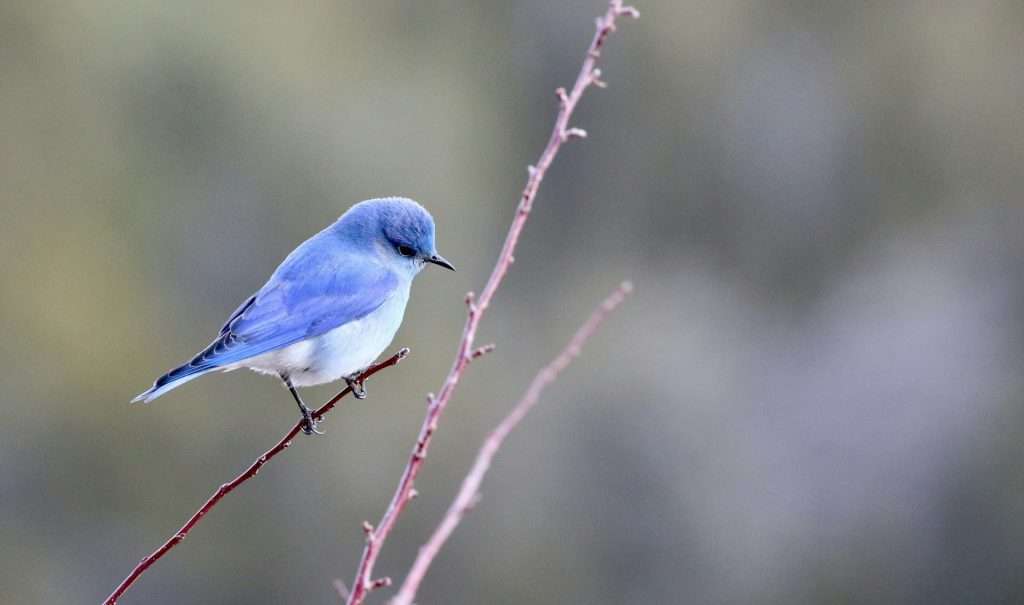
The habitat is ideal for various raptors, including Red-tailed Hawks and potentially Golden Eagles. Target species for the area often include woodland residents like Western Bluebirds, Mountain Bluebirds (especially in winter), and various woodpeckers and nuthatches. Crucially, the Fort Stanton area—specifically the nearby Capitan Mountains—is known to be a northern range limit for the elusive Montezuma Quail, a highly sought-after and secretive bird that favors the pinyon-juniper woodlands and bunchgrasses for cover. The presence of the Rio Bonito riparian zone also ensures sightings of songbirds and migrants that rely on the vital water source, making Fort Stanton a valuable stop for both resident and transient avian populations.
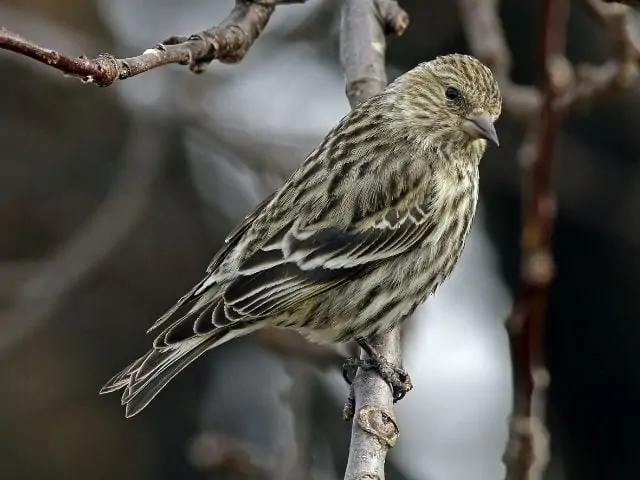
Target Birds
Common Nighthawk
Warbling Vireo
Lazuli Bunting
Pine Siskin
Spotted Towhee
Bewick's Wren
The Fort Stanton website has lots of information for visitors about the facilities and services offered there.
The Jack Pine Ghost: Finding the Kirtland's Warbler in Michigan
Clayton Lake State Park
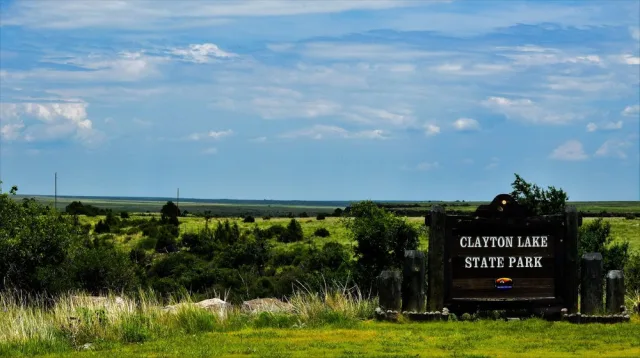
Clayton Lake State Park is a fantastic birding destination situated in the high plains of northeastern New Mexico, approximately 12 miles northwest of the town of Clayton. Geographically, the park lies on the northern edge of the Kiowa section of the Panhandle National Grasslands, placing it within the Raton section of the Great Plains physiographic province. This environment is characterized by rolling hills, flat plains, and mesas protected by ancient basalt flows, creating a unique mix of high-desert grassland and volcanic geology.
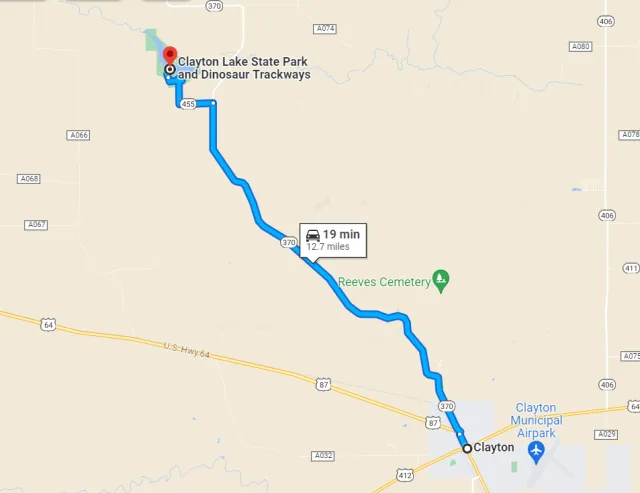
The park's central feature is the 170-acre Clayton Lake, an impoundment of Seneca Creek. This body of water, along with the riparian areas along the creek's edge and the surrounding short-grass prairie habitat, creates a critical oasis for both resident and migratory birds in an otherwise arid region. The park is perhaps most famously known for its well-preserved dinosaur trackway located near the dam's spillway, offering a historical bonus for visitors.
The park’s position as a water source on the high plains makes it a magnet for waterfowl and raptors, especially during the cooler months. From October through April, when boating is prohibited, the lake becomes a peaceful refuge hosting large numbers of Canada geese, various species of ducks (such as Ruddy Duck and American Coot), and grebes. Late Fall is also excellent for viewing Bald Eagles and other raptors that come to hunt.
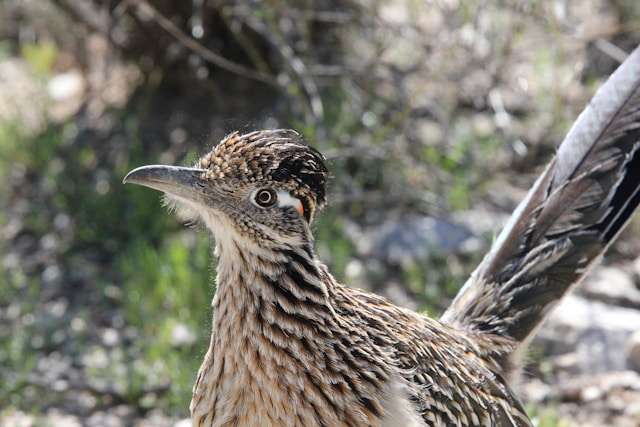
Throughout the year, birders can explore the riparian zone along the Nature Trail on the west side of the park, which attracts a wide array of passerines during spring and fall migrations. Resident species like the Greater Roadrunner, Scaled Quail, and various woodpeckers (including the Downy and Ladder-backed) are commonly found in the surrounding scrub and trees, making Clayton Lake State Park an essential birding hotspot that bridges the gap between the high desert and the Great Plains.

Target Birds
Lark Sparrow
Shore Lark
Rock Wren
Western Meadowlark
Greater Roadrunner
Least Flycatcher
The Clayton NM Website has details about recreational activities at the lake including walking tracks and birding.
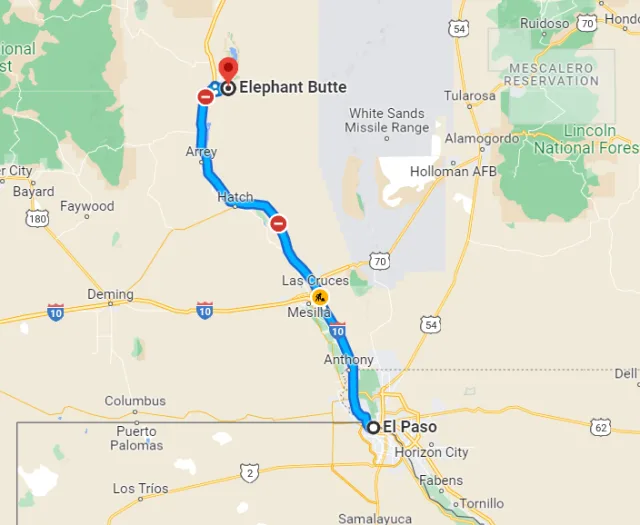
Elephant Butte Lake State Park
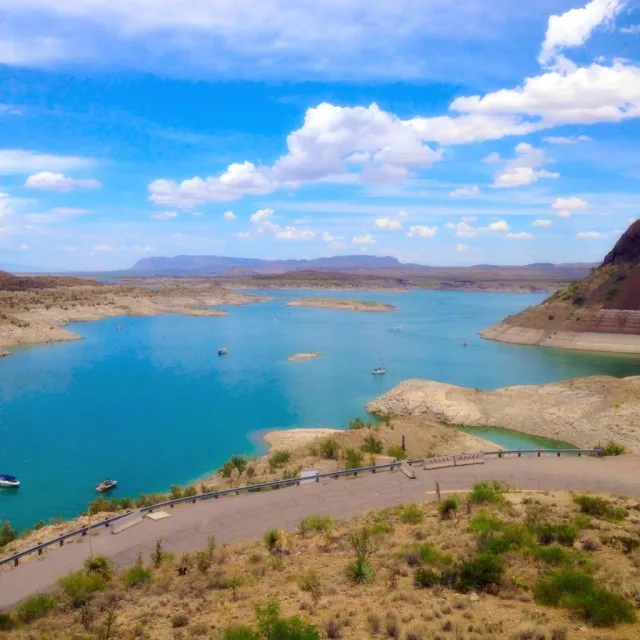
Elephant Butte Lake State Park, the largest state park in New Mexico, is defined by the massive Elephant Butte Reservoir, created by damming the Rio Grande. Located seven miles north of Truth or Consequences in the Chihuahuan Desert, the park’s geography is a dramatic blend of arid scrublands and the immense man-made lake, which boasts over 200 miles of shoreline.
The park's namesake, the Elephant Butte—a volcanic core resembling a resting elephant—is an island (or sometimes a peninsula, depending on water levels) rising majestically from the water. This juxtaposition of a vast freshwater oasis set against the backdrop of the rugged, desert-flanked Rio Grande Rift creates a unique and vital ecological transition zone, drawing wildlife from the surrounding dry habitats directly to the water's edge.
This expansive aquatic environment, coupled with the surrounding desert scrub, makes Elephant Butte a highly productive birdwatching location, particularly between September and May. Over 200 species have been recorded, with the reservoir acting as a major stopover for waterbirds along the Central Flyway. Enthusiasts frequently spot large flocks of American White Pelicans and thousands of Western and Clark's Grebes.

The large, open water also attracts various terns, unusual gulls, and raptors, including wintering Bald Eagles. Birding spots near the marinas and the exposed shorelines at points like South Monticello are excellent for observing shorebirds and waterfowl, while the terrestrial areas near the Rock Canyon entrance attract unique desert species such as the Greater Roadrunner and various quail and sparrows.

Target Birds
Verdin
Bullock's Oriole
Lucy's Warbler
Bell's Vireo
Blue Grosbeak
- Cedar Waxwing
The New Mexico EMNRD has recreational information for visitors.
Percha Dam
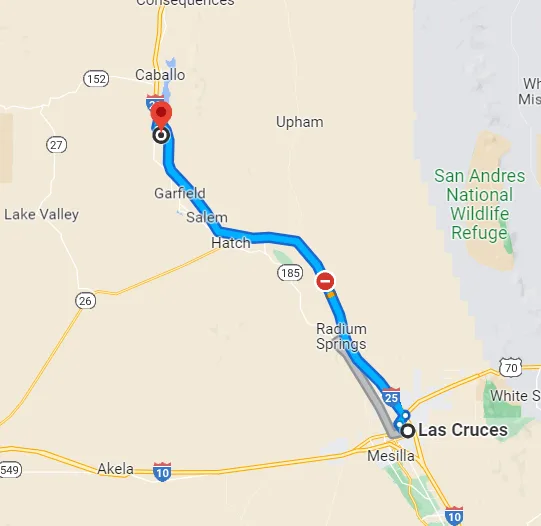
Percha Dam State Park is located in southern New Mexico along the Rio Grande, approximately 21 miles south of Truth or Consequences. Geographically, it sits in the Rio Grande rift valley at an elevation of 4,447 feet, nestled amidst the desert landscape of Sierra County. The dam itself is an historic reinforced concrete diversion weir, built in 1918 to raise the water level slightly for the Rincon Valley Main Canal, which irrigates downstream farmland.
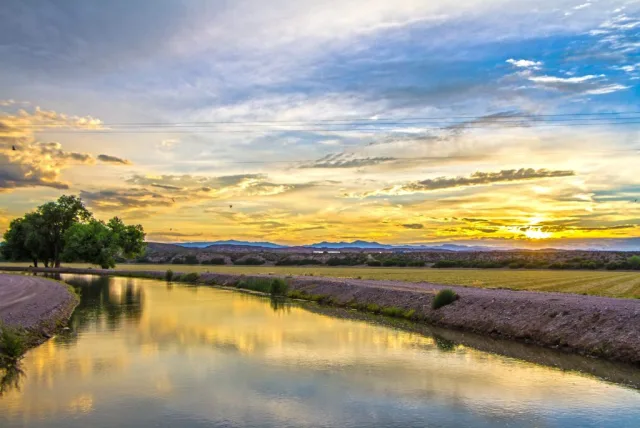
The resulting slow-moving section of the river, combined with the dense riparian forest (bosque) of tall cottonwood and velvet ash trees that shade the 80-acre state park, creates a crucial and lush oasis. This geographical feature—a forested ribbon of water in an otherwise arid region—is what makes the park so invaluable to migrating and resident bird populations.
Percha Dam State Park is considered one of the top five bird-watching sites in New Mexico, boasting an amazing documented list of over 322 bird species. The park’s location along the Rio Grande, a major corridor on the Central Flyway, makes it particularly spectacular during the spring and autumn migration seasons, attracting an abundance of warblers, flycatchers, and vireos that stop to refuel in the dense riverside cover.
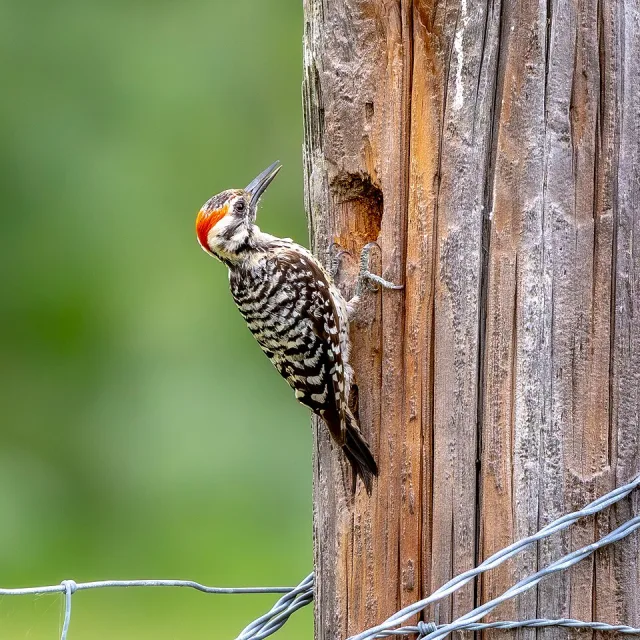
The open area near the river attracts waterbirds, including various ducks, shorebirds, and kingfishers, while the shrubby desert habitat surrounding the park hosts species like the Pyrrhuloxia, Ladder-backed Woodpecker, and various sparrows. The park's annual "Migration Sensation" event celebrates this avian diversity, underscoring its reputation as an essential stop for birders seeking to observe a wide array of passerines, raptors, and waterfowl in a single, accessible location.

Target Birds
Great Horned Owl
Phainopepla
Black-throated Sparrow
Cordilleran Flycatcher
Chihuahuan Meadowlark
Northern Waterthrush
The EMNRD webpage has great information for visitors and details about birding opportunities.
Rio Grande Nature Center State Park
The Rio Grande Nature Center State Park is a vital 38-acre urban wildlife preserve located directly adjacent to the Rio Grande in Albuquerque, New Mexico. Its location is strategically important, sitting right along the Central Flyway, the major North American migratory route. Geographically, the park is situated within the unique Middle Rio Grande bosque (Spanish for "forest"), a linear, low-elevation riparian corridor dominated by mature cottonwood trees, willows, and thick underbrush that provides crucial habitat in the high desert environment.
The park also features four constructed ponds and marshlands that mimic the historical wetland features of the river's floodplain, offering essential aquatic habitat. This blend of wet and wooded environments, contrasted against the surrounding urban development and arid mesas, makes the Nature Center an indispensable stop for both resident and migratory birds.
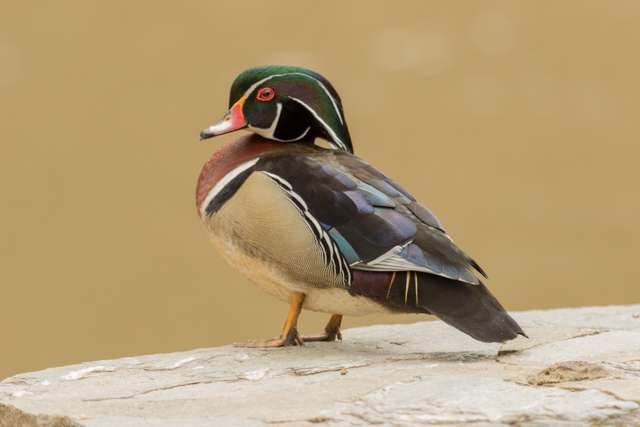
This rich mix of habitats results in excellent, year-round birdwatching opportunities, with over 300 species recorded in the park and surrounding bosque. Around 40 species are permanent residents, including New Mexico's state bird, the Greater Roadrunner, and the colorful Wood Duck, which is often spotted in the ponds.
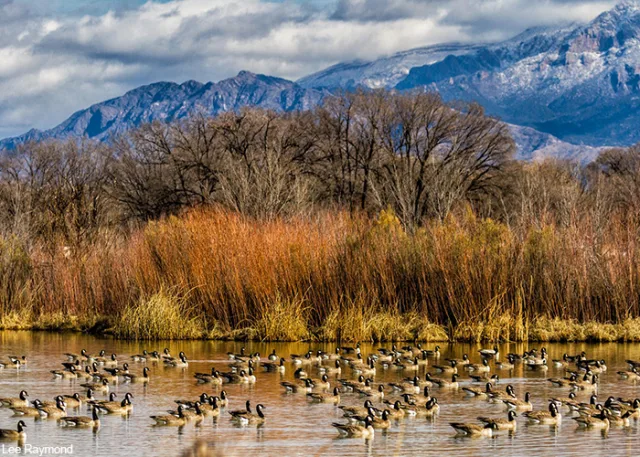
During spring and fall, the park becomes a frenetic migration hotspot for warblers, vireos, and other passerines using the riparian corridor as a safe travel route. In winter, birders flock to the park to see large congregations of Sandhill Cranes and various waterfowl like ducks and geese in the river and ponds. The park is highly accessible, featuring short loop trails, native plant gardens, and unique indoor and outdoor wildlife viewing blinds and an observation room that overlooks a pond, ensuring comfortable birding in any season.
Target Birds
Willow Flycatcher
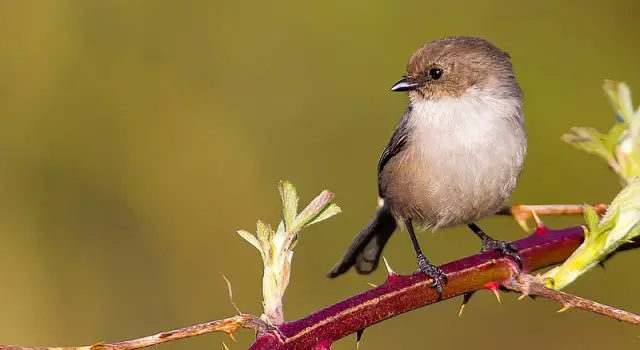
Bushtit
Blue Grosbeak
Greater Roadrunner
Western Bluebird
Ladder-backed Woodpecker
The Friends of the RGNC have their own website with a ton of information about the park and the facilities there.
Wrapping Up
The journey through New Mexico's diverse habitats underscores the state's unparalleled status as a birdwatching haven. New Mexico truly offers an experience for every type of birder, whether you're seeking the spectacular migratory waterfowl and raptors of the open eastern plains or the intimate, concentrated avian life found along the crucial riparian corridors of the Rio Grande. By preserving these state parks and their distinct ecosystems, New Mexico offers essential stopover and breeding sites along the Central Flyway, making it a year-round destination where the unexpected sighting is always just around the corner. Grab your binoculars and field guide, and prepare to be enchanted by the sheer variety and beauty of the Land of Enchantment's feathered residents and visitors.
The Granite and the Great Ocean: A Birder’s Guide to Maine’s Seabirds
