Love The Birds is reader-supported. When you purchase through one of our links we may earn an affiliate commission (at no cost to you).
New Hampshire - Best Birding Locations
Share your love
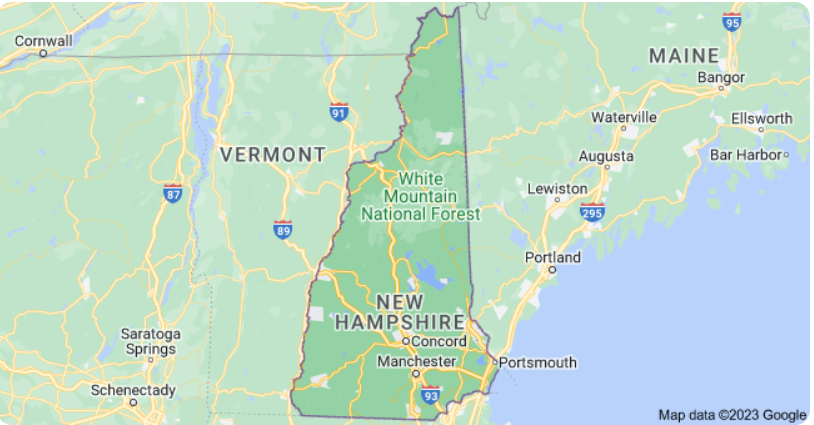
New Hampshire, with its remarkable diversity of ecosystems, is an exceptional destination for bird watchers.Despite its small size, the state's geography ranges from a rugged Atlantic coastline to the soaring peaks of the White Mountains, creating a variety of habitats that support a stunning array of avian life.The mosaic of environments includes salt marshes, boreal forests, freshwater wetlands, and alpine tundra, each attracting its own unique species.
This rich tapestry of landscapes ensures that whether you're a seasoned birder seeking elusive boreal species or a casual observer hoping to spot a bald eagle, New Hampshire offers a rewarding experience year-round. From the coastal havens that are magnets for migrating seabirds to the northern forests where you can find species more common to Canada, the Granite State is a birding paradise just waiting to be explored.
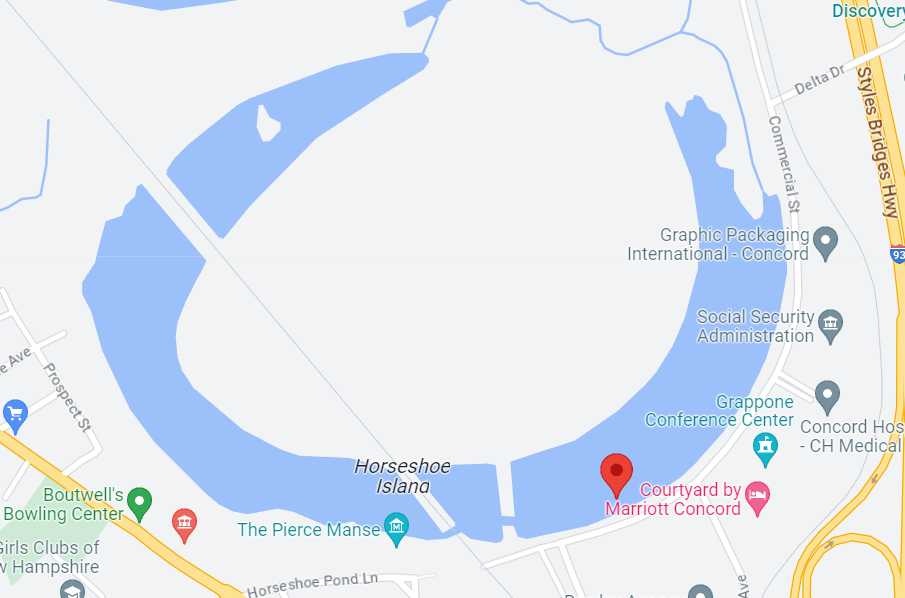
Horseshoe Pond, Concord
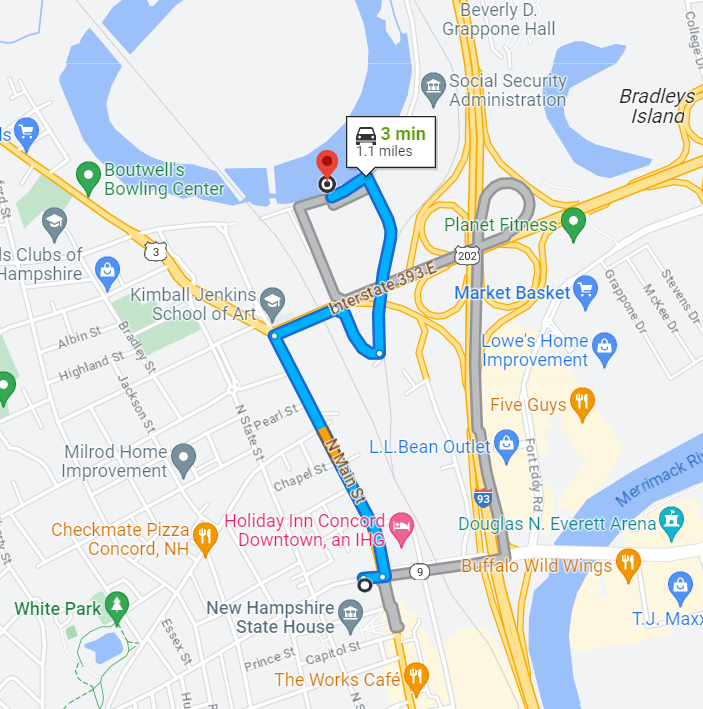
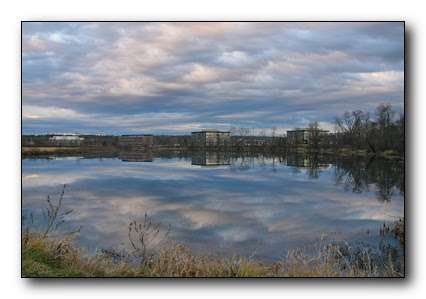
Horseshoe Pond is a notable feature in the city of Concord, New Hampshire, located at the head of Main Street. Its unique name is derived from its geographical shape, which resembles a horse's shoe. Geographically, it is a oxbow lake, a remnant of a former channel of the Merrimack River, to which it is still connected by a brook.
This connection allows the pond's water levels to fluctuate with the flow of the Merrimack, creating a dynamic wetland environment. The area around the pond includes a mix of open water, wetlands, and fields, providing diverse habitats.
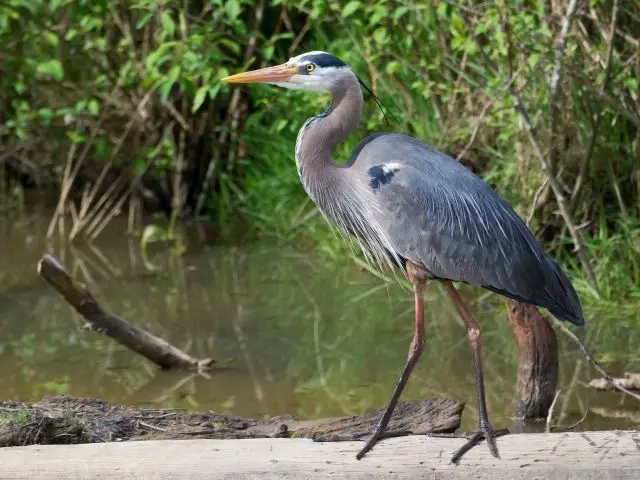
The varied habitats of Horseshoe Pond make it an excellent location for bird watching. The pond and its surrounding areas attract a wide array of avian species, especially during the spring and fall migrations. Birders can expect to see numerous waterfowl and wading birds, including various duck species like Wood Ducks, as well as Great Blue Herons and Double-crested Cormorants.
Great Blue Heron
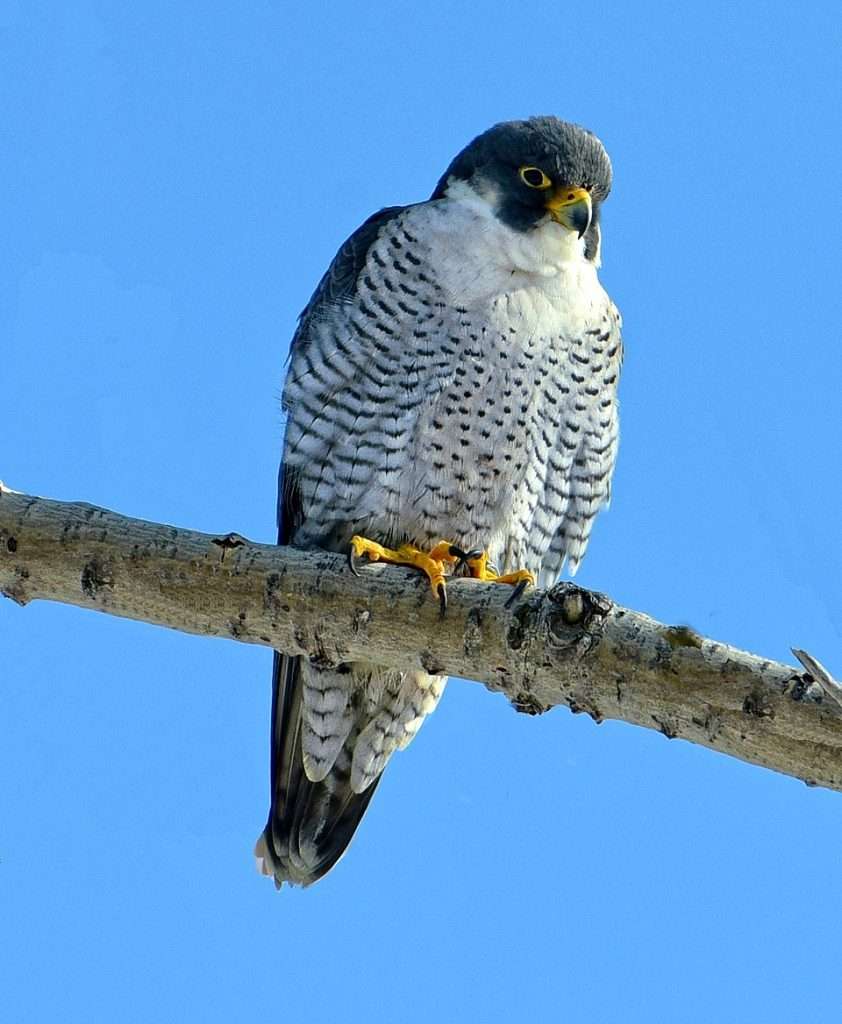
The fields and wetlands are also a "hot spot" for migrating warblers, sparrows, and other songbirds. Resident species such as woodpeckers, chickadees, and finches can be spotted year-round. The area also hosts birds of prey, with sightings of Bald Eagles, Peregrine Falcons, and Red-tailed Hawks.
Peregrine Falcon
Target Birds
Willow Flycatcher
Chimney Swift
Bobolink
Baltimore Oriole
Brown Thrasher
Osprey
Greater and Lesser Yellowlegs
TheNew Hampshire Audubon website has general information about birding in New Hampshire and is a good place to start. Horseshoe Pond is mentioned on the Rare Alerts page as it regularly sees unusual species.
Star Island, Rye
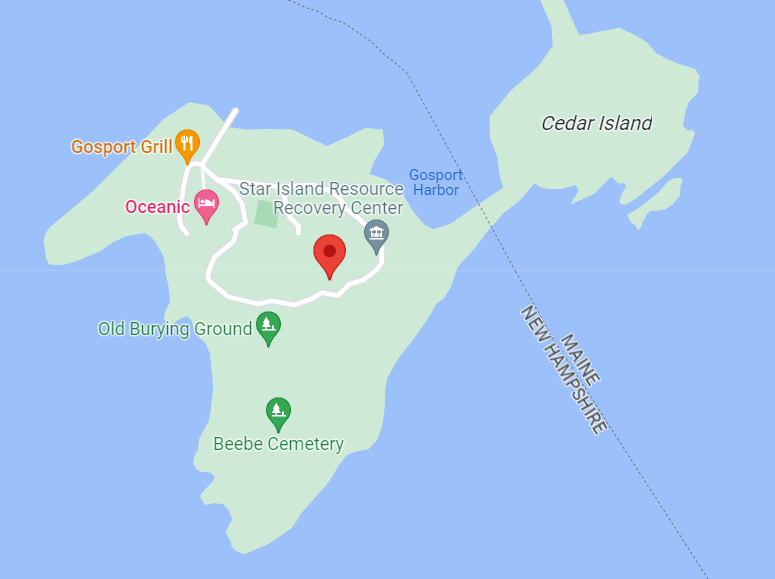
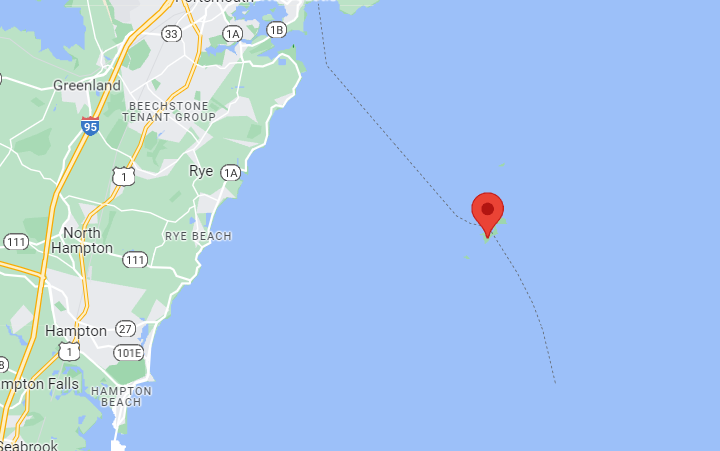
Star Island is a rugged, 38-acre island located in the Isles of Shoals, a group of nine small, rocky islands straddling the border of New Hampshire and Maine. It lies approximately seven miles off the New Hampshire coast, accessible by ferry from the mainland. The island's geography is characterized by its rocky shoreline, a result of glacial scouring and erosion, with a thin layer of post-glacial soil supporting a sparse vegetation.
The island's bedrock is composed of metamorphic and igneous rocks, including gneiss and granite, which are cut by narrow, more easily eroded dikes. Despite its small size, Star Island is the largest of the four islands in the group belonging to New Hampshire and has been home to a historic fishing village and a grand Victorian hotel, the Oceanic.
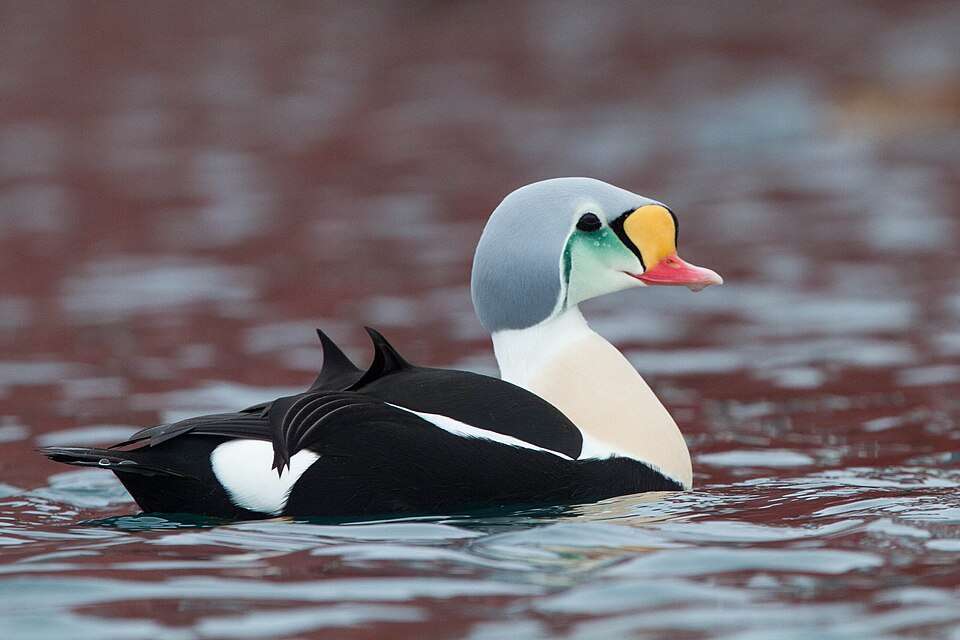
Star Island's location and unique geography make it an exceptional spot for birdwatching, particularly during migration seasons. The island acts as a significant "migrant and vagrant trap" for birds traveling along the coast. Birders can expect to see a wide variety of species, from more common migrants to rare vagrants like the King Eider or Lark Sparrow.
King Eider
Over 280 bird species have been recorded on the island, with many spotted during dedicated birding weekends in the spring and fall. Beyond land birds, the island's offshore location provides opportunities for seabird watching, with potential sightings of alcids, fulmars, shearwaters, and gannets. The rocky shorelines and protected harbors also attract shorebirds and waterfowl, making Star Island a prime destination for ornithologists and enthusiasts alike.
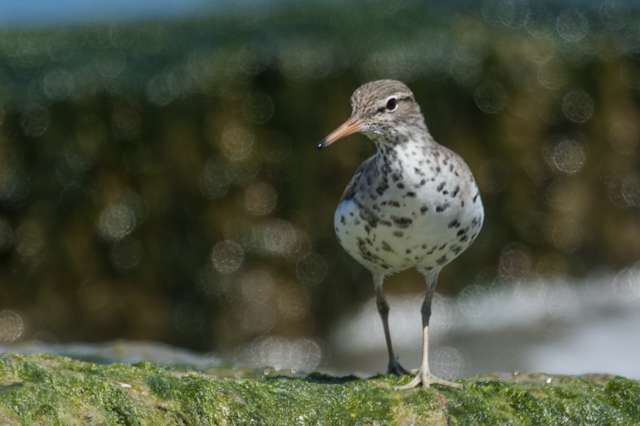
Spotted Sandpiper
Target Birds
American Redstart
Common Tern
American Oystercatcher
Purple and Spotted Sandpiper
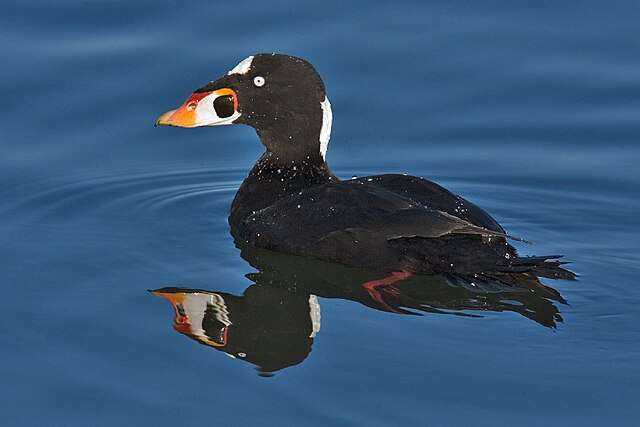
White-winged Scoter
Great Northern Diver
Swainson's Thrush
TheStar Island website is the place to start when planning a visit. They have regular bird watching and nature programs.
Pickering Ponds, Rochester
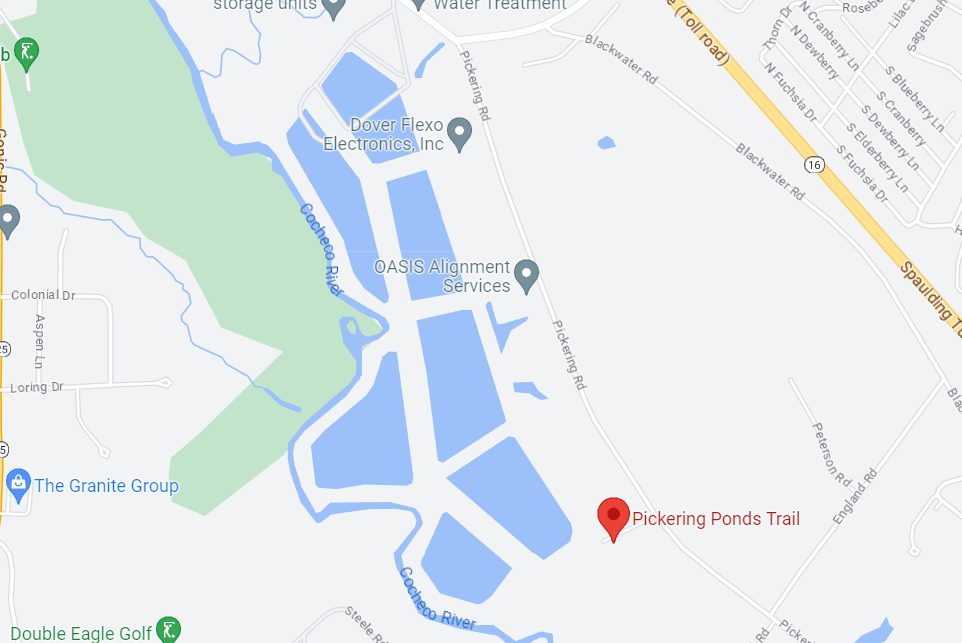
Pickering Ponds is a recreational area situated in Rochester, New Hampshire, with a trailhead located on Pickering Road. The site features a series of ponds and trails that loop along the Cocheco River. While some of the ponds were originally designed as part of a wastewater treatment system, they were never used for that purpose and have since become a valuable natural habitat.
The geography of the area is characterized by a mostly flat and easy terrain, making the trails accessible for a wide range of visitors, including families and those with limited mobility. The trails, which cover over two miles, wind through forested areas, offering a peaceful and scenic escape from the nearby city.
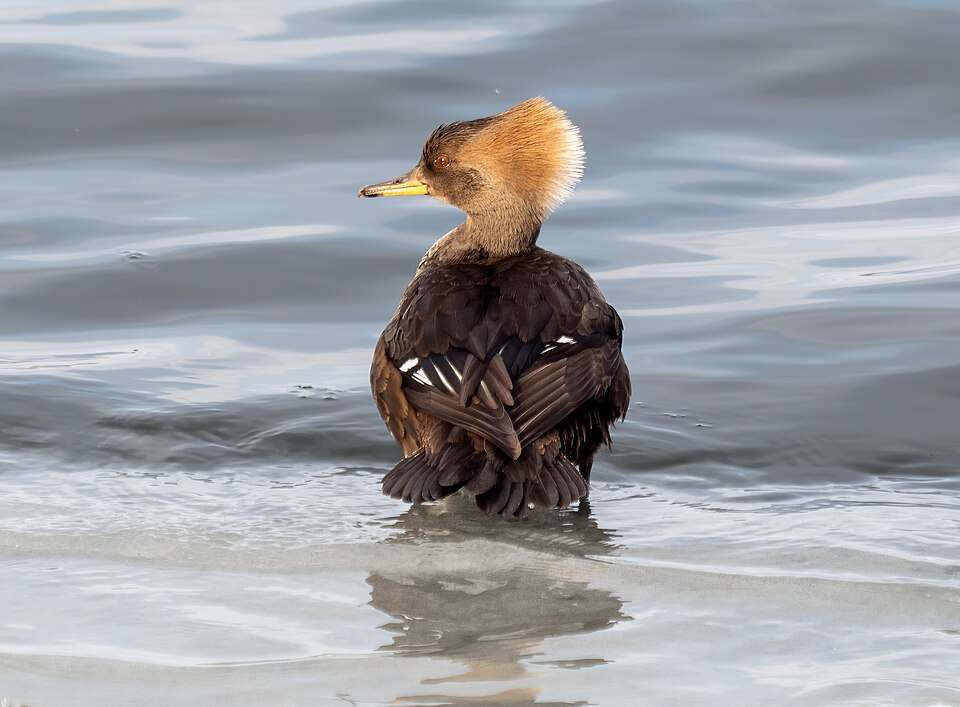
This unique combination of ponds, river, and woodlands makes Pickering Ponds a fantastic location for birdwatching. The diverse habitats attract a variety of bird species throughout the year. Birders can expect to see waterfowl like Wood Ducks and Hooded Mergansers on the ponds, while the surrounding forests are home to woodpeckers, nuthatches, and vireos.
Hooded Merganser
The area is also known for sightings of larger birds such as Great Blue Herons, Green Herons, and Turkey Vultures. The ease of access and the variety of species make Pickering Ponds a popular spot for both beginner and experienced birders, with the New Hampshire Audubon Society even hosting events there.
Green Heron
Target Birds
Double-crested Cormorant
Belted Kingfisher
Veery
Ovenbird
Rose-breasted Grosbeak
Black-billed Cuckoo
Broad-winged Hawk
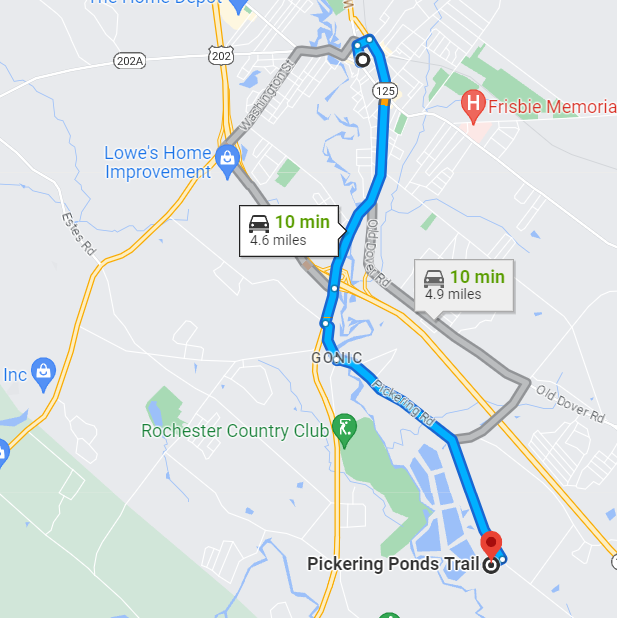
TheRochester city website has access information for the site as well as a map of the trails.
Great Bay NWR
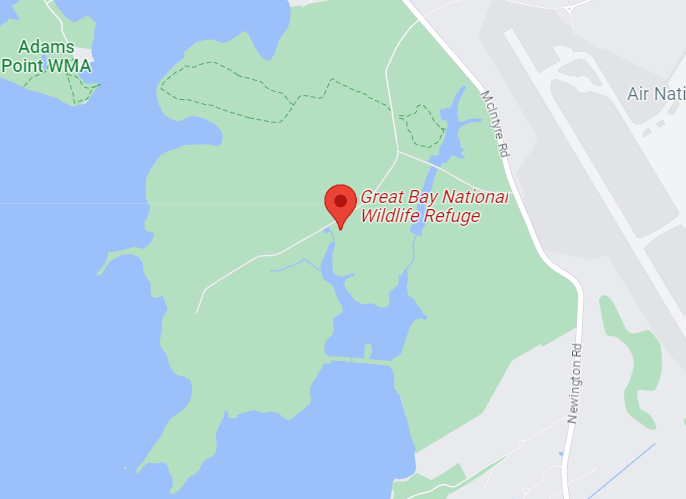
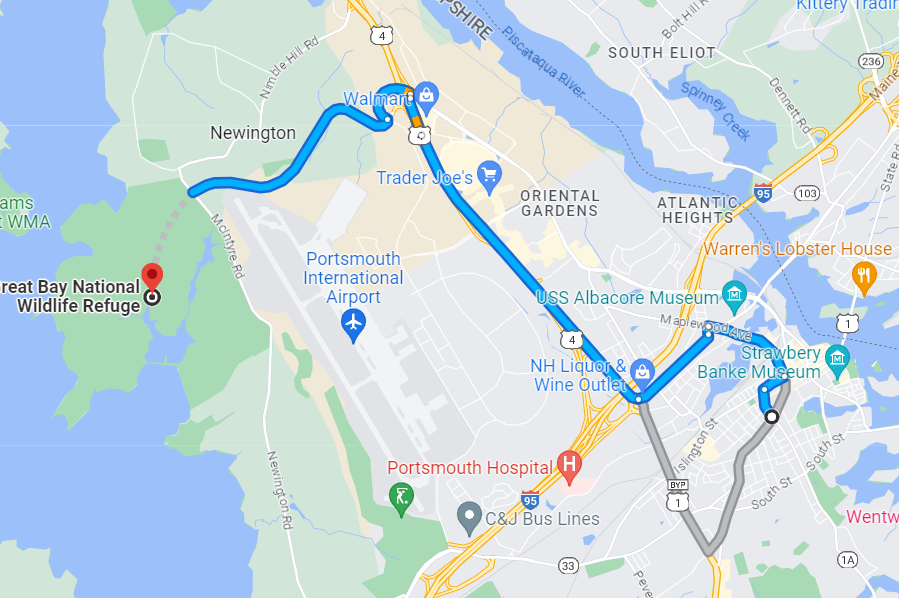
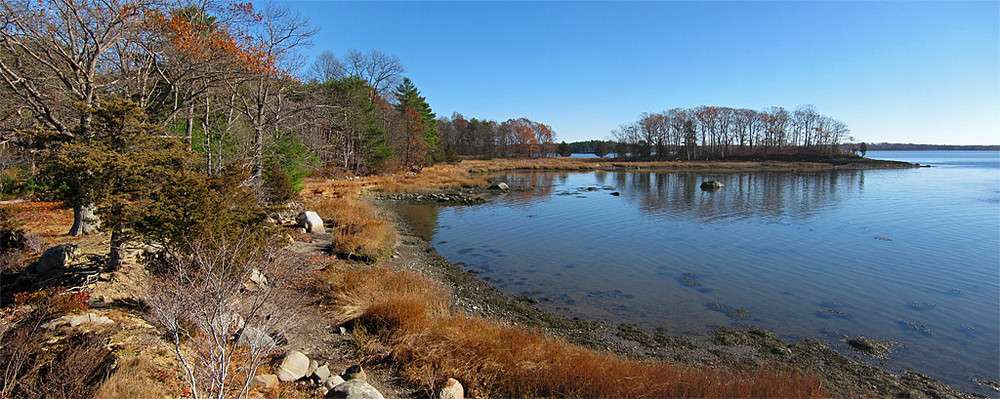
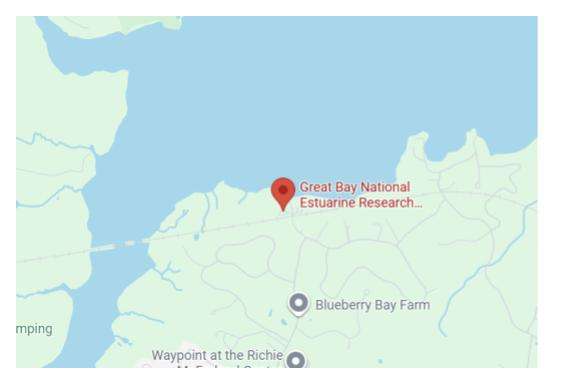
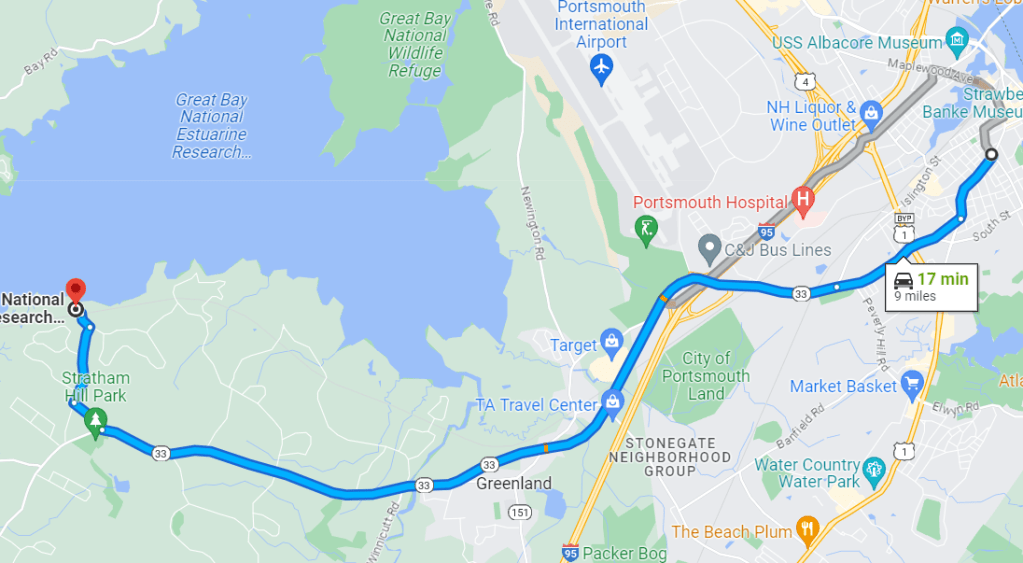
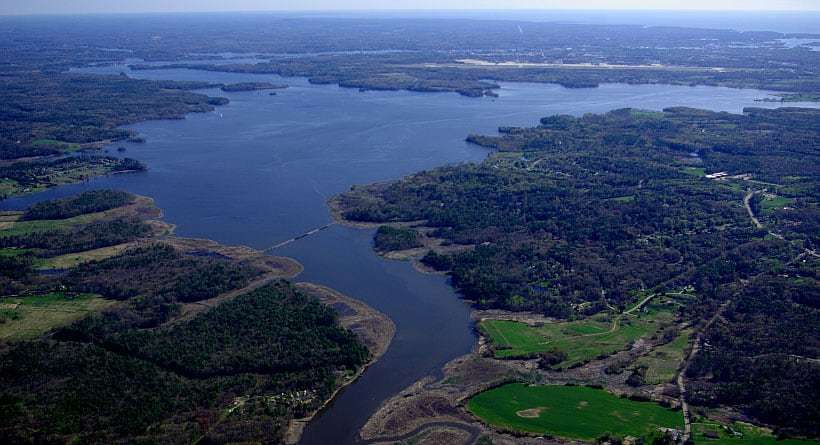
Great Bay National Wildlife Refuge (NWR) is situated along the eastern shore of New Hampshire's Great Bay, a large, recessed tidal estuary in the southeastern part of the state. Established in 1992, the refuge encompasses over 1,000 acres of diverse habitats, including mudflats, salt and freshwater marshes, ponds, streams, woodlands, and fields.
The geography is defined by the bay itself, a unique environment where saltwater from the Atlantic Ocean, brought in by tides via the Piscataqua River, mixes with freshwater from several tributaries. This confluence of fresh and saltwater creates a rich ecosystem, and the dramatic tidal range exposes more than 50% of the bay as mudflats at low tide, providing a crucial feeding ground for numerous species.
This variety of habitats and its location on the Atlantic Flyway make Great Bay NWR a premier destination for birdwatching. The refuge is known for supporting New Hampshire's largest concentration of wintering Bald Eagles and Black Ducks, which can be spotted soaring overhead or on patches of open water during the colder months.
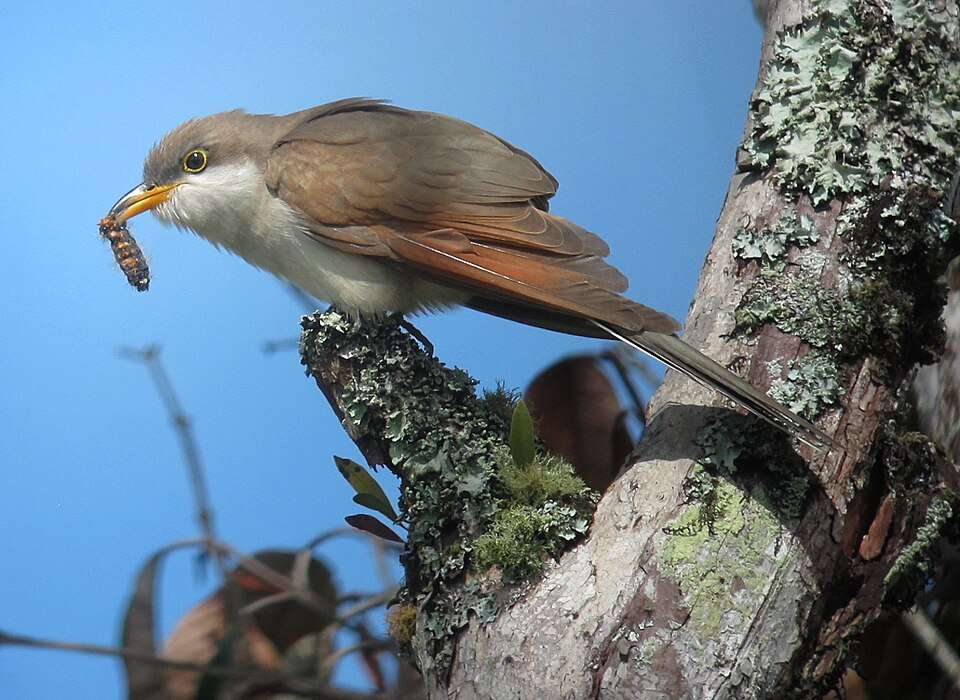
Yellow-billed Cuckoos
Throughout the year, visitors can also see a wide range of other birds, including osprey, which nest on the refuge, as well as migrating ducks, geese, shorebirds, and songbirds in the spring and fall. The refuge's trails and observation points, including a wheelchair-accessible boardwalk at Upper Peverly Pond, offer excellent opportunities to view the abundant avian life and other wildlife, making it a valuable resource for both casual visitors and dedicated birders.
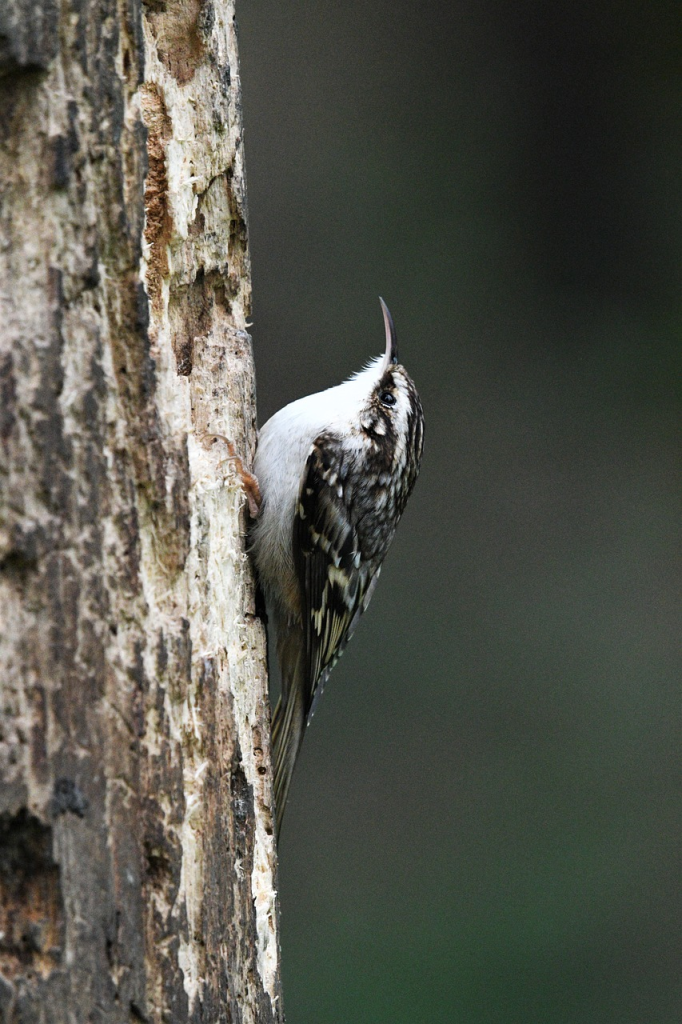
Brown Creeper
Target Birds
Yellow-billed Cuckoo
Common Tern
Brown Creeper
Black-throated Green and Pine Warbler
Indigo Bunting
Barred Owl
TheU.S. Fish and Wildlife Service has an informative pdf file to download with really helpful information about the area and the birds within it.
Hinsdale Setbacks
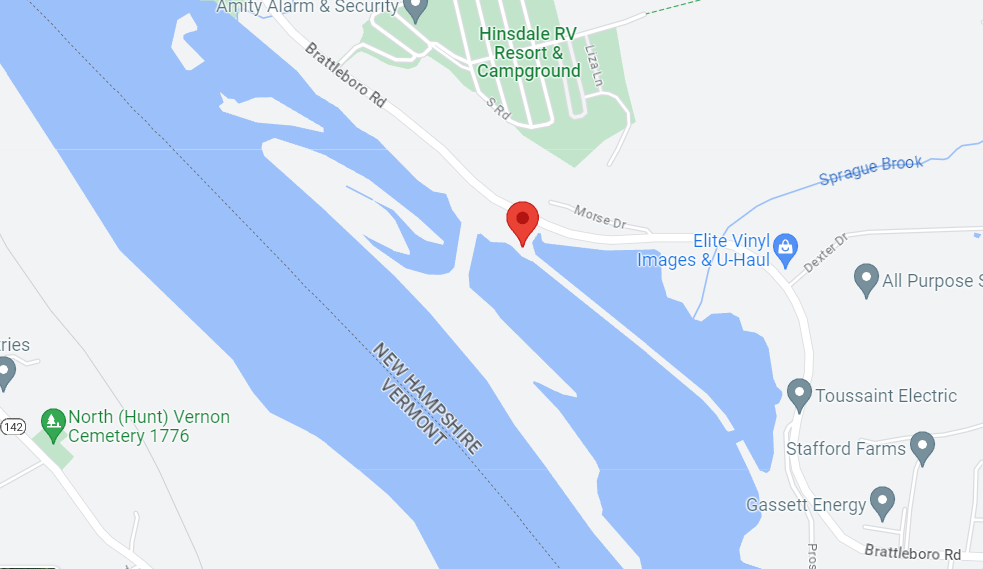
Hinsdale Setbacks are located in the southwestern corner of New Hampshire, situated on the eastern bank of the Connecticut River. This prime location is at the intersection of three states—New Hampshire, Vermont, and Massachusetts—making it a major inland migratory route for birds.
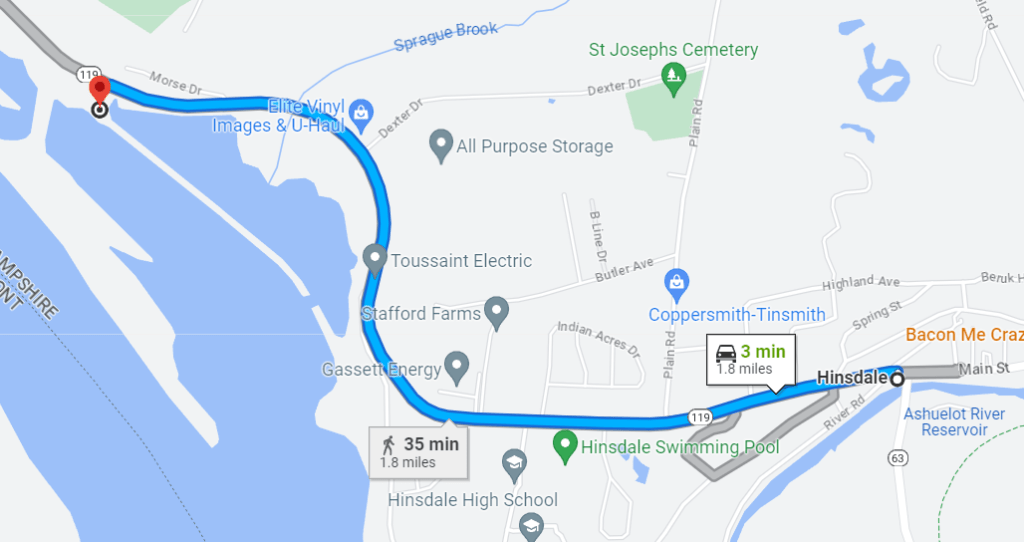
The geography is characterized by a diverse mix of habitats, including emergent wetlands, open water, riparian, and upland forests. This variety is key to the area's high avian diversity. The "setbacks" themselves refer to a series of sheltered coves and lagoons on the river, bordered by a large cattail marsh and the New Hampshire bank. A well-maintained rail trail runs along this bank, providing easy access to the various habitats.
Hinsdale Setbacks are a premier birding destination in New England, with an impressive list of 244 species recorded. The site is particularly renowned for its opportunities to view migrating waterfowl and songbirds. During spring and fall migration seasons, visitors can witness large "fallouts" of species as they pass through the Connecticut River Valley.
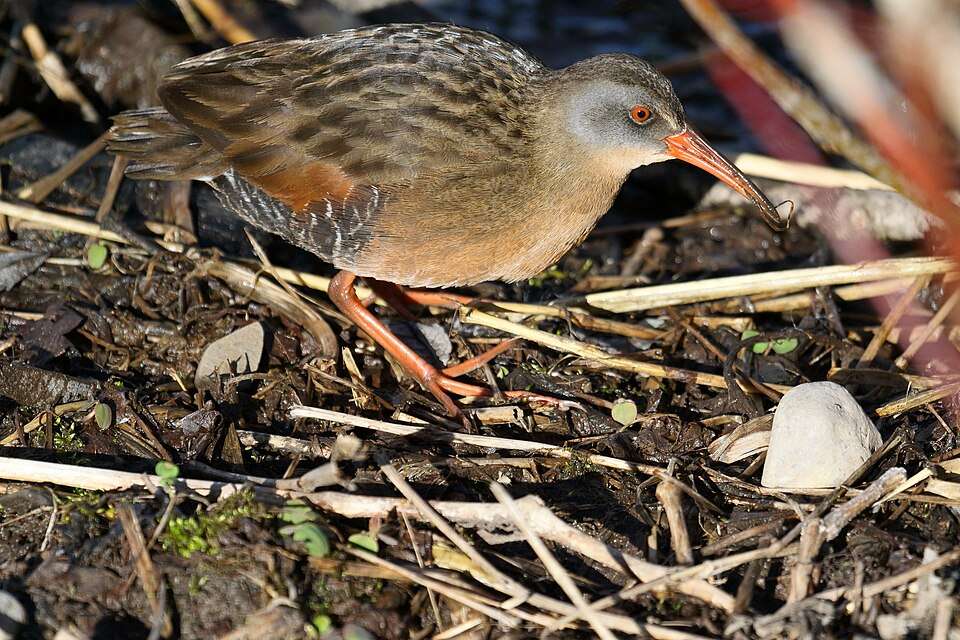
Virginia Rail
The area is home to year-round residents as well, including a large winter population of Hooded Mergansers. The diverse habitats also support nesting Bald Eagles, Peregrine Falcons, and a variety of marsh birds like Virginia Rail, Marsh Wren, and Swamp Sparrow. Whether walking the rail trail to scan the open water for ducks and grebes or venturing into the reed beds to find rails and herons, the Hinsdale Setbacks offer exceptional bird-watching opportunities for all skill levels.
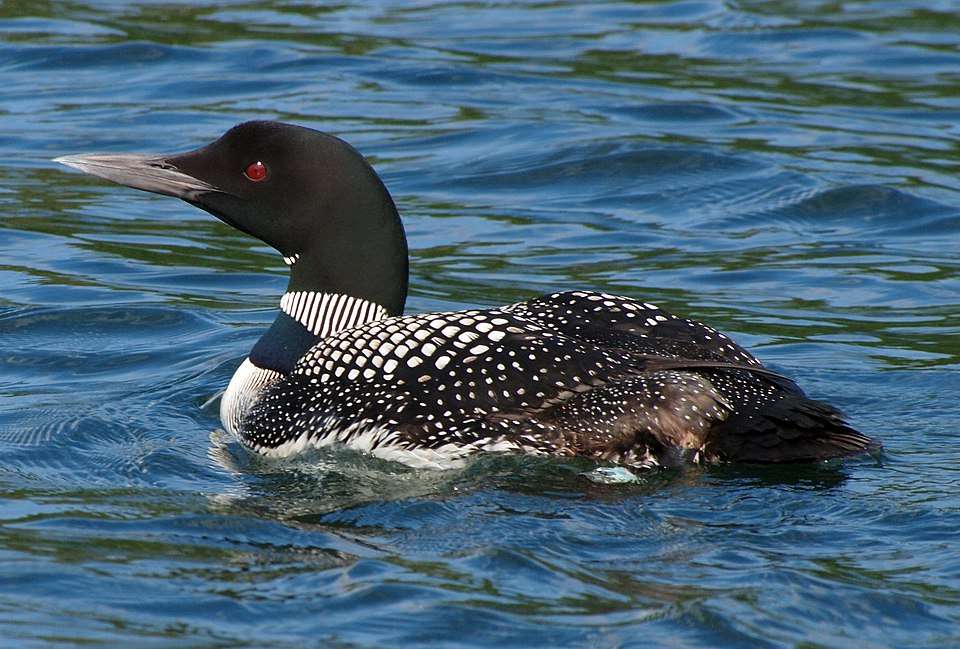
Common Loon
Target Birds
Great Northern Diver
Alder, Least and Willow Flycatcher
Warbling Vireo
Yellow-bellied Sapsucker
Virginia Rail
Northern Waterthrush
TheVermont Center for Ecostudies offers a free downloadable book giving history of the area and the birds found there.
About The Author
Palmer Howell
Palmer is a bird watcher and writer with 20 years experience of documenting the birds he has seen and the places he has visited. He has traveled all over the world to find the beauty of common birds and photograph rare and exotic species. Now he is sharing his knowledge about bird watching, bird species and all the gear needed to care and photograph our feathered friends.
Read more about Love The Birds on our About page.