
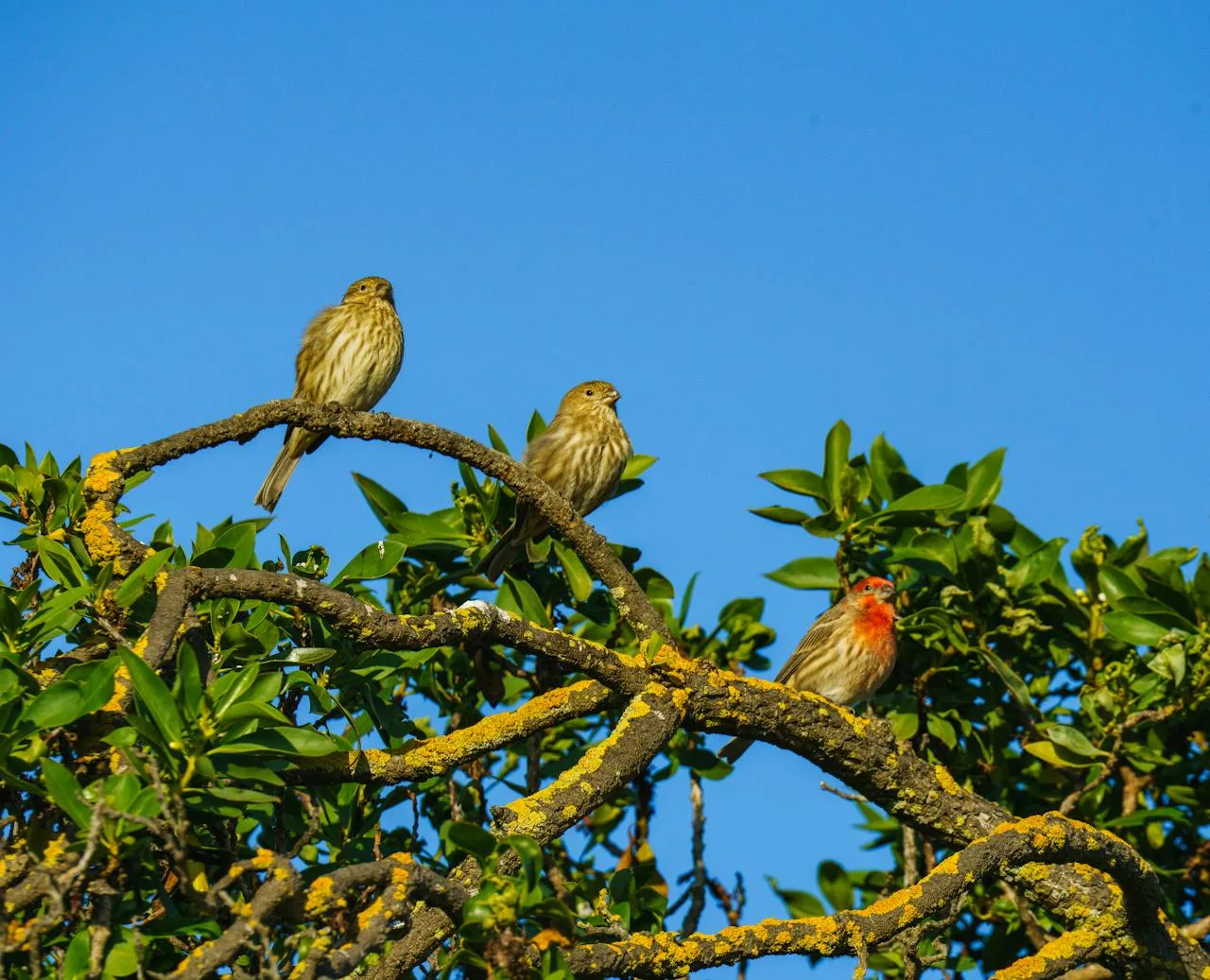
As the vibrant foliage of autumn gives way to the stark beauty of winter, a different kind of thrill sweeps through the birding community, especially for those in New England. This isn't just about spotting resident species braving the cold; it's about the tantalizing prospect of irruptive visitors from the boreal forests of Canada – the winter finches. For many birders, the release of the annual Winter Finch Forecast by Ron Pittaway (and now Tyler Hoar) is akin to a meteorological prediction for avian enthusiasts, dictating where these fascinating, nomadic birds might descend in search of sustenance.
New England, with its northern latitude, extensive conifer forests, and a mix of deciduous trees, is often a prime beneficiary of these finch movements. When seed crops fail further north, species like Common Redpolls, Pine Siskins, various Crossbills, and Evening Grosbeaks push south, transforming a quiet winter landscape into a hotspot of avian activity. Knowing what to look for, and where, can turn an ordinary winter walk into an extraordinary birding adventure.
Understanding the Forecast: Why New England Matters

The Winter Finch Forecast is essentially a prediction of where conifer and birch seed crops are plentiful or scarce across Canada. When food sources are abundant in the north, finches tend to stay put. But when crops fail, these birds, driven by hunger, embark on large-scale migrations – known as irruptions – to areas where food is more readily available. New England, particularly its northern states like Maine, New Hampshire, and Vermont, lies directly in the path of many of these potential irruptions, making it a critical region for finch watchers. Even southern New England states can see significant numbers, especially during strong irruption years.
Where to Find the Stunning Brown-Capped Rosy-Finch in the Rocky Mountains.
The Cast of Characters: New England's Winter Finches
Let's delve into the specific finch species that New England birders eagerly await each winter:
1. Common Redpoll: These charming, streaky brown finches with a distinctive red cap are perhaps the most anticipated irruptive species. They often move in large, chattering flocks, descending on birch and alder trees to feed on their tiny seeds. Look for them in open woodlands, parks, and even suburban backyards with appropriate vegetation. Their buzzy calls and energetic movements make them easy to spot once you're in the right habitat. Keep an eye out for the occasional "Hoary Redpoll" mixed in, a paler, often whiter-rumped cousin that’s a real prize.
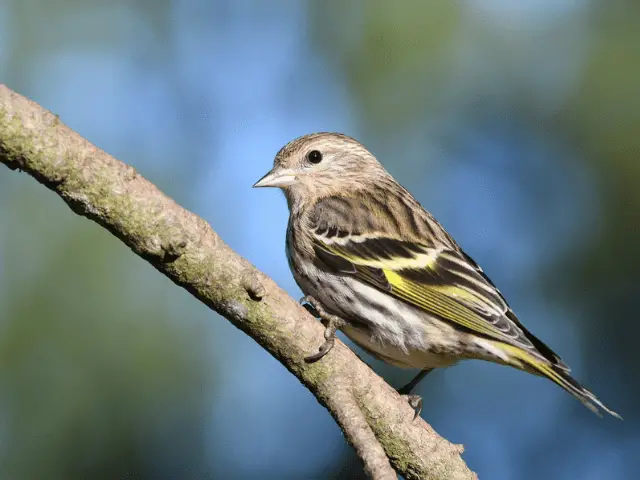
2. Pine Siskin: Though some Pine Siskins can be found in New England annually, irruption years bring them in far greater numbers. These small, streaky brown finches with subtle yellow edgings on their wings and tails are often mistaken for House Finches, but their sharply pointed bills and nervous, erratic feeding behavior distinguish them. They are specialists in conifer seeds, particularly spruce, but will also visit nyjer feeders. Listen for their distinctive, wheezy "zzzzzzzt" call.
3. Red Crossbill: The Red Crossbill is perhaps the most fascinating of the finches due to its uniquely crossed mandibles, perfectly adapted for prying open conifer cones to extract seeds. These birds are nomadic even within irruption years, following cone crops wherever they may be. There are multiple "types" or "call types" of Red Crossbills, each adapted to feed on specific conifer species (e.g., White Pine, Red Spruce, Hemlock). Identifying these types is a challenge even for advanced birders. Look for them in extensive conifer forests, listening for their distinct "jip-jip" calls.

4. White-winged Crossbill: Similar to their Red counterparts in their specialized bill, White-winged Crossbills are typically found in more northerly spruce and larch forests. When they irrupt, however, New England can be treated to their presence, particularly in areas with tamarack (larch) trees. They are generally shyer than Red Crossbills, and their striking white wingbars against their pinkish (male) or yellowish (female) plumage make them a truly spectacular sight. Their calls are often described as a soft "cheet-cheet-cheet."
5. Evening Grosbeak: These magnificent, large-billed finches were once more common visitors to New England feeders, but their numbers have declined significantly over recent decades. Still, irruption years offer the best chance to see these stunning birds. Males are unmistakable with their bright yellow bodies, black wings with large white patches, and a heavy, conical bill. Females are duller but still impressive. They prefer sunflower seeds and can quickly empty a feeder. Listen for their loud, ringing "cleer!" call.

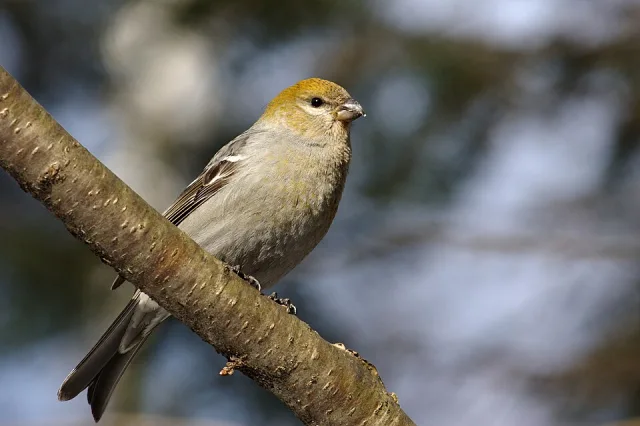
6. Pine Grosbeak: Often considered the "gentle giants" of the finch world, Pine Grosbeaks are relatively large, slow-moving birds. Males are a beautiful rosy-red, while females are duller, often with yellow or orange tones on their head and rump. They feed on buds, berries, and seeds, and can be remarkably tame, allowing close approach. Look for them in spruce-fir forests and areas with fruiting trees and shrubs. Their soft, whistled "pui-pui-pui" call is a good indicator of their presence.
Where to Look and How to Prepare
To maximize your chances of spotting these winter finches in New England, consider the following:
Consult the Forecast: Always check the latest Winter Finch Forecast. While it provides a continental overview, local birding reports and eBird will give you the most up-to-date information on where birds are actually being seen in New England.
Target Habitats:
Conifer Forests: Essential for Crossbills and Pine Siskins (spruce, pine, hemlock, fir).
Birch and Alder Stands: Prime for Common Redpolls.
Mixed Woodlands: Can attract a variety, especially if there are fruiting trees.
Feeders: Evening Grosbeaks and Pine Siskins are frequent visitors to black oil sunflower and nyjer feeders during irruptions.

White-winged Crossbill
Listen Actively: Many finches are more easily detected by their distinctive calls before they are seen. Familiarize yourself with their vocalizations.
Dress Warmly: Winter birding in New England requires appropriate clothing to stay comfortable during potentially long waits.
Bring Binoculars and a Field Guide: Essential for identification, especially for distinguishing between similar species.

The prospect of a winter finch irruption in New England is a yearly source of excitement for birders. These nomadic visitors offer a unique glimpse into the dynamic relationship between birds and their environment. So, bundle up, keep an eye on the forecasts, and head out into the New England winter – you might just be treated to an unforgettable finch spectacle!

We have a medium size bird with yellow stripes over eyes dark tan on back and light tan underneath it has stripes on tail section up near body but not on entire tail. I can’t find out what breed it is.
That is quite tricky. It sounds like it could be the Palm Warbler or one of a couple of sparrows (Savannah or White-throated). Check the Ask Birdie page for full answer and links. If these don't match, let me know if the bird’s yellow stripe appears in front of the eye and if you saw a bright yellow rump patch when the bird flew.