
The spring of 2025 delivered a thrilling, if sometimes unpredictable, season for New England birders. The American Birding Association (ABA) Regional Report for Spring 2025, covering the six states of Connecticut, Rhode Island, Massachusetts, Vermont, New Hampshire, and Maine, showcased a typical mix of on-time migrants, lingering winter residents, and an exhilarating burst of genuine rarities. Overall, the season was defined by a remarkable influx of southern vagrants, a few shocking inland discoveries, and, as always, the joyful return of the warbler migration.
Unprecedented Shorebird Surge
One of the most defining characteristics of the Spring 2025 report was the extraordinary presence of Black-necked Stilts. This species, typically found much further south and west, staged an "unprecedented flurry" of reports across the region from late March through May. While the exact number of individuals is unknown, sightings centered on Massachusetts—specifically the North Shore, Boston, Cape Cod, and Nantucket—but extended into Maine (with six reports), Connecticut, and Rhode Island. This widespread occurrence suggests an unusual weather-related dispersal event or a significant shift in post-breeding patterns.
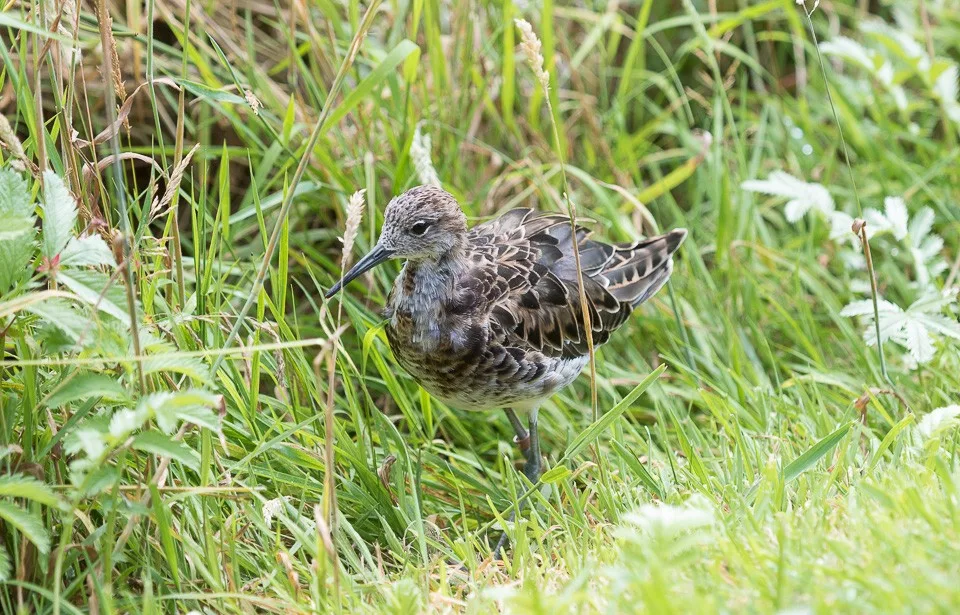
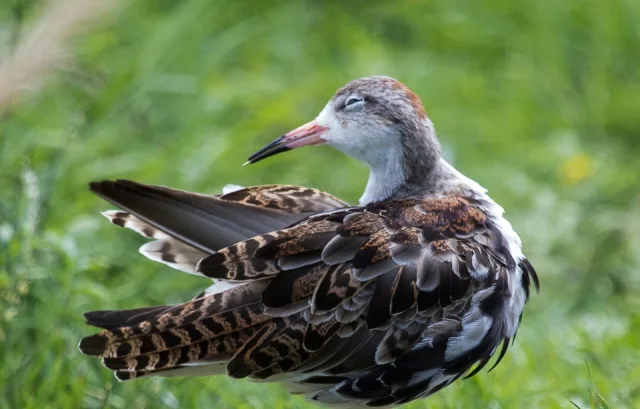
The shorebird highlights didn't stop there. Maine birders were thrilled by a beautiful Ruff in early May at Walsh Preserve, Cumberland County. Perhaps even more spectacular was the one-day appearance of an alternate plumage Curlew Sandpiper at Monomoy NWR, Massachusetts, on May 26th—always a rare and exciting Eurasian vagrant. Inland birders also got in on the action, with two separate sightings of Red-necked Phalaropes in Vermont: one at Dummerston and another at Middlebury, an unusual location for this pelagic species.
Waterfowl and Loons: Lingering Guests and European Vagrants
The waterfowl season extended well into spring, largely thanks to lingering wintering birds and a few notable European visitors. Trumpeter Swans continued to create buzz, with multiple reports across Massachusetts and Vermont, including one late individual documented as late as May 25th in Franklin County, VT.
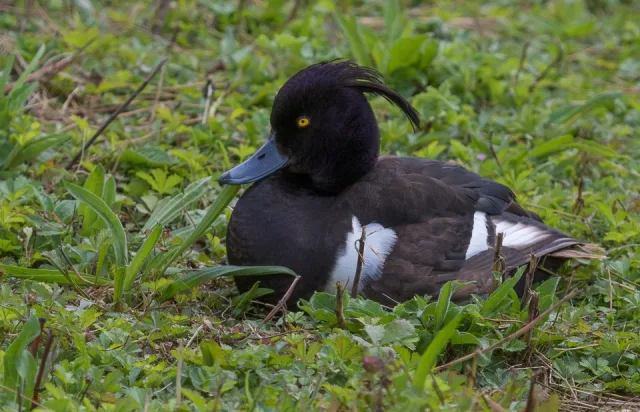
The pattern of Eurasian vagrancy continued with about a dozen reports of Eurasian Wigeon scattered across the southern tier of New England. A standout sighting was the Tufted Duck that remained on Lake Champlain in Vermont through March 10th. Moving to the ocean-going species, wintering Eared Grebes held on well into March in Massachusetts and Connecticut. The now expected handful of coastal Pacific Loons were reported in Maine, New Hampshire, and Massachusetts, though a much more noteworthy individual was sighted far inland at Pontoosuc Lake in Berkshire County, MA, on May 9th.
Southern Vagrants and Early Arrivals
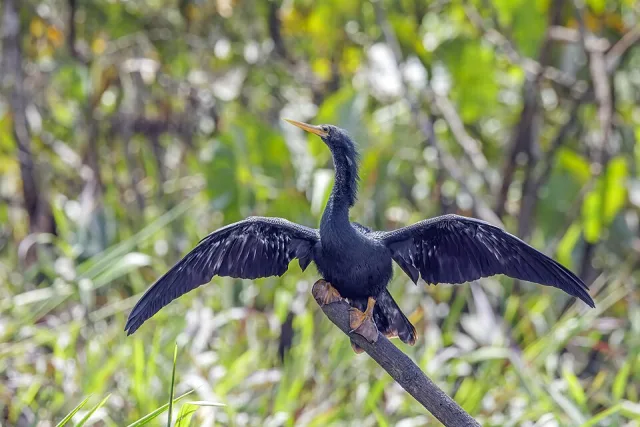
The south-to-north movement brought with it an exceptional number of out-of-range birds, suggesting favorable southerly winds or possibly reflecting broader population range expansions. The appearance of an Anhinga in West Barnstable, MA, on May 17th was a unique highlight for the season. This large water-bird, typically a fixture of southern swamps, is a significant overshoot for the region.
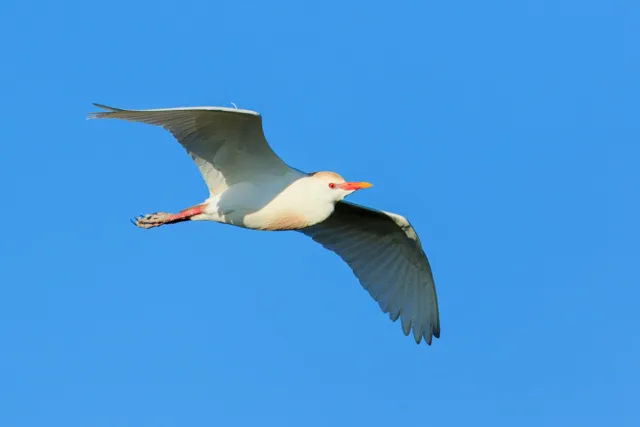
The presence of White-faced Ibis continues to be a consistent feature of New England springs, with birds showing up reliably starting in mid-April along the central Connecticut coast, through Rhode Island, Massachusetts, New Hampshire, and north to Maine's Scarborough Marsh. While most were singles, this species has developed a very predictable coastal profile. Other southern visitors included scattered reports of Western Cattle Egrets across Massachusetts, Maine, Connecticut, and Vermont, and a cluster of five Swallow-tailed Kites on inner Cape Cod in late May.
The early arrival game was strong, with a critically examined Cliff Swallow documented in Old Lyme, CT, on March 9th—setting a new earliest-state record and the second-earliest regional record. This same location produced the region's first Purple Martin on March 17th.
Rare Gulls and Raptors
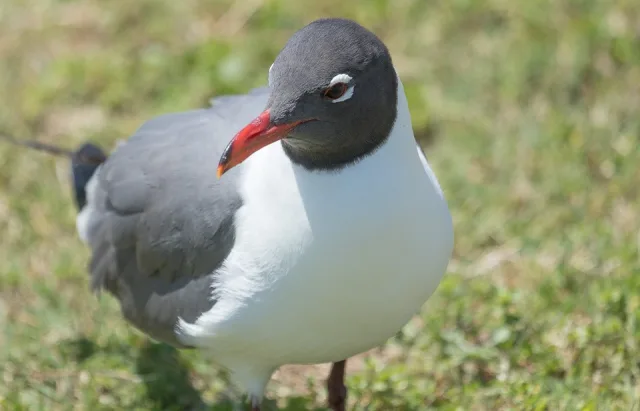
The report included several stunning and geographically unusual gull sightings. Birders in Franklin County, MA, documented a Laughing Gull far inland on April 26th. Even more astounding were the three Franklin's Gulls discovered in a flood plain in West Salisbury, VT, in late May. This is an exceptional find for an inland state like Vermont, as Franklin’s Gulls are normally associated with the Great Plains and West.
Raptor highlights were led by two significant sightings in Massachusetts. A light morph adult Swainson's Hawk (likely the bird that wintered in Gloucester) produced several sightings at Plum Island in April. This, however, was overshadowed by the breathtaking sighting of a dark morph Ferruginous Hawk on Martha's Vineyard on April 5th—a major rarity for the East Coast.

Finally, the elusive Tufted Puffin, a bird that has been documented in the area since 2022, was seen off Dyer Point, ME, in May, and subsequently at Matinicus Rock and Eastern Egg Rock, thrilling observers with this incredible northern hemisphere rarity.
The Spring 2025 season truly underscored New England's position on the Atlantic Flyway, demonstrating its capacity to host not only a massive flow of regular migrants but also a fascinating parade of wayward species that keep the region's dedicated birding community perpetually on the alert.
