
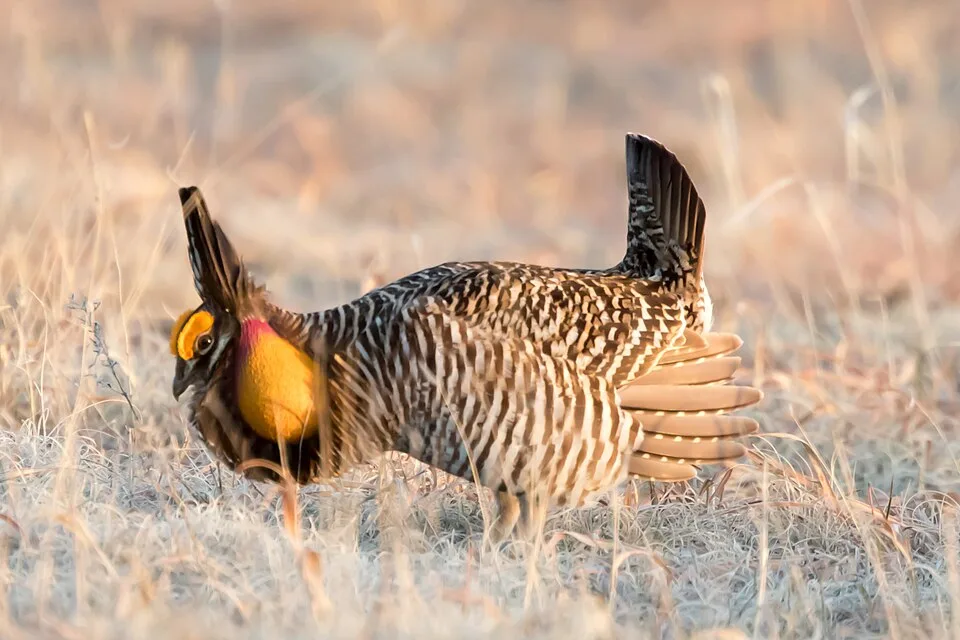
Nebraska, a state often characterized by its expansive prairies and vital river systems, stands as an undiscovered gem for bird watching enthusiasts. Its unique position within two major North American migratory flyways—the Central and Mississippi—makes it a crucial stopover and breeding ground for hundreds of bird species, from grassland songbirds to majestic raptors.
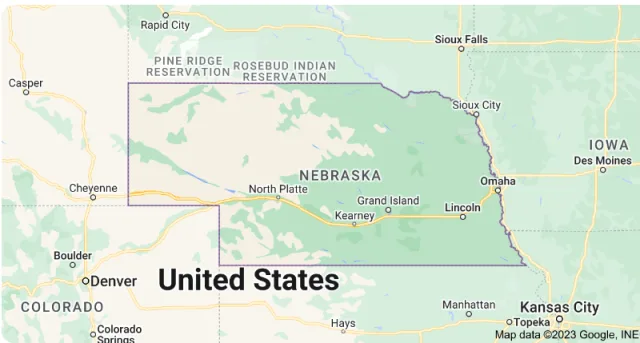
The diverse habitats, ranging from wetlands and woodlands to sandhill lakes, offer spectacular viewing opportunities throughout the year. Whether you're interested in massive migratory events or seeking out rare regional species, Nebraska provides world-class birding experiences. Key locations like the vast Lewis and Clark Lake in the northeast, which attracts thousands of waterfowl and Bald Eagles, and the iconic Rowe Sanctuary along the central Platte River, famous for hosting over half a million migrating Sandhill Cranes each spring, anchor the state's reputation as a premier destination for ornithologists and nature lovers alike.
Branched Oak SRA
Situated just northwest of Lincoln in Lancaster County, Branched Oak State Recreation Area (SRA) is the largest of the man-made Salt Valley Lakes in eastern Nebraska, created as a flood control project along Salt Creek. The geography of the SRA spans over 5,500 acres, dominated by a central 1,800-acre reservoir, Branched Oak Lake. This vast body of water is framed by a diverse landscape of well-maintained recreational facilities, including campgrounds and marinas, alongside extensive natural areas.
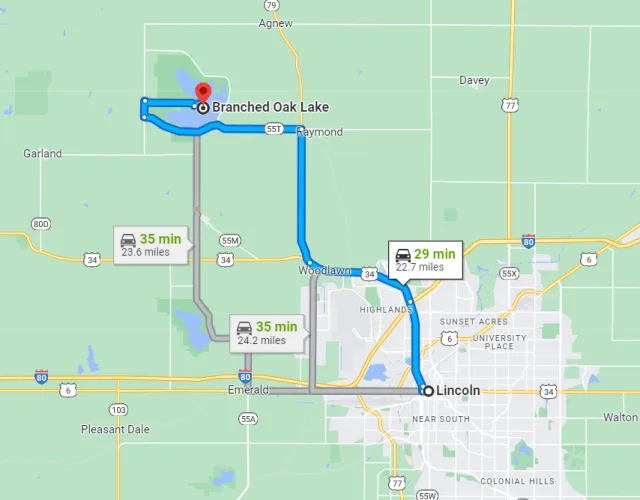
The surrounding terrain is characterized by a mix of tallgrass prairie remnants, dense cottonwood groves, and brushy vegetation in its many inlets and along its seven miles of multi-use trails, creating a crucial mosaic of habitats that attract a wide variety of avian life.
This mix of open water and varied shoreland makes Branched Oak SRA an unheralded but extremely rewarding bird watching destination, especially during spring and fall migrations. The large lake acts as a significant magnet for waterfowl, with vast numbers of ducks, grebes, and loons stopping over; in early spring, thousands of Snow Geese are known to congregate.
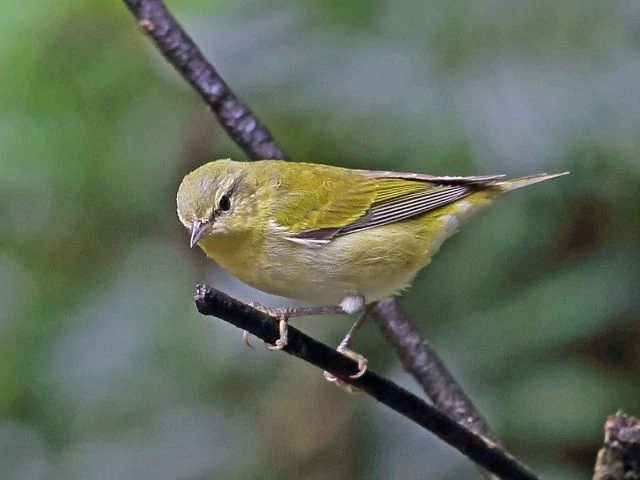
The open water and breaking ice also attract dozens of Bald Eagles, which are a spectacular sight as they hunt along the shoreline. Beyond the water, the wooded and shrubby edges of the park host an excellent array of songbirds, including nesting Eastern Bluebirds, Red-headed Woodpeckers, and various sparrows like the Harris's and American Tree Sparrows, ensuring that the birding opportunities remain high throughout all four seasons.

Target Birds
Western and Eastern Kingbird
Clay-colored and Grasshopper Sparrow
Sand Martin
Tennessee, Blackpoll and Yellow Warbler
Least, Spotted and White-rumped Sandpiper
Common Nighthawk
The Nebraska Game and Parks Commission manages the park and associated activities here.
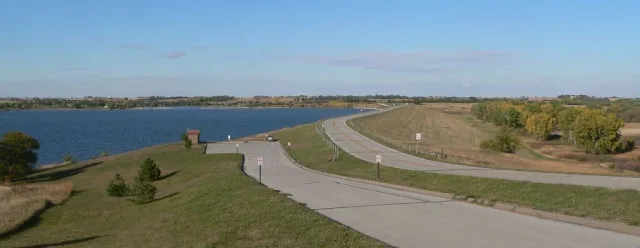
Lewis And Clark Lake
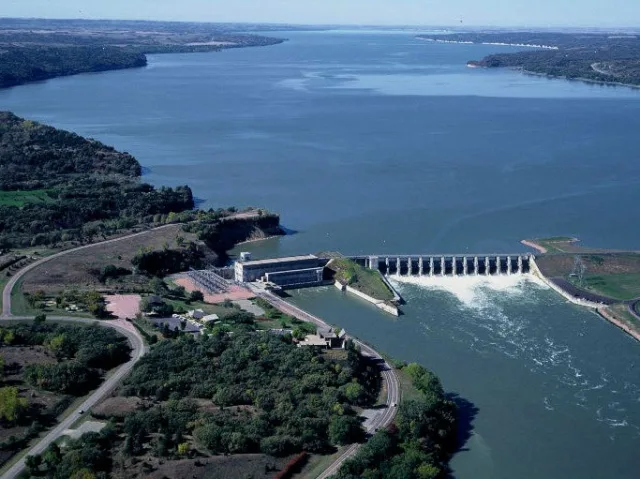
Located in the northeastern corner of Nebraska, Lewis and Clark Lake is a sprawling reservoir on the Missouri River, created by the Gavins Point Dam. Straddling the border with South Dakota, it is the state's second-largest lake and a vital part of the Missouri River flyway. The geographical setting is characterized by the chalkstone-lined bluffs of the river valley, creating a dramatic backdrop for the vast expanse of water.
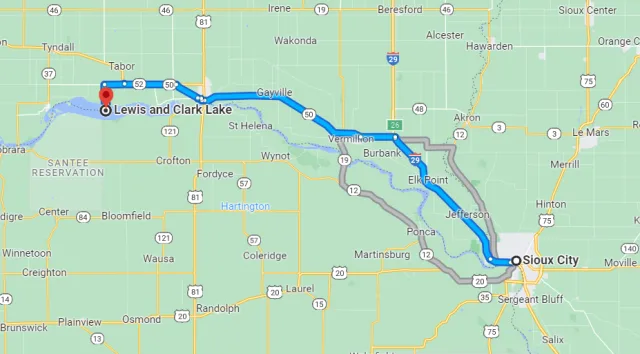
The Lewis and Clark State Recreation Area on the Nebraska side offers diverse peripheral habitats, including wooded shorelines, prairie grasslands, and the smaller Lake Yankton just below the dam. This blend of environments—from open water and river tailwaters to dense cottonwood groves and multi-use trails—provides varied avian opportunities throughout the year.
This massive body of water makes Lewis and Clark Lake a prime destination for water-related birdwatching, particularly during migration and winter. Tens of thousands of waterfowl, including numerous species of ducks, geese, and swans, congregate on the lake during the spring and fall migrations. The dam's open waters in winter, which often remain ice-free, attract large numbers of Bald Eagles, making the area a critical wintering spot where they can be observed by the dozens.
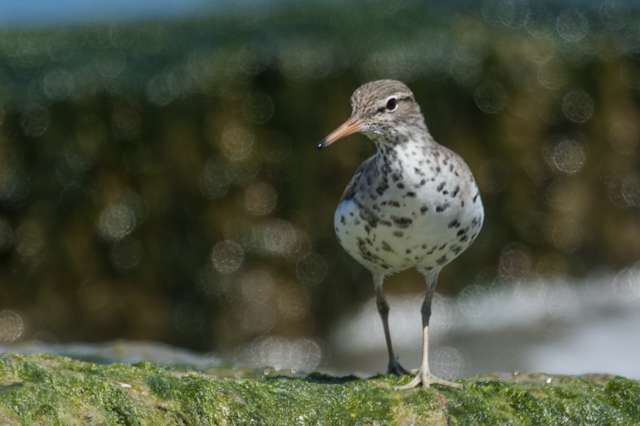
Birders can look for species like the Common Goldeneye, American White Pelican, and various gulls from the Gavins Point Dam and the Lewis and Clark Visitor Center, which even hosts annual "Bald Eagle Days" in January. Furthermore, the wooded areas and trails offer sightings of passerines such as warblers during migration and species like Wild Turkey and raptors year-round.

Target Birds
Spotted Sandpiper
Black Tern
Canvasback
Slavonian and Western Grebe
Hudsonian Godwit
Belted Kingfisher
Again the Game and Parks Commission manage this area.
Lake Ogallala
Lake Ogallala State Recreation Area is a small, 320-acre body of water located in western Nebraska's Keith County, immediately downstream from the massive Kingsley Dam, which impounds Lake McConaughy. This geographic position is key to its character: the lake was formed as a result of the dam's construction, created from the sand and fill removed from the riverbed.
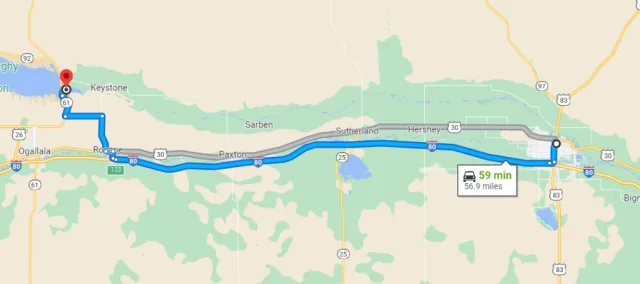
As a no-wake lake with a protected shoreline, its calm, deep waters are fed by colder water drawn from the bottom of Lake McConaughy. This cool, tranquil environment provides a distinct habitat compared to the surrounding prairie and the larger, more exposed Lake McConaughy, setting the stage for unique birdwatching opportunities. Its location along the North Platte River Valley places it squarely in the path of the Central Flyway, making it an ornithological hotspot.
The lake's birdwatching appeal peaks during the late fall and winter months, largely due to the nearby Kingsley Hydroplant. The turbulence from the hydroplant keeps a section of the water open and unfrozen, even as surrounding lakes ice over. This critical geography creates a reliable winter feeding ground that attracts hundreds of Bald Eagles, who congregate to hunt fish and waterfowl.

In fact, the area is considered one of the best places in the state for eagle viewing, with a dedicated, heated viewing facility maintained by the Central Nebraska Public Power and Irrigation District. Beyond the eagles, the Lake Ogallala/Lake McConaughy complex has documented over 300 bird species, including migrating waterfowl and various species of gulls that use the open water as a crucial stopover point.
Target Birds
American White Pelican
Cliff Swallow
Cedar Waxwing
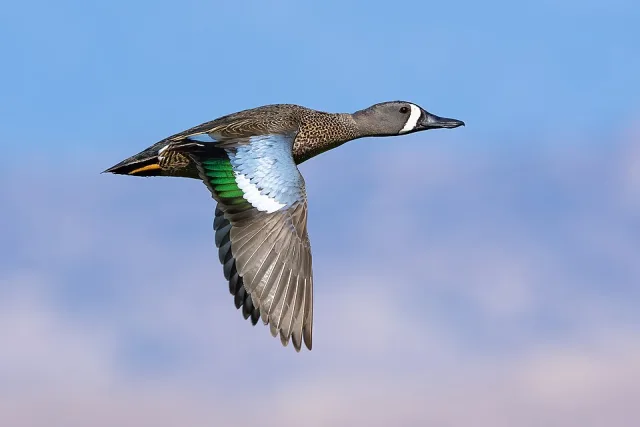
Blue-winged Teal
Western Grebe
Lark Bunting
Nebraska Game and Parks have details about the area including maps.
Pawnee Lake SRA
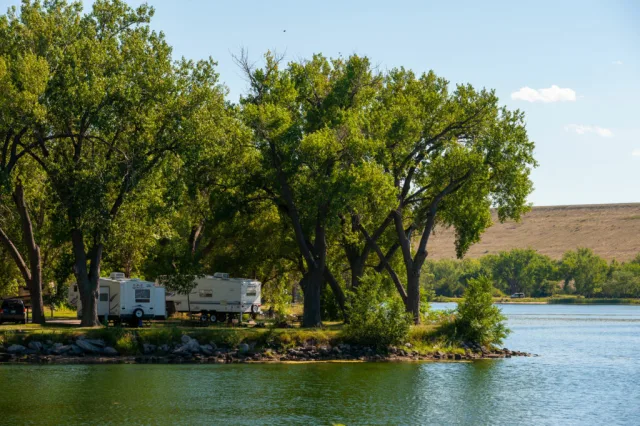
Pawnee Lake State Recreation Area (SRA) is a popular destination in southeastern Nebraska, conveniently located just a few miles west of Lincoln. As the second-largest of the state's Salt Valley Lakes, its geography is dominated by the 740-acre reservoir surrounded by 2,544 acres of recreation land. The area's diverse habitat, a mosaic of open water, wooded shorelines, and brushy vegetation, makes it a productive birding location, particularly during migration.
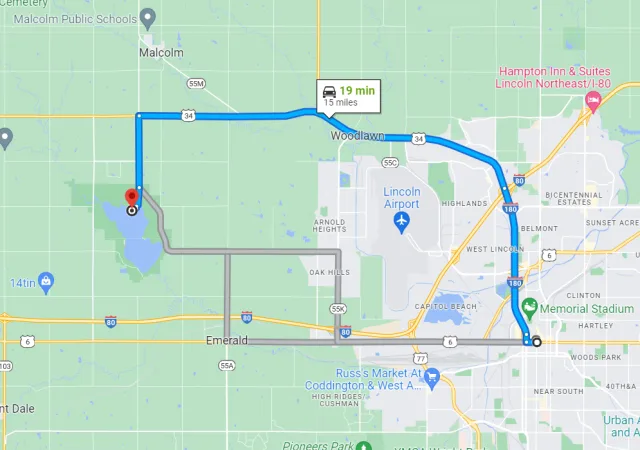
The easy access off Interstate 80 makes it a quick stop for travelers, yet the extensive lake and surrounding six miles of multi-use trails offer plenty of space for visitors to explore the rich avifauna that utilizes this vital water source and adjacent woodland edges.
For the dedicated bird watcher, Pawnee Lake SRA offers a dynamic mix of aquatic and terrestrial bird life, with its status as a historical hotspot for rare sightings. The large body of water is a major draw for waterfowl, with vast flocks of Snow Geese, along with various ducks and gulls, stopping during the spring and fall migrations.
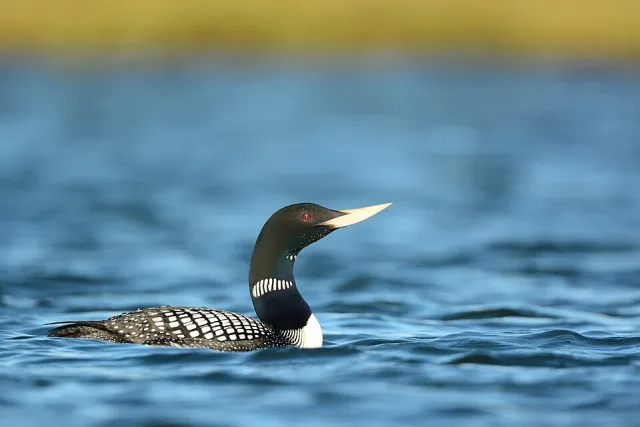
Waterbirds like loons, grebes, and mergansers are common, and the lake is even known to attract occasional rarities such as the Yellow-billed Loon or Ross's Gull. Moreover, the park's wooded and brushy areas provide critical cover for passerines, offering sightings of wintering American Tree and Harris's Sparrows, as well as an array of warblers and other songbirds during the peak spring and fall movements. The combination of open water and sheltered woodland makes Pawnee Lake a valuable site for year-round bird diversity in the region.
Target Birds
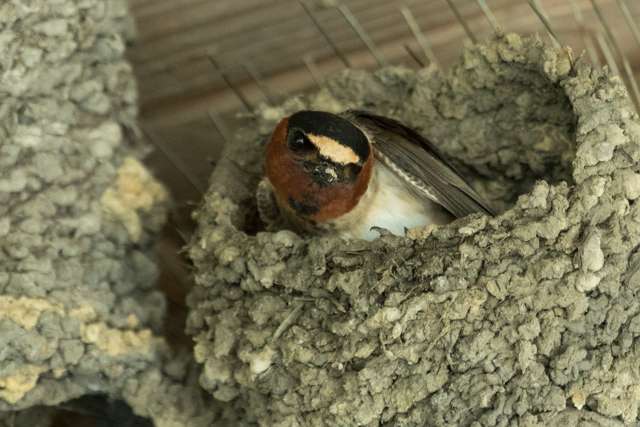
Sand, Barn and Cliff Swallow
Orchard and Baltimore Oriole
Swainson's Thrush
Franklin's Gull
Sora
Northern Bobwhite
Along with a brief description, the Commission website has a downloadable map and other information about recreation activities available.
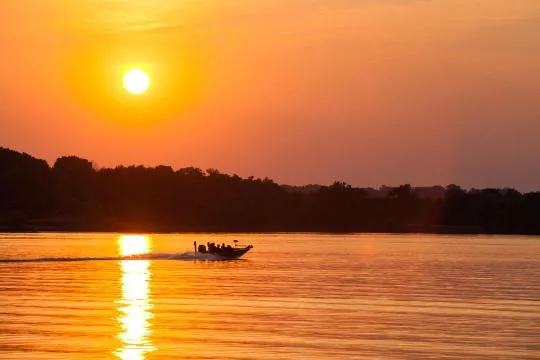
Crescent Lake National Wildlife Refuge
The Crescent Lake National Wildlife Refuge is a remote and ecologically significant sanctuary nestled within the unique geography of the Nebraska Sandhills. Located approximately 28 miles north of Oshkosh in the state's panhandle, the refuge encompasses over 45,000 acres of the largest continuous sand dune area in the Western Hemisphere, which is stabilized by native prairie grasses.
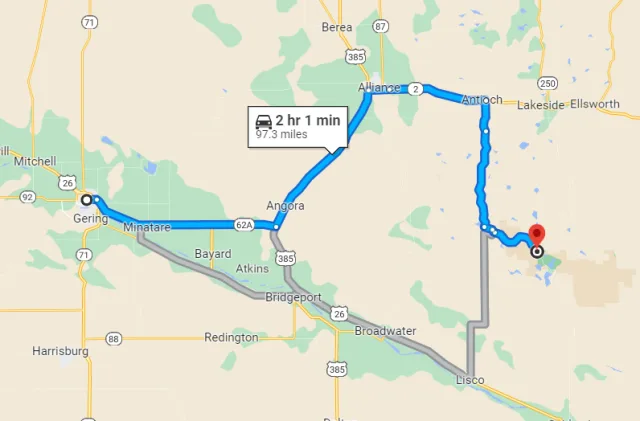
This distinctive landscape is characterized by rolling, grass-covered dunes interspersed with vital wet meadows and 21 major wetland complexes, including shallow lakes and numerous ponds fed by an underlying aquifer. This mosaic of dry sand uplands and water-rich lowlands creates a crucial habitat along the Central Flyway, making the refuge a pristine and tranquil representation of the Great Plains' natural heritage.
The incredible mix of water and grassland habitats makes Crescent Lake NWR one of Nebraska's finest destinations for bird watching, boasting a species count of nearly 280. The refuge is an essential breeding and staging area for tens of thousands of waterfowl, including nesting species like the Trumpeter Swan, various ducks such as Mallards and Northern Pintails, and Marsh Birds like the American Bittern and Black-crowned Night-Heron.

The shorelines attract numerous species during migration, offering excellent viewing of American Avocets, Black-necked Stilts, and vast flocks of Wilson's Phalaropes. On the expansive prairies, birders can seek out iconic grassland species like the Sharp-tailed Grouse and Greater Prairie-Chicken at their spring dancing grounds (leks), as well as raptors such as the Northern Harrier and the diminutive Burrowing Owl. A self-guided auto tour route and a short nature trail near the headquarters provide accessible opportunities to observe this impressive diversity.

Target Birds
Wilson's Phalarope
Yellow-headed Blackbird
Say's Phoebe
Loggerhead Shrike
Great Horned Owl
Sharp-tailed Grouse
The U.S. Fish and Wildlife Service has interesting details about the history of the area as well as visitor information.
DeSoto National Wildlife Refuge
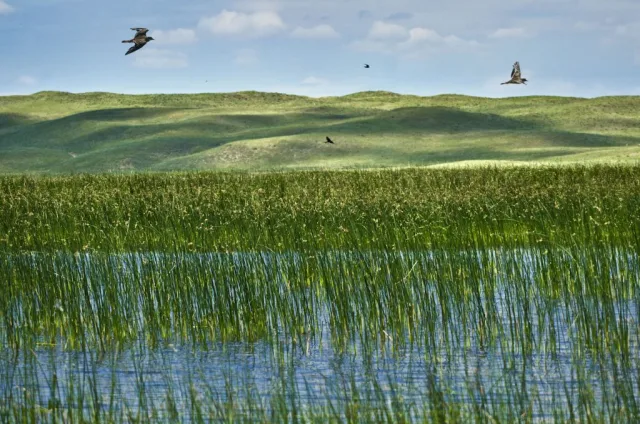
The DeSoto National Wildlife Refuge, a sprawling 8,362-acre sanctuary, is a geographical marvel straddling the border of Nebraska and Iowa along the Missouri River. Its dominant feature is DeSoto Lake, a seven-mile-long oxbow lake formed by a 1960s Army Corps of Engineers channelization project that cut off a large bend of the river. This unique geography, a mix of bottomland forests, wetlands, tallgrass prairie, and the large, calm oxbow, creates a vital and diverse floodplain habitat that is managed to mimic the natural Missouri River ecosystem.
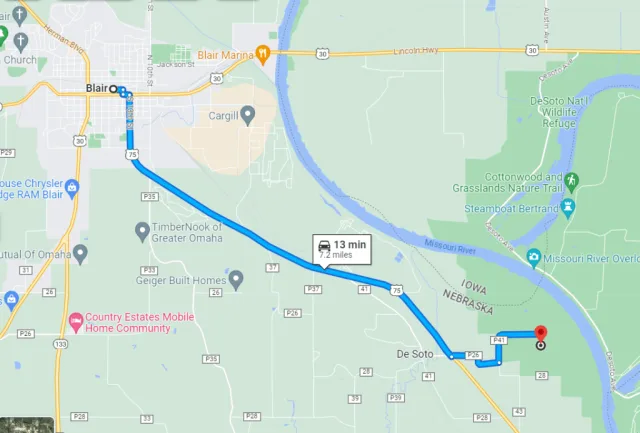
Positioned near Blair, Nebraska, the refuge lies directly on the Central Flyway, one of North America’s primary migratory routes, making it an essential stopover point for hundreds of thousands of birds on their journey.
The refuge is a bird watcher’s paradise, particularly famous for the spectacular concentrations of migratory waterfowl it hosts in the fall and early spring. During peak migration—typically late October through early December and again in March—the skies and waters are filled with massive flocks of Snow Geese, sometimes numbering in the hundreds of thousands, alongside tens of thousands of ducks, primarily Mallards.

Following this grand avian spectacle are impressive numbers of Bald Eagles, with over a hundred sometimes seen wintering on the refuge and using the cottonwood trees along DeSoto Lake as roosts. Throughout the year, visitors can explore a diverse community of over 240 species, including grassland birds like the Dickcissel and Grasshopper Sparrow, as well as various songbirds and woodpeckers along the wooded trails and at the Visitor Center's viewing windows.

Target Birds
Marsh Wren
Philadelphia Vireo
Baird's Sandpiper
Lesser Yellowlegs
Willet
Blue Grosbeak
The Nebraska Game and Parks also manages this area and has all the usual information about it.
Niobrara National Scenic River
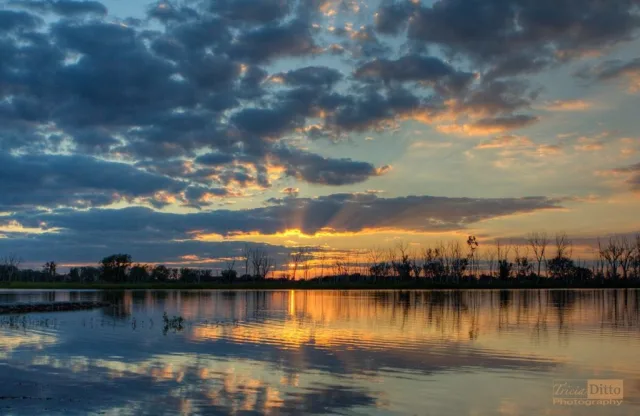
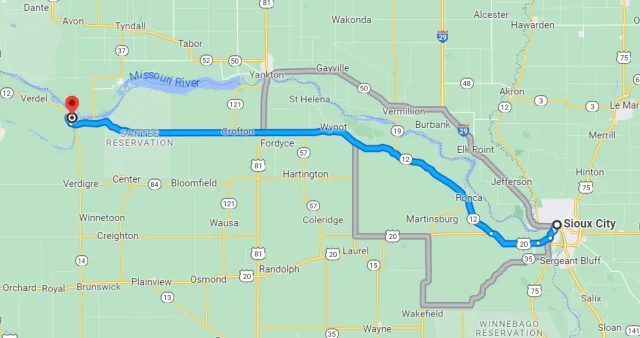
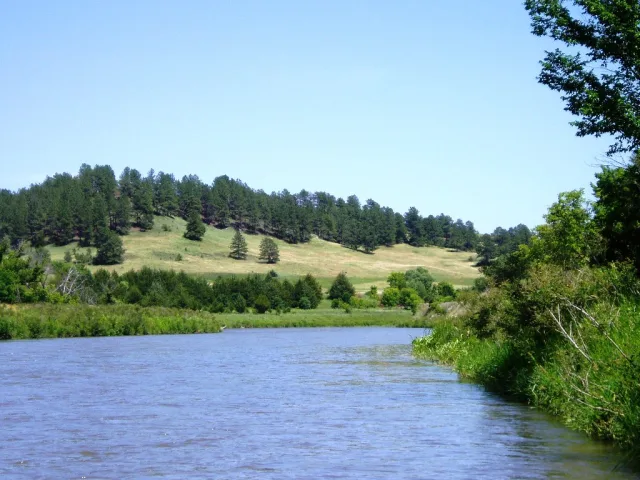
The Niobrara National Scenic River is a geological and ecological anomaly situated in north-central Nebraska, primarily running through the remote Sandhills region near the town of Valentine. The river itself, which flows eastward for 76 protected miles, has carved a spectacular valley that plunges nearly 300 feet into the surrounding plains. This deep canyon creates an astonishing confluence of six distinct ecosystems, often referred to as the "biological crossroads of the Great Plains."
Because of unique microclimates—cool, moist, north-facing slopes host northern boreal and eastern deciduous forests (complete with paper birch and aspen), while the sunny, dry south-facing bluffs support Rocky Mountain ponderosa pines and prairie—this narrow river corridor is one of the most biodiverse areas in the Great Plains, featuring a mix of flora and fauna found nowhere else in such close proximity.
This unique blending of habitats makes the Niobrara National Scenic River, along with the adjacent Fort Niobrara National Wildlife Refuge, a critical birdwatching destination. The river valley acts as a significant east-west avian corridor, resulting in an exceptional mix of western and eastern bird species. Birders often flock here to spot interesting pairs of hybridizing species, such as the Bullock's and Baltimore Orioles, or the Rose-breasted and Black-headed Grosbeaks.

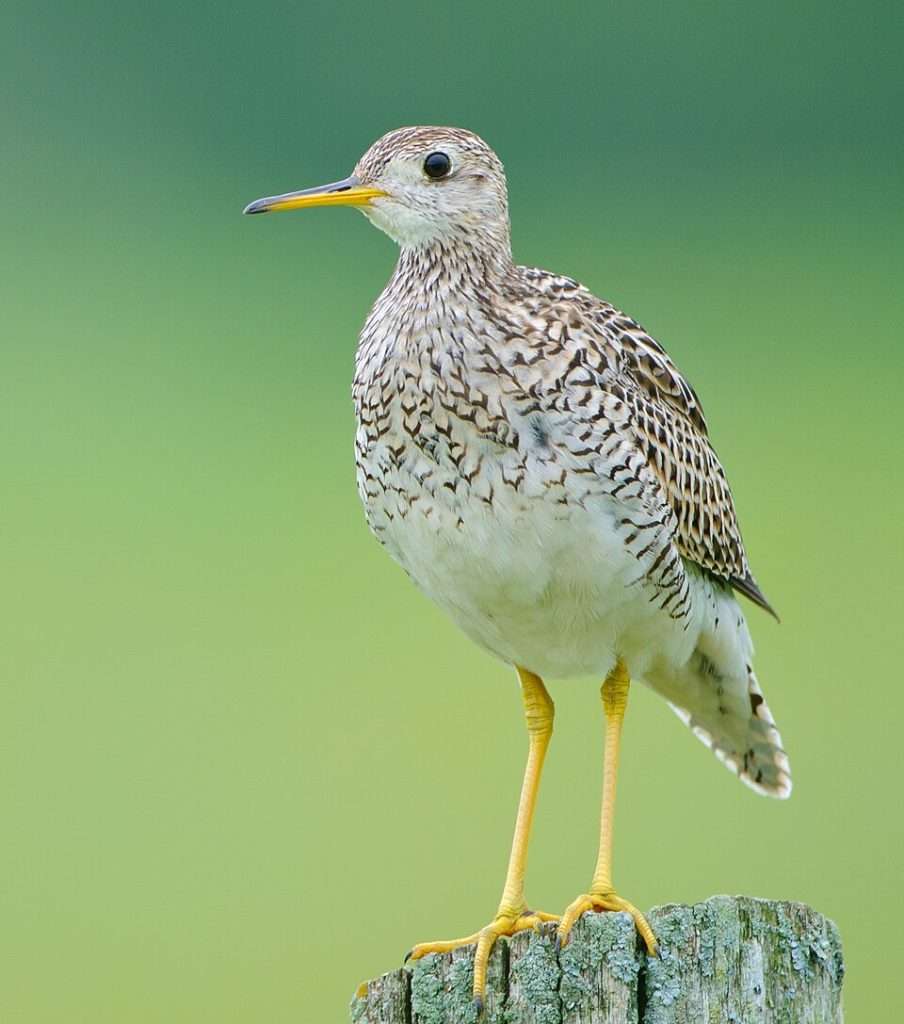
In addition to these woodland dwellers, the area is an important breeding ground for rare grassland species like the Upland Sandpiper and Greater Prairie-Chicken. The riparian zones and sandbars also provide crucial habitat for federally protected birds, including the Piping Plover and Interior Least Tern, ensuring excellent opportunities to observe a remarkable variety of birdlife.
Target Birds
Least Sandpiper
Forster's Tern
Clay-colored and Lark Sparrow
Orange-crowned and Yellow-rumped Warblers
- Barn Owl
The Nebraska Game and Parks website describes the area as 76 miles of free flowing fun.
Rowe Sanctuary
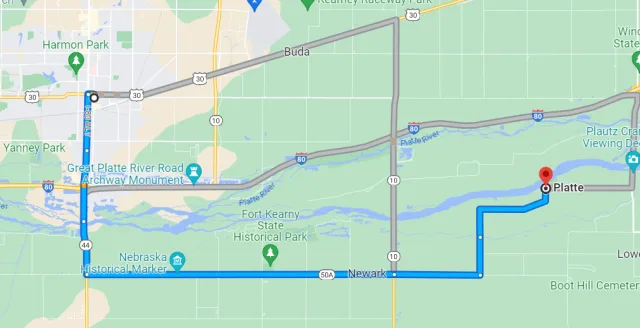
Located in south-central Nebraska near the town of Gibbon, the Audubon's Rowe Sanctuary occupies a critical portion of the Platte River ecosystem. Geographically, this 3,000-acre refuge sits within the Central Platte River Valley, a broad, flat expanse characterized by a wide, shallow, braided river channel flanked by wet meadows, native grasslands, and agricultural fields.
This unique environment forms the central bottleneck of the Central Flyway, the migratory route for millions of birds. The shallow, sand-barred river provides a secure overnight roost for massive flocks, while the surrounding lands offer essential food sources for migrating birds to build up fat reserves for their journey north.
Rowe Sanctuary's primary claim to fame is its role in hosting the spectacular annual Sandhill Crane migration, one of North America's greatest wildlife spectacles. Each spring (typically March), over half a million cranes—nearly 80% of the world's population—descend on the Platte River, offering unparalleled bird watching.
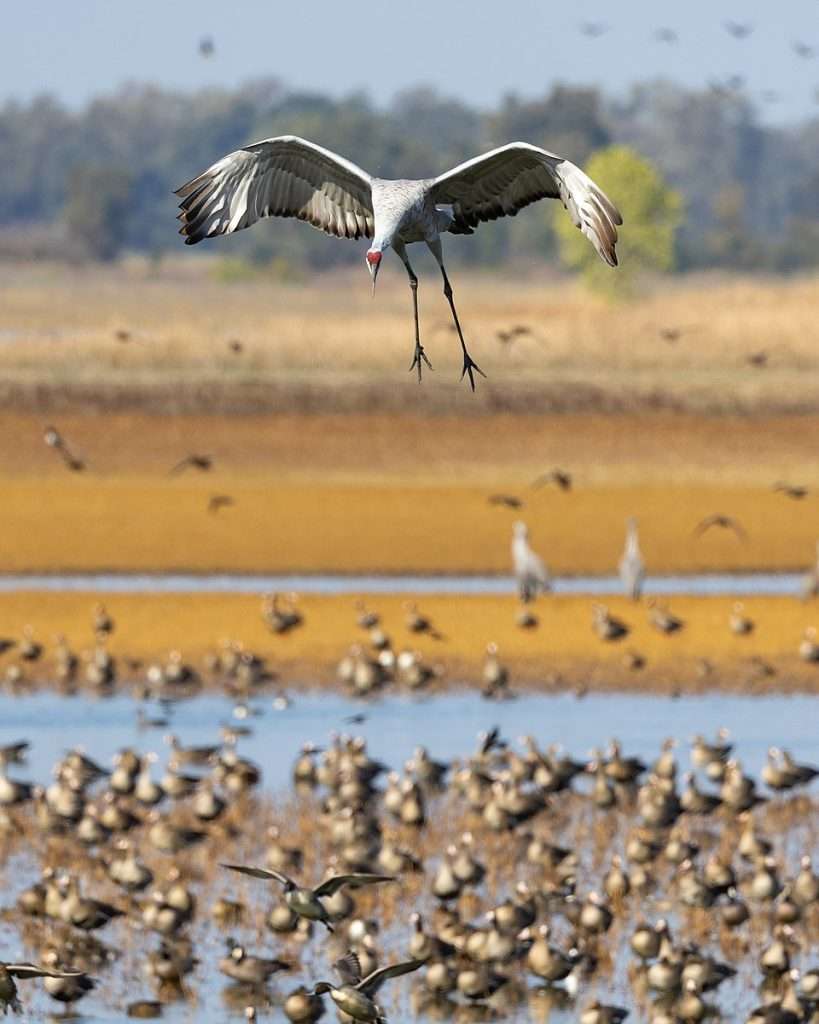
Visitors can reserve spots in specialized viewing blinds before sunrise and at sunset to witness the unforgettable sight and sound of thousands of cranes flying to and from their river roosts. Beyond the cranes, the sanctuary's diverse habitats support other notable species throughout the year, including the federally endangered Whooping Crane, Least Terns, Piping Plovers, a variety of waterfowl, and grassland species like Bobolinks and Dickcissels. In winter, dozens of Bald Eagles also use the sanctuary as a crucial hunting and roosting ground.

Target Birds
Sandhill Crane
Semipalmated Sandpiper
Wilson's Phalarope
Western Meadowlark
Bell's Vireo
Grasshopper Sparrow
The Ian Nicholson Audubon Center hosts the visitor center and shop where permits can be purchased.
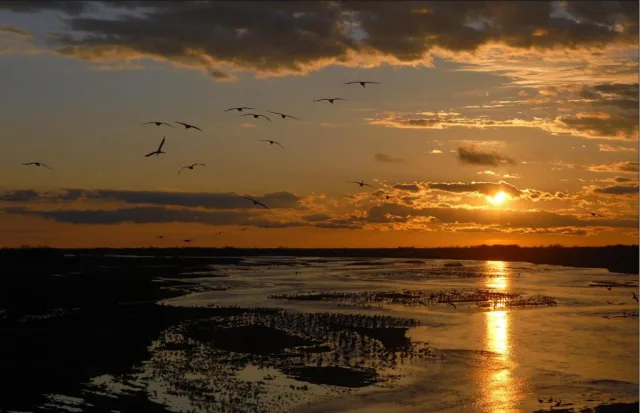
Wehrspann Lake
Wehrspann Lake is an easily accessible urban birding spot, nestled within the Chalco Hills Recreation Area in southwest Omaha, Nebraska. This man-made reservoir and the surrounding parkland, managed by the Papio-Missouri River Natural Resource District, offer a significant blend of habitats despite its proximity to the city. The geography centers on the 246-acre lake, which serves as a flood control structure and a haven for wildlife.
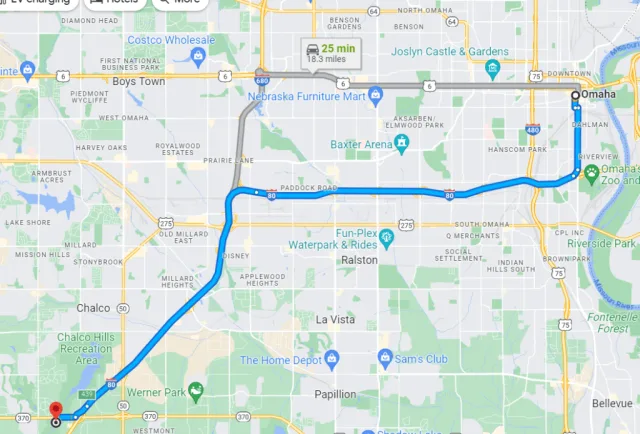
Surrounding the water are over 900 acres of gently rolling terrain featuring a mix of managed native prairie grasses, woodlands, and a nature trail system, all of which contribute to a surprising level of avian diversity within the metropolitan area. The accessible setting, including a seven-mile paved trail loop and a dedicated viewing platform, makes it a perfect destination for both novice and experienced birders.
The diverse array of habitats at Wehrspann Lake attracts a variety of species throughout the year, making for excellent bird watching opportunities, particularly during migration. The lake itself is a key stopover for thousands of waterfowl in the spring and fall, including various species of ducks and large flocks of gulls.
During the colder months, the open water often draws Bald Eagles seeking feeding grounds, which can be viewed from the park’s specially designed waterfowl observation platform. Beyond the lake, the surrounding grasslands and woodlands provide habitat for passerines, with sightings ranging from common residents to unexpected rarities like the occasional Least Sandpiper or even a Little Gull during migration, solidifying its status as an important urban oasis for Nebraska's birdlife.
Target Birds
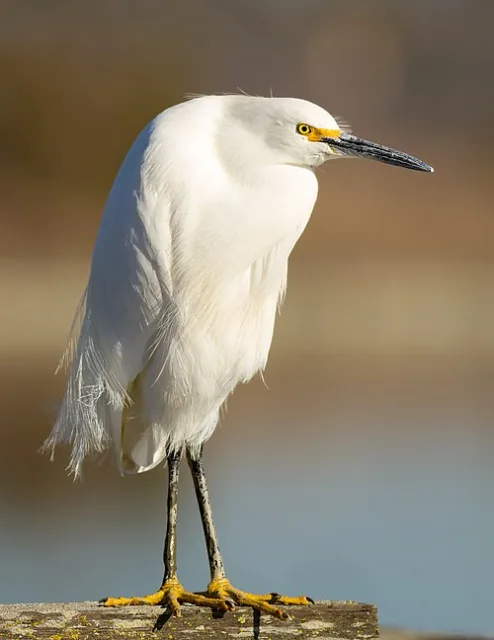
Snowy Egret
Belted Kingfisher
Rose-breasted Grosbeak
Northern Shoveler
Black Tern
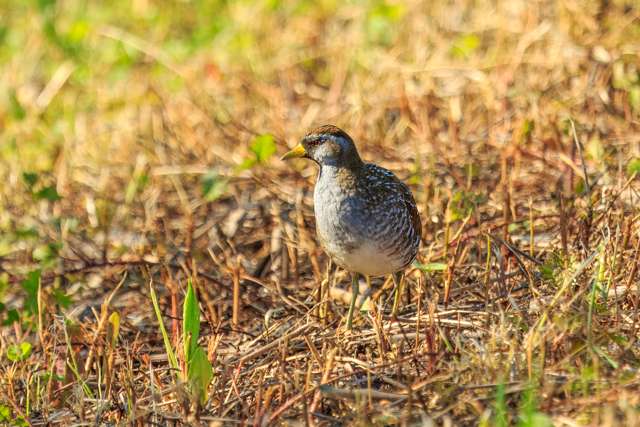
Sora
White-faced Ibis
The Recreation.gov website has some basic access information.
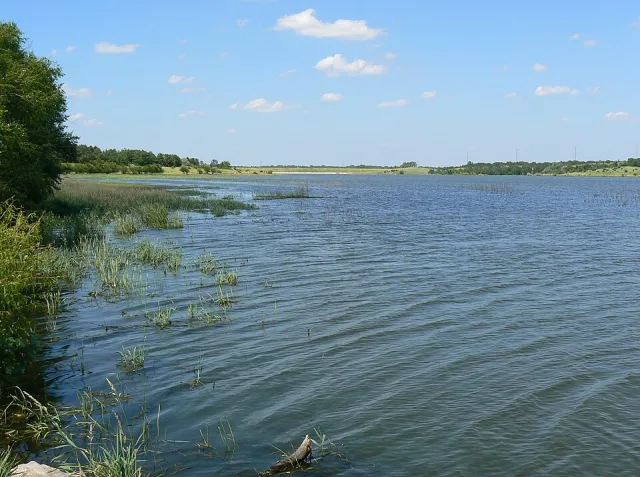
Swanson Reservoir
Located in the southwest corner of Nebraska, near the town of Trenton, Swanson Reservoir State Recreation Area is a major feature of the Republican River Valley. It is the largest of the four southwest reservoirs in the state, boasting a nearly 5,000-acre lake surrounded by almost 4,000 acres of public land. The geography of the area is characterized by the flat expanse of the lake, created by a major flood-control dam on the Republican River, contrasting with the surrounding rolling terrain and grasslands of the High Plains.
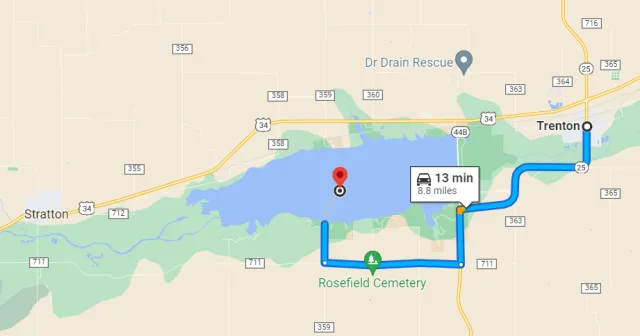
This juxtaposition of a vast body of water and an adjacent terrestrial environment, including the riverbed, woodlands, and prairie, places it within the Central Flyway and makes it a magnet for diverse birdlife.
The varied habitats at Swanson Reservoir provide excellent and easily accessible bird watching opportunities, especially for species associated with water and open country. As a stopover on the Central Flyway, the reservoir attracts significant numbers of migratory waterfowl, including various ducks, geese (such as Greater White-fronted Geese), and game bird species like pheasant and wild turkey.
The large, open water surface is ideal for viewing migrating species, while the surrounding wildlife land, which includes the Republican River bed and numerous trees and sloughs, provides crucial cover and nesting habitat. For birders, the area’s game-rich environment, combined with the concentration of aquatic birds on the reservoir itself, makes it a rewarding location year-round, with high potential for sighting both common and less-frequently observed migratory birds.
Target Birds
Snow Goose
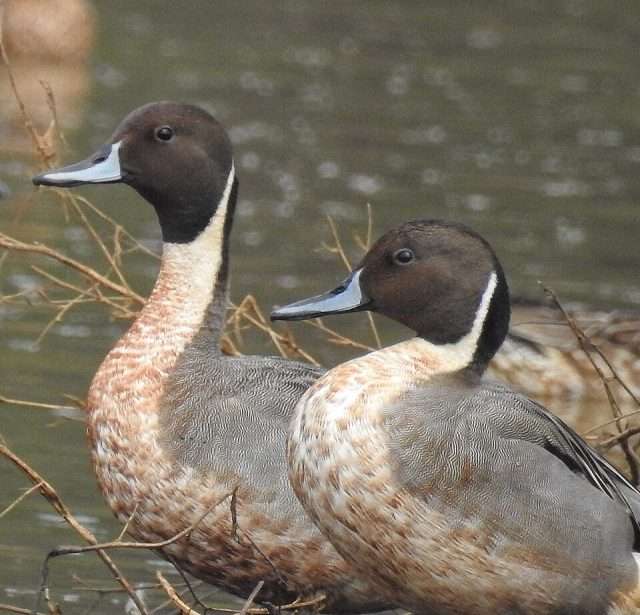
Northern Pintail
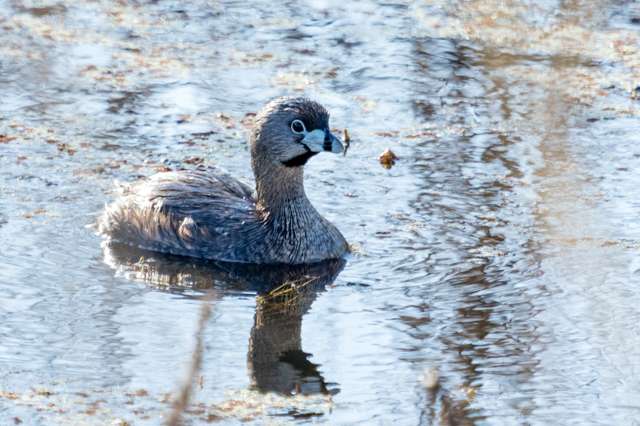
Pied-billed, Western and Slavonian Grebe
Shore Lark
Common Goldeneye
Hooded Merganser
- Goosander
The Game & Park Commission has information for camping and enjoying the natural area.
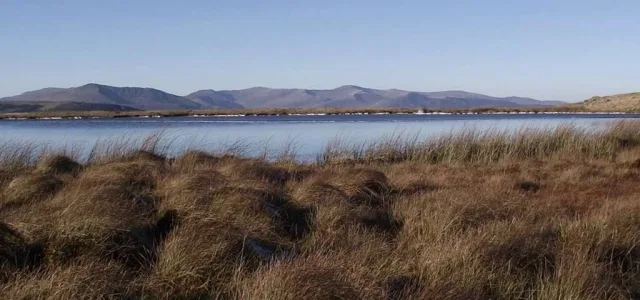
Burchard Lake
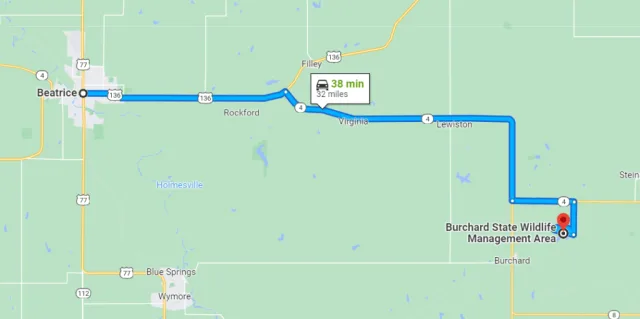
Burchard Lake State Wildlife Area is a significant birding location in southeastern Nebraska, situated in Pawnee County approximately eight miles west and four miles north of the town of Pawnee City. Its geography is characterized by a mix of flat prairie terrain, wooded riparian areas, and the centerpiece 150-acre lake.
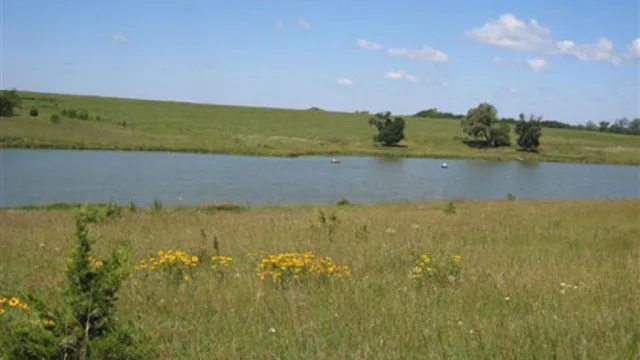
Despite being a relatively old reservoir, the lake and its surrounding wildlife management area are noted for excellent water quality and minimal erosion, which fosters healthy aquatic and shoreline habitats. This mix of lake, emergent wetlands, and native grassland prairie offers a diverse landscape critical for different bird communities, especially those using the Central Flyway as a migratory route.
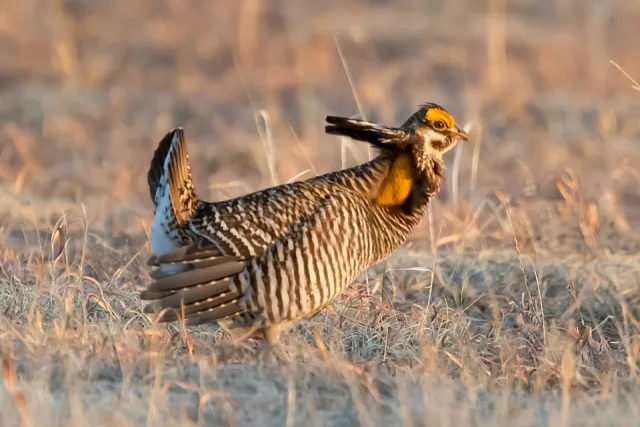
The varied habitats at Burchard Lake translate into exceptional bird watching opportunities throughout the year. The site is perhaps most famous for the Greater Prairie-Chicken, with viewing blinds available for observers to witness the males' elaborate "booming" courtship rituals on the traditional lek sites from late February through April.

Beyond this spectacle, the area supports a wide array of other species: the native prairie welcomes grassland birds like Dickcissels and various sparrows, while the lake attracts numerous waterfowl, including ducks, geese, and occasionally migrating pelicans and swans in the spring and fall. Additionally, the wooded sections along the lake provide cover for woodland birds, and birds of prey like Bald Eagles and Red-tailed Hawks are frequently seen soaring overhead or near the water's edge, making Burchard Lake a valuable and often overlooked destination for Nebraska birders.
Target Birds
Greater Prairie-Chicken
Baird's, Spotted and Solitary Sandpiper
Greater and Lesser Yellowlegs
Franklin's Gull
White-faced Ibis
- Dickcissel
Visit Nebraska has basic information about the area.
Wrapping Up
In conclusion, Nebraska offers a remarkably diverse and rewarding birding experience, perfectly situated along the vital Central Flyway. Whether your passion lies in spotting rare grassland species or witnessing a spectacular migratory event, the state provides world-class destinations to satisfy every bird enthusiast. The southeastern corner of the state provides sites like Burchard Lake, a mosaic of water and native prairie habitat where visitors can witness the captivating spring booming display of the Greater Prairie-Chicken.
Moving north along the Missouri River corridor, the DeSoto National Wildlife Refuge offers a dramatically different spectacle, serving as a critical staging area for hundreds of thousands of migrating Snow Geese and other waterfowl in the fall and winter, often drawing large numbers of Bald Eagles in pursuit. From the intimate, protected blinds of the prairie to the sprawling spectacle of the Missouri River wetlands, these sites collectively showcase the essential role Nebraska plays in the continental drama of avian migration and conservation.
