Love The Birds is reader-supported. When you purchase through one of our links we may earn an affiliate commission (at no cost to you).

Native Plants That Attract Birds State by State

Large bright blue jay-like bird.

For decades, the standard backyard approach to attracting birds involved little more than filling a plastic feeder with sunflower seeds. While supplementary feeding has its benefits, conservation science is now unequivocally clear: the most impactful way to support avian populations is through native plant landscaping.

Native plants form the foundational layer of the food web. Unlike exotic ornamental species, native plants have co-evolved with local insect populations, making them host to the caterpillars and other invertebrates that form the critical food source for nesting birds. Experts estimate that over 96% of terrestrial North American bird species feed insects to their young. Furthermore, native trees and shrubs offer birds the specific fruits, seeds, and year-round shelter they need for survival during migration and winter.
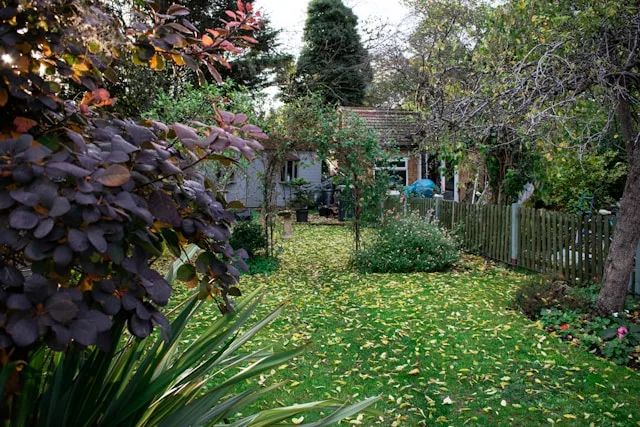
garden

Transforming your landscape is an act of conservation. By focusing on plants native to your specific region, you are rebuilding a functional ecosystem one backyard at a time. Here is a guide to some of the most vital bird-attracting native plants across the major U.S. regions.


I. The Northeast (New England, Mid-Atlantic)

The Northeast, with its deciduous forests and mixed woodlands, requires plants that provide high-fat berries for overwintering and migrating birds.

Green bush with clusters of small white flowers.
Black Cherry
Plant TypeKeystone Species & Best PicksWhy Birds Love It
TreeOaks (Quercus spp.), Black Cherry (Prunus serotina)Oaks support hundreds of moth and butterfly species (caterpillars). Black Cherry leaves feed numerous caterpillars, and its small, dark fruit is a high-energy food source.
ShrubServiceberry (Amelanchier spp.), Winterberry Holly (Ilex verticillata)Serviceberry is prized for its very early, sweet berries (May/June), a favorite of robins and bluebirds. Winterberry's bright red berries persist all winter, feeding robins, waxwings, and mockingbirds.
PerennialGoldenrod (Solidago spp.), Asters (Symphyotrichum spp.)These late-season bloomers host caterpillars and provide seeds for finches and sparrows right before and during fall migration.

Key Bird Feature: The dense evergreen needles of the Eastern Red Cedar (Juniperus virginiana) provide essential year-round cover and the berry-like cones are a winter staple, especially for Cedar Waxwings.

Cedar Waxwing with a berry
Cedar Waxwing

II. The Southeast (Coastal Plain, Piedmont, Gulf Coast)

The warm climate and long growing seasons of the Southeast demand plants that offer food for year-round residents and a reliable supply of insects.
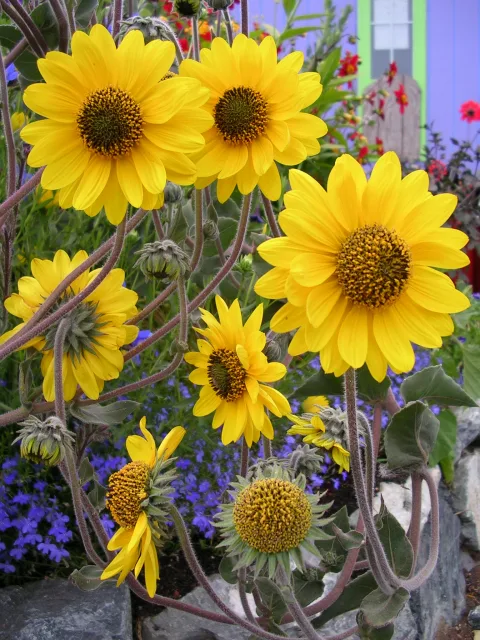
Group of bright yellow sunflowers.
Hairy Sunflower
Plant TypeKeystone Species & Best PicksWhy Birds Love It
TreeSouthern Live Oak (Quercus virginiana), River Birch (Betula nigra)Oaks provide massive insect loads in spring. River Birch bark exfoliates, creating habitat and cover for spiders and small invertebrates eaten by Wrens, Chickadees, and Nuthatches.
ShrubAmerican Holly (Ilex opaca), Southern Wax Myrtle (Myrica cerifera)American Holly provides dense, evergreen shelter and late-season red berries. Wax Myrtle produces waxy blue berries that are a critical, high-fat food source for specialized birds like the Tree Swallow.
PerennialHairy Sunflower (Helianthus mollis), Coneflower (Echinacea spp.)The mature seed heads of these flowers are highly sought after by finches (like the American Goldfinch) and sparrows in the late summer and fall.

Key Bird Feature: Cross-vine (Bignonia capreolata) or Trumpet Creeper (Campsis radicans) provides nectar for hummingbirds and dense vertical cover for nesting.

Medium sized dark hummingbird with green gorget. In flight.
Rivoli's Hummingbird

III. The Midwest (Great Plains and Central Hardwood Forests)

The Midwest's harsh winters and hot, dry summers require tough, resilient plants that provide reliable seeds and persistent fruits.

Cluster of green berries on a shrub.
Arrowwood Viburnum
Plant TypeKeystone Species & Best PicksWhy Birds Love It
TreeBur Oak (Quercus macrocarpa), Black Willow (Salix nigra)Oaks support a high number of caterpillars. Willows are also exceptional insect hosts and their location near water sources is crucial for many migrating species.
ShrubSmooth Sumac (Rhus glabra), Arrowwood Viburnum (Viburnum dentatum)Sumac's fuzzy red fruit clusters often persist through winter, becoming a vital emergency food source when snow covers the ground. Viburnum offers summer berries for robins and catbirds.
Grasses/PerennialLittle Bluestem (Schizachyrium scoparium), Asters/GoldenrodThe dense structure of Little Bluestem grass provides crucial nesting and winter cover. The composite seeds of asters and goldenrod feed countless sparrows and finches.

Key Bird Feature: Leaving dead snags (standing dead trees) is vital, as up to 85 species of North American birds rely on these structures for nesting cavities, including Nuthatches, Woodpeckers, and Kestrels.
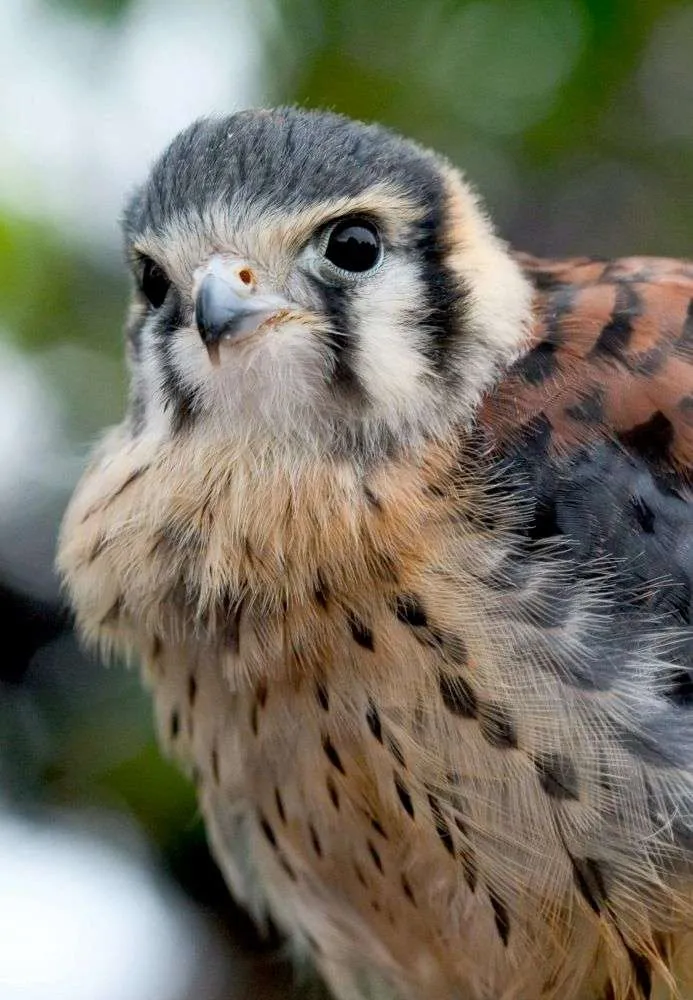
Close up of American Kestrel
American Kestrel

IV. The Mountain West and Southwest (Arizona, New Mexico, Utah, Colorado)

Arid and high-elevation environments necessitate drought-tolerant and evergreen species that provide shelter and food in a resource-scarce landscape.

Small green shrub with pale purple flowers.
Penstemon
Plant TypeKeystone Species & Best PicksWhy Birds Love It
TreeGambel Oak (Quercus gambelii), Pinyon Pine (Pinus edulis)Oaks, even in dry climates, host significant insect populations. Pinyon Pine nuts are a high-fat staple for Clark’s Nutcrackers and Pinyon Jays, which also help propagate the trees.
Shrub/CactiServiceberry (Amelanchier utahensis), Prickly Pear Cactus (Opuntia spp.)The Serviceberry offers early-season fruit. Prickly Pear's fleshy red fruit provides moisture and sustenance, while its dense pads offer predator-proof nesting sites for wrens and thrashers.
PerennialSagebrush (Artemisia spp.), Penstemon (Penstemon spp.)Sagebrush provides cover and seeds for Sage Grouse and Sparrows. Penstemons attract the hummingbirds that migrate through the region.

Key Bird Feature: The dense, thorny structure of Juniper (Juniperus spp.) offers essential shelter and nesting cover in open, exposed landscapes.
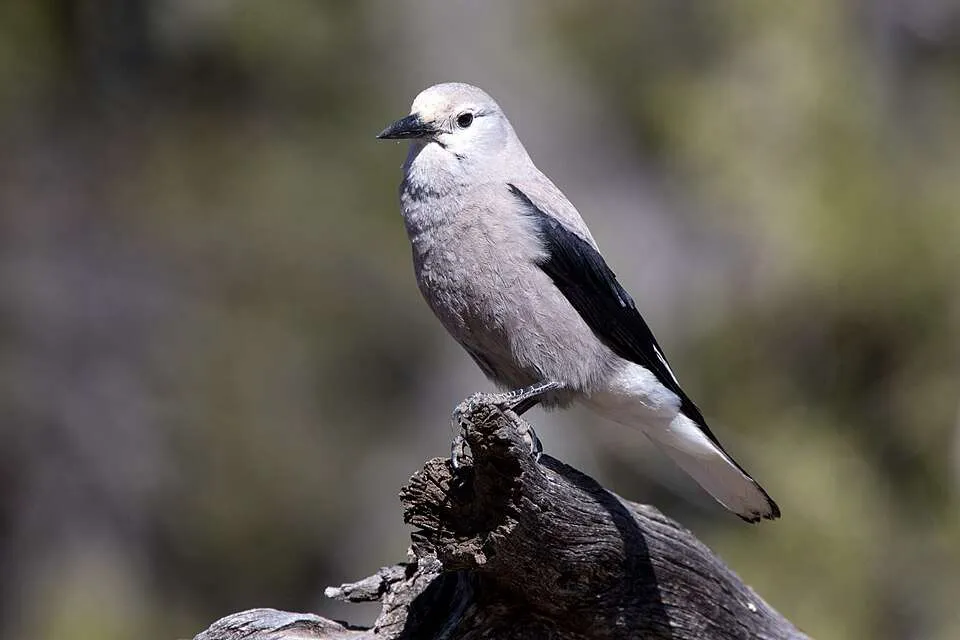
A large grey bird with black wings.
Clark's Nutcracker

V. The Pacific Northwest and California

The temperate rainforests and Mediterranean-like climates require plants that offer high-fat resources and specialized nectar for species like the Rufous Hummingbird.

Sharp edged leaved bush with small yellow flowers.
Oregon Grape Holly
Plant TypeKeystone Species & Best PicksWhy Birds Love It
TreeOregon White Oak (Quercus garryana), Pacific Crabapple (Malus fusca)Pacific Northwest oaks are critical for insect life. Crabapples offer persistent, small fruits that are devoured by robins and waxwings in late winter and early spring.
ShrubRed-Flowering Currant (Ribes sanguineum), Oregon Grape Holly (Mahonia aquifolium)Currant blooms provide one of the earliest, crucial nectar sources for the Rufous Hummingbird upon its arrival. Oregon Grape's blue-black berries are a local favorite.
PerennialCalifornia Lilac (Ceanothus spp.), Yarrow (Achillea millefolium)Ceanothus attracts beneficial insects, and the seed heads of Yarrow are a food source for finches.

Key Bird Feature: Providing a water source is critical in the summer-dry climate of the Pacific states. A simple drip system or a shallow bird bath can attract a multitude of species.

Rufous Hummingbird sitting on a stick
Rufous Hummingbird

The Complete Bird Habitat: Beyond the Feeder

Creating a bird-friendly yard involves establishing the four cornerstones of a successful wildlife habitat, all achievable through native landscaping:

  1. Food (Year-Round): Caterpillars (from host plants like Oaks, Willows, Cherries), Nectar (Hummingbird-attracting shrubs like Currant), Seeds (Coneflower, Asters, Grasses), and Berries/Nuts (Sumac, Holly, Oaks).
  2. Water: A bird bath or small pond, cleaned regularly, provides drinking and bathing opportunities vital for feather health.
  3. Cover: Dense shrubs, vine thickets, and evergreen trees (like Junipers and Hollies) offer security from predators and harsh weather.
  4. Nesting Sites: Snags, thick branches, and leaf litter provide the natural materials and structures for breeding.

By replacing high-maintenance lawns and non-native ornamentals with these regional heroes, American birders are not just improving their view—they are actively supporting local biodiversity and giving birds the resilience they need to face the accelerating challenges of climate change and habitat loss.

The Bird Decline Crisis: Which Species Are Disappearing & What You Can Do 

Leave a Comment

Your email address will not be published. Required fields are marked *

Scroll to Top