

The National Audubon Society, commonly known simply as Audubon, is one of the oldest and most influential environmental organizations in the United States. Its mission, centered on protecting birds and the places they need, has transcended simple birdwatching to become a powerful force in conservation, public policy, and environmental education across the continent. Audubon’s history is a story of resistance against environmental destruction, evolution toward scientific advocacy, and a successful transformation into a decentralized, nationwide movement.
History: From Feathers to Field Guides
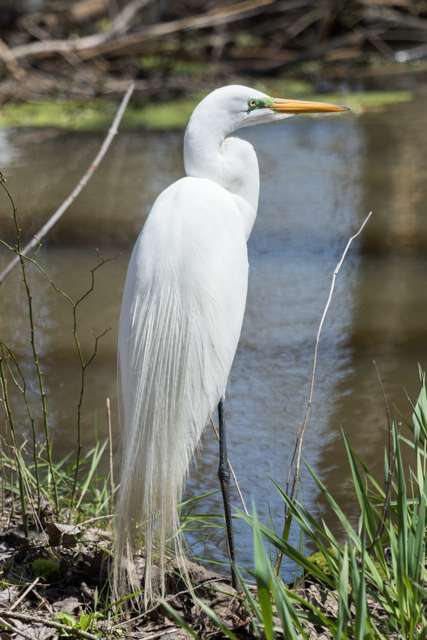
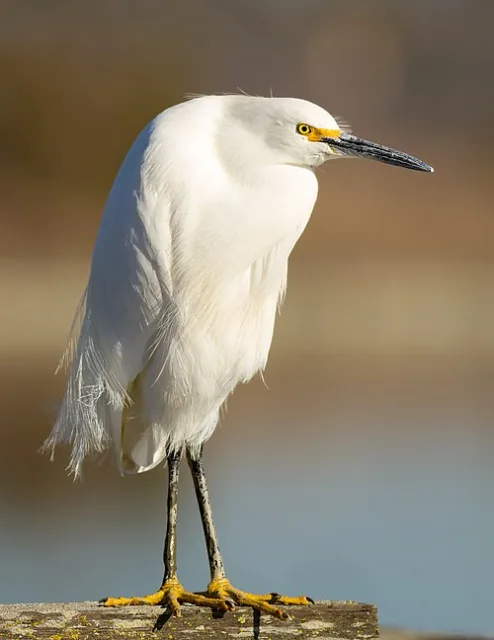
The origin of the Audubon movement is a dramatic tale rooted in the late 19th-century fashion industry. During this era, hats adorned with the feathers and even entire stuffed bodies of wild birds were a major, lucrative trend. Millions of birds—especially egrets, terns, and gulls—were slaughtered annually, driving several species to the brink of extinction.
The Early Resistance
The burgeoning conservation movement was horrified by this carnage. The foundational principles of the Audubon Society were laid down in the 1880s by influential individuals who opposed the plume trade:
George Bird Grinnell (1886): A prominent naturalist and editor of Forest and Stream magazine, Grinnell first proposed the name “Audubon Society” for a group dedicated to protecting wild birds. Named after the famed 19th-century ornithologist and painter John James Audubon, the initial organization quickly dissolved but planted the seed.
The State Societies (1896): The movement was effectively reborn in Massachusetts in 1896, when prominent women like Harriet Hemenway and Minna B. Hall organized tea parties to lobby society women to reject feathered hats. They established the first successful state Audubon Society, a model that quickly spread to Pennsylvania, New York, and other states. These grassroots groups were initially focused on legislative action to ban the plume trade.
The 126th Christmas Bird Count (CBC): A Century of Citizen Science
The Tragedy and Triumph
The need for national action became tragically clear. Early bird wardens, hired by state societies to protect vulnerable nesting colonies from plume hunters, were often attacked and sometimes killed. The most famous was Guy Bradley, a warden in Florida who was murdered in 1905, galvanizing public opinion.
In 1905, recognizing the need for a unified national voice, the various state groups merged to form the National Association of Audubon Societies for the Protection of Wild Birds and Animals. The new national organization successfully campaigned for the passage of the Migratory Bird Treaty Act of 1918, a landmark piece of U.S. and Canadian legislation that finally outlawed the hunting, capturing, or selling of migratory birds, effectively ending the plume trade and solidifying Audubon's place in history.
Aims: Protecting Birds and the Places They Need
Audubon’s mission is centered on conservation, education, and advocacy. While the original focus was on preventing slaughter, the modern aims have expanded to address contemporary threats:
Climate Advocacy: Recognizing that climate change is the single greatest threat to bird populations, Audubon has made climate action a central pillar. They conduct scientific modeling, such as the Audubon Birds and Climate Change Report, which projects how species' ranges will shift, and they lobby for comprehensive clean energy policies.
Protecting Critical Habitats: Audubon works to safeguard key bird habitats across the three major flyways (Atlantic, Mississippi, and Pacific) and in specific ecological zones, particularly coastal marshes, the sagebrush steppe, and the boreal forest. They operate a network of over 40 Audubon Centers and 60 sanctuaries that provide safe havens and educational opportunities.
Science and Citizen Science: The organization uses rigorous science to inform its policy. It champions citizen science through programs like the annual Christmas Bird Count (CBC), which has been running for over 125 years, providing the longest continuous dataset on North American bird populations. It also promotes the Great Backyard Bird Count (GBBC) in partnership with Cornell Lab of Ornithology.
Size and Membership: A Decentralized Movement
The structure of the Audubon network is one of its greatest strengths and is key to its immense influence.
National Membership: The National Audubon Society maintains a large, official membership that typically numbers over 1.8 million members and supporters. This national body handles lobbying, large-scale scientific reports, and national communications.
The Chapter Network: The real power of the Audubon movement lies in its decentralized network of over 450 independent local chapters across the United States. These chapters are run by volunteers, have their own governance and membership, and focus on local issues—from maintaining urban bird sanctuaries and leading field trips to lobbying city councils on zoning and environmental regulations. This model ensures that Audubon's influence extends from Washington D.C. directly to local communities.
Audubon Centers: The network of Audubon Centers are hubs for environmental education and conservation action, often located in critical natural areas or urban centers. They provide formal and informal education, connecting children and adults directly with local birdlife and conservation issues.
Key Activities: From Policy to Public Engagement
Audubon’s work is carried out through a diverse portfolio of activities:
1. Policy and Lobbying
Audubon maintains a strong presence in Washington D.C. and state capitals, lobbying on key legislation related to clean water, land use, and energy. Recent successes include advocating for the conservation of the Atlantic coast's offshore habitats and pushing for sustainable management of the Colorado River to protect wetland ecosystems.

2. Bird-Friendly Communities
This initiative focuses on making urban and suburban areas safer for birds. Activities include:
Lights Out Programs: Encouraging cities to dim or turn off non-essential lights during peak migration to prevent birds from becoming disoriented and colliding with buildings.
Bird-Friendly Planting: Promoting the use of native plants in gardens and public spaces to provide food and shelter, which is essential for breeding and migrating species.
Cat Advocacy: Educating the public on the dangers of free-roaming domestic cats to bird populations.
https://lovethebirds.com/california-best-bird-watching-locations/
3. Publications and Media
The organization publishes Audubon magazine, a highly regarded, award-winning periodical known for its stunning photography, in-depth articles on environmental science, and profiles of key conservation figures. This magazine remains a core benefit for members and a powerful medium for environmental storytelling.
4. Coastal and Seabird Conservation
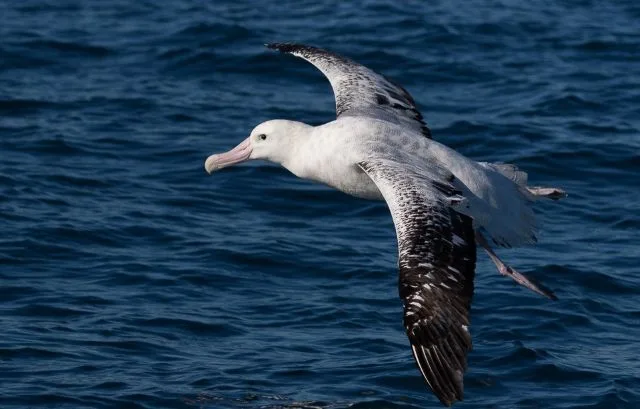
Given the vulnerability of coastal areas, Audubon runs major programs dedicated to protecting seabirds and shorebirds. This often involves managing critical nesting beaches, educating boaters and beachgoers, and restoring marshland that serves as nursery habitat for numerous aquatic species.
Wrapping Up
The Audubon Society began with a simple moral stand against the massacre of birds for fashion. Today, it has evolved into a sophisticated, science-driven, and grassroots powerhouse addressing the complex environmental challenges of the 21st century. The continued dedication of its 1.8 million members and its network of 450 local chapters ensures that the organization remains one of the most effective voices for bird protection. By leveraging citizen science, rigorous policy advocacy, and hands-on habitat conservation, Audubon embodies the enduring truth that the health of bird populations is a direct measure of the health of the planet we all share. Their work ensures that the legacy of John James Audubon continues not just through art, but through action.
The Bird Decline Crisis: Which Species Are Disappearing & What You Can Do
