The soft, low coo-oo-oo, coo, coo, coo echoing from a backyard tree is one of the most instantly recognizable sounds of the North American soundscape. It belongs to the Mourning Dove (Zenaida macroura), a bird so widespread and common that its gentle presence is often taken for granted. Yet, beneath its unassuming, tranquil appearance lies a remarkably resilient and prolific species with a complex life history. It is a master of adaptation, thriving in an astonishing range of habitats across the continent, from suburban gardens and agricultural fields to open woodlands and even deserts.
Physical Description and Identification
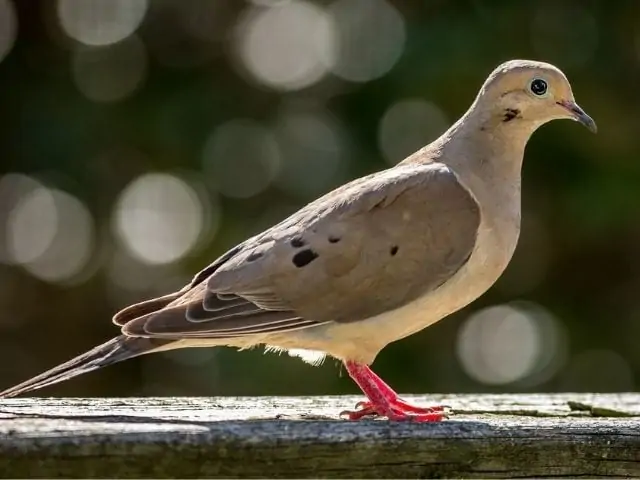
The Mourning Dove is a medium-sized member of the pigeon and dove family (Columbidae). On average, it measures about 11 to 13 inches ( to ) in length, including its distinguishing long, pointed tail. Its wingspan stretches to an impressive 17 to 19 inches ( to ).

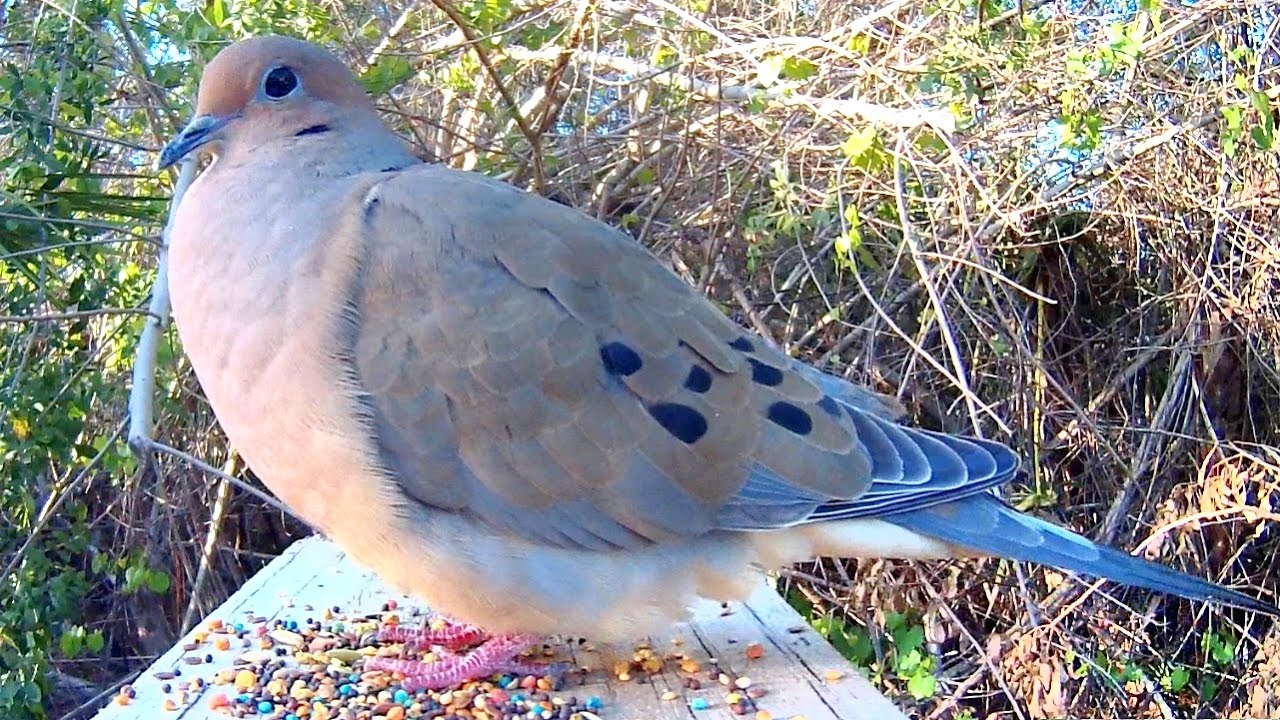
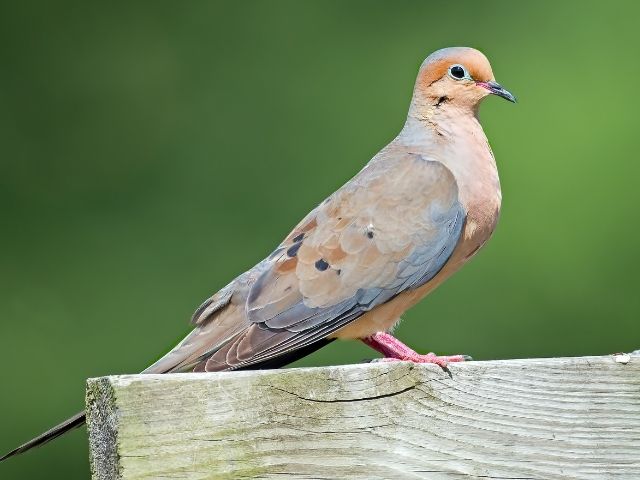
Their plumage is a delicate blend of soft browns and grays, which provides excellent camouflage. Key identification features include:
- Coloration: A grayish-brown body with a subtle buff or pinkish wash on the breast of males.
- Markings: Small black spots on the wing coverts and a single, small black spot near the cheek/ear area.
- Head and Eyes: A small, round head with a delicate black bill. Their brown eyes are ringed by a distinct, often light-blue patch of bare skin.
- Tail: The namesake feature is the long, tapered, and pointed tail, which often flashes black-bordered white tips when the bird takes flight.
While males and females are largely similar, the male is typically slightly larger and more brightly colored, with a more pronounced pinkish-wash on the breast and a brighter blue-gray on top of the head. Juveniles can be identified by light buff tips on their feathers, giving them a scaly appearance.
The Mournful Song and Whistling Wings
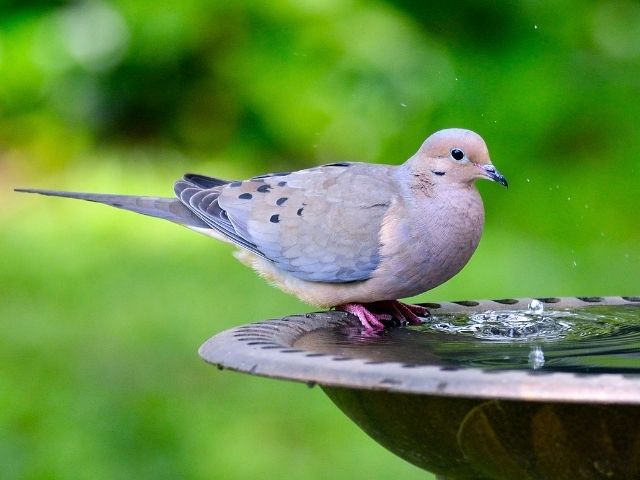
The bird gets its common name from its most famous vocalization, the "mournful" cooing song. This low, somber, four-note call, often transcribed as coo-oo-oo, coo, coo, coo or coo-ah, coo, coo, coo, is the male's primary mating and territorial call. It is often mistaken for the hooting of an owl, especially in the early morning. Males will use this song from exposed perches like utility lines or dead tree limbs to attract a mate and announce their presence.
Beyond the coo, the Mourning Dove is known for another distinct sound: a loud, characteristic whistling made by its wings during take-off and landing. This sound is generated by air rushing through the feathers and is believed to serve as a warning signal to other doves in the immediate vicinity, alerting them to a perceived danger.
Habitat, Diet, and Foraging Behavior
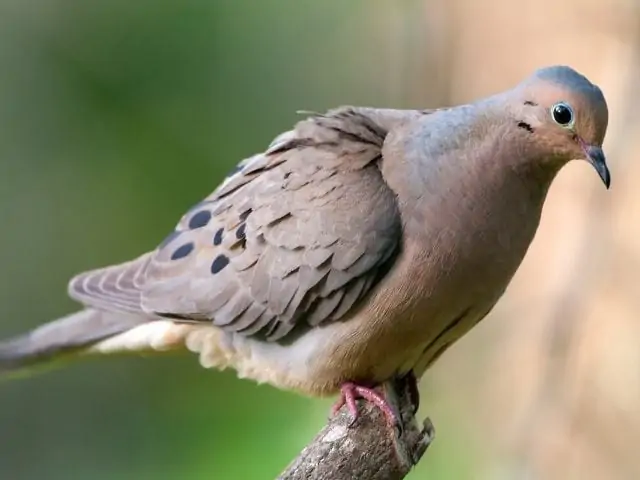
The Mourning Dove is a true generalist, which has contributed greatly to its success. It thrives in open or semi-open environments and is a classic "edge" species, preferring the interface between different habitats. This includes:
- Agricultural fields and farmlands
- Open woodlands and woodland edges
- Grasslands and prairies
- Suburban areas, parks, and backyards
- Even arid regions like deserts
Their diet is nearly 100% granivorous, meaning they eat almost nothing but seeds, and they are ground foragers. Their menu includes seeds from cultivated grains (like wheat and corn), as well as wild grasses, weeds, and herbs, such as ragweed, croton, and sunflower. Mourning Doves can consume an impressive 12 to 20 percent of their body weight in seeds every day.
They feed on the ground by walking and pecking, and they are incapable of scratching the ground like chickens or other birds. A fascinating aspect of their feeding anatomy is the crop, a pouch at the base of the esophagus. Doves can quickly fill their crop with seeds and then fly to a safer, secluded spot to digest their meal later. To help grind down hard seeds, they also swallow small stones or grit.
The Secret to Success: Breeding and Parenting
The Mourning Dove's most remarkable biological trait is its prolific breeding cycle. While the average lifespan is relatively short—around 1.5 years—they compensate for high mortality rates by nesting frequently. They have one of the longest breeding seasons of any North American bird, often stretching from early spring (February/March in the South) through to early fall (September/October).
Nesting and Eggs
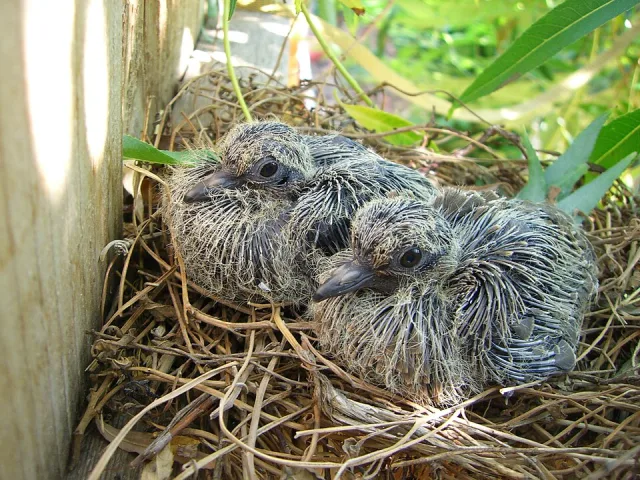
Mourning Doves are monogamous, often mating for an entire breeding season, and sometimes for life. They build a notoriously flimsy platform nest—a shallow, haphazard collection of twigs, grass, and pine needles that often looks like a few sticks haphazardly tossed together. The male collects the materials and delivers them to the female, who weaves the nest, usually in a tree, shrub, or on a building ledge.
The clutch is almost universally two plain, white eggs, laid a day or two apart. Incubation is shared, with the male typically sitting during the day and the female taking the night shift for about 14 days.
The Wonder of Crop Milk
After hatching, the young doves, called squabs, are altricial (helpless). For the first few days, both parents feed them a specialized, nutrient-rich substance called crop milk (or "pigeon milk"). This curd-like, high-fat, high-protein secretion is sloughed from the lining of the adult doves' crops. Within a week, the squabs are gradually weaned onto an adult diet of seeds mixed with the crop milk. The young fledge in about two weeks, but continue to be fed by the male for another week or two while the female often starts the next nest. This fast-paced cycle allows a pair to raise an average of two to five broods per year, with some southern pairs successfully raising up to six.
Migration and Conservation Status
Mourning Doves are categorized as a partial migrant. Birds that breed in the far northern reaches of their range will fly south to the southern U.S., Mexico, or Central America for the winter. However, populations in the central and southern United States are often year-round residents or make only short migratory movements.
The Mourning Dove is one of the most abundant bird species in North America, with an estimated global breeding population in the hundreds of millions. Despite a slight overall population decline in recent decades, it is currently listed as a species of Least Concern on the IUCN Red List. However, they are the continent's most popular game bird, and game managers closely monitor populations to set regulated hunting limits. A more subtle conservation concern is their vulnerability to lead poisoning in heavily hunted areas, as they may accidentally ingest fallen lead shot while foraging for seeds on the ground.
The Mourning Dove, with its quiet demeanor, rapid breeding, and peaceful call, is a symbol of calm and persistence, a ubiquitous feathered neighbor that remains one of the most successful and beloved birds on the continent.
Here is a video from YouTube from search results: Mourning Dove Song Coo Call Sounds - Amazing Close-Up. This video provides a close-up demonstration of the male Mourning Dove's characteristic cooing call which is a central feature of its profile.